
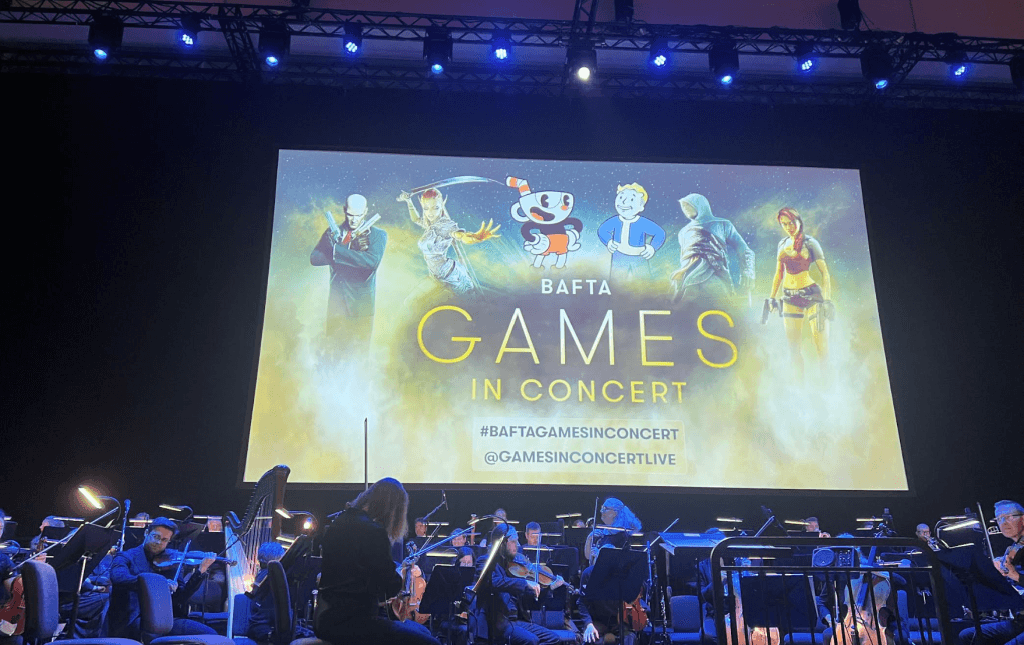
I recently attended the BAFTA Games in Concert tour, which took place in the U.K. in May and June. The event revisited the games that have won BAFTAs for sound and score within the past 20 years, celebrating the composers who add so much emotion to our favorite games.
Video game music changes the tone of a story so massively, the same way it does in film and television. But especially in games that are single-player only, it can be hard to share this feeling with your fellow gamers. The Games in Concert orchestra is making game music a more communal experience, bringing together a wide range of game enthusiasts to fully appreciate the impact of game scores.
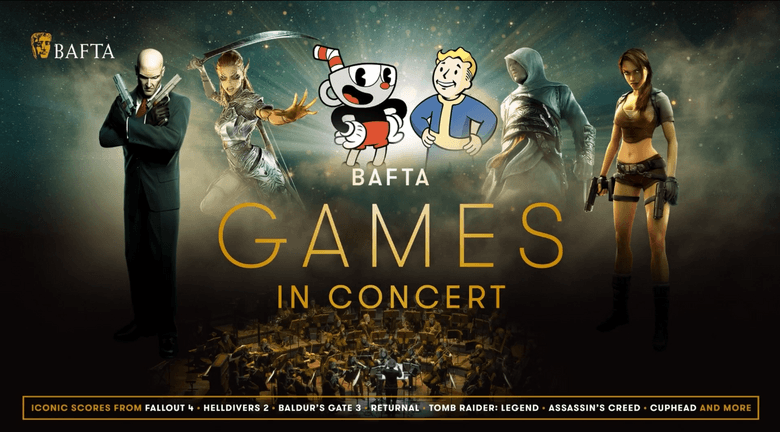
One of the games highlighted during the tour was Baldur’s Gate 3. While Larian’s award-winning RPG does have multiplayer functionality, a lot of its player base initially experienced the game solo, myself included, thereby also experiencing the sound and score for the first time on their own.
I consider myself to have a pretty wide range of music tastes, because I will listen to almost anything. In my early teens, I started learning how to play the violin, and particularly enjoyed playing songs from film, TV, and games. I loved how classic orchestral instruments could be used in modern media to create impactful scenes, and clearly, I still do.

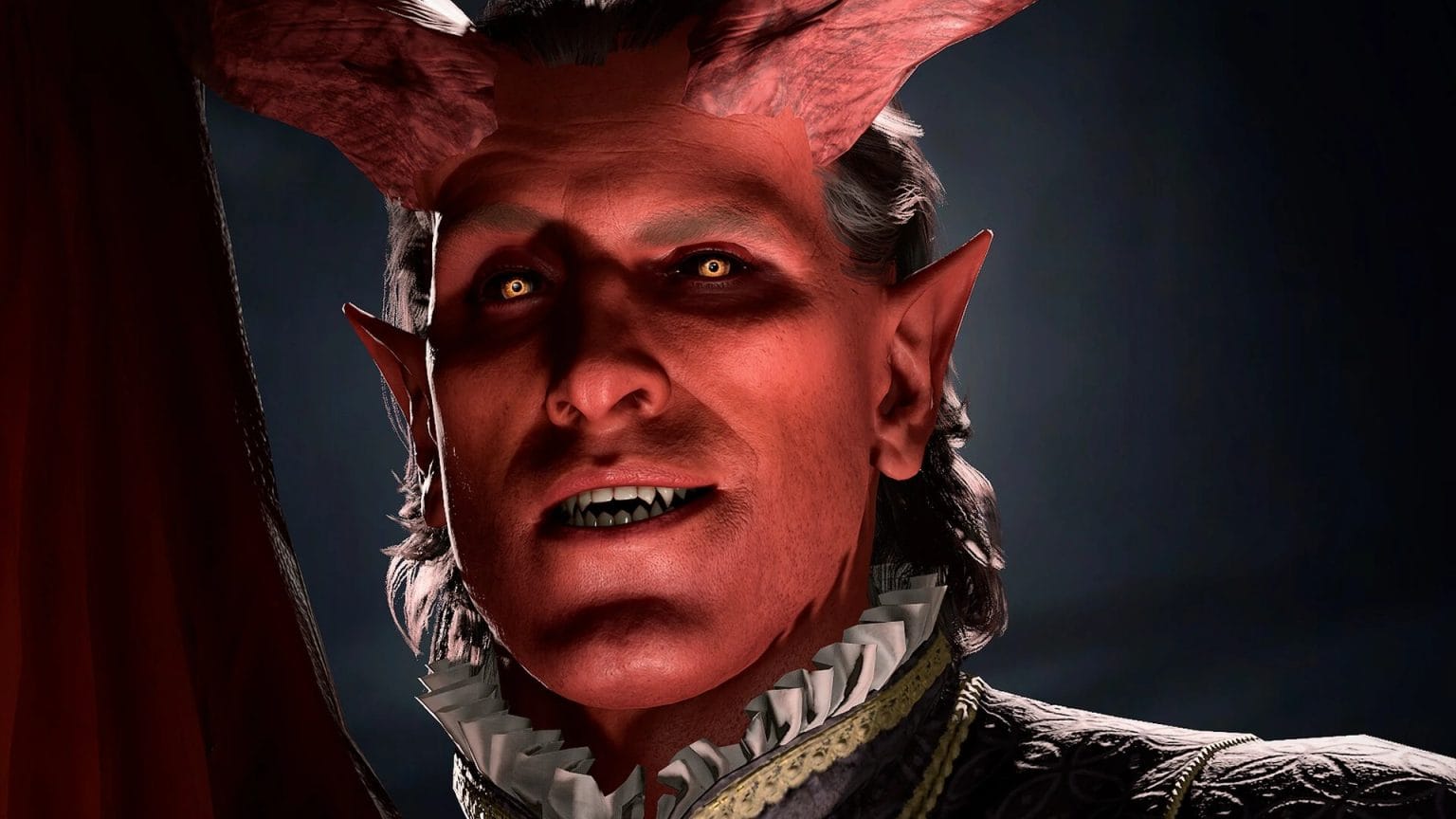
The orchestra opened with an arrangement of a few songs from Baldur’s Gate 3, which took home many accolades at the 2024 BAFTAs, including Best Narrative, Best Game, EE Players’ Choice, and, of course, Best Music. The game won another award that evening, though, one particularly relevant to the song I’m going to talk about here: Best Performer in a Supporting Role, granted to Andrew Wincott, who played the manipulative devil Raphael, delivering an absolutely staggering performance. Because of this, it’s no surprise that “Raphael’s Final Act” was included in the Baldur’s Gate 3 arrangement in the performance.
I knew Baldur’s Gate 3 would be one of the games featured that evening, but I had no clue what specific songs the event organizers would pick. But that didn’t stop me from spending the weeks leading up to the concert hoping they would include this song, and as soon as the music transitioned into “Raphael’s Final Act,” I genuinely got goosebumps. Composer Borislav Slavov clearly put his all into the song during development (along with the rest of the OST, of course).

A Deal With the Devil
You may remember when “Raphael’s Final Act” went viral a couple of years ago, shortly after Baldur’s Gate 3’s release. Fans raved online about the true artistry behind the song (as well as how incredibly catchy it is). The quickly-garnered popularity was well deserved, as the song provides an intense and engaging atmosphere to an already awesome battle.
There are plenty of mandatory boss fights in the game, with equally well-crafted scores to accompany them, so why did this one in particular take the gaming community by storm, especially when the fight in question is actually pretty easily missable?
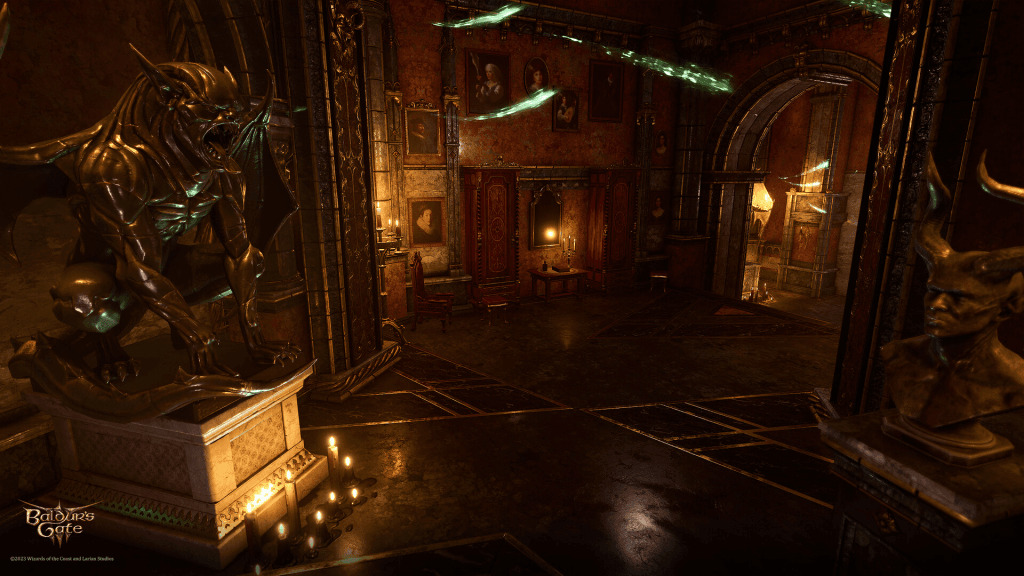
For me personally, the House of Hope was one of the most difficult segments of Baldur’s Gate 3, taking me quite a while (and many healing spells) to win the battle. But somehow, I never got sick of the fairly repetitive song. Larian cracked the code: the secret to a totally incredible boss fight soundtrack. The song sounds like that of an old-school Disney villain, with dramatic instrumentation (often with a lot of orchestral instruments layered on top of one another), clever lyricism to dissuade the protagonists (more on that later), and plenty of theatrical flair to top it off.
A decent handful of rumors went around at the time about the song, one of the most common being that when casting the spell “Silence” on Raphael during the fight, his vocals would actually stop playing. It was one of those things that seemed so plausible — that Larian would have realistically implemented it into the game, given their intense attention to detail — that people online couldn’t help but believe it when they saw someone say it. (Alas, that rumor was eventually debunked.)
Hope Hangs On
There’s a stark difference between the song’s two featured vocalists. The first is an operatic woman’s voice, while the second is the aforementioned Andrew Wincott, who, for most of the song, speaks the lyrics more than actually singing them. It’s pretty jarring to hear at first, as Raphael’s part of the song only starts about a minute in. The slow realization — only after starting the fight and focusing in on the action — that Raphael himself, the devil you are actively fighting, is singing to you, is genuinely a little bit absurd.
The lyrics are honestly quite insulting toward the party. Raphael essentially tells them that because they were stupid enough to defy him and come to his stomping ground, the only plausible outcome is their brutal deaths; he literally calls them all “fools” at one point. The female singer, meanwhile, opens the song by saying “all mortal lives expire.” While the mortality of devils in Baldur’s Gate 3 isn’t so black and white, Raphael is technically mortal if killed on his home plane, the Hells, which is where the House of Hope is located.
There’s a lot of overconfidence in Raphael’s words. He repeatedly implies throughout the song that the player’s party coming to the House of Hope has essentially sentenced them to death, and that he could even more easily harm them there. However, by the logic of Cambion mortality in BG3, Raphael would actually be much more vulnerable in his own home. The fight taking place on his territory doesn’t give him as much of an advantage as he suggests.
Raphael’s arrogance is his fatal flaw. He presents himself as this powerful, undefeatable being from the very first time he meets the party, and his fight in the House of Hope is no different, warning the player, “This House of Hope, your tomb.” Because of this overconfidence, Raphael clearly has an issue with “playing with his food.” He derives great joy from toying with those he sees as beneath him (which, realistically, is how he sees most people he meets), because he never sees anyone as any possible danger to him.
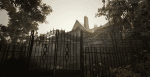
The House of Hope is where Raphael has imprisoned a mid-level Cleric of the same name: Hope. By all accounts, Hope should stand no chance against Raphael, but his insistence on keeping her there to torture her, due to his own twisted fascination, is what eventually leads to his downfall. He is so confident that she would never be able to harm him, but she ends up being a crucial part of his defeat by the player, whom he also severely underestimates. In another verse, he tells the player it’s “The final act, your doom,, never once considering that he could be at risk (hence the irony of the song’s title literally foreshadowing his death).
A Day To Remember
“Raphael’s Final Act” is one of those songs that really grips you. It’s pretty short and repetitive, but never irritating, even when the actual combat may frustrate. In my personal opinion, it’s one of the most incredible pieces of villain-centric video game music ever produced, and I’m so excited to have had the opportunity to experience it being performed live.
If you’ve played Baldur’s Gate 3 but missed out on the House of Hope, I would absolutely recommend going back through and seeing everything it has to offer, musically and otherwise.

Scarlet (she/they) is a U.K.-based writer who recently graduated with a bachelor's degree in English and film from Manchester Metropolitan University. She loves a wide variety of games, but has a soft spot for horror games and cozy indie games. She loves achievement hunting and is passionate about queer stories being told in video games. She primarily plays games on PC, but sometimes dabbles in console gaming, usually on the Nintendo Switch with games like Animal Crossing and Mario Kart.