

Rockstar’s 2018 opus Red Dead Redemption 2 explores morality through a complex web of relationships and choices that define its main character, Arthur Morgan. Throughout the game, the player meets a colorful cast of characters who are friends, family, strangers, and everything in between.
Still, the first question anyone asks when you finish is: What kind of Arthur did you play?
This is a reasonable question given the game explores emotional angles of vulnerability, culpability, and community in both spectacular Western big-scene fashion and in intricate character-led moments of relationship building. For the first half of the game, you are limited in how far you can take your honor to either extreme, which is a necessary grace given how easy it is to upset people in the Rockstar sequel.
It’s easy to be bad in Red Dead Redemption 2, as every little offense counts against you. For example, if you accidentally draw a gun at the wrong time when saying hello to someone, your outlaw reputation increases. If you are looting bodies for any reason and get caught, whether you killed them or not, your reputation as an outlaw increases. Linger at the aftermath of a shootout too long? You’re earning a bad reputation, and the lawmen come to get you. The law in this game is more relentless than The Witcher 3′s Wild Hunt, and that’s saying something.
Warning: Major spoilers for Red Dead Redemption 2 ahead.
There’s Always Another Path
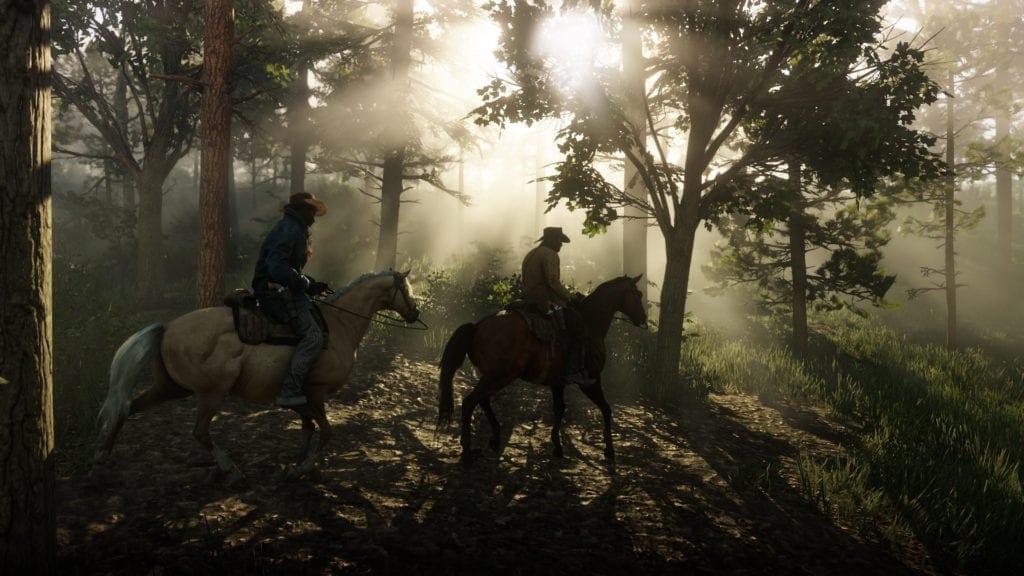
Given the trigger-happy responses of about half of NPC interactions, it’s easy to take this path and be wanted for most of the game. Nevertheless, when the second half of the narrative starts, there’s a moral imperative to make a decision. I chose to play Arthur with high honor because it made the game more interesting and it really felt like each little decision you made had an impact.
What would you do when everything you’ve known is crumbling in front of your eyes?
Did I get sick of being chased by bounty hunters for every little offence? Absolutely. I also got tired of constantly paying bounties for every little encounter just because moving without a bounty also made it easier to walk around town. People were less likely to be afraid of you, and it felt good to almost be a “normal” person in this lawless world.
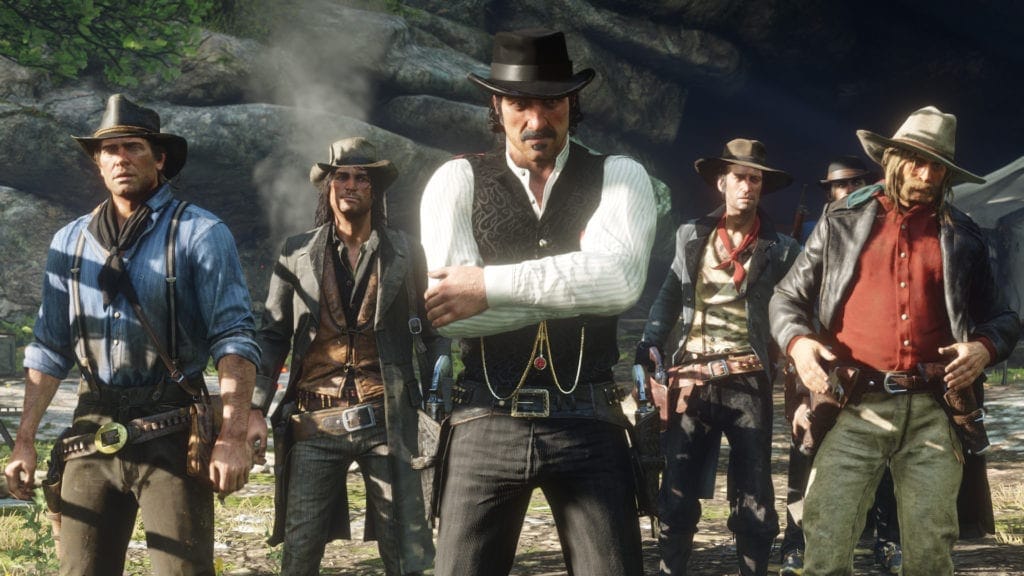
That said, when you strip man of everything material, all you have left is health, the spirit, and relationships. That’s where Arthur Morgan finds himself by the time the player reaches Chapter 6. Hosea Matthews, his father figure, is gone. He’s lost one of his closest friends in Lenny, and Dutch — his de facto leader — has lost any sense of rationality, abandoning the loyalty and supposed righteousness that made his charlatan attitude tolerable. His devilish protege, Micah Bell, has fully captured his attention, taking away the last possible opportunity to reason with him.
What Do You Do When You Know It’s Over?
What would you do when everything you’ve known is crumbling in front of your eyes? Years of loyalty? Gone. Earnesty? Cashed out for blind obedience. What do you do when the reality of impending death makes itself known with each breath you take?
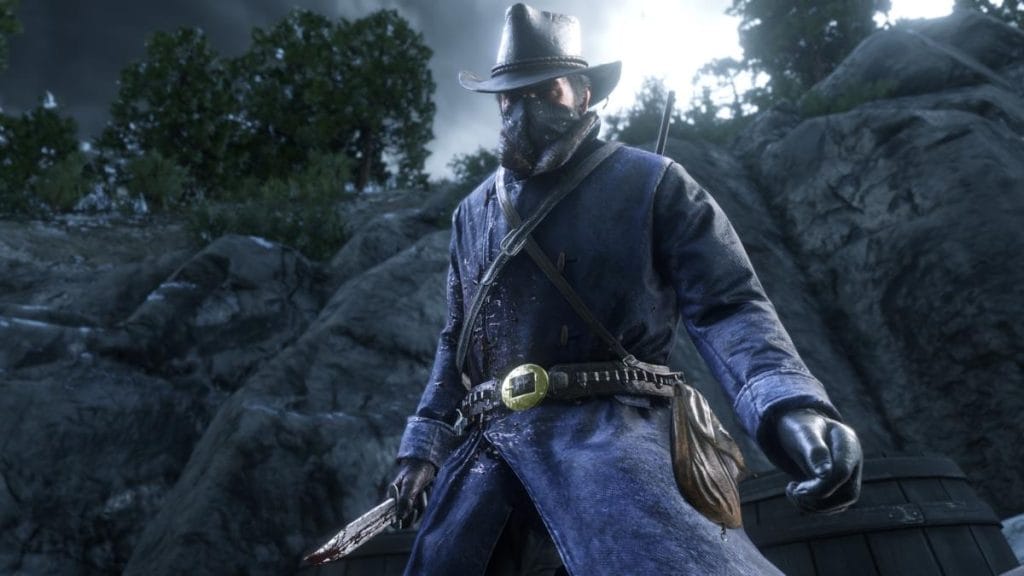
Arthur Morgan depends on his community, leaving him with two particularly important people in his life: Sadie Adler and John Marston. From Chapter 4 onward into the latter section of the game, these two ground Arthur. They become the moral compasses he never knew he needed as he reaches the end of his lifespan and change the way he wants to finish out his time. It’s these relationships that really encouraged me to see the honor Arthur could obtain — should he desire the higher path of his decisions — by choosing constant good. Ultimately, it results in a more satisfying ending, though a bittersweet one.
Gunslinging Doesn’t Make Saints, but Keeps Family
Arthur Morgan is a man who finds himself straddled between what society considers correct and what his lived experience tells him. Raised on the road and in the West, he doesn’t understand the Lemoyne Raiders’ racism toward Lenny, reminding us that hatred is taught and not a learned behavior. He’s quick to stand up for the women in camp, helping Susan, Karen, Tilly, and anyone else with their various problems. It’s this loyalty to his people that makes Arthur dependable, and none rely on Arthur more than Sadie and John.
There’s a key turning point at the end of the game that defines this dynamic he has with both characters, and that’s John’s capture. Dutch is unwilling to rescue John, opting to let him sit until his “grand plan” finishes. Stuck on a prison island, it’s only a matter of time before John is transferred to some unreachable place or more likely hung. But you know who isn’t willing to wait for that to happen? Mrs. Adler.
Arthur likely wouldn’t have made it nearly as long without Sadie backing him up and providing company in a way he never expected.
She is willing to take on an island of prison guards with Arthur to make sure John Marston walks free because she’s firm in the belief that this is the best shot they have to save him. Moreover, the game reveals that Dutch had opportunities to save John at least twice but was resigned to watch his “son” take the fall instead. In Dutch’s mind, anything to take the heat off his trail is well worth the effort, and John is merely a pawn in that plan.
Back at camp, morale is at an all-time low. Still, Arthur, John, and Sadie are thick as thieves once they return.
An Unexpected Friend in Mrs. Adler
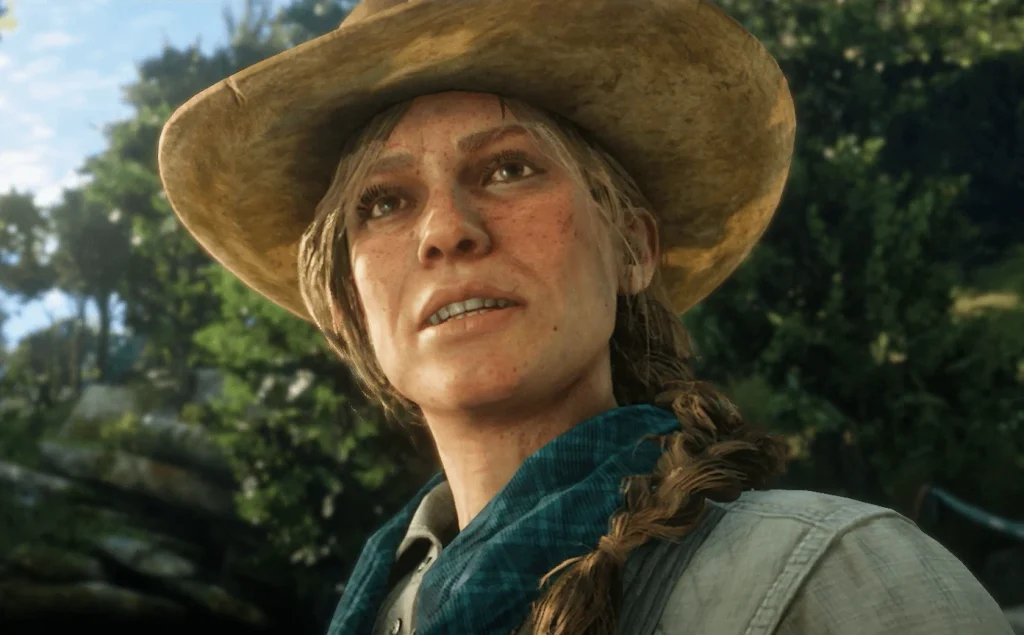
Of the Red Dead 2 trio, Mrs. Adler is the most passionate and gung-ho for an adventure, becoming a good friend to Arthur and later John. She’s honest with how she feels, telling Arthur before their last ride to battle the remaining O’Driscolls, “You’re the only one of these fools that I trust.” In a world full of schemes, her blunt manner of speaking is refreshing for Arthur, who finds himself with fewer and fewer answers in his life. In turn, Arthur finds himself able to speak his mind to Sadie without fear of repercussions.
Much of this relationship is built up by good-faith interactions from Arthur, who checks in on her and respects her ability to step up and defend camp. She’s completely independent, and while many men feel this is a threat, Arthur embraces it as an embodiment of her strong character. As friends, they still carry unresolved grief which weighs on their view of the world, but they both find clarity in the security of support. Arthur likely wouldn’t have made it nearly as long without Sadie backing him up and providing company in a way he never expected.
Sadie admits to Arthur that he’s the best man she’s ever known outside of her husband. Of course, Arthur played it off, but there’s something touching about her trusting Arthur time and time again to aid in her revenge and maintain a functioning friendship outside this cycle of violence.
In the end, as the Pinkertons close in, it’s Sadie at Arthur’s side in their last shootout together. She even spares Arthur the trouble of going first, but like most confrontations in this game, things never go as intended.
A Frustrating Younger Brother
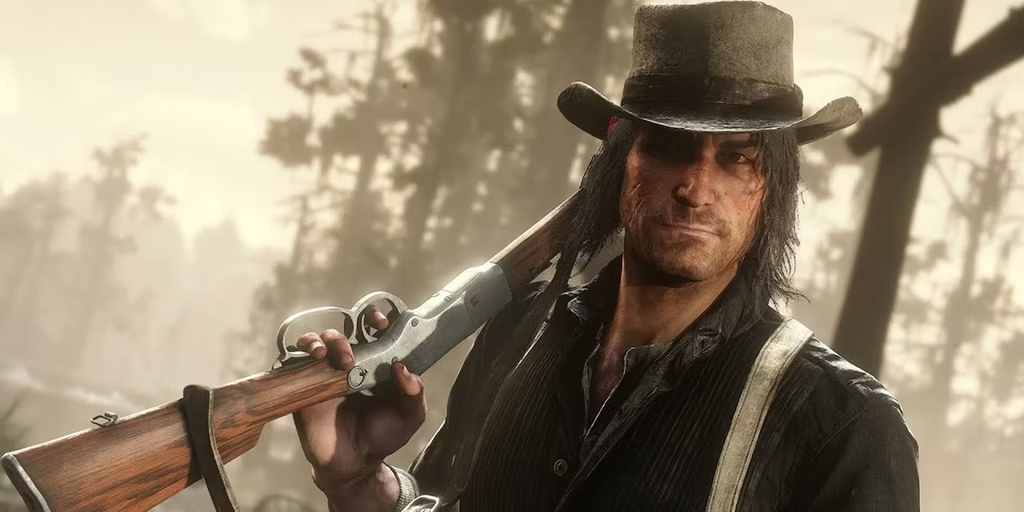
Meanwhile, John Marston serves as the younger brother Arthur never had but begrudgingly accepts, cleaning up after him and rescuing him time and time again. The two often exchange barbs like squabbling siblings, but Arthur cares deeply for John, even if all he wishes is for the man to make better decisions. It’s important to note that Arthur has always been upset about John not stepping up for his wife Abigail and son Jack, but you can’t change a man’s nature who won’t change on his own.
Notably, the very idea of change underscores both Arthur and John’s friction with Dutch. While they didn’t change, it’s apparent Dutch has, which shifts how John must approach his life, a frustrating paradigm of nature versus nurture that he remains in permanent struggle with throughout the game’s epilogue.
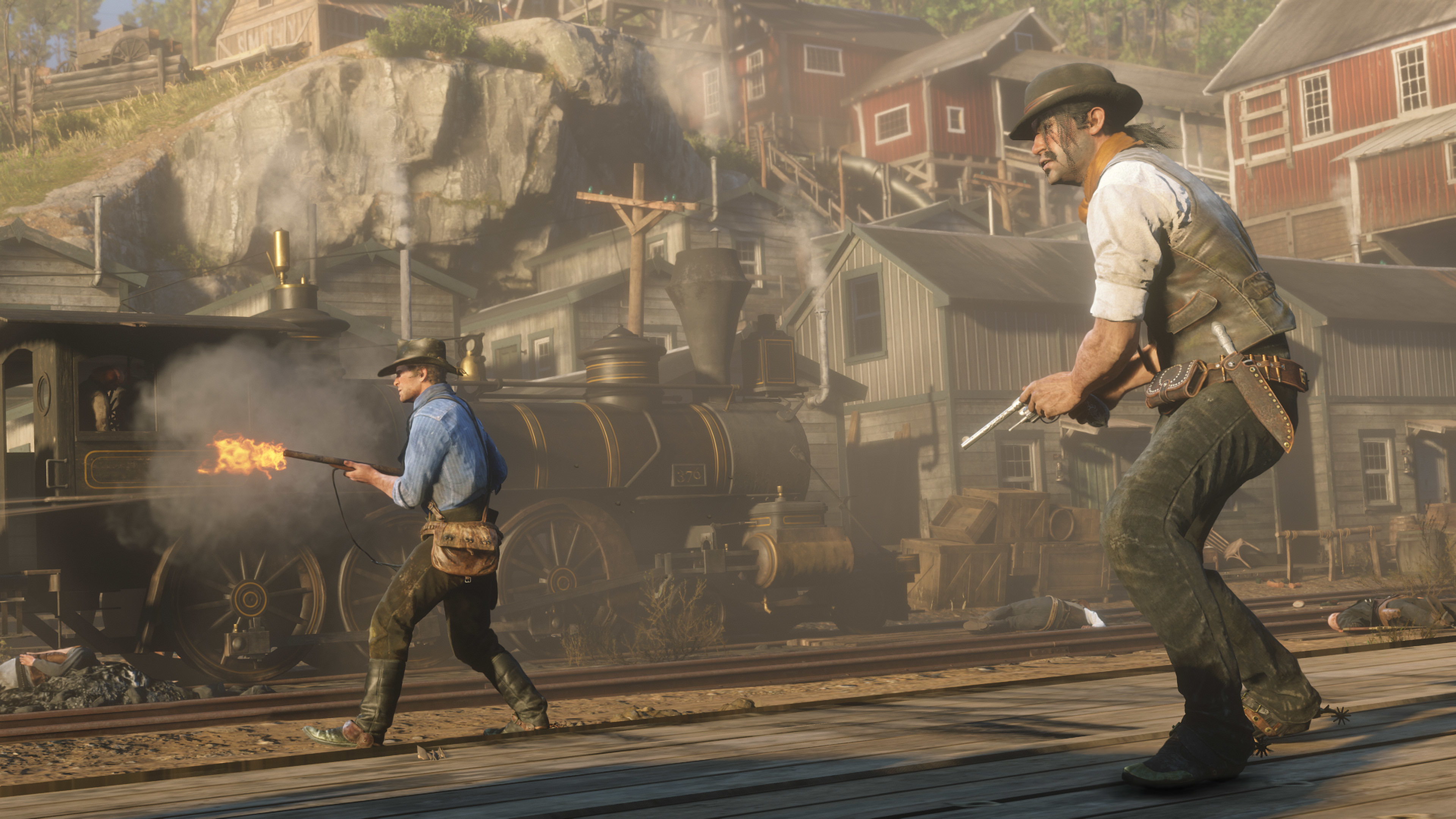
Nevertheless, Arthur is most concerned about John and his family surviving by the end. The two are on the same page for the first time in a long time, which makes them both feel foolish and grateful that it took so long to find mutual ground. When all hell breaks loose in the final camp scene, it’s John Marston who comes limping back to support Arthur. With the Pinkertons on their tail, Arthur buys John time to escape, facing his death confidently, knowing John and his family should be okay.
A Man With Nothing To Lose
Arthur Morgan is not a truly good man, despite his good deeds throughout the latter half of the game. He’s robbed and murdered throughout his life, which made his chances at getting married difficult and even his own view of himself complicated. It’s this life which led to his contraction of Tuberculosis, a fatal — but in many ways fitting — ending for a life of misdeeds. Still, the game highlights how a flawed man like him has a chance at redeeming himself in whatever ways he can before it’s all over.
As a man born out of his particular environment, Arthur attempted to be better without a role model to direct him. In the end, he does make that small step forward, saving John and his family, getting Sadie away, and standing up for the idea of being a better person. Even though Dutch leaves him to die to the Pinkertons, a fate he ultimately survives thanks to Eagle Flies’ sacrifice, he doesn’t seek revenge. He’s just done.
With the Pinkertons on their tail, Arthur buys John time to escape, facing his death confidently knowing John and his family should be okay.
Perhaps this is the resignation of a man at the end of his life, yet another interpretation would be that it’s his way of honoring all the years he served Dutch and moving on. It’s easy to pull that trigger and do what he’s done countless times to men who’ve wronged him, but Arthur isn’t heartless enough to kill his father figure.
Arthur Morgan’s death could never end in revenge. He lived as a rough enforcer, someone who hustled and shot his way through many of his sunny days, but he did search for that second act of redemption. Even if short-lived, his story is a reminder that a life full of wrongs can still be turned around if you’re willing to sacrifice the familiarity of the life you’ve always known. It’s this familiarity that often kills the momentum of change, as Dutch would show Micah and later discover for himself. It’s hard living a life you know is wrong, but it’s harder dying with the regret that you never changed it. Arthur can attest to that, and die knowing he took the more difficult road to an end he spent his whole life building.

Vaughn Hunt is writer who has loved video games since he picked up a controller. His parents wouldn't let him buy swords as a child (he wanted the real ones) so he started writing, reading, and playing video games about them. A historian at heart, you'll often find him deep into a rabbit hole of culture, comics, or music.