
As the summer turns to fall, the Game of the Year race is only heating up. We’ve already had several great video games in 2026, but with Marvel’s Wolverine, Control Resonant, and — the juggernaut — Grand Theft Auto VI looming, the war for our evening gaming hours isn’t letting up anytime soon.
Yet, and it feels surreal to say this: My personal GOTY might already be locked down. The game that’s won my heart is, of all things, a July spin-off of a Nintendo multiplayer franchise that I only bought because the preorder was $10 off. That game is Splatoon Raiders, a title I knew next to nothing about that is now dominating my free time in a way no game has in a long while.
I’ll save why Splatoon Raiders is so great for a future article. Just know that Nintendo EPD’s latest formula is a winning one. Its interpolation of the series’ classic ink-fueled action into a looter-shooter RPG makes for an experience that — while perhaps not entirely innovative — is twitchy, crunchy, and a whole lot of fun.
But Splatoon Raiders the shooter is not why I’m here today. I’m here to talk about something 90% of its players will, tragically, likely miss altogether: the retro arcade cabinet.
Insert Coin To Play
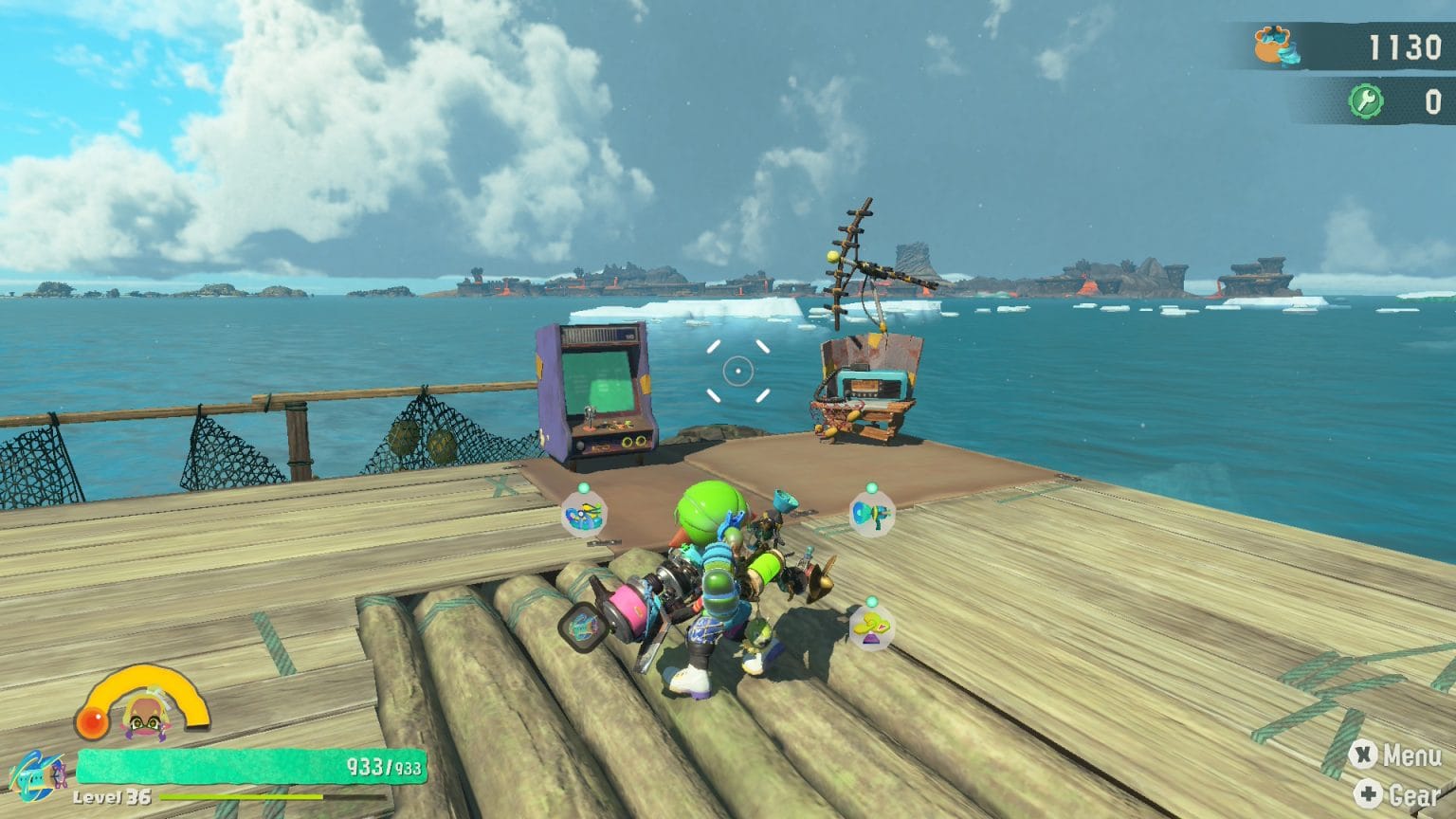
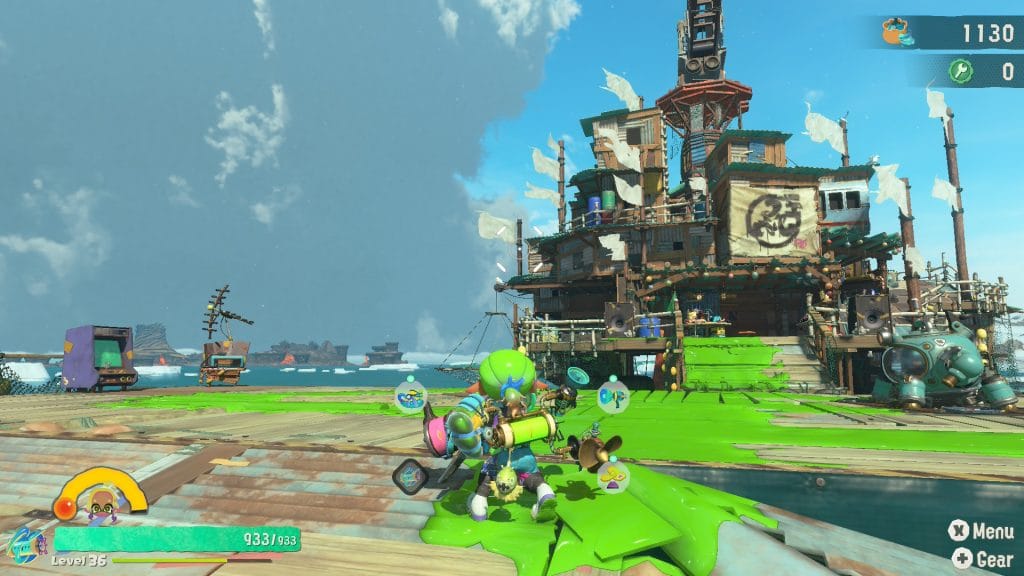
Shortly into Splatoon Raiders’ 20+ hour campaign, you’ll come across your base. A small barge floating at sea, this hideout doubles as the hub area for your party of Inkopolis singers turned treasure hunters. Here, you’ll embark on missions, modify your weapon loadout, test out new abilities, and craft upgrades for your base. Most importantly, though, it’s where you’ll find the arcade cabinet.
While most upgrades to your base have practical uses — targets to shoot at, a turret that simulates enemy fire, etc. — the arcade cabinet is suspiciously inconspicuous. Naturally, it’s the very first thing I spent my precious currency on.
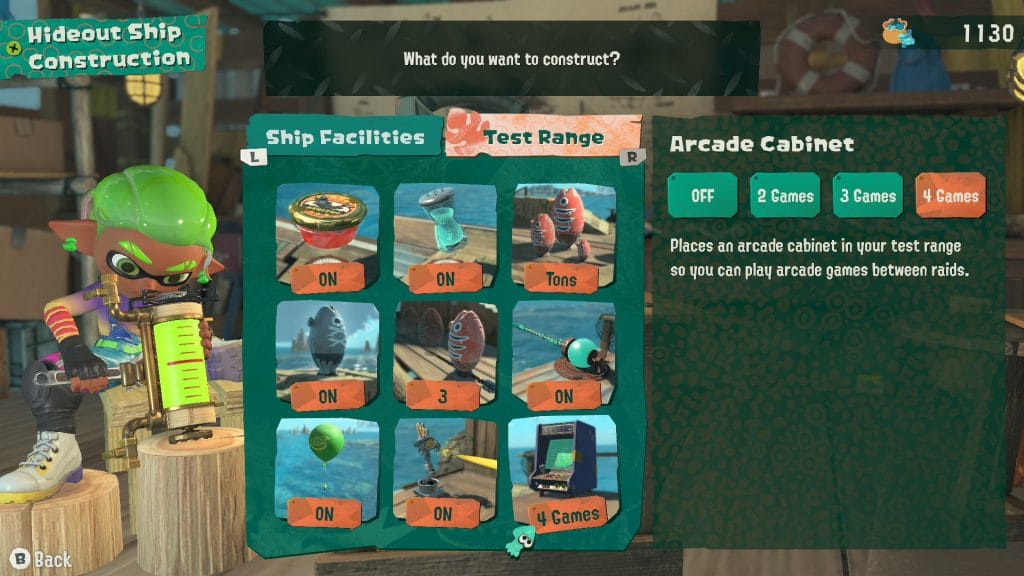
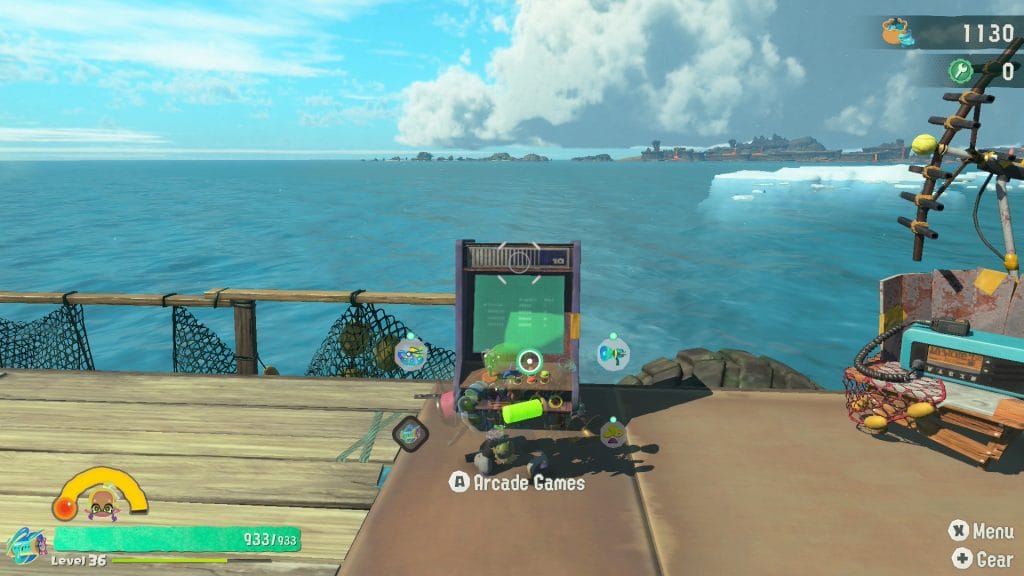
The cabinet appeared in a corner of my hideout with little fanfare. As I approached for the first time, I thought, Surely it’s just cosmetic. It can’t have playable arcade games… can it?
Oh, it can, dear reader. Two to start, but up to four with subsequent upgrades. And these arcade games aren’t exactly afterthoughts either; they’re beautifully designed, with a level of polish that makes me wonder why Nintendo EPD doesn’t pull from its retro bag of tricks more often.
Move Over, UFO 50
I’m not the biggest retro head here on the site. (That honor goes to our “resident old games guy” Sam Martinelli.) Still, I can appreciate dusting off the vault to relive old memories or experience a classic for the very first time.
To me, however, even better than playing a retro game is the feeling of playing a retro game. It’s why Mina the Hollower was so successful; it took inspiration from the 2D Zelda and Castlevania titles of old while adding just enough modern touches to not feel dated. The same goes for Sea of Stars or Into the Breach; these games could have existed 30 years ago, but they’re only as good as they are thanks to three decades’ worth of game design breakthroughs.
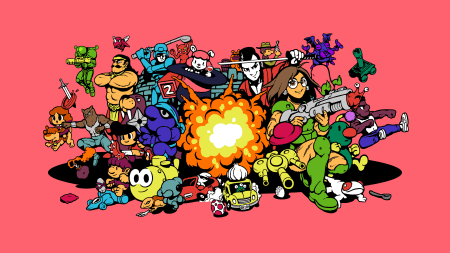
No other title better exemplifies this phenomenon than UFO 50. A collection of 50 games produced from 1982 to 1989 by acclaimed studio UFO Soft, UFO 50 would be a hallmark of terrific retro goodness… if it wasn’t for the fact that these games and their developer don’t actually exist. In truth, UFO 50 was developed from 2016 to 2024 by Mossmouth, making these games 40+ years old in spirit but decidedly younger in reality.

It’s been well over 18 months since I first explored the UFO 50 catalog. I devoured the collection then, investing well over 100 hours. Heck, I loved it so much that I reviewed and ranked each UFO 50 game like the sicko I am. Other developers have managed to capture similar vibes (shoutout CorgiSpace!), but by and large, the art of making new games feel old again isn’t exactly in vogue.
Who could’ve guessed Nintendo would be the one to zig when others zag.
New High Score!
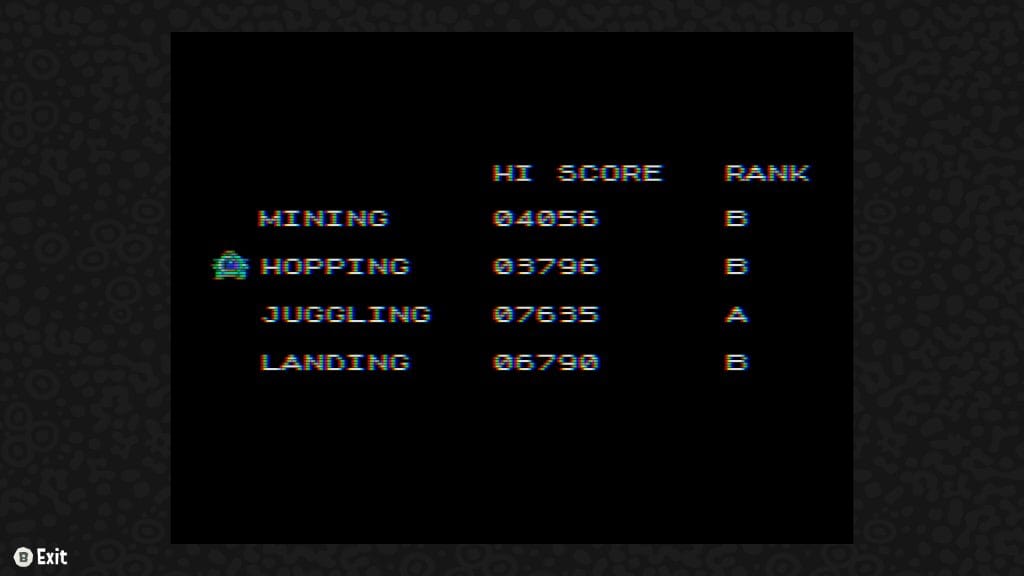
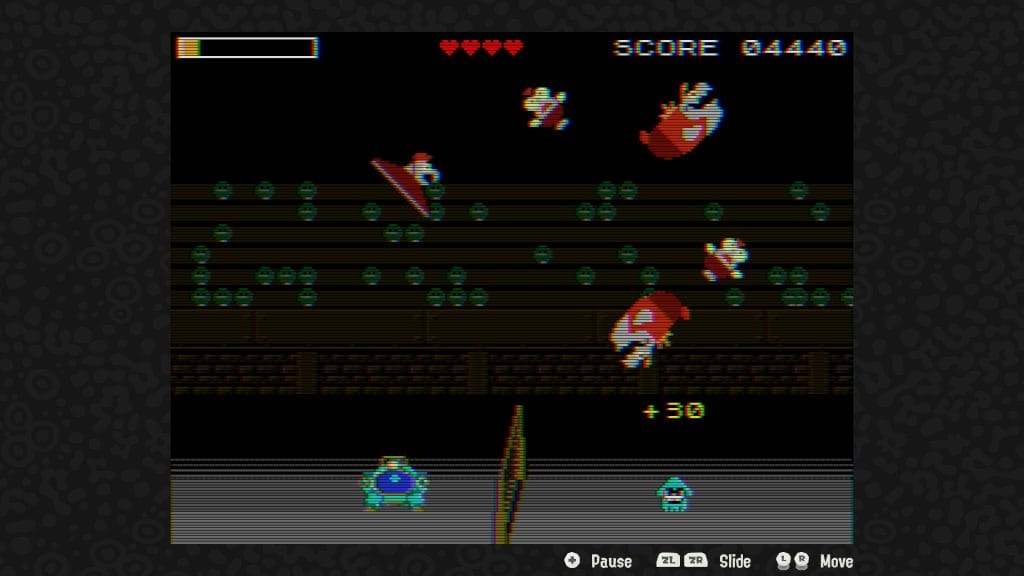
Splatoon Raiders features four arcade games in total: Mining, Hopping, Juggling, and Landing. Not the sexiest names, I’ll admit, but they get the job done. Besides, far more important is the actual experience.
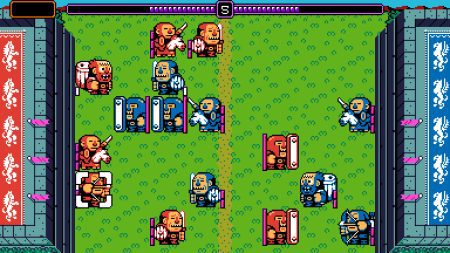
Each has its own distinct hook. In Mining, you’ll race against the clock to burrow deep into the ground, collecting gems to extend your timer. In Hopping, you’ll attempt to keep a bouncing squid from falling to the ground while avoiding incoming Salmonids. Juggling has you hurling Salmonids back and forth over a net, while Landing — the most complex — is a 10-level platformer where you’ll navigate treacherous obstacles using a jetpack.
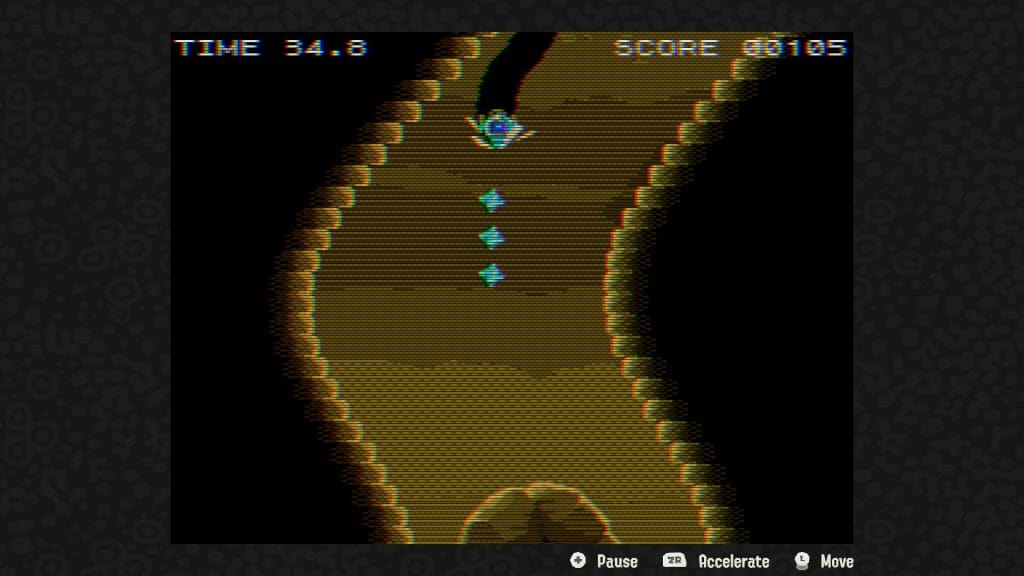
Much like actual real-life arcade games, these games are designed to be bite-sized. You’re not embarking on some massive quest to save the world; you’re learning a single mechanic, then repeating it over and over to the point of eventual mastery. Each run takes no longer than a few minutes to complete, yet I could conceivably see myself playing for hours more.
With high scores to track and a series of grades to improve, the arcade games in Splatoon Raiders offer just enough to keep players hooked. They’re a wonderful way to de-stress after a few hours of ink-spraying mayhem, but more importantly, they’re just plain fun — an example of what’s possible when a big company like Nintendo decides to think small, if only for a moment.
Game Over… Try Again?
Mini-games in video games are hardly a new phenomenon. The Yakuza/Like a Dragon series has mastered the ability to make a big game feel intimate through karaoke, darts, pocket racing, and other micro experiences. Final Fantasy and The Witcher both have their eccentric card games. Heck, this isn’t even new for Splatoon; earlier games had their own arcade titles too!
It’s not a surprise to see Splatoon Raiders take a crack at the fun. What is surprising, though, is just how fresh and original its ideas happen to be. The gameplay loops are well thought-out, the difficulty is perfectly tuned, and the accompanying music is catchy as hell. Nintendo EPD had no business going this hard on something only a fraction of players will likely see, but I’m glad they went the extra mile.
Now, if only we could get a “Nintendo 50” collection down the line…

David is the founder of The Punished Backlog. He has a problem finishing games he starts.
Just beat: Splatoon Raiders.
Working on: GTA V.
Can't wait for: Ocarina of Time (2026), GTA VI.
Follow David on Twitter at @David_Silbert to keep up to date with all things The Punished Backlog.