

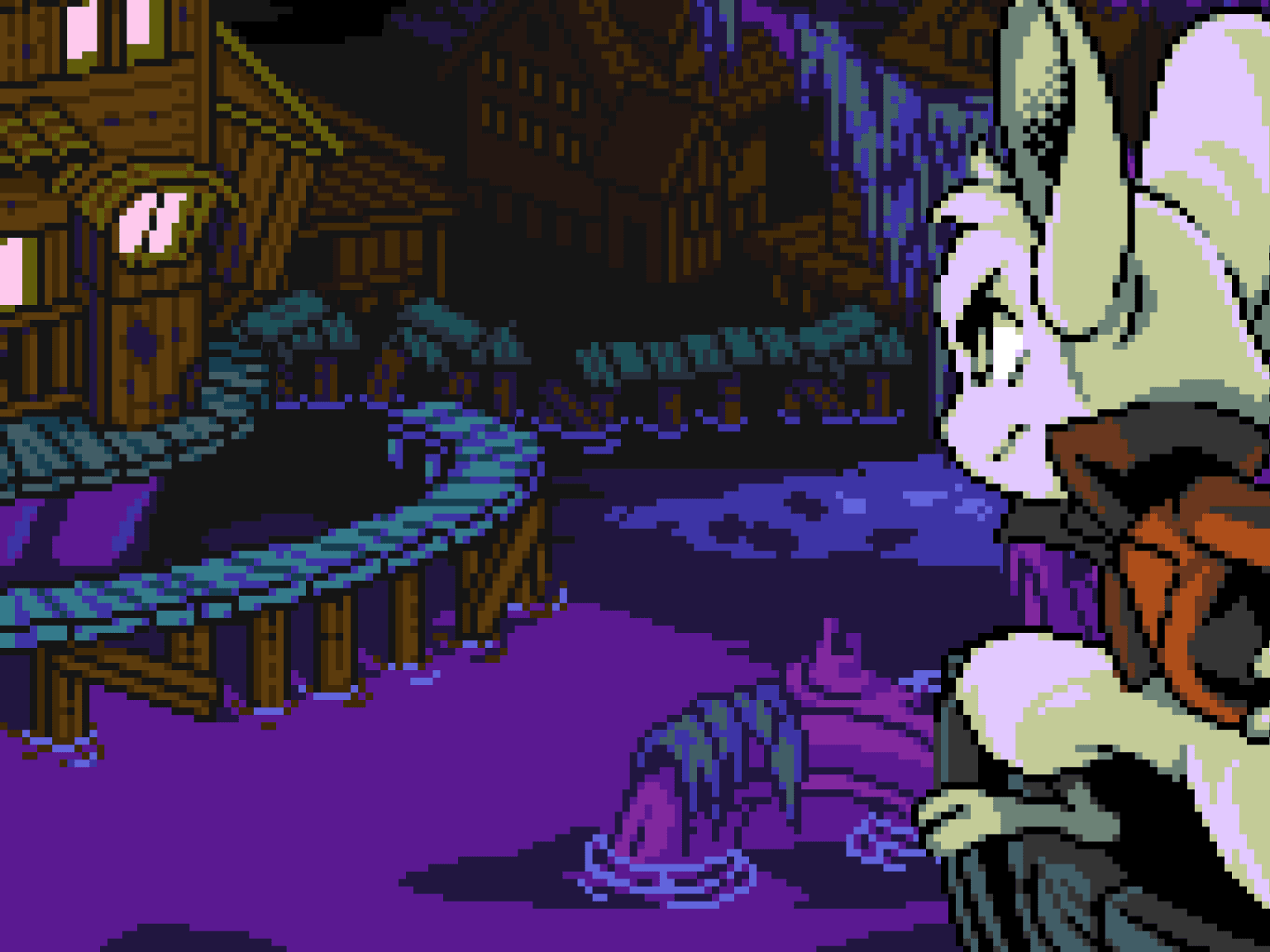

It’s been a little over a month since Yacht Club Games released its hotly-anticipated 2D action-adventure title Mina the Hollower. The game, which features heavy influences from The Legend of Zelda, Castlevania, and Bloodborne, released to rave reviews, even garnering a 90 score on Metacritic.
Sure, those reviews are all fairly positive. But what do the fine folks at The Punished Backlog think about it?

Q: How hyped/excited/interested were you in Mina the Hollower leading up to its release?
Donovan Harrell: I was fairly hyped about this one after enjoying but not quite completing Shovel Knight. I’m a sucker for a dark, gothic Castlevania-like art aesthetic. I was also intrigued by the gameplay, which looked like a solid blend of The Legend of Zelda and metroidvanias. It also helps that the protagonist looked adorable.
Sam Martinelli: I was cautiously optimistic. The minute Yacht Club Games announced it, I knew it would scratch a particular itch for me, but then we had years of basically no updates at all, followed by multiple murky delays. Still, I always had faith it would be at least a solid 2D adventure, and I was looking forward to its release with every passing day.
Zack Gulinello: I feel like I’ve been hearing about it for a while, which has kept it on the radar, but I wouldn’t say I was especially interested until I saw the acclaim it was receiving. There are so many games these days, sometimes I need a little validation before pulling the trigger. But once I saw the reviews come in and got a little more information on gameplay. it seemed like a must-try!
Kei Isobe: I wasn’t excited for it at all, truthfully, outside of the general trepidation that was generated by Yacht Club Games’ marketing(?) strategy that insisted Mina‘s success was a direct barometer for their continued existence. The 2D pixel art adventure game archetype is not a game I’ve historically gravitated towards — I don’t have particularly positive opinions on most 2D Zelda games, for example (the only two I managed to finish were Phantom Hourglass and Spirit Tracks). Exploration isn’t something that appeals a ton to me in video games these days.
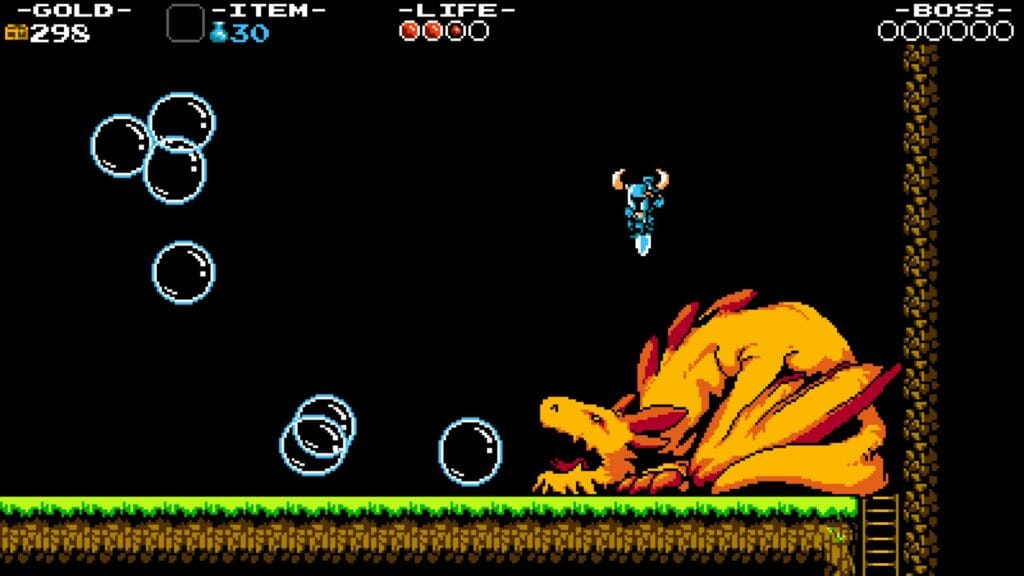
Q: What’s your history with Yacht Club Games? Have you played the Shovel Knight series? What about games the company published but didn’t develop, like Cyber Shadow?
Donovan: I’ve gotten pretty deep into Shovel Knight but never quite finished it. I enjoyed it plenty, but I simply got distracted by other games. I’ve only played a few moments of the opening level of Cyber Shadow but got immediately distracted by something else too and never returned to it.
Sam: The first Yacht Club title I tried was Cyber Shadow (which Yacht Club published but didn’t develop), and while I enjoyed it for the most part, it wasn’t particularly special or unique. That said, I finally got around to playing the Shovel Knight games during the pandemic, and they absolutely blew me away. The classic 2D NES-era gameplay meshed perfectly with more modern gameplay ideas, and the variety on display with each different campaign in the Treasure Trove collection demonstrated Yacht Club’s extremely high level of design acumen. Once I played Shovel of Hope, I knew I would play all the other Shovel Knight titles, and that I would at the very least try anything else this studio had in store.
Zack: Shovel Knight is a backlog all-star for me in that I want to play but it’s never quite made it into my actual rotation. I have friends who have raved about it and it seems like something I’d enjoy, but unfortunately I’ve never gotten around to it. The gameplay for Mina seemed a little deeper and more engaging, so I saw this as a nice evolution and something worth diving into.
Kei: I played Shovel Knight a decade ago but never got around to the expansions. I did play Cyber Shadow at PAX East 2019, but never played the final build. I’ll detail this in later questions, but Yacht Club Games almost exclusively deals in the 2D sprite/pixel art platformer genre, which is an aesthetic I don’t particularly enjoy and a genre I don’t really care for, so I’ve just never been particularly engaged with their games, sadly.
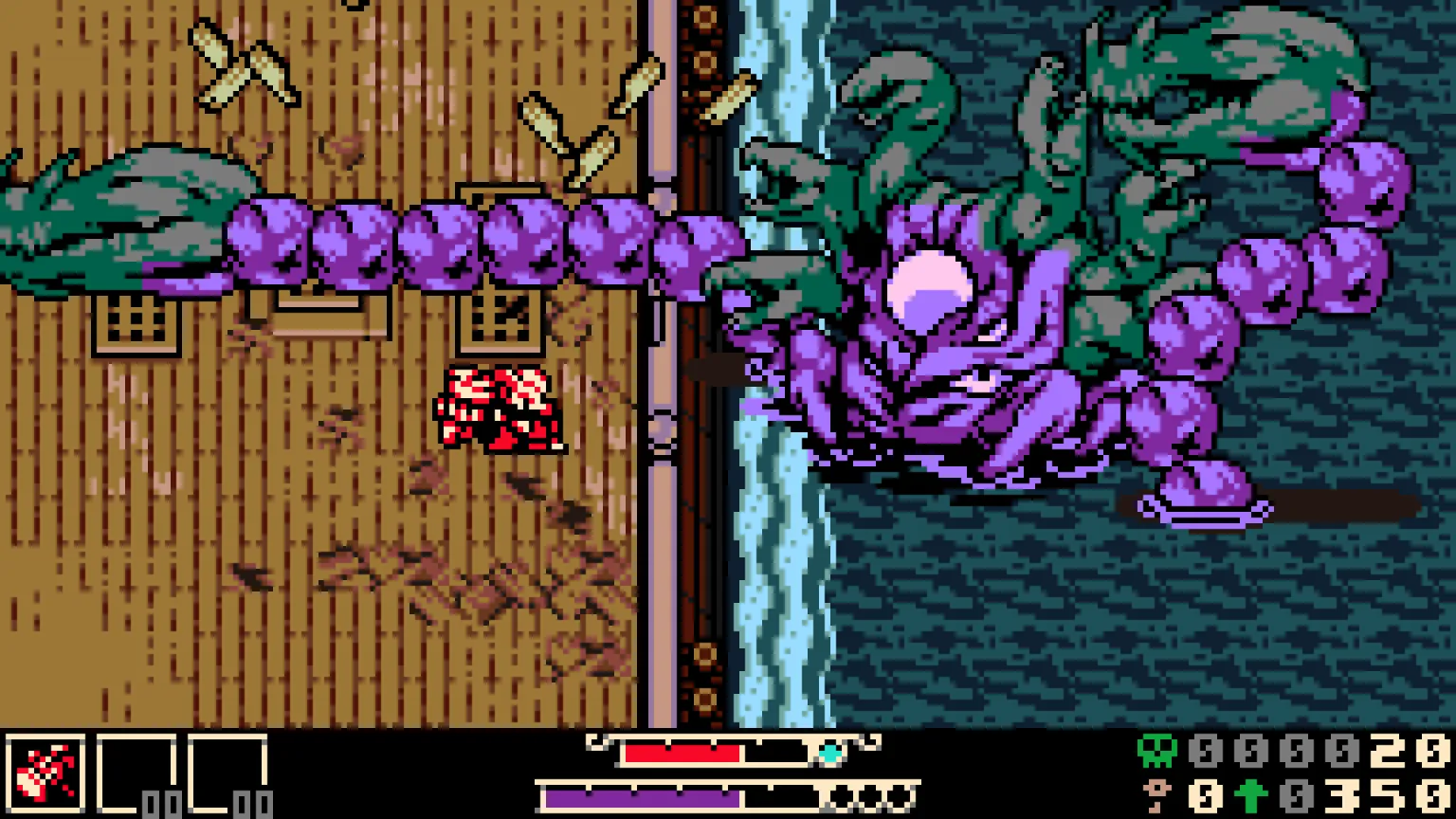
Q: How do you feel about Mina the Hollower so far?
Donovan: So far, I’ve enjoyed exploring the world of Mina, but I’ve found the platforming to be particularly difficult and have flirted with turning off the damage from falling into a pit. I’ve decided to keep the default settings. Other than that, I feel like there’s so much to explore and learn and I haven’t had the chance to really dive into the world’s lore yet. I’ve also been enjoying the combat so far — I’m a big fan of the chain whip.
Sam: After hitting credits and playing roughly 16 hours overall (I’ve gone back to some more side activities), I’d give Mina the Hollower something like a 9/10, maybe even a little higher. Overall, I think where Mina succeeds the most is in how well it balances combat sequences with simple puzzles and platforming challenges. Its somewhat labyrinthine world is chock full of surprises, and every small secret I found always led to something worthwhile. I do think some of the platforming gameplay can be awkward at times, and some boss battles feel especially punishing. Still, Mina the Hollower absolutely nails the feel of a classic Game Boy Color action-adventure title with enough modern flavor that it rarely (if ever) feels clunky or obtuse.
Zack: I’ve played about five hours and I’m not really sure I can give it a score. I really want to like it, I promise! But dang, I can’t get anywhere. It’s frustratingly difficult and despite using some modifiers I’m just not making progress. Every little new area I discover takes so much time and effort that I’m experiencing much more relief in not having died instead of joy in unlocking the next chapter. My play sessions have been short and I’ve rage-quit more than once. I can’t seem to get into a rhythm which is a real bummer.
I’ve hit the pause button on Mina for the time being while I try a few other backlog games, but I don’t want to fully put it to rest. I’m confident there’s enough here to sink my teeth into, but unfortunately I’m not there yet.
Kei: I have finished the game. My final stats were 62% completion (which is measured based solely on collectible count). I died 270 times, though of note I think around half of my deaths were concentrated on three areas in particular, where I died 40+ times. With that context, scoring Mina the Hollower feels extraordinarily difficult, and I think that has to do with the difficulty itself.
[Editor’s Note: Kei is about to go off analyzing the nitty-gritty of the combat. If that’s your thing, keep reading, and if not, please feel free to scroll to the next image and continue reading to see how our writers think Mina the Hollower compares to The Legend of Zelda.]
Difficulty levels have existed in video games for a long time, but even a scale of two or three different difficulty levels provided some level of shared experience. Knowing that I had the ability to adjust the game at any point in many different ways any time I encountered some level of frustration was always a thought that bounced around in my head when I died several times in a row to a particular platforming challenge or felt that a certain boss’s moveset was unavoidable. One could easily argue that this is just a strange mental framework that exists entirely in my head and has no actual bearing on the quality of the game, but sometimes I feel having more options isn’t always a good thing; the extreme modularity of Mina almost makes it feel like less of a game to me and I didn’t enjoy that sword of Damocles hanging over my head constantly. This feeling could exist for any game that has modifiable difficulty levels, but something about the granularity with which it was presented in Mina strongly exacerbated this feeling.
If I had to pick one emotion that I most consistently felt during my playthrough of Mina the Hollower, it would be frustration. This likely speaks more to my inexperience with the top-down 2D adventure/platforming genre than anything else, but I had a tough time with “airborne” enemies and bosses in particular, where I really struggled to understand where enemy hurt-boxes were in relation to the hit-boxes Mina could put out.
With that context, scoring Mina the Hollower feels extraordinarily difficult, and I think that has to do with the difficulty itself.
Kei
Platforming in Mina isn’t imprecise, but there was one type of platforming challenge that is a core part of Mina’s design that I didn’t love, which is the burrowing. Perhaps this is because I played on control stick instead of d-pad, but many of the platforming challenges involve Mina burrowing to avoid hazards, it felt like the main component of “challenge” in these areas mainly comes down to burrowing having such a higher degree of sensitivity (I mean this in the control stick sense) that it forces the player to make mistakes; I wasn’t a fan of the deaths that felt like they came from control stick twitchiness being amped up.
Combat in Mina the Hollower also felt like a mixed bag. I’ll separate boss fights from minor enemies here; the best parts of Mina the Hollower are when you have to micromanage platforming, enemy placement, enemy projectiles, and so forth to fight your way across rooms, particularly when the platforming elements aren’t heavily reliant on burrowing. Boss fights, on the other hand, I generally didn’t enjoy as much. Some were great, but overall I felt like a lot of them basically came down to strafing enemies while burrowing, getting a hit in, and repeating this ad nauseam. Often, I felt like the times I did take damage or die almost felt like inconsistencies in enemy tracking abilities. I do believe that “skill issue” is a valid response to my criticism, though, as I’m sure my cautiousness is largely what prevented me from optimizing my damage output against bosses.
Finally, the game features numerous systems that I felt didn’t serve the player or the game well. After my initial few level-ups, I stopped engaging with the levelling system entirely for most of the game, choosing to hoard my bones; the incremental increases to attack or defense felt largely meaningless in the beginning, and I was able to get through most of the game without levelling up at all. Trinkets didn’t feel particularly impactful until I started rolling with the revive on death/Wanderer’s Gauntlets/extra burrowing time/air dash trinkets, which completely change the way you can approach the game.
While I initially liked the healing system, I think this was also an area where some values could have been tweaked. During boss fights in particular, I found that I never really had the opportunity to heal in a meaningful way, as the animation either took too long or my Plasma buildup almost never reached a level that would actually help me. That isn’t necessarily a bad thing, but it did make the system feel a little half-baked; I again concede that this is probably largely a skill issue and I don’t think any of the bosses felt unbeatable due to this, but compared to your typical soulslike I did find that it completely lacked the tension of needing to find that moment to heal. Similarly, the Spark system also felt meaningless. You only lose bones if you’re out of Sparks, but I never ran out of sparks outside of scenarios where I was challenging a boss repeatedly.
Personally, I did not like the way this game looked or sounded; I muted the soundtrack after several hours (I wouldn’t have done this if I were reviewing the game, to be clear, this was just a personal preference I indulged in). The story was, in my eyes, largely irrelevant and predictable with one sneaky element at the end that I felt was pretty cheap and actively disliked.
I did engage in some postgame collectible hunting and messed around in the new game plus a bit. Doing so mostly calcified the opinions I held about Mina the first time around. One particular element of note is that I’m not sure if Mina feels especially like a Metroidvania or is a game that feels like it particularly benefits from being framed in that structure, nor does the “freedom” the game provides around being able to tackle areas in any given order feel particularly interesting, enjoyable, or liberating. The existence of the air dash trinket, slow-fall trinket, and umbrella sidearm are, to my knowledge, the only real “additional movement” options that the game provides, instead of Mina feeling like a Metroidvania where I noted down branching paths or additional areas that could be accessed if I circled back later, I mostly noted one or two rooms or screens in every area that just required the air dash to access. Gating the sidearm selection tools until mid-game also felt a bit like an error, as the umbrella allows access to certain collectibles or areas, but the effort required to keep a specific sidearm essentially made it so I was too lazy to even try to note these areas down.
If I had to give it a score, I would have to give it a 5 or perhaps even lower. I have to admit that I didn’t like the way Mina looked, sounded, or played, and I didn’t find the story enjoyable or world or writing interesting or enjoyable. It never crashed, though, so there’s that?
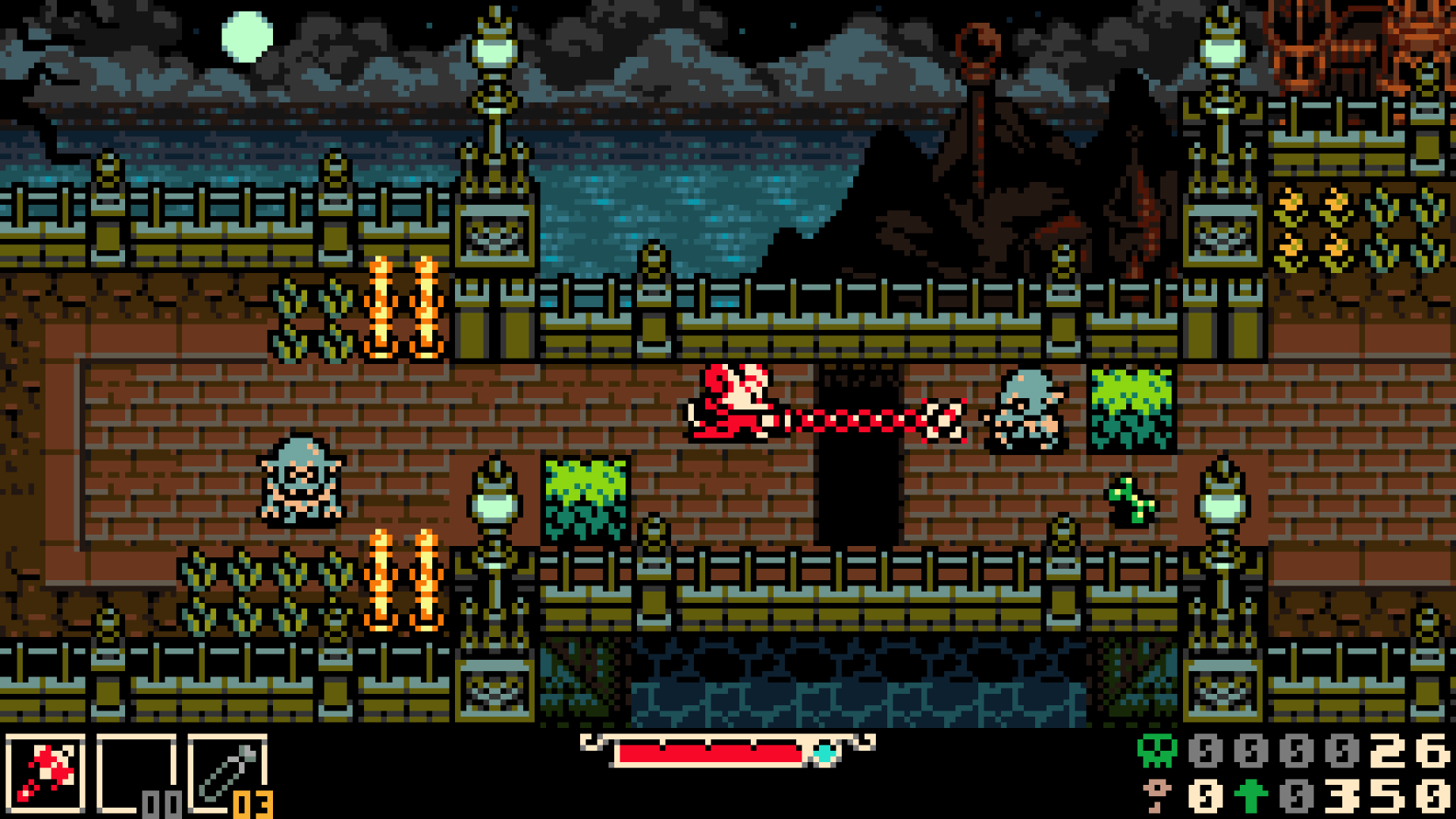
Q: What’s your take on Mina’s world architecture, as somewhat of a Zelda-Meets-Souls situation?
Donovan: I’m weary of soulslikes and the feeling of losing 1,000 bones early on was just as devastating as it is in every other soulslike when you lose all your hard-won currency. I’m not a fan of having to go back to the place I’ve died to get my spark back either because the save points are pretty sparse. I’m not sure what could’ve been done to improve the platforming though. Maybe changing the hit-box on the jump animation or the animation itself. I also find myself lost and wandering around the world wondering where to go next. I have mixed feelings on that too, where a game gives you the illusion that you have a boundless world to explore at your own pace, while simultaneously having extreme difficulty spikes that suggest you’re somewhere new too early.
Sam: The game’s level design is arguably its strongest feature. Each region is intricate and teeming with fun activities and nail-biting challenges, and every single locale has a particular vibe and character to it that goes far beyond aesthetics. The enemies and terrain-based hazards of Nox’s Bayou share basically nothing in common with those of Queensbury Crypt and Bone Beach. Much like different Zelda dungeons, Mina the Hollower‘s regions make you feel like you’re in an entirely new world each time you visit them.
The game’s level design is arguably its strongest feature. Each region is intricate and teeming with fun activities and nail-biting challenges, and every single locale has a particular vibe and character to it that goes far beyond aesthetics.
Sam
Moreover, the hub town of Ossex feels like a puzzle box in and of itself, with myriad nooks and crannies full of exciting secrets and even optional boss fights. Some of my favorite little moments and challenges in the whole game occurred in Ossex, and I wouldn’t be shocked if I still had a lot more to find there.
Zack: I’m a huge Zelda fan, but have never played a Souls game. As someone who knows very little about the mechanics of those titles, all I’ve gathered over the years is that they’re hard and you lose resources when you die. That’s probably a massive oversimplification, but like, is that really so unique? I feel like every game these days is called a Souls-like and I’ve seen the consequences for death vary greatly across titles. For me, this seems like a very standard fare classic adventure with some significant challenge and engaging gameplay.
Kei: I’m probably the wrong person to ask this question to, as despite being a Dark Souls aficionado, I’ve never cared much for the interconnected world design of Dark Souls. The fact that you can access the Undead Parish and Blighttown and the Valley and so on so forth in some manner was never been point of appeal to me; if Dark Souls was a metroidvania, for example, this would have been relevant, but you never unlock additional movement techniques in Dark Souls, so what’s the point? In fact, I find it almost always explicitly frustrating to find a room that is clearly gated by something I don’t currently have access to, having to note it down and then spend 10 minutes navigating my way back there once I’ve unlocked that ability just to track down some minor reward has never been enjoyable to me. Likewise, Mina‘s approach to world design is something that I can appreciate externally, but I have no real desire to engage with mechanically. If I loved this game enough to replay it, doing a reverse route or something like that might be really fun, so in that sense I applaud the developers for going that extra mile when 95% of players are likely to follow the route outlined by the game itself, but this isn’t an element that resonated with me.
The design of the worlds themselves I also didn’t care for, but this speaks more to my bias against pixel art more than anything most likely, I just find it very difficult for pixel art to be evocative for me, or at least for “modernized” attempts to recapture SNES-era pixel art to do so. Perhaps that is just a reflection of my older, cynical self — I didn’t have such issues with Final Fantasy VI, after all.
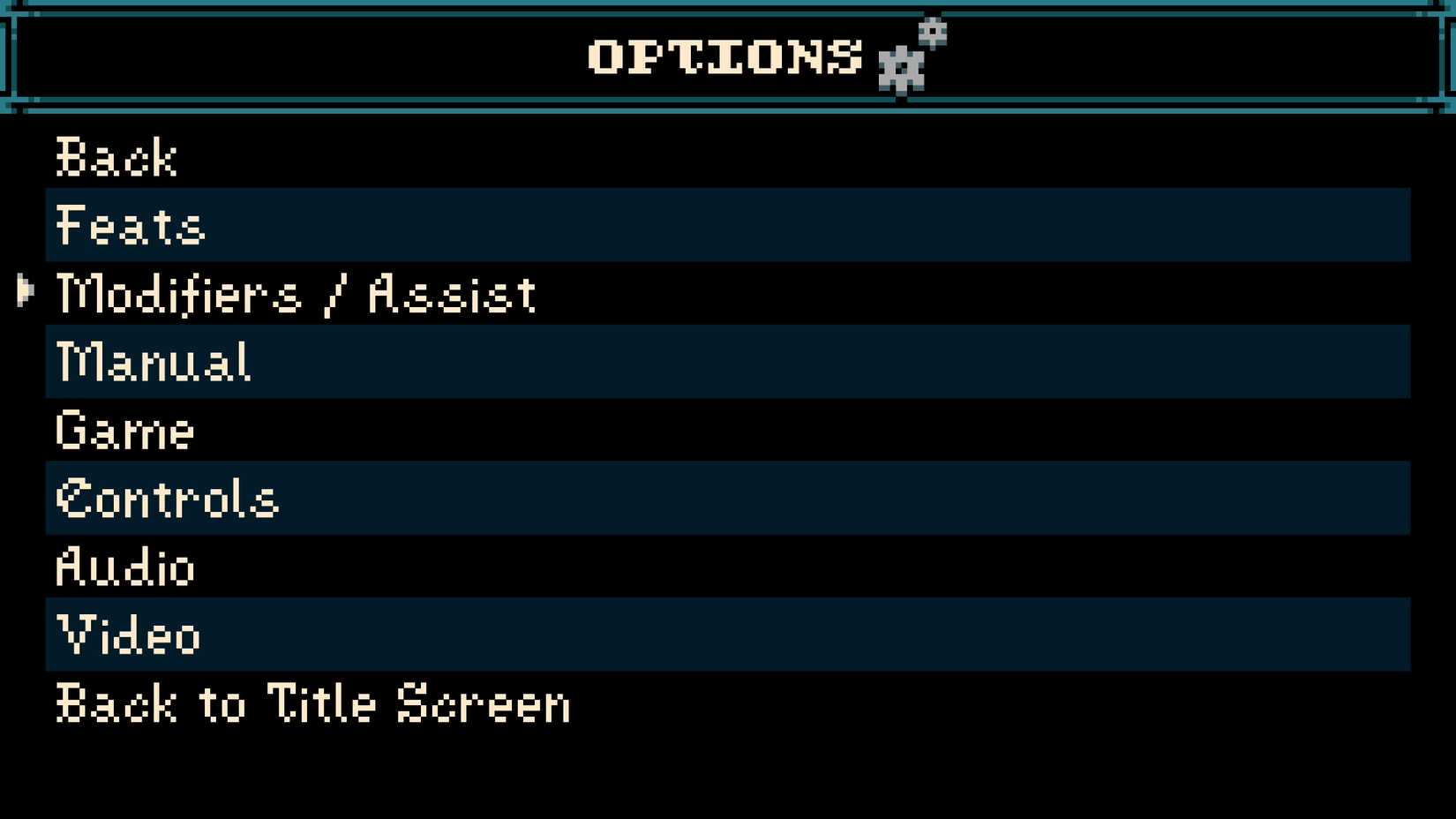
Q: What’s your take on the game’s approach to difficulty? Moreover, how do you feel about the optional modifiers?
Donovan: I have mixed feelings on this. It wasn’t made clear to me in-game that the modifiers even existed and I had to find out about them from an outside source. Plus, they just seem like cheat codes by another name. But if they help others enjoy the experience more, I’m all for it! I’m a big fan of accessibility. However, I’m more inclined towards the developers’ intended difficulty settings.
Sam: I’m always in favor of giving players as many gameplay options as possible, and not just for accessibility purposes. As long as the game communicates in some way what the “intended” version of the experience is, it’s fine by me if players want to alter aspects of the game to make the experience more enjoyable.
To be frank, I applied a couple modifiers early in Mina the Hollower and never turned them off (namely, I turned off pit damage and turned on flowers providing some health). Doing so made the whole experience much more palatable for me without removing challenge entirely (I still died many times, and some boss fights made me want to tear my hair out). What I particularly appreciate about Mina‘s approach is that turning on any of these modifiers just locks you out of obtaining “feats” (in-game achievements), and otherwise never indirectly judges players for choosing easier options.
Also, some of these modifiers are just plain fun! I love all the mods that make the game kookier, like one that makes Mina dance whenever she’s not moving or another that changes the color palette every time she takes damage. Honestly, I think it’s a great step forward for gaming to include these kinds of alterations alongside ones that tone down the difficulty, basically telling players, “You can do what you want! Have it your way!”
Zack: Unfortunately, this is where the wheels fell off for me. This game is too damn hard. I wanted to go in pure and not use modifiers, but even just a few hours in I had to relent and turn some on. I figured there might be some ramp up, but I was dying almost immediately and things were only getting harder. My weapon feels completely powerless against most enemies, whereas every tiny bump from them causes significant damage. In theory I don’t mind the health recovery system where hitting foes allows you to recharge, but in practice it’s very difficult to get the timing down and avoid damage while healing. I did attempt to fix that with a modifier where the delay is shortened, but I’m still taking so many hits it really didn’t have a significant impact.
The one modifier I’ve felt made a difference is infinite burrowing. As a “Hollower,” Mina can burrow underground, but only for a limited time. That just seems silly to me from a logic perspective, so turning on the modifier almost felt like fixing a bug that the game didn’t address. Now I can stay underground to avoid enemies, which has been a huge boost to my time in between death. The only problem is I’m spending 90% of the game burrowed and not really engaging with the environment in any meaningful way. I’ve yet to find the sweet spot here, but I’m hoping there is one to be discovered.
Kei: I did not use any modifiers, and frankly I enjoyed the game much more when I didn’t know they existed (which was the first few hours of the game). The fact that at any point, I knew that if I was getting frustrated or struggling that I could just tune the difficulty down to a manageable point just felt like an albatross around my neck. Ultimately, though, I concede that this is all a skill issue on my part.

Q: What have been some highlights?
Donovan: The highlights have been the beautiful sprite animations. The chaotic intro sequence sucked me in right away. Plus, the soundtrack is full of chiptune bangers.
Sam: There’s so much to love about Mina the Hollower, from the simple yet varied combat options, it’s wide array of equippable trinkets, and its gorgeous, pixelated visuals. If I had to pick just a couple highlights, though: I don’t think I’ve played any game with regions/dungeons quite like Septemburg and Astral Orrery. Some of my favorite (and most terrifying) moments in the whole game occurred in those places, and my only regret is that I can’t experience them for the first time again.
Another thing I’d like to highlight: The story is pretty moving, with some truly lovable characters, genuinely funny moments, and an ending that’s simultaneously grim and hopeful. Every narrative development feels earned, and some plot moments were fairly affecting in ways I did not anticipate.
Zack: It’s tough for me to pick a certain moment or section of gameplay given the difficulty I’m having with it, but the presentation overall is a definite highlight. The visuals have a distinct charm and exploring the first town is a delight due to the variety of characters, shops and secrets to discover. A pet peeve of mine is open world games nowadays feeling empty and soulless. You can make the world as big as you want, but if it isn’t filled with anything there’s no point. A game like this shows that you don’t need a massive map to have engaging relationships, impactful side quests and plain old fun.
I think I also appreciate the massive menu of modifiers available, but I’m a little torn. On the one hand, I’ve never seen a game that offers such a robust customization suite. Being able to tinker with exactly how you want the game to be means everyone should be able to at least get something out of Mina the Hollower. At the same time, it feels a little silly that the game is so obtuse in some ways that there needs to be pages and pages of opportunities to fix it. Eventually you’re just playing a different game than was intended and every player is having their own experience. It’s an interesting dichotomy, but ultimately I think choice is a good thing.
Kei: In this way, Mina felt very similar to Dark Souls — the most enjoyable parts of this game to me were the boss fights against humanoid enemies. Aesthetically, there’s a boss fight that takes place atop a running train, which is one of my favorite tropes ever (shout out to Paper Mario: The Thousand Year Door), which was also a highlight even if the boss itself was pretty uninspired.
Q: What have been some lowlights?
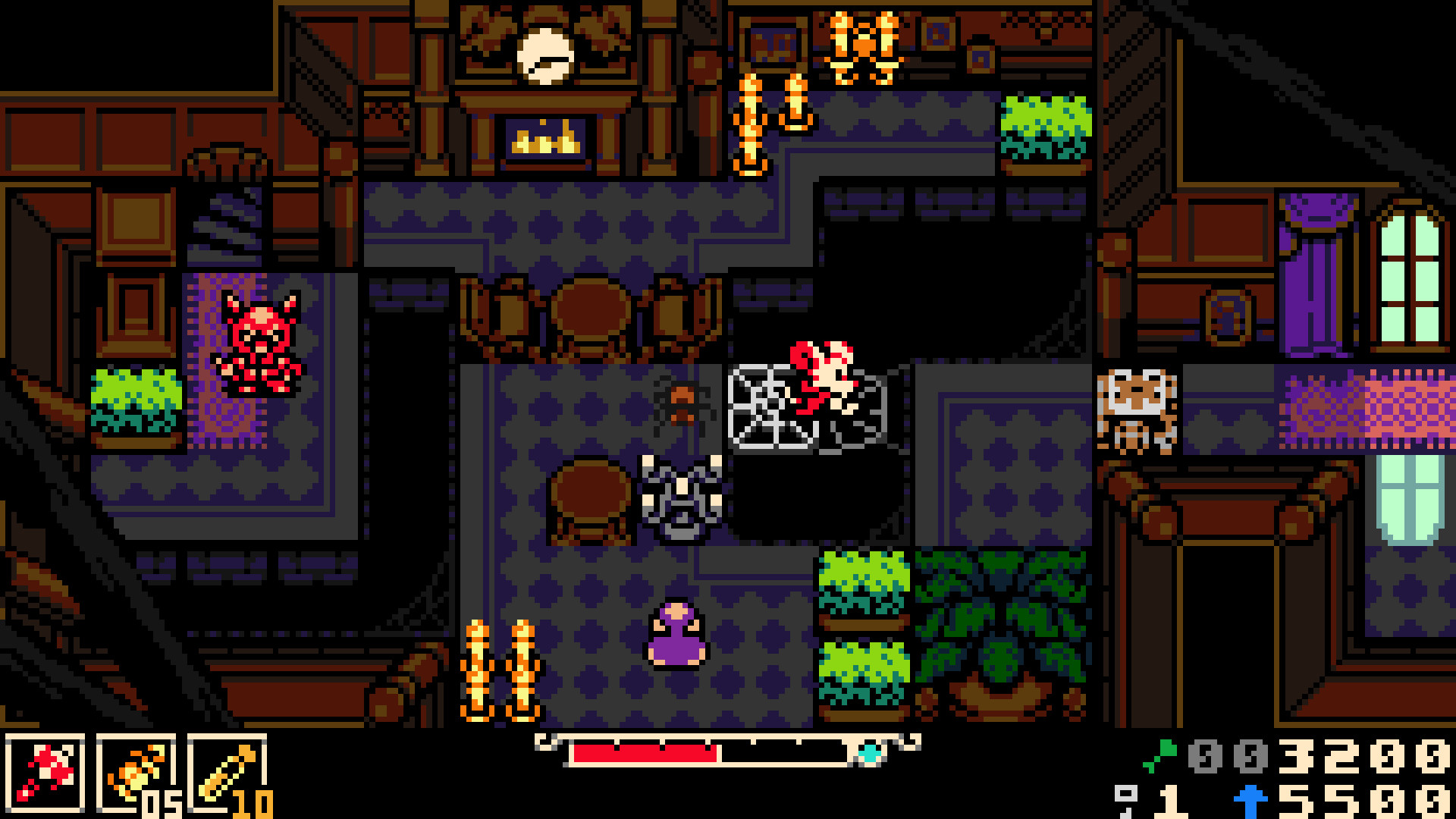
Donovan: The platforming is brutal and punishing. The difficulty spikes are unexpected and I wish I had more direction on where to go and what to do next. Plus, it never feels like I have enough bones.
Sam: I think 2D, top-down design fundamentally makes platforming gameplay especially difficult to nail down. Once I turned off pit damage it was less of a problem, but there were still sequences where I couldn’t tell if I was doing something incorrectly or if the controls needed to be a little more fluid for something to work.
Also, I’m not sure if this is actually an inherent flaw or just a matter of my own skill set as a gamer, but it felt like there was a wide disparity of challenge between major boss fights. In some cases, I beat them on the first try. In others, I needed at least a dozen attempts. I’m not sure if what I’m talking about is actually a real problem or just says something about me, but it struck me as a little odd.
Zack: Controversial take incoming… I can’t stand the music. I turned it completely off and felt so much better exploring in peace and not constantly being bombarded with hectic noise. I haven’t experienced the wide variety of tunes I’m sure are present throughout the story, but the ones I did hear were far too chaotic and combined with the frustrating, ever-present threat of death I’ve been overwhelmed from the jump.
Kei: I really, really did not like the music.
Q: Do you plan on 100%ing the game at any point? Why or why not?
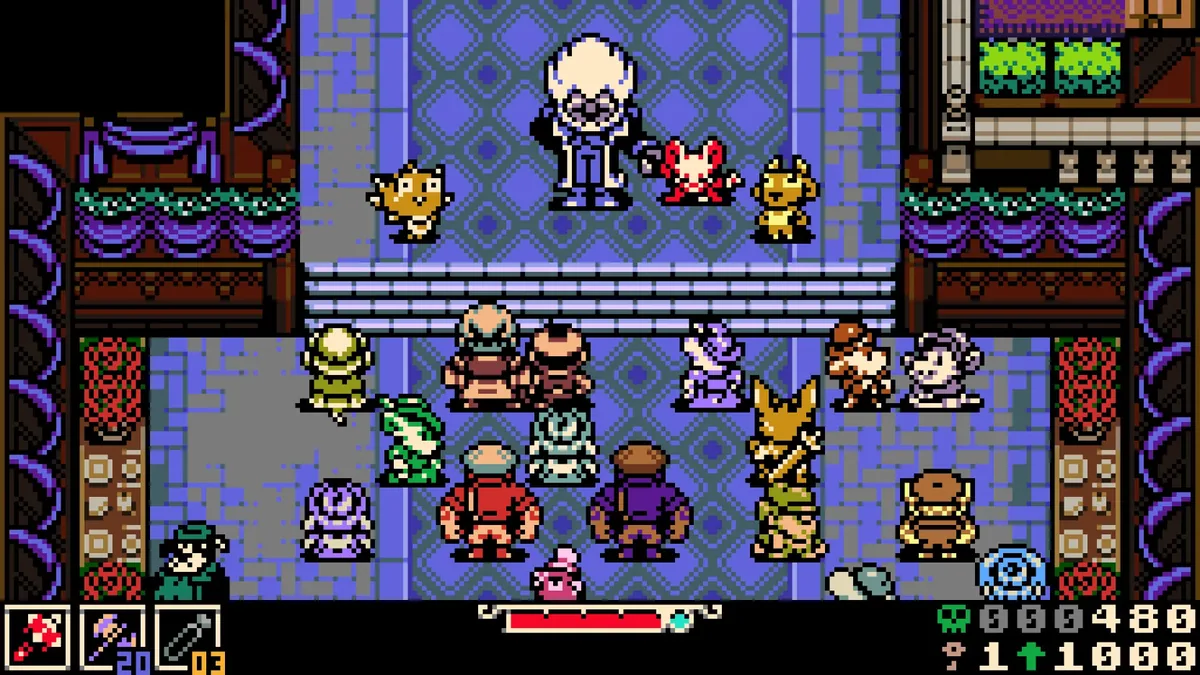
Donovan: No, I have no plans right now. I haven’t been sucked into the world enough to want to dedicate that much of my life to it. But that’s not necessarily this game’s fault. I can count the number of games I’ve 100%ed on one hand.
Sam: Probably not. I’m just not really a completionist at heart. That said, I do plan on playing around with the game a little more even after beating the main story. There still seems to be plenty more to do!
Zack: I’d love to. I’ve been in a rut lately with games in general and I can’t seem to find the perfect one to scratch the itch I have. I was hoping Mina would be it and I do think the bones (get it?) are there for me to really enjoy the adventure if I try it at the right time. Maybe I’ll start over with a different weapon or modifiers and do my best to keep an open mind.
Kei: 100%, probably not, just because Bonestone Gems are counted in the collection count, but I might go for 100% everything else except for the fish. (From my count, it’s only 46 collectibles if I ignore the fish and Bonestone Gems.) I’m also missing a few secret bosses, so may I get around to those as well. Playing Mina for me is more of an exercise in engaging with the 2D action-adventure platformer genre with fresh eyes more than me enjoying the game, so I might as well go for the whole experience.

Q: Is Mina the Hollower a serious Game of the Year contender, in your mind? Why or why not?
Donovan: I think so actually. Indie games have been going hard lately, offering providing far more bang for their bucks when compared to AAA titles. It has all the right ingredients, hype, engaging gameplay, gorgeous sprite-based art design and an intriguing story. But there’s some tough competition this year.
Sam: Absolutely! If I’m being honest, Mina the Hollower is (as of time of writing) the only 2026 game I’ve played that I’d feel comfortable calling my Game of the Year. I’ve played plenty of very good titles, but Mina feels particularly special in ways Pragmata, Resident Evil Requiem, and Pokemon Pokopia do not. I’d be shocked if nothing else resonates with me quite that way for the remainder of this year, but for now, Mina the Hollower is far and away the best game of 2026.
Zack: Of course I can’t necessarily say so based on my experience, but it certainly appears to be generating enough hype to feel like a contender. It’s funny to see when different genres or styles create buzz like this, with Mina being such an old school type of experience. My dad noticed me playing and asked when it came out and I said, “This week!” It’s familiar but modern, and I do think people can be suckers for that kind of blend where nostalgia meets something new and exciting.
Kei: It’s a widely reviewed game with a 91 on Metacritic, so yes. Of course it is. Would I personally consider it? No. I did not find it enjoyable.
Is Mina the Hollower Good?
Most of us think so! But how do you feel about Mina the Hollower? Let us know in the comments!
Mina the Hollower was developed and self-published by Yacht Club Games, and released on May 29, 2026 for PC, PlayStation 5, Xbox Series X|S, Nintendo Switch, and Nintendo Switch 2. MSRP: $19.99.

A video game outlet that blends quality words with inclusive voices. For business inquiries and review requests, reach us at press [at] punishedbacklog [dot] com.




Sam has been playing video games since his earliest years and has been writing about them since 2016. He joined The Punished Backlog in 2017 and became an Editor in Fall 2021. He’s a big fan of Nintendo games and complaining about The Last of Us Part II. You either agree wholeheartedly with his opinions or despise them. There is no in between.
A lifelong New Yorker, Sam views gaming as far more than a silly little pastime, and hopes through critical analysis and in-depth reviews to better understand the medium's artistic merit.
Bluesky: @sam-martinelli.bsky.social


Donovan is a lifelong gamer with a love for fast-paced, single-player action games—especially Devil May Cry, Metroidvanias, indies, and action RPGs. He’s also an “advanced scrub” at fighting games and will play just about anything fun. Donovan is passionate about seeing more diverse characters and creators in the industry—or at least better hair options for Black people. With over a decade in journalism, he joined The Punished Backlog in 2023 to write more about what he loves. Follow him on Twitter and Instagram @dono_harrell.




Zack has been hooked on games ever since his older brother taught him where to find the secret warp whistles in Mario Bros. 3. He has never felt more joy than when Yoshi congratulated him on getting 120 stars in Mario 64 or more sadness than when he played Kingdom Hearts 3 after waiting 14 years for it. Zack mails a letter to Nintendo every day asking them to bring back Chibi Robo and will gladly tell you all about why it’s one of the greatest games of all time. He was hoping that writing for the site would help him get through his backlog, but it actually just made it worse now that he’s hearing about so many more great hidden gems. Oops…




Huge video game, comic book, and anime fan. Spends way too much time watching things he doesn’t like. Hates Zack Snyder. Mains Falco.

1 Comment
Played through the whole game. A lot of fun, and I’m very glad for the difficulty modifiers. However, it desperately needs better maps.