
We love a good metroidvania game here at The Punished Backlog, and 2025 has been particularly kind. From tried-and-true sequels like Ender Magnolia: Bloom in the Mist and Metroid Prime 4, to cerebral titles like Blue Prince, to, of course, Hollow Knight: Silksong, it’s been a terrific year for backtracking through hallways and getting wonderfully lost.
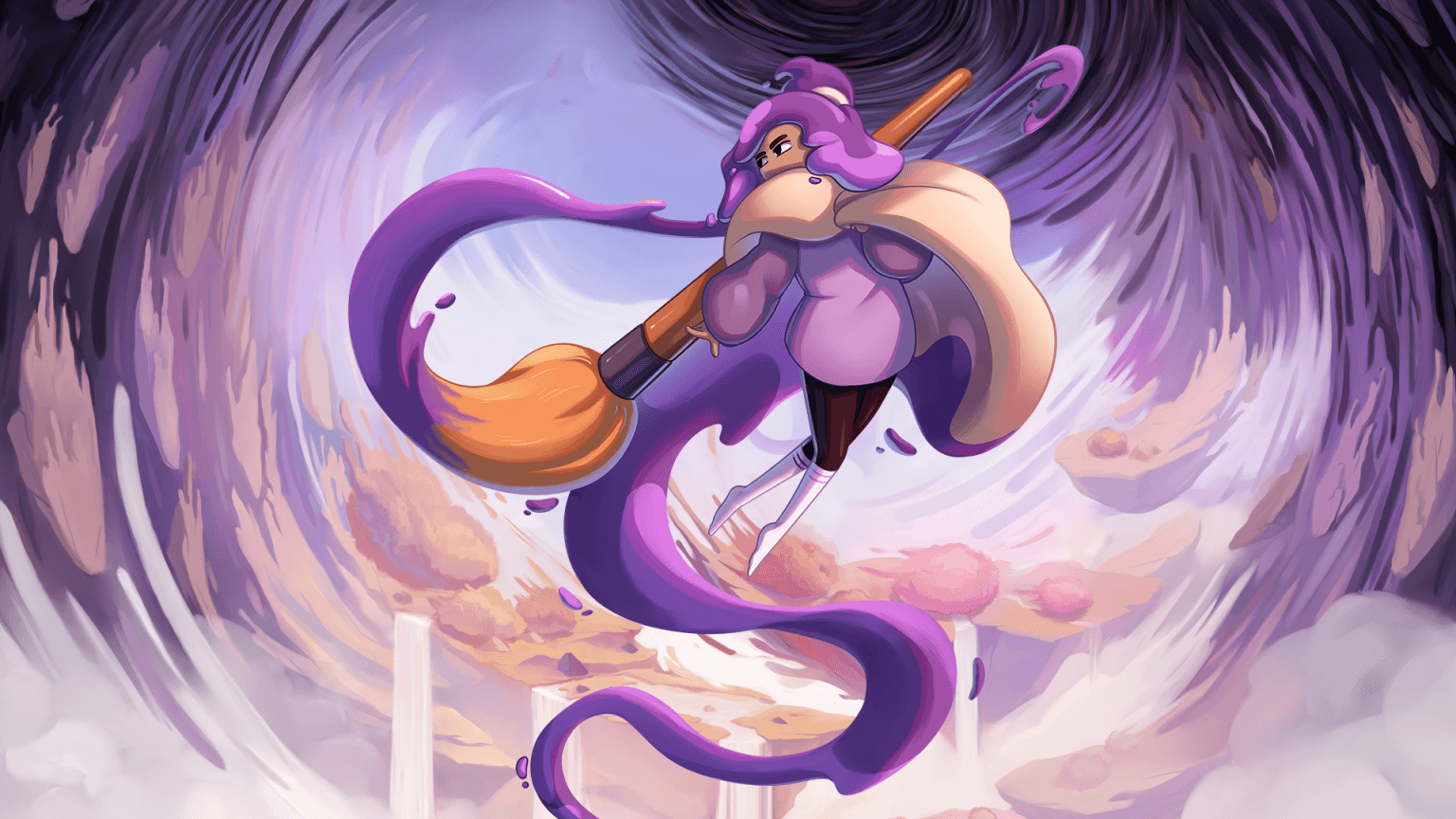
In May, long before Hornet’s and Samus’ latest journeys, I played a metroidvania at PAX East 2025 that instantly hooked me. That game was Constance, developed by German studio bildundtonfabrik (btf). Blending the acrobatics of Hollow Knight, the dark-but-hopeful messaging of Celeste, and even a touch of Nintendo’s Splatoon, Constance impressed me from start to finish of my lengthy demo time.
If only that demo painted the full picture. Half a year later, having played the whole game and seen how it stacks up to the field, I’m far more split in my evaluation. Constance brings many great ideas to the fold — from a tender story to creative bosses — but is dragged down by difficulty spikes, lukewarm level design, and a frustrating in-game map. The issues don’t derail the game, but they keep Constance from being the classic it could’ve been.
“Art Is a Lie That Makes Us Realize Truth” – Picasso
Constance opens with a scene that’ll spook every remote worker out there: two computer monitors, brightly lit against the darkness of a bedroom, with a surge of email and push notifications from various colleagues and clients.
Immediately, the game rolls its opening credits, which sees the titular heroine, Constance, falling into a deep slumber and awakening in a magical forest. Here, removed from the stressors of her daily life as an artist, Constance can breathe again.
During a quick tutorial section, which tasks players with some light platforming, we see on-screen dialogue from a mysterious narrator. Descriptors like “As she reached the edge, she dared to leap” and “Certainly, she shouldn’t proceed on this path?” help paint the canvas that is Constance’s inner psyche.
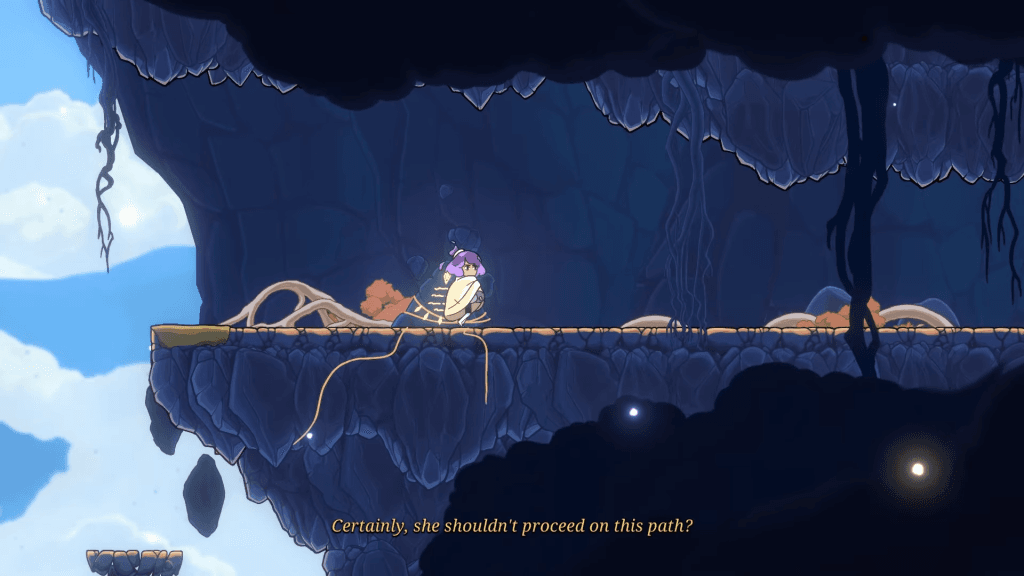
Eventually, the voice in Constance’s head turns antagonistic, and she succumbs once again to darkness. Upon waking this time, however, she encounters an NPC, known simply as “Frida,” who arms Constance with a magic brush she can use to fight back against the darkness in her head and make her way back home.
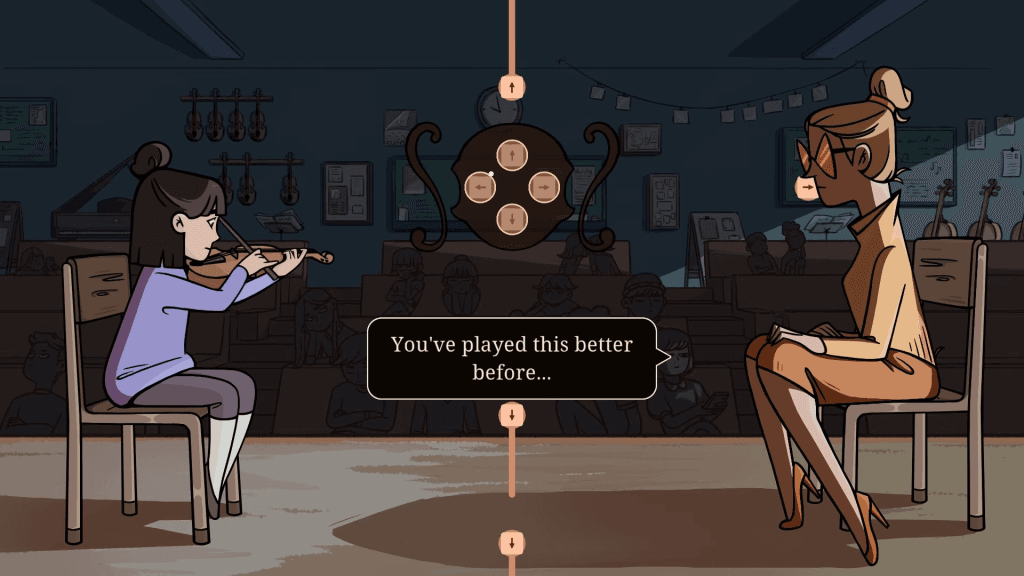
It’s a pretty standard coming-of-age story, all told. Where Constance stands out, though, is in its admirable take on mental health and real-world struggles. At various points in her adventure, Constance will think back to pivotal moments in her life: a violin concert from childhood, an afternoon sifting through a photo album, and so on. The common theme in these visual novel-esque vignettes is self-doubt — from the constant pressure to improve, to the fear of not being good enough.
Constance hits you where it hurts and leaves you wanting more.
The more you play through Constance, the more you learn about her stresses and the harder the emotional beats hit. By the end, I found myself relating to her struggles and wishing for a positive resolution. While I won’t spoil specifics, Constance hits you where it hurts and leaves you wanting more — in a good way.
“I Am Happy To Be Alive as Long as I Can Paint.” – Frida Kahlo
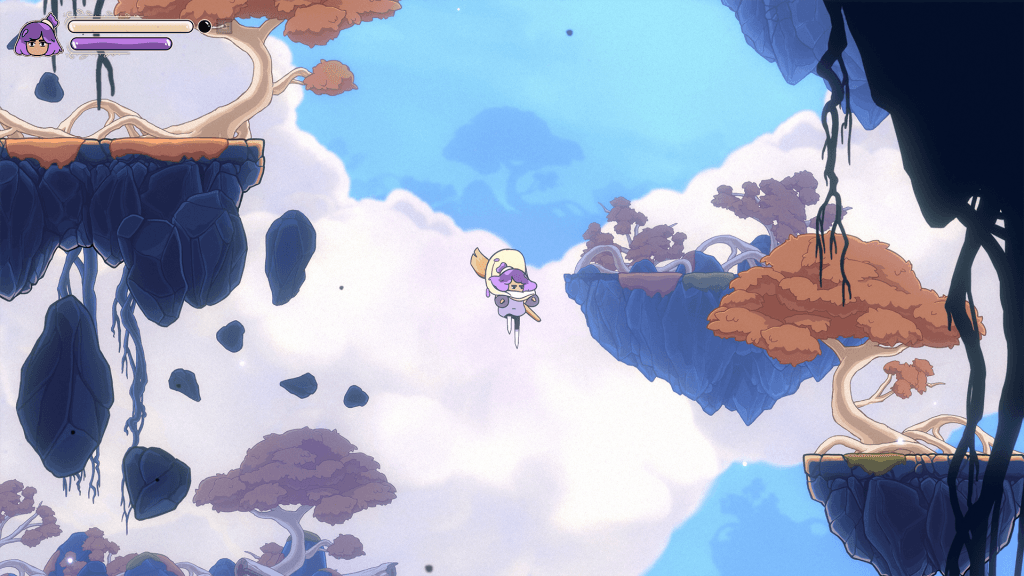
Once you gain access to your magical brush, Constance begins to dole out its other tricks in the typical metroidvania drip-feed you’re accustomed to. Within the first hour, you’ll gain access to a dash move that lets you slide up and down walls as if out of Splatoon; meet a sentient camera who gifts you “snapshots” you can use to mark collectables on your map a la Prince of Persia: The Lost Crown; acquire health and paint (i.e., stamina) upgrades, and more.
Once you clear the first real biome — complete with end-of-area boss fight — you’ll arrive at the game’s hub. This is where Constance really gets going. From here, you can engage with various vendors, take on side quests, and, most importantly, venture out to new zones.
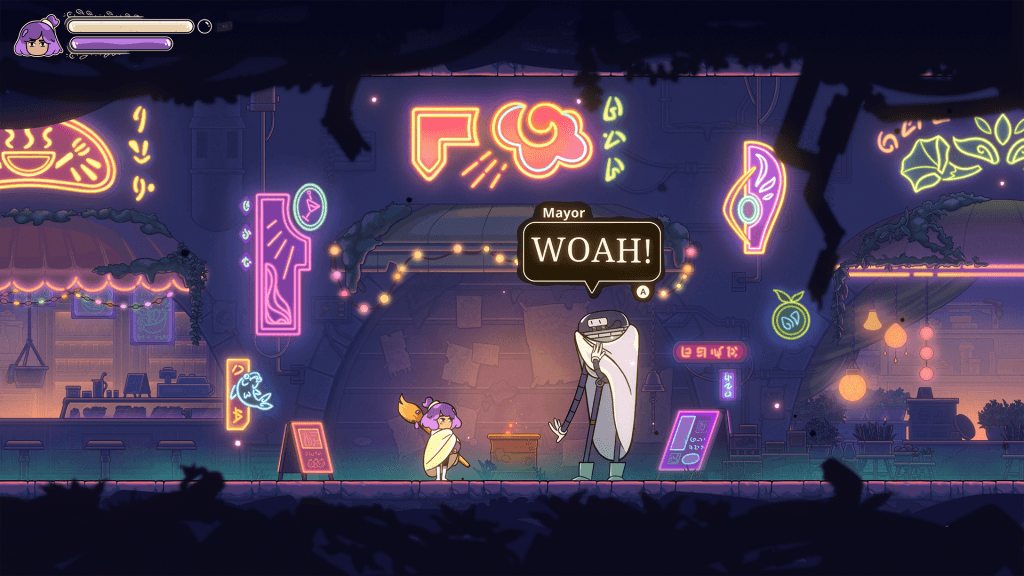
Each zone can be tackled in a non-linear fashion (think The Legend of Zelda: Breath of the Wild), which allows for a degree of freedom as you chart a course through the game’s sprawling map. Along the way, you’ll rest at save spots; swap between various Hollow Knight-esque charms; navigate treacherous, kaizo Mario-inspired platforming sequences; and chug health flasks, Dark Souls style.
If it feels like I’m listing off an awful lot of game comparisons, that’s because I am. As much as I enjoyed Constance’s narrative, that’s about the only unique thing about the game. Everything, from the Hollow Knight bones to the Lost Crown photo mechanic to the Zelda layout, has been done elsewhere before.
As I traversed each of Constance’s six biomes, I found comfort in the well-trodden formula.
That’s not necessarily a bad thing. As I traversed each of Constance’s six biomes, I found comfort in the well-trodden formula. The game’s paint meter — which drains as you use various abilities — adds a welcome bit of flavor, challenging players to manage their dash (and other moves I won’t spoil) at the risk of temporarily zapping Constance of her power and damaging her health bar. Otherwise, though, this is about as standard of a metroidvania as you’ll find.
“We Don’t Make Mistakes, Just Happy Accidents” – Bob Ross
If that were where my critiques ended, Constance would have been a solid game made great thanks to its hard-hitting narrative. Sadly, that isn’t the whole story.
Perhaps the game’s cardinal sin is its approach to difficulty. While navigating the world, I felled enemies to shockingly little resistance. Where Hollow Knight or The Lost Crown challenged players not just with precision platforming, but with challenging combat, Constance opts just for the former, dulling its edge.
It doesn’t help that levels are rather bland, with simple layouts exacerbated by the game’s open-ended style. (Yes, you can tackle areas in any order, but that also means a less interconnected world on the whole.) That isn’t to say traversal is easy; there are quite a few sections that will test your platforming mettle. These sequences are typically optional, allowing extra challenge for those seeking an out-of-reach collectable, similar to strawberries in Celeste.
The game’s cardinal sin is its approach to difficulty.
Not optional, however, is the challenge of deciphering the game’s map, which ditches the detailed schematics of games like Metroid Dread in favor of vague shapes with little guidance. Eventually, I got the hang of it — one vendor upgrade in particular makes the map much more tolerable — but there’s a definite learning curve to Constance that drags down the early hours.
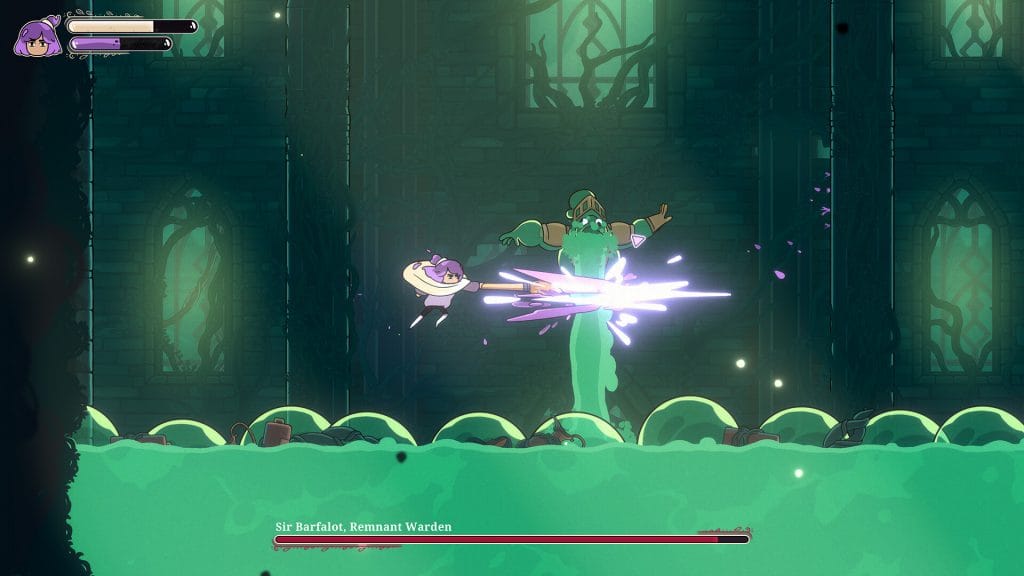
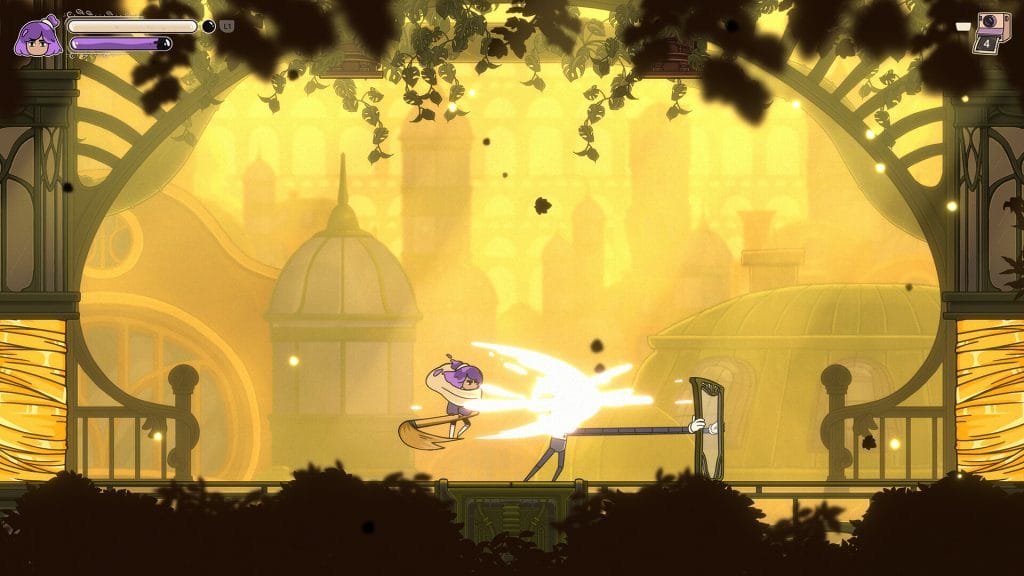
At least the map woes were temporary; the biggest difficulty woes became apparent each time I entered a boss room. Where Constance’s regular-old enemies stray closer to the land of Kirby than Hollownest, the bosses feel straight out of a Miyazaki FromSoftware title. From an aggressive slime monster to a jester piloting an invisible deck of cards, the bosses of Constance are equal parts ingenious and infuriating.
Constance often feels like an identity crisis set to music.
In a vacuum, I enjoyed these fights. Despite being overtuned, they challenged me to engage with the game in a way the rest of Constance rarely did. The problem, though, is the juxtaposition: One moment, I was breezing through a magical library; the next, I was cursing after getting gobbled up by a giant whale. Couple these difficulty spikes with the narrative — which preaches the importance of self-care — and Constance often feels like an identity crisis set to music.
“I Dream of Painting and Then I Paint My Dream” – Van Gogh
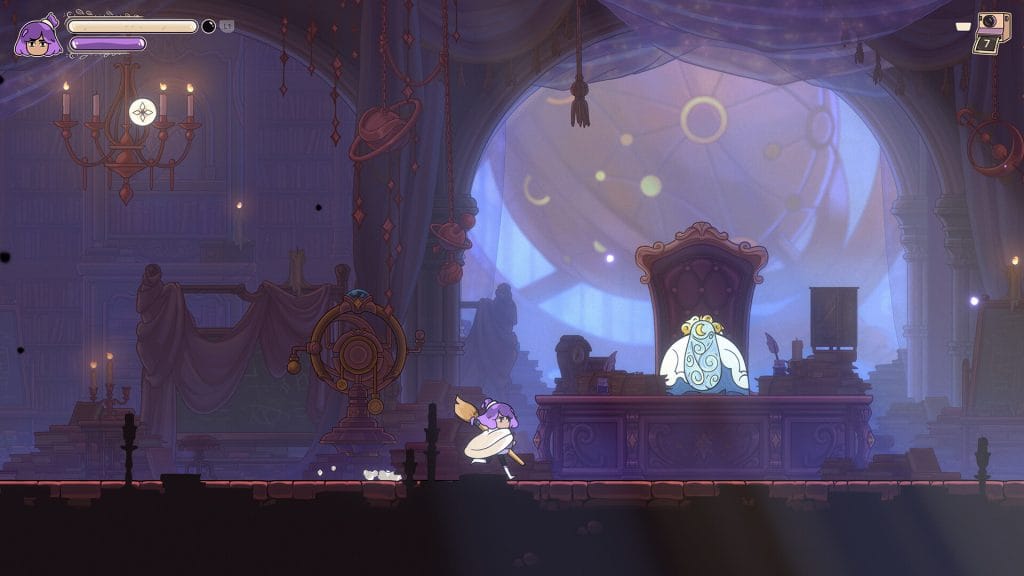
In a game about art, it stands to reason Constance would look the part — and it doesn’t disappoint. The game sports a colorful, hand-drawn style that wonderfully showcases Constance’s painterly powers. Attacking with your brush is satisfying, sliding over surfaces never gets old, and enemies each display a charm that accentuates the world they inhabit.
The music is equally impressive, with expressive orchestral tunes that beautifully capture the scale and whimsy of our heroine’s adventure. From the upbeat sounds of Floral Foundry to the ambience of Janky Junction, the soundtrack (composed by Tiago Rodrigues) succeeds at bringing out the uniqueness of each biome.

“To Create One’s World in Any of the Arts Takes Courage” – Georgia O’Keefe
Constance is a game that’s tragically at odds with itself. Its story feels like a warm blanket, but its boss battles are a trial by fire. Its world is vibrant, but its map is cumbersome. Perhaps that’s the point — that finding solace takes pain, perseverance, and self-determination. I can respect the vision, but I’m just not sure the final product did that vision justice.
If you loved the grind-it-out mentality of games like Celeste and Ori and the Will of the Wisp, you’ll likely vibe with Constance. If you’re looking for a game to enjoy post-Hollow Knight: Silksong, it might also scratch that itch. But for all others, including those who probably would benefit from its message most, I fear the barrier to entry might be too steep.
I admire the effort put into Constance and commend bildundtonfabrik for treating the mental health crisis with the care and compassion it deserves. If ever the team created a sequel, this canvas could really take flight. As is, Constance is a good oeuvre that could’ve been great.
Score: 7.3/10
Constance, developed by btf and published in partnership with ByteRockers’ Games and PARCO GAMES, was released on November 24, 2025, for PC (via Steam). A release for PlayStation 5, Xbox Series X/S, and Nintendo Switch is planned for 2026.
MSRP: $19.99. Version reviewed: PC (via Steam Deck). Time played: 11 hours with 90% completion.
Disclaimer: A review code was provided by the publisher.

David is the founder of The Punished Backlog. He has a problem finishing games he starts.
Just beat: Splatoon Raiders.
Working on: GTA V.
Can't wait for: Ocarina of Time (2026), GTA VI.
Follow David on Twitter at @David_Silbert to keep up to date with all things The Punished Backlog.