

Eight years into writing these “Best of” lists for The Punished Backlog, I’m finding it increasingly hard to come up with these introductory rambles. It’s not that I don’t have much to say this year (I do), or that I didn’t play terrific games (I did). The issue, rather, is that I’m terribly afraid of repeating myself.
On the surface, 2025 is just like all the years before it. Great games came out. Studios crunched on their dream projects only for many, many people to get let go. Publishers continued to consolidate, trim costs, and do all-around shitty stuff. And that’s before I mention Microsoft, whose $80+ billion (yes, with a “b”) investment in AI and willingness to aid and abet the Israeli state has contributed to lost livelihoods and lost lives.
It’s a grim meta, and 2025 is hardly the first year I’ve had to write, “Yo, this timeline kinda sucks, y’all.” There aren’t words that can fill the heartache that a person feels without a stable job this holiday season, or that a family in Gaza or Ukraine feels without a stable roof over their heads. Instead, I can only call attention to the madness, encourage you to donate where possible, and — given money is tight enough — ask that you vote with your wallet. Cancel that Xbox Game Pass subscription. Purchase games made by real humans with real mouths to feed. Prepare for 2026, and have a plan to vote in the U.S. midterm elections. That’s the only way things change.
Looks like I had an intro in me after all. As always, thanks for indulging me. Now let’s get on to some games.

Highlighting the Best (and Worst) Games of 2025
For those unfamiliar with my end-of-year lists, I like to keep things fresh. In 2018, I did a tier list. The next year, I had just two games worth celebrating, while in 2020, I ditched the celebrations altogether. From 2021 to 2023, I found a little groove, recapping “my favorite things” across not just games, but television, movies, and music. That tradition came to a halt after my 2023 list totaled nearly 7,000 words — to say I burned myself out was an understatement.
In 2024, I went back to basics with a traditional top 10 games list, which soothed my aching writer spirit. So, this year, I’m challenging myself again, though not in a way I’ve done before.
I’m ranking every single game I played in 2025, from worst to best.
This isn’t an original idea: Punished Backlog alum PJ Manning did this back in 2018, and current staff writer Zack Gulinello revitalized the format in 2023. But the format has always appealed to me, so I’m excited to give it a go for 2025!
Some ground rules:
- As stated, I’ll be ranking every video game I played in 2025.
- Unlike PJ’s list, which included ports, and Zack’s, which included games from any release year, I’m sticking with new games that debuted in 2025.
- To avoid a repeat of 2023, my blurbs will be brief to start and grow in length as we get closer to the top. (Editor’s note: He was not, in fact, brief.)
- As with past lists of mine, I have not completed every single game listed. I’ll disclose playing time where applicable.
- I highly encourage you to check out the rest of our Best of 2025 lists, plus our official game reviews, before deciding whether to purchase and/or play a game for yourself.
All right. Let’s get to it!

Every 2025 Game I Played, Ranked Worst to Best
Want to read my thoughts on a specific game? I’ve got you covered:
- Absolum
- Avowed
- Bionic Bay
- Blue Prince
- Clair Obscur: Expedition 33
- Constance
- Dead Letter Dept.
- Dear me, I was…
- Deck of Haunts
- Deltarune Chapters 3+4
- Demonschool
- Donkey Kong Bananza
- Ender Magnolia: Bloom in the Mist
- Everdeep Aurora
- Fretless – The Wrath of Riffson
- Gigasword
- Hades II
- Hollow Knight: Silksong
- The Horror at Highrook
- The Hundred Line: Last Defense Academy
- Lost Records: Bloom & Rage
- Mario Kart World
- Öoo
- Pipistrello and the Cursed Yoyo
- The Roottrees are Dead
- Ruffy and the Riverside
- South of Midnight
- Split Fiction
- Wanderstop
- Wheel World
- Your House
Or, if you’d like to just skip ahead to the good stuff, here’s a link to my top 10.
(There’s also a whole lot of games I didn’t play this year. Check those out here.)
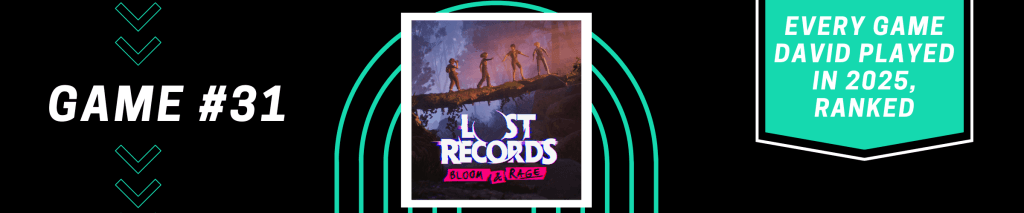
31. Lost Records: Bloom & Rage
I’m a massive fan of the original Life Is Strange (2015). While I can’t opine on more recent entries in the series, I still look back fondly on the adventures of Max and Chloe as the duo investigated the disappearance of Rachel Amber in the quaint yet gossipy town of Arcadia Bay.
While Life Is Strange has since continued under the stewardship of studio Deck Nine Games, series creator Don’t Nod is no longer part of the creative process. In an interview with Kotaku, studio leadership explained that they found their hands tied after signing away the franchise in a publishing deal with Square Enix. So, to maintain creative freedom, they pivoted.
The result is Lost Records: Bloom & Rage, a game that looks like Life Is Strange on the surface but fails to recapture the magic of the 2015 classic. Its premise, though intriguing — four friends reunite after 27 years apart to reflect on a mysterious, life-changing event — is undermined by cookie-cutter characters, flat writing, and poor pacing. Even the game’s best mechanic, a camera that lets you capture in-game memories, can’t overcome what I can only describe as a slog.
Platforms: PC, PlayStation 5, Xbox Series X/S
MSRP: $39.99
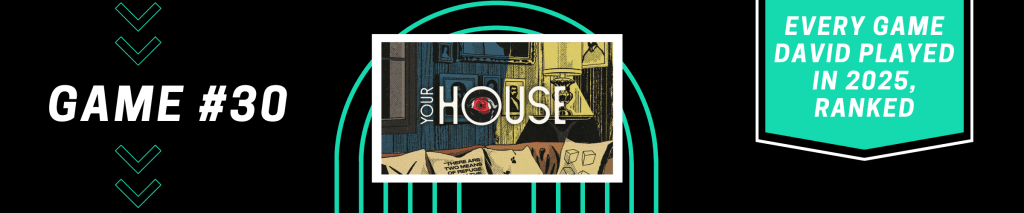
30. Your House
When I accepted an offer to review Your House, developed by Spanish studio Patrones & Escondites, I did so out of love for the noir genre and a passing interest in the game’s striking art style. It helped that the game’s blending of point-and-click puzzles with traditional novel reading reminded me of one of my favorite mystery games ever, Hotel Dusk: Room 215.
Well, Hotel Dusk it ain’t. While Your House offered some unique puzzles worth an afternoon or two, its story of a daughter discovering the fate of her missing mother ended up underwhelming.
Platforms: PC, Android, iOS
MSRP: $9.99 (PC), $5.99 (Android, iOS)

29. Dear me, I was…
Speaking of Hotel Dusk, I was elated to grab Dear me, I was… off of the Nintendo eShop following its surprise announcement and subsequent stealth drop. Despite the bizarre choice of developer — Arc System Works, typically responsible for flashy fighting games — Dear me, I was… drew me in for one reason alone: the art.
Dear me, I was… features watercolor backdrops and expressive character portraits from Taisuke Kanasaki, who is perhaps best known for directing and drawing the Another Code and Hotel Dusk series. His style is as beautiful as it is distinct, and I knew I had to pick the game up to show my support — even though the studio responsible for those creations, Cing, is long gone.
I tried to keep my excitement in check when I purchased Dear me, I was… Kanasaki didn’t direct this game, so I knew not to expect any sort of gameplay similarities to Hotel Dusk or its sequel, Last Window: The Secret of Cape West. Still, I came away disappointed. The art, as expected, was stellar, but the game itself was a relatively by-the-books coming-of-age visual novel that can be completed in less than two hours — hardly long enough to leave a lasting impression.
Platforms: Nintendo Switch 2
MSRP: $7.99
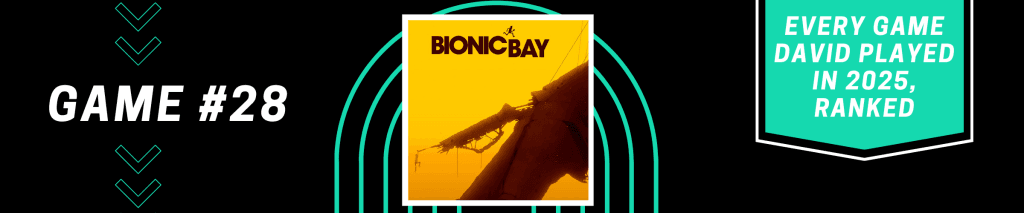
28. Bionic Bay
Bionic Bay racked up a lot of strong scores at launch, which made me eager to give it a go once a second wave of review codes went out to outlets. The game’s gorgeous lighting and 2D-based puzzles instantly brought to mind games like Limbo and Inside, with a touch of the physics-based zaniness that made Valve’s Portal series such a hit.
If only Bionic Bay lived up to those inspirations. Unlike Playdead’s acclaimed titles, Bionic Bay has very little to say in the story department — I never quite understood who I was or why I was trying to escape this desolate containment station. The gameplay fares better, but even then, I found myself wishing for far more cerebral puzzles. Instead, Bionic Bay ended up being a janky action platformer with great style but not much substance.
Platforms: PC, PlayStation 5
MSRP: $19.99

27. Constance
Constance is the most recent game I added to this list, and believe me when I say I’m bummed about how low I have to place it. When I demoed the game back at PAX East 2025, I thought it had the juice to vie for a space on our best metroidvania games list — an honor shared by games like Hollow Knight and Ori and the Will of the Wisp.
Unfortunately, the final product fell short of that potential. While generally well designed, Constance suffers from uneven difficulty, brutally difficult boss battles, and an in-game map that routinely left me scratching my head. Gorgeous art and a memorable story elevate the experience, but Constance is a bit of a tough recommendation for all but the most ardent of metroidvania fans.
Platforms: PC (via Steam). Coming to PS5, Xbox Series X/S, and Nintendo Switch in 2026.
MSRP: $19.99
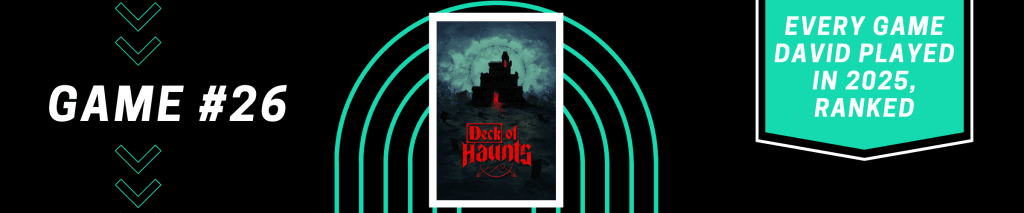
26. Deck of Haunts
Deck of Haunts is a deck-building game with a genre-defying hook: Instead of building a deck to vanquish evil creatures, you’re the bad guy. Even bad “guy” is the wrong descriptor, as in this title from developer Mantis, you play as a sentient haunted house looking to snuff out anyone who dares explore it.
The deck-building elements are fairly straightforward. Each new round, you’ll gain access to new cards that wreak havoc upon your adversaries. Where Deck of Haunts stands out, though, is in its building management mechanic. In a departure from the 2D playing field of Slay the Spire, battles play out on an isometric grid depicting the evil mansion. As you add cards to your arsenal, you also gain new rooms you can attach to yourself, making the mansion increasingly labyrinthine — and improving the odds of protecting your heart at the center of the property.
It works surprisingly well. And while I can’t say Deck of Haunts is necessarily better than the deck-building royalty that came before it, the game certainly demands a look.
Platforms: PC (via Steam)
MSRP: $19.99
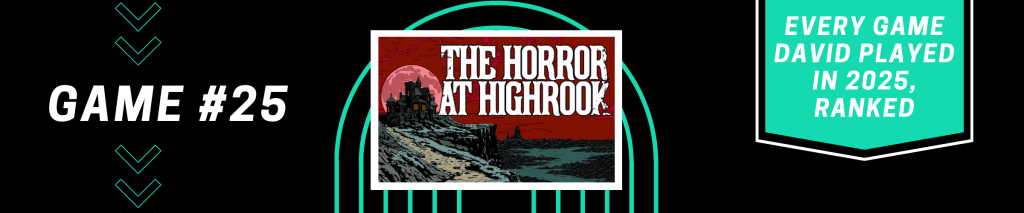
25. The Horror at Highrook
I love myself a good board game. From Carcassonne to Settlers of Catan, there’s nothing quite like amassing resources, developing board presence, and talking some smack with friends and family. That said, sometimes it’s fun to just go it alone.
The Horror at Highrook is happy to oblige. Developed by Nullpointer Games, Highrook scratches the itch of playing your favorite tabletop role-playing game — minus the other people. As a party of four, you’ll investigate the mansion at Highrook after rumors of the occult reverberate throughout the nearby town. Gameplay consists of moving characters from one room to another, gathering cooldown resources that can then be used (or crafted) to progress the plot. Think Clue, but instead of solving a murder, you’re saving some lost souls.
It’s great fun, buoyed by a strong gameplay loop and even stronger writing. You could argue there isn’t quite enough on the bone to consider this a full-fledged RPG, but even still, The Horror at Highrook is hard to put down.
Platforms: PC (via Steam)
MSRP: $19.99
Read my review of The Horror at Highrook.
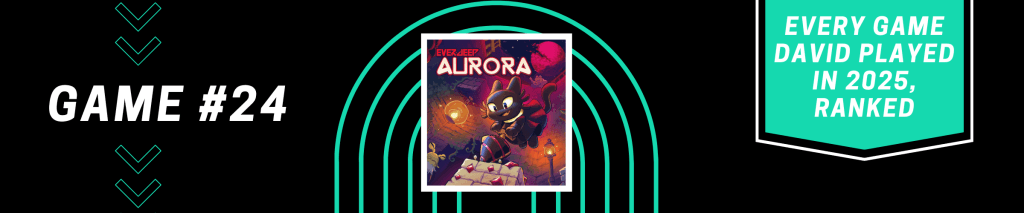
24. Everdeep Aurora
Everdeep Aurora is a tough game to explain. Gameplay-wise, it’s a bit of a Dig Dug-like, with players moving ever-farther down to the core of a planet while collecting various tools and upgrades. Artistically, it pulls from the limited palette of Game Boy games like Super Mario Land or The Legend of Zelda: Link’s Awakening. Story-wise, it’s completely unique, telling the story of a cat trying to reunite with her mother as the world around them crumbles.
Sounds depressing, but Everdeep Aurora is more heartwarming than its premise would make you believe. Publisher Ysbryd Games even dubbed it the “cozy game” of its recent release slate. (That checks out, given Ysbryd primarily funds horror titles. See: Demonschool.) In my time playing, I found myself equal parts soothed and intrigued, even if a wonky inventory system dulls the fun ever so slightly.
Platforms: PC, Nintendo Switch
MSRP: $19.99
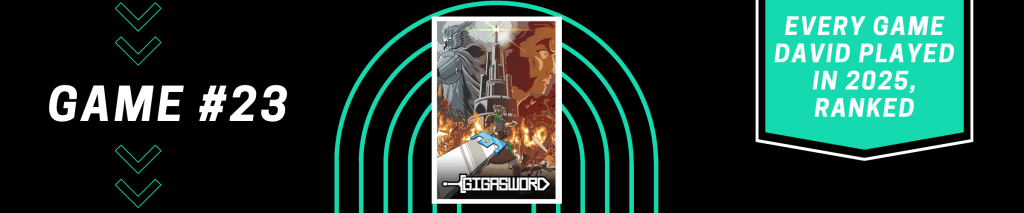
23. Gigasword
Fellow staff writer Zack Gulinello and I loved our time demoing Gigasword at PAX East 2025, and for good reason. The passion project of fellow Massachusetts native Jack Breen, Gigasword is a successful mashup of two iconic franchises, Zelda and Metroid, with plenty of originality to boot.
As Ezra, a human tasked with an otherworldly mission, you’ll ascend a treacherous tower filled with enemies and puzzles. Armed with the titular Gigasword, you’ll flip switches, change water levels, and perform other Zelda staples, all while managing the weight and position of your sword to progress. Add a surprisingly heartfelt story, great art, and terrific music, and you have one of the most surprising indies of the year.
Platforms: PC (via Steam), PlayStation 4 & 5, Xbox Series X/S, Xbox One, Nintendo Switch
MSRP: $14.99
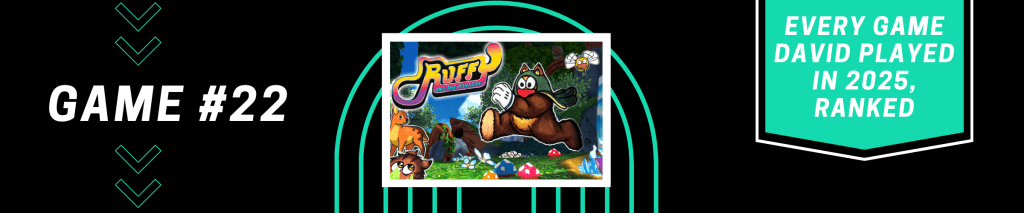
22. Ruffy and the Riverside
Collectathon games had a welcome resurgence in 2025. From big names like Donkey Kong Bananza and Yooka-Replaylee to bite-sized indies like Misc. A Tiny Tale, there were plenty of worthwhile adventures for those seeking the clever sandboxes of old.
Ruffy and the Riverside is another such gem. With a colorful world filled with secrets, varied puzzles that keep you engaged, and funky music that ties it all together, Ruffy is a welcome addition to the genre. It’s got some definite warts — a meh storyline, some visual artifacts, and plenty of bugs — but the overall journey is worth the annoyances.
I scored Ruffy and the Riverside a 7.5 back in July on account of the bugs, but I don’t think the score does justice to how fun the game truly is. Assuming developer Zockrates Laboratories UG has ironed out some of the kinks, Ruffy is well worth your time.
Platforms: PC, PlayStation 5, Xbox Series X/S, Nintendo Switch
MSRP: $19.99
Read my review of Ruffy and the Riverside.

21. Avowed
Avowed is one of two Microsoft-published games to make this year’s list, and I’d be remiss if I didn’t double down on my statement from earlier. What Microsoft is currently doing is deplorable — not just from a gaming perspective, but from a human perspective. In light of the company’s complicity in Israel’s surveillance of the Palestinian people, I join others on our team and in the industry in calling for a total boycott of all Microsoft products.
Whereas our own Gary Wilson admirably opted to omit several Microsoft games from his list altogether, I’ve chosen to keep Avowed (and one other further down the list) not as an endorsement but simply because I played it and felt the developers at Obsidian deserved kudos during what I can only imagine is a shitty time to work there. It’s a great RPG, with fun combat and terrific storytelling. But I can’t recommend buying it, based on the publisher alone.
Platforms: PC, Xbox Series X/S
MSRP: $69.99
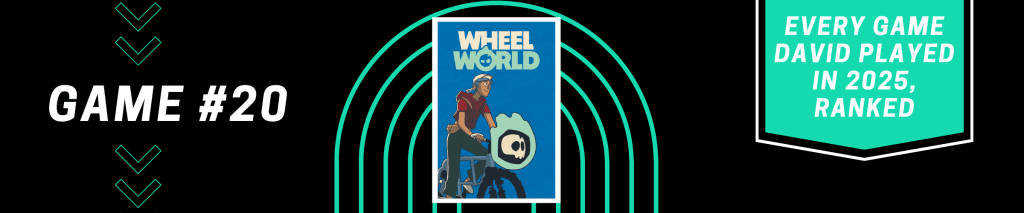
20. Wheel World
Annapurna Interactive published two games that made my list this year, both of which I greatly enjoyed for altogether different reasons. The first, Wheel World from Messhof Games, is quite the far cry from the studio’s previous games, Flywrench and Nidhogg 1 and 2.
In Wheel World, you play as a cyclist who comes across a magical talking bike. After a bit of exposition that sets up the action, you’re off to explore an open world, race fellow bikers, and amass a series of magical bike parts needed to save the world. The story is dramatic and wholly unnecessary, as what you’re here for is the terrific gameplay.
As you explore the world and defeat other cyclists, you’ll acquire various (non-magical) parts you can use to outfit your ride. Everything, from handling to acceleration to braking, can be customized, allowing you to adapt your sentient bike based on the exact race layout, terrain, and challenge level. Despite some wonky controls at times, Wheel World is an inventive experience made better by absolutely gorgeous vistas.
Platforms: PC (via Steam), PlayStation 5, Xbox Series X/S
MSRP: $19.99
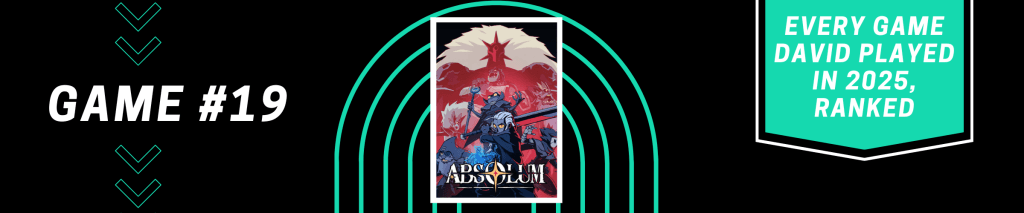
19. Absolum
Absolum wowed critics late in the year with its blend of beat-em-up gameplay and roguelike exploration, and while I can’t say I enjoyed the latter, I certainly loved the former.
Dotemu continues to show why it’s one of the best developer-publishers in the biz, having brought at least three high-quality brawlers (Ninja Gaiden: Ragebound, Absolum, and Marvel Cosmic Invasion) to market within the span of months. Absolum is the only one I played this year, but it immediately impressed with its smooth combat system, effortless combo strings, and next-level audiovisual presentation.
If it were just a straight beat-em-up, Absolum could have cracked my top 10. Unfortunately, I found the roguelike elements drastically undercooked, distracting from the experience rather than enhancing it. It’s a testament to Absolum’s fun factor that I recommend it, despite its obvious flaws.
Platforms: PC (via Steam), PlayStation 4 & 5, Nintendo Switch
MSRP: $24.99
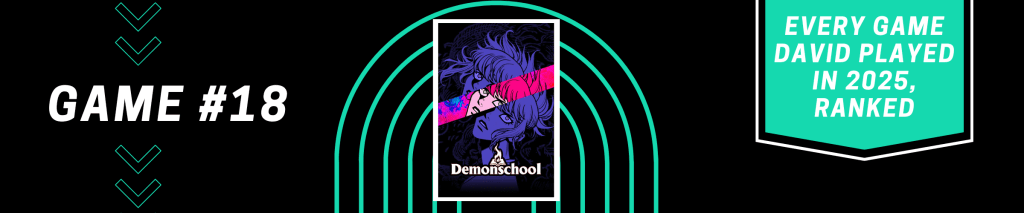
18. Demonschool
Demonschool was always destined to make this list. The second Ysbryd-published game I played in 2025, Demonschool impressed me way back in 2023, when I demoed the game at PAX East. So, when the game finally got a September release date, I couldn’t wait to try it.
But then, Hollow Knight: Silksong reemerged, and developer Necrosoft Games announced a delay to November to avoid getting caught in the crossfire. During the two-month gap, the team worked on polishing up areas and adding some extra mini-games — quality-of-life improvements that would surely make the added wait worthwhile.
When I finally did play Demonschool, I enjoyed my time, even if that two-month polish didn’t really show through. I encountered a crash early on in my playthrough, and some typos in the script gave me pause. But all was forgiven once I arrived at what originally hooked me back in 2023: the combat. Raw and bloody, yet also calm and calculating, Demonschool’s strategic turn-based battles were just what the doctor ordered, and then some.
Platforms: PC, PlayStation 4 & 5, Xbox Series X/S, Xbox One, Nintendo Switch
MSRP: $24.99
Read our review of Demonschool.
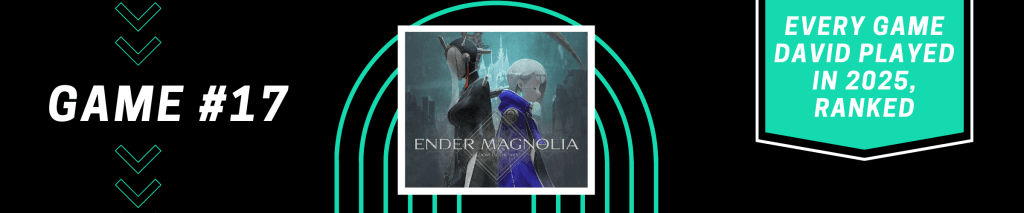
17. Ender Magnolia: Bloom in the Mist
Ender Lilies: Quietus of the Knights is the best metroidvania game you’ve never heard of, and its sequel, Ender Magnolia: Bloom in the Mist, is almost as good. Where Ender Lilies focused on a dilapidated kingdom overrun by a deadly plague, Ender Magnolia tells a story of humanity’s return and the technological pursuits that followed.
That switch-up shows up most prominently in Ender Magnolia’s level design, which ditches the haunting stillness of Ender Lilies’ biomes in favor of a much more active, lived-in world. It’s a change I fully respect, even if I think it removes much of the charm that made the original game shine.
Still, the combat in Ender Magnolia remains satisfying, with players tagging in/out their Pokémon-esque creatures to deal attacks against mobs of enemies. The difficulty is perhaps a tad undertuned, but the underlying bones are as good as they’ve always been.
Platforms: PC (via Steam), PlayStation 4 & 5, Xbox Series X/S, Xbox One, Nintendo Switch
MSRP: $24.99
Read my preview of Ender Magnolia: Bloom in the Mist.
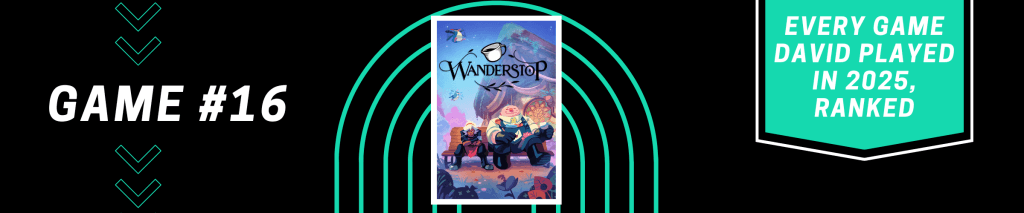
16. Wanderstop
The other Annapurna game to make my list, Wanderstop is a title I haven’t stopped thinking about since I reviewed it back in March. The setup is genius: A warrior hellbent on winning suddenly loses, only to find herself in the middle of the woods with no way home. Despite her best attempts to leave, she is compelled back to a clearing, with nothing but a tea shop and its charming owner to greet her.
It’s like dropping an investment banker into a library. Suddenly, all the intensity fades, replaced with a serenity that feels threatening. Surely I have better things to do, the banker might tell themself, only to slowly find themself swept up in the banality of it all.
That’s Wanderstop in a nutshell: nothing but tending to flowers, brewing tea, and making conversation with the folks who happen to pass through. There are no timers, no objectives, no health bars, and certainly no enemies — just you and your thoughts.
Wanderstop has some definite stumbles, most notably in the monotony of the actual gameplay. I also found the passing of seasons to directly contradict the cozy, no-stress vibes the game works so diligently to build. While I can’t lie and say Wanderstop was “fun” to play, its story is one of the most innovative in years, and one I doubt I’ll ever forget.
Platforms: PC (via Steam), PlayStation 5, Xbox Series X/S
MSRP: $24.99
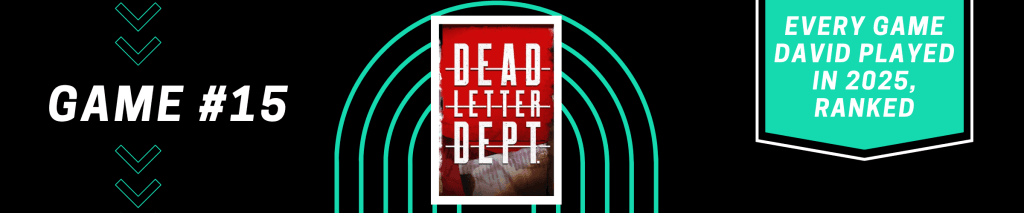
15. Dead Letter Dept.
Dead Letter Dept. was the very first game our team reviewed this year. Even more noteworthy, though, is the fact that we actually reviewed it as a team.
Solo developer Mike Monroe reached out to us in early January, asking if we’d be interested in covering his moody first-person horror game. We love a good scare — particularly Clint Morrison, Jr. — so naturally, I said “of course.” What I didn’t expect was for Monroe to send us three PC codes. (This isn’t a multiplayer game.)
While we could have simply redeemed a code and let the others sit in the inbox, we had more ambitious plans: a group review where Clint, Gary, and I shared our individual experiences playing through Dead Letter Dept. The kicker: In a nod to the game itself, which has players deciphering cryptic letters on a PC as they slowly descend into madness, we decided to write our review as if we were addressing letters to one another.
We had a blast, and the game was even better. Kudos to Monroe for crafting a genuinely novel experience that haunts you well after you turn off the PC.
Platforms: PC (via Steam)
MSRP: $14.99
Read our review of Dead Letter Dept.
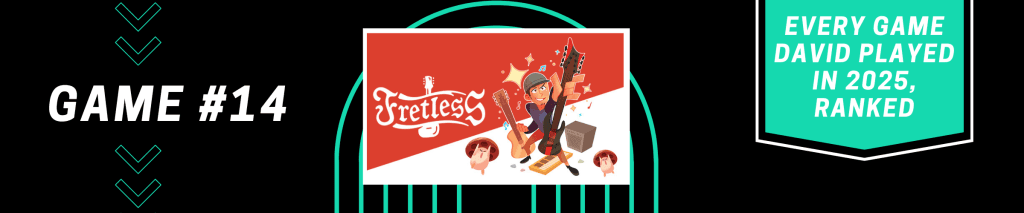
14. Fretless – The Wrath of Riffson
One of the most gratifying aspects of attending PAX East is getting to play indies that will never breach the public zeitgeist, yet totally deserve to. For every Hollow Knight or Balatro, there are countless projects that display heart, charm, wit, and plenty of ingenuity.
Fretless – The Wrath of Riffson is one such title. A French-developed turn-based RPG (no, not that one), the game gains its wings by mashing the spirit of Final Fantasy with the mechanics of Slay the Spire. Instead of a roguelike map chaining together combat encounters, you’ll walk from town to town, taking on quests, engaging with NPCs, and earning powerful upgrades.
The combat deserves praise based on its own merits, with four distinct classes, each with its own play style and card synergies. But the real glue, however, is the music. Composed by real indie artists, including Australia-based Northlane, Texas-based Dovetail, and U.K.-based Mary Spender, the soundtrack breathes life into the game. Music drives every aspect of Fretless, from its Paper Mario-inspired timed button presses to its narrative, which has the player vying to win Battle of the Bands and defeat the greedy music mogul Rick Riffson.
This is an indie project made with love, from all sides of the development process. Despite the occasional bugs, Fretless – The Wrath of Riffson is well worth a concert ticket.
Platforms: PC (via Steam)
MSRP: $14.99
Read my review of Fretless – The Wrath of Riffson.

13. Öoo
I grabbed Öoo on a whim during a Steam sale a few weeks back. I’d heard wonderful things here and there about the game, but otherwise went into the experience blind. And oh, am I glad I did.
To avoid spoiling the fun: Öoo is an extremely short metroidvania you can complete in two to three hours. That might seem like a detriment, but believe me, it’s a strength. As a cute, circular little culture, you’ll hop around a tightly designed map, using a basic jump in combination with your wits to progress. Eventually, you’ll unlock a reusable bomb you can deploy and detonate, followed by a second (thus the title).
What makes Öoo so unique is its blend of traditional metroidvania tropes (upgrades, a world map, fast travel) with completely unexpected “metroidbrainia-isms.” At the end of each biome, you’ll swear you’re stuck, only to realize the past few rooms have been teaching you a trick you can use to make progress 20 rooms back. That formula plays out at least four or five times in total, and it never gets old.
Even once you “beat” Öoo, there are additional challenge rooms, hidden in plain sight, that will really drive you up a wall. If you loved the brief yet expansive oxymoron that was Animal Well, you’ll absolutely adore Öoo.
Note: Given the ongoing discourse about AI use in video games, I must mention that although Öoo does not use AI, its Steam page, which cannot be longer than 100 words, was translated from Japanese into English using AI. It’s a bizarre decision that has drawn criticism from players and potential buyers alike. As our resident bilingual writer Kei Isobe put it, “Just pay someone to do the translations.”
Platforms: PC (via Steam)
MSRP: $9.99
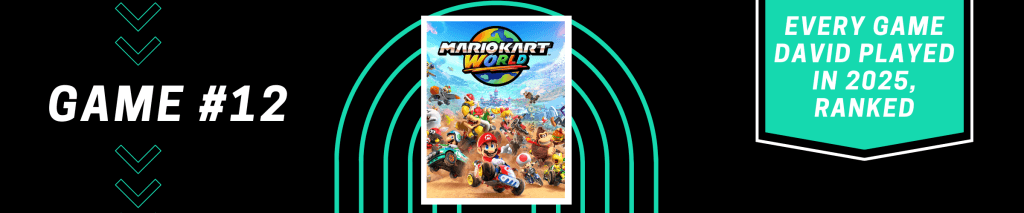
12. Mario Kart World
When Nintendo unveiled Mario Kart World alongside the announcement that Mario and crew would be taking things open-world, I was elated. As much as I (and apparently everyone on the planet) loved Mario Kart 8 Deluxe, its time in the sun had faded. Eleven (!!!) years after Mario Kart 8 launched on the Wii U, we would finally get the refresh we deserved in Mario Kart World.
My mind raced with possibilities. How big would the open world be? What kind of challenges and little secrets would Nintendo hide for us to discover? What new modes and online functionality would be possible thanks to the added horsepower of the Switch 2?
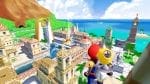
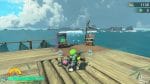
As it turns out… I should have pumped the brakes a bit. Mario Kart World delivered on what Nintendo promised — new racers, new tracks, new world — but otherwise played it remarkably safe. The open world is a fun distraction, but it also feels like a missed opportunity next to games like Forza Horizon. Meanwhile, online play, though perfectly functional, has been limited by Nintendo’s insistence on making intermission tracks a thing.
Mario Kart World has a long way to go before it can rival 8 Deluxe as the greatest Kart game ever… And yet, it’s still Mario Kart. It can never truly be “bad.” Plus, the music is incredible, and Knockout Tour is an absolute blast (even if I can never seem to win).
Platforms: Nintendo Switch 2
MSRP: $79.99
Read our thoughts on Mario Kart World.
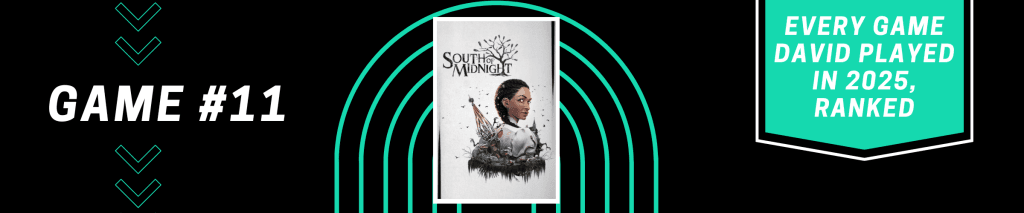
11. South of Midnight
I’ll start by repeating the same points I made for my Avowed entry. As long as South of Midnight is owned and published by Microsoft, I cannot in good faith recommend anyone buy the game. Real-world problems take precedence over first-world problems, now and always. Period.
And that’s a real damn shame, because in any other timeline, South of Midnight is an absolute triumph. Seven years after the disappointing release of We Happy Few, developer Compulsion Games bounced back with not just one of the best games of 2025, but one of the most heartfelt and meaningful, too.
Gameplay-wise, South of Midnight plays like a classic PlayStation 2 title, complete with linear environments, old-school combat, and janky camera. I mean that as an absolute compliment, as I enjoyed the trip down memory lane (and getting away from massive 80-hour open worlds).
Most important, however, is protagonist Hazel Flood, and South of Midnight’s beautiful depiction of Louisiana and its people — the vast majority of whom are black. In a year when diversity in games felt a little spotty (and DEI in the broader context was under constant siege), South of Midnight was a breath of fresh air. If only Microsoft could treat real-life humans with the same compassion and respect.
Platforms: PC, Xbox Series X/S. Coming to PlayStation 5 and Nintendo Switch 2 in 2026.
MSRP: $39.99
Read our review of South of Midnight.

10. The Roottrees are Dead
2025 was a terrific year for mystery games. My co-editor Amanda Tien loved The Séance of Blake Manor, and there’s a certain other mansion-crawling adventure that you may or may not see further down this list. For me, though, perhaps the most memorable mystery of all involved figuring out exactly who the Roottrees were, and who is next in line to inherit their fortune.
Let me back up. In The Roottrees are Dead, you play a private investigator who’s been hired by a nameless individual to unearth the twisty, turny family tree that is the Roottree family. The proprietors of a successful, multi-generation candy company, the Roottrees are a massive family that includes entrepreneurs, actors, musicians, and more. Think the Hershey family if they had the same public presence as the Vanderbilts or, dare I say it, the Kardashians or Trumps.
As you’d expect from any of those families, the Roottrees are some messy-ass people, with short-lived marriages, strained relationships, failed business partnerships, and surprise (or even secret) children. Your job isn’t to empathize with the Roottrees; it’s to figure out who’s related to who, so you can make sure a decent steward benefits in light of all the madness.
The game plays out similarly to Her Story, with players operating a PC to gather clues and examine evidence. Unlike Sam Barlow’s work, however, The Roottrees are Dead is far less linear, with a delightfully dizzying number of search queries available to you. As you learn more, you’ll map everyone’s name, photo, and job title to a corkboard, like you’re Charlie in It’s Always Sunny in Philadelphia.
The end result is nothing short of fantastic. For days, my partner Alyssa and I sat in our living room, huddled around my 14-inch laptop, dissecting every bit of information we could find about the family. After about eight hours, we saw our investigation through… only to be rewarded with a second investigation filled with more names, more lineages, and more tea. The Roottress are Dead is for anyone who appreciates a Hunt a Killer-style case, minus the setup and teardown.
Note: The Roottrees are Dead was initially developed as part of a 2023 game jam and released for free on itch.io. According to the developers, the game was made available for free “due to its reliance on AI art.” (Yikes.) That said, the 2025 version is a complete overhaul, with new visuals, voice acting, extra puzzles, and quality improvements. I can’t in good faith support the original, even if non-commercial, but I do highly recommend this remade version.
Platforms: PC, Mac, and Linux (via Steam)
MSRP: $15.99
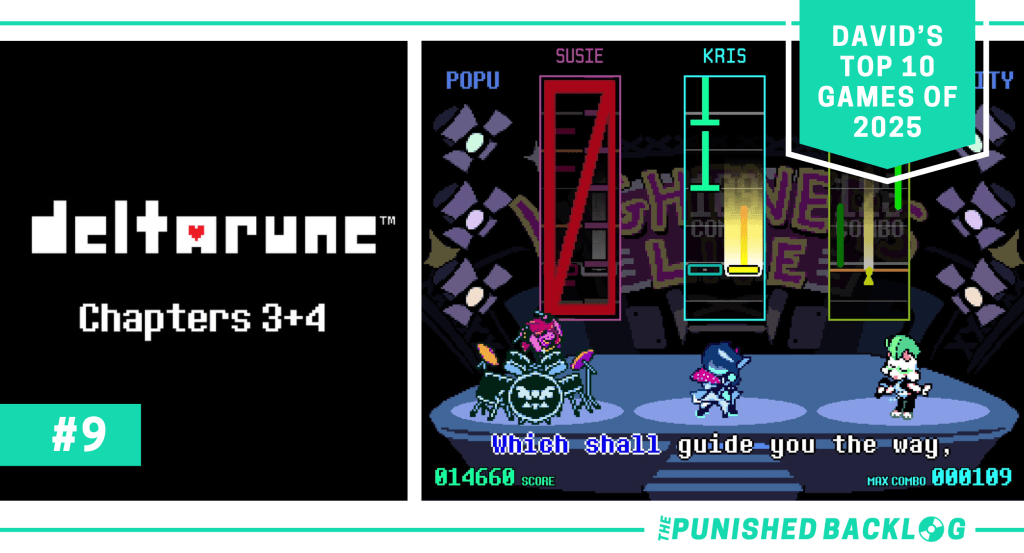
9. Deltarune Chapters 3+4
In 2021, I awarded Deltarune Chapter 2 my personal Game of the Year award. The thinking was simple: Not only was chapter two of Toby Fox’s ambitious seven-part RPG adventure well worth the three-year wait, but it was made better by the fact that the man gifted it to us for free. No strings; no hidden microtransactions or half-assed content. Despite telling part of a larger story, Deltarune Chapter 2 was a self-contained masterpiece, and it was completely free.
Four years have gone by since that moment, which makes the release of Deltarune Chapters 3+4 all the sweeter. This time, Toby is finally doing what we’re all asking him to do by taking our money and releasing a paid version of Deltarune that contains the first four chapters of the saga. (Chapters 1+2 are still 100% free; they’ve just been rebranded as a demo.) The final three chapters will be released as updates to the game, similar to when owners of Shovel Knight received all of the subsequent DLC expansions.
As for Chapters 3+4 themselves, they’re as witty as you’d expect from the mind behind Undertale. Chapter 3 saw our heroes trade in their weapons for a controller as they embarked on an old-school Zelda-inspired adventure. Chapter 4, meanwhile, gets a bit more spiritual, with the team investigating the darkness beneath their town church. Hijinks abound, and it’s clear Toby and his team are having quite a bit of fun putting these episodes together.
If I have one critique, it’s that the combat system (which dates back to 2018, mind you) is growing a bit stale. Obviously, each new chapter brings some new frills, but I can only hope Toby keeps the creative streak going when he delivers Deltarune Chapter 6, which is currently slated for late 2026.
Platforms: PC (via Steam), Mac, PlayStation 4 & 5, Nintendo Switch 1 & 2
MSRP: $24.99

8. The Hundred Line: Last Defense Academy
Remember when I said, up at the top of the article, that I hadn’t finished every single game on this list? The Hundred Line: Last Defense Academy is the most egregious example here. All told, I’ve sunk about 20 hours into this visual novel from the minds of Kazutaka Kodaka (Danganronpa) and Kotaro Uchikoshi (Zero Escape).
That might seem like a decent chunk, given HowLongToBeat has the game at 33 hours for the main story. But if you’ve ever played a game from either of the aforementioned auteurs, you know an initial playthrough isn’t enough to get the full experience. If you thought Zero Escape: Virtue’s Last Reward was complex with its branching flowchart and 28 distinct endings, you’ll be floored to hear that The Hundred Line, as intimated by its title, has 100 unique outcomes.
Achieving all of the different endings in Last Defense Academy isn’t the point per se — doing so would take you well upward of 150+ hours. But the promise of such variance between runs was enough to entice me to pick the game up. To my utter delight, not only are the game’s visual novel segments gripping, but tying them together is a terrific turn-based strategy game.
Combat plays a bit like Fire Emblem… if the goal was to kill off your own party members. I won’t spoil too many specifics, but let’s just say your party shares a unique trait in that they cannot die. Why they have that power, and how they ended up banding together, is best left for you to discover. Just know that the gameplay is terrific and the story is the perfect evolution of two of gaming’s most iconic visual novel series.
Platforms: PC (via Steam), Nintendo Switch
MSRP: $59.99
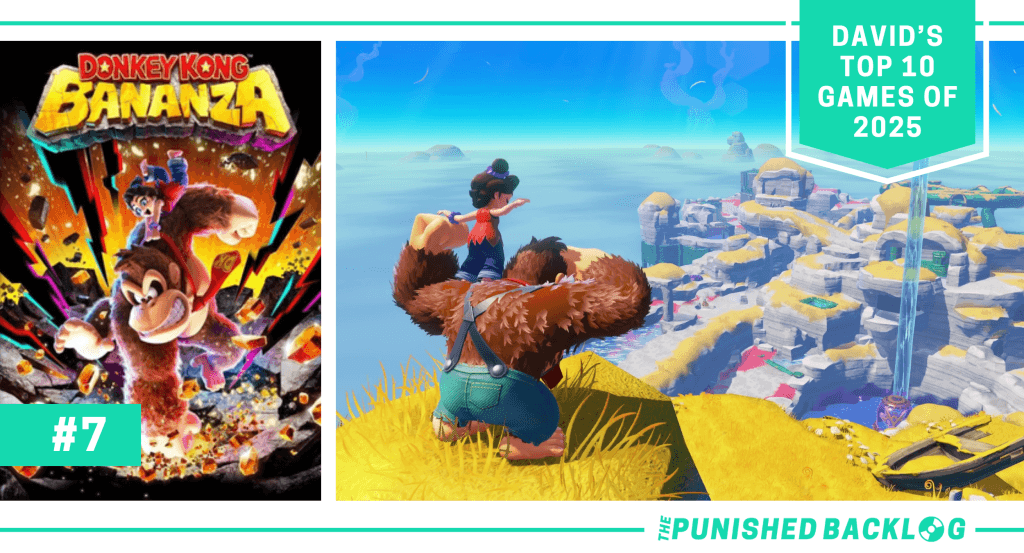
7. Donkey Kong Bananza
I’ve never been much of a Donkey Kong fan. I don’t mean any disrespect toward gaming’s greatest ape, and I’m sure my opinion is bound to rankle the DK superfans of the world. The reality is, I grew up too late to enjoy classics like Donkey Kong Country, and the only real exposure I had to the character was through Super Smash Bros. and the fun-but-forgettable Mario vs. Donkey Kong.
Donkey Kong Bananza is the first true DK game I’ve played, and all I can say is: Better late than never! Despite some initial disappointment that Nintendo EPD’s latest title wasn’t, in fact, Super Mario Odyssey 2, I quickly came around on the game once I saw some gameplay in action. The destructability was a welcome departure from past Nintendo platformers, and I had the utmost faith that EPD would deliver a banger, as they always do.
That faith was tested in my early hours with Donkey Kong Bananza. Despite a strong tutorial and terrific all-around sandbox in the Lagoon Layer, I quickly found myself growing tired of punching, smashing, and hearing the word “BAH-NAAA-NAAA!” For a while, I just wasn’t sure if the game was for me.
Urged on by fellow writers Sam Martinelli and Mark Bowers, I kept playing… and I sure am glad I trusted them. Dig past some of the uneven terrain in Donkey Kong Bananza, and you’ll find some of the more inventive, charming, and all-around fun levels Nintendo has ever concocted. You’ll also experience a story that, while hardly revolutionary, hits in all the right ways.
I may not have been a Donkey Kong fan before, but consider me a changed man. Even if that next Mario game from EPD is still years away, the detour will have been well worth it.
Platforms: Nintendo Switch 2
MSRP: $69.99
Read my review of Donkey Kong Bananza.

6. Hollow Knight: Silksong
I pride myself on liking Hollow Knight long before legions of fans did. While I technically didn’t get in at the ground floor — I didn’t own a gaming PC (still don’t) and waited until the 2018 Switch release to play it — I’d been following Team Cherry’s exploits ever since I read a glowing 10/10 review by Destructoid in 2017.
Now, eight years and 15 million copies later, Hollow Knight has proudly ridden off into the sunset — only to return for more glory. Its sequel, Hollow Knight: Silksong, continues the series’ blistering momentum, selling seven million copies in the span of four months. The long-awaited adventure tags out our nameless knight for his foe-turned-friend Hornet as she explores the kingdom of Pharloom. Running, jumping, and dashing abounds, with enough new enemies, biomes, and hair-pulling bosses to make the head spin.
I’ve yet to finish my playthrough of Silksong — in large part because I’m having so much fun. Even with 49 hours recorded, I’m still wrapping up quests, finding lingering secrets, and stumbling into countless “oh god, another boss fight” scenarios. Hornet’s movement abilities took some getting used to, especially in the initial hours, but I’m now zipping and soaring around Pharloom, eagerly awaiting the next new challenge.
Hollow Knight: Silksong is far from a perfect metroidvania. The game’s location-based fast travel feels antiquated next to games like Ori and the Will of the Wisps, and I feel strongly that Team Cherry should have eased more into the experience, rather than throwing players at a wall in Act 1. And yet, despite my short- and long-term frustrations, I keep coming back to die, retry, and possibly succeed. That right there says it all.
Platforms: PC, PlayStation 4 & 5, Xbox Series X/S, Nintendo Switch 1 & 2
MSRP: $19.99
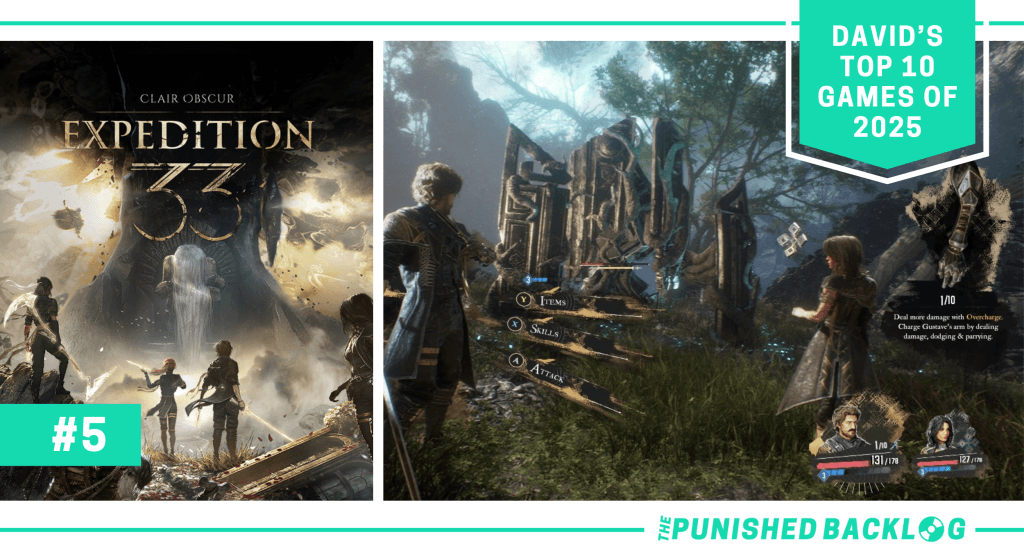
5. Clair Obscur: Expedition 33
What more is left to say about 2025’s biggest breakout, Clair Obscur: Expedition 33? In the lead-up to its April release, Sandfall Games’ turn-based RPG, inspired by the likes of Final Fantasy and Lost Odyssey, went from relative unknown to bona fide juggernaut. Since then, Clair Obscur has sold over five million copies and notched an astronomical number of awards — most notably nine Game Awards wins, including the coveted Game of the Year award.
One honor Sandfall won’t be taking home to France? Anything from the Indie Game Awards. After winning two awards, Game of the Year and Best Debut Indie Game, the studio was retroactively disqualified after a viral interview confirmed Sandfall leveraged generative AI as part of Clair Obscur’s development. As other studios and publishers double down on AI use — including, most recently, Baldur’s Gate 3 maker Larian Studios — it’s hard not to feel that this is quickly becoming an accepted norm in the industry. Cue Jesse Pinkman’s “[They] can’t keep getting away with it!” GIF.
I’m torn about Sandfall’s use of AI in Clair Obscur. According to the studio, AI work was limited to pre-production assets, such as posters strewn about Lumière, which were replaced with human art and text prior to release. (Think a more advanced “lorem ipsum” placeholder.) While I don’t doubt that AI can be a boon for creators — especially smaller teams like Sandfall, who managed to squeeze a massive world out of a $10 million budget — the ethical and environmental questions surrounding AI remain. Were the savings worth the social costs? At least in Sandfall’s case, the answer seems to be “yes.”
I invested 60+ hours into the world of Clair Obscur, and while the AI use certainly reframes my appreciation of the game’s “too good to be true yet somehow true” development story, I can’t say I’m not still impressed by what Sandfall managed to accomplish. The art, the writing, the mocap, the acting, the combat, the music… all display inherently human ingenuity, proving that the RPG genre, and this medium at large, still has plenty of great stories left to tell.
The game’s third and final act fumbles the bag a bit, but I will never forget the exploits of Gustave, Maelle, and their ragtag expedition crew. For those who come after, indeed.
Note: Since Clair Obscur’s disqualification at the IGAs, director Guillaume Broche has expounded on the situation, explaining that despite experimenting with AI, using it “felt wrong.” He went on to say, “It’s pretty hard to predict what the future will look like, but everything will be made by humans from us.”
Decisive statement. It’s hard to tell whether that’s a truthful recollection or revisionary history in the face of the backlash, but I’m glad the most decorated game of 2025 is taking a stance at a time when gaming (and the world) needs it most.
Platforms: PC (via Steam), PlayStation 5, Xbox Series X/S
MSRP: $49.99
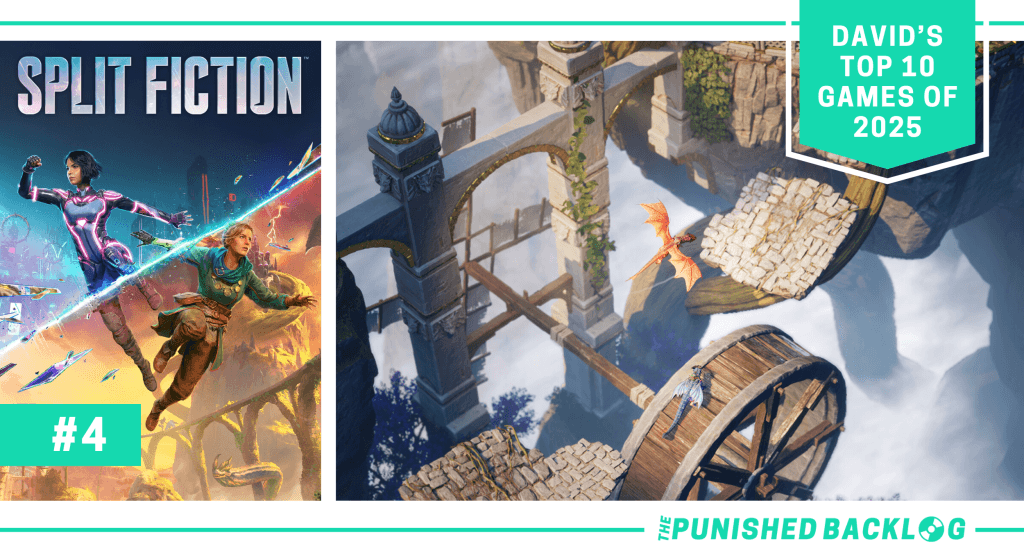
4. Split Fiction
We live in a bizarro timeline. Not just because of, well, *gestures wildly* — that goes without saying. No, I can’t fathom this reality because, despite all odds, Josef Fares and his team at Hazelight Studios won Game of the Year in 2021 for It Takes Two, only to get outright snubbed in 2025 with Split Fiction, an altogether better and more cohesive game. Make it make sense.
I don’t wish to take anything away from It Takes Two. Despite some grievances I had with the story, I greatly enjoyed reviewing the game with Kei Isobe back in the day. The folks at Hazelight did a phenomenal job taking the split-screen DNA of A Way Out and making it approachable to a family audience. They deserved kudos then, and they still do now.
But damn… part of me wishes It Takes Two had come in as runner-up in 2021, if only for Split Fiction to have had a better shot this year. (I know that’s not how it works; just let me dream.) Not only did Split Fiction build on the already-sublime gameplay of It Takes Two, but it wove in a truly engaging (if still a bit cheesy) story about two writers turning from strangers to confidants. Gone were the eye-rolling marital fights, replaced instead with chit-chat about book aspirations, favorite authors, and the time-old debate as to which is better: fantasy or science fiction.
Throw in a gauntlet of inventive levels, from a Metal Gear-inspired stealth sequence, to a cooperative take on pinball, to the Metroid reimagining I never knew I needed, and Split Fiction was a wonderful medley of adventures that I won’t soon forget.
Platforms: PC, PlayStation 5, Xbox Series X/S, Nintendo Switch 2
MSRP: $49.99
Read my review of Split Fiction.

3. Hades II
Despite being a terrible year overall, 2020 fit me like a glove when it came to video games. The Last of Us Part II might have been hated by many, but I couldn’t put it down. Ori and the Will of the Wisps, meanwhile, iterated on its successful predecessor in all the right ways, resulting in perhaps the greatest metroidvania title I’ve ever played. And, of course, there was Final Fantasy VII Remake, which reimagined one of my favorite games ever.
It was a stacked year! Never could I have imagined a fourth game vying for my time as competitively as that trio — and yet, developer Supergiant Games dug deep and delivered Hades. A masterclass in both storytelling and combat design, Hades took the traditional roguelike structure I tend to hate and turned it into something I couldn’t love more. To this day, I still smile when I think of Zagreus’ half-breathed barbs at his father, or Skelly’s tireless devotion to getting beaten to a pulp.
Five years later, 2025 echoes a lot of those same vibes. RPGs, metroidvanias, and remakes abound. Too many games are vying for my time. And, amid it all, Supergiant delivered yet another terrific trip to the Underworld.
Hades II doesn’t reinvent the wheel that the original game helped build. As Zagreus’ sister, Melinoë, you’ll hack, slash, and dash your way through different zones, acquiring boons from various (very attractive) Greek gods and goddesses. These boons augment everything from your weapon abilities to your sprint (a new addition in Hades II). Along the way, you’ll die — a lot — and slowly learn more about Melinoë, her allies, and her battle cry, “Death to Chronos!”
That’s not to say Hades II is a basic retread. Everything, from your weapons and boons down to the progression system, has been overhauled, ensuring Hades II feels not like a fancy expansion, but rather a standalone experience worthy of its own merit. I’m still exploring everything the sequel has to offer, and every new run has been more fulfilling than the last.
Platforms: PC (via Steam), Nintendo Switch 1 & 2
MSRP: $29.99

2. Blue Prince
In light of Clair Obscur being stripped of its Indie Game Awards honors, 2025’s actual Game of the Year award couldn’t have gone to a more deserving recipient: solo developer Dogubomb’s Blue Prince. Released in April, just a few weeks ahead of Sandfall’s epic, Blue Prince put players in control of a young man who had inherited his puzzle-loving uncle’s estate.
Where most inheritances have standard guardrails, like a trust that vests in increments or at a certain age, this mansion comes with perhaps the most roundabout stipulation imaginable. For our protagonist, Simon P. Jones, the only way to gain access to his uncle’s fortune is to solve a multi-layered mystery embedded within the manor itself. Oh, and the kicker: The mansion’s layout changes with each passing day.
Thus begins an unforgettable experience that is equal parts The Witness and Slay the Spire. As Simon, you’ll navigate your future property each morning with a set number of “steps,” which, upon being exhausted, boot you from the premises until the following daybreak. Each time you move between rooms in the mansion, you expend steps. Simple so far…
…Until it isn’t. What makes Blue Prince truly unique is its roguelike structure. Each time you open a new door in the mansion, you must build a new room to explore from up to three choices. Each room has distinct properties, as well as crucial dependencies. The “Pool” room might hide secrets beneath the water’s surface, but only if you first drain the water using the “Pump” room. These moments are plentiful, and due to the sheer randomness of each day, you’re bound to uncover new interactions with almost every subsequent run.
I’ve technically “beaten” Blue Prince and explored the depths of its manor to its natural conclusion. And yet, like most terrific puzzlers, that finale is only one of many. The real game begins once you’ve rolled the credits, with countless other clues to find, challenges to face, and mysteries to solve.
Unpeeling the layers of this onion has been one of my greatest joys of 2025. And yet, my Game of the Year award was always destined for one particular title…
Platforms: PC (via Steam), PlayStation 5, Xbox Series X/S
MSRP: $29.99
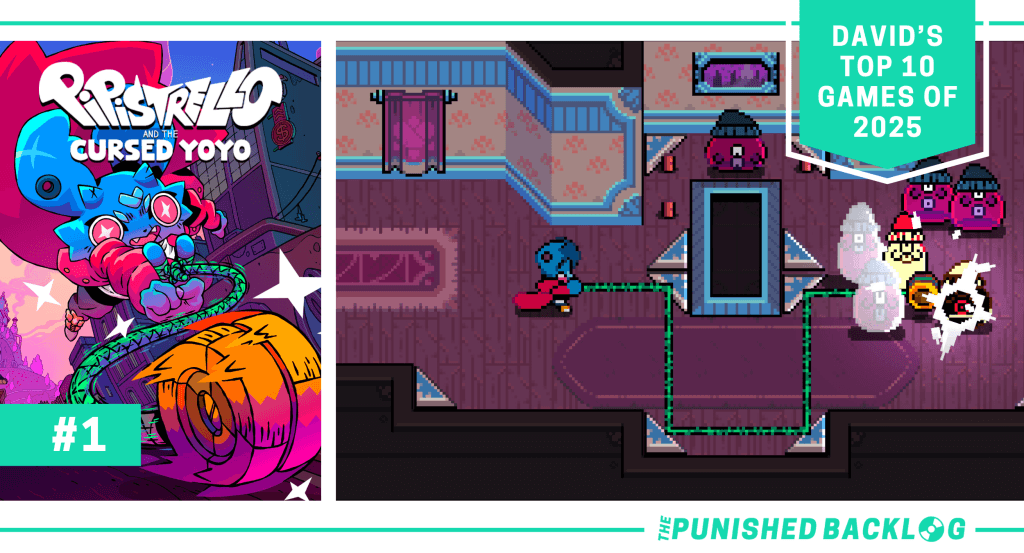
1. Pipistrello and the Cursed Yoyo
“What the hell is Pipistrello and the Cursed Yoyo?” I know you’re probably asking that question, and I don’t blame you. Released in May 2025, this 2D action-adventure title commanded hardly any presence in the gaming zeitgeist. Yet, read any review on Metacritic or OpenCritic, and you’ll find nothing but high marks and glowing praise.
Why the disconnect? I chalk it up to a few things: poor marketing, a convoluted title, and a 2D pixel art style that doesn’t do justice to the game’s masterful design. Most damning of all, though, was the simple fact that 2025 was a stacked year for games, and a few titles were always destined to fall through the cracks.
This is my attempt to right that wrong. Not only is Pipistrello and the Cursed Yoyo the best 2D Zelda-like I’ve ever played, but in many ways it rivals and even surpasses mainline games from Nintendo’s flagship franchise. Its overworld is impeccably designed, with terrific puzzles at every corner, always with a satisfying solution. Its dungeons are clever and charming, tasking the player with using the titular Pipistrello’s magical yoyo to its full potential. And its story, despite some campy moments, kept me chuckling from start to finish.
Whether you’re slinging your yoyo at faraway switches, gliding it over water, or grinding walls like you’re in Tony Hawk’s Pro Skater, Pipistrello controls like a dream. I devoured this game in just a few sittings, and even once I put the controller down, I felt cheated that there wasn’t more. (The game is plenty long; it took me 20 hours to 100% complete. I’m just greedy.)
Pipistrello and the Cursed Yoyo is an admittedly niche pick. In a year with Split Fiction, Clair Obscur, and Blue Prince, it’s easy to understand why outlets might gravitate to more widely approachable experiences when bestowing gaming’s highest honor. For me, though, I have to reward excellence when I see it — and Pipistrello and the Cursed Yoyo is unquestionably excellent.
Platforms: PC, PlayStation 4 & 5, Xbox Series X/S, Xbox One, Nintendo Switch
MSRP: $19.99
Read my review of Pipistrello and the Cursed Yoyo.
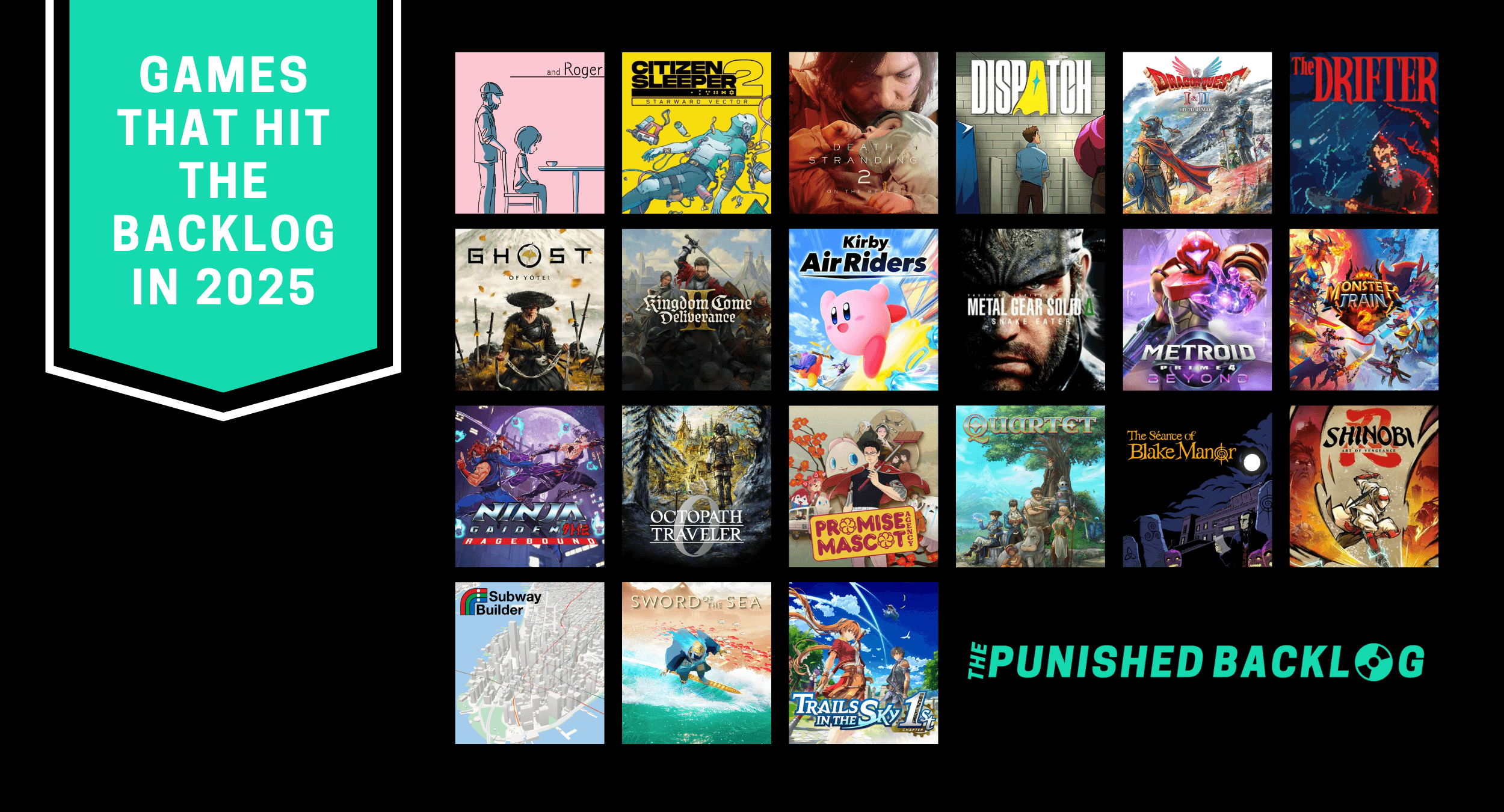
Games That Hit the Backlog in 2025
As evidenced by my 31-game list, I played a ton of games in 2025. Unfortunately, I also missed out on nearly as many. Here are the games from 2025 I fully intend to play in 2026… assuming they survive my never-ending backlog:
- and Roger (read Sam’s thoughts)
- Citizen Sleeper 2: Starward Vector (read Amanda’s review)
- Death Stranding 2: On the Beach
- Dispatch (read Kei’s review)
- Dragon Quest I & II HD-2D Remake (read Sam’s thoughts)
- The Drifter
- Ghost of Yōtei (read Sam’s thoughts)
- Kingdom Come: Deliverance II (read Clint’s review)
- Kirby Air Riders (read Sam’s thoughts)
- Metal Gear Solid Delta: Snake Eater
- Metroid Prime 4: Beyond (read Sam’s thoughts)
- Monster Train 2
- Ninja Gaiden: Ragebound (read Donovan’s review)
- Octopath Traveler 0
- Promise Mascot Agency (read Amanda’s review)
- Quartet
- The Séance of Blake Manor (read Amanda’s review)
- Shinobi: Art of Vengeance (read Donovan’s thoughts)
- Subway Builder (read Mark’s review)
- Sword of the Sea (read Sam’s thoughts)
- Trails in the Sky 1st Chapter
Note: Shout-out to the amazing Punished Backlog team, who dutifully covered 2025’s most interesting releases, both big and small. My backlog wouldn’t be so massive if they didn’t find and write about so many great gems.
Thanks for Reading! (And Some Parting Thoughts…)
We made it. Phew. I’m tired.
I don’t expect many (if any) to read this. Even my partner, who is featured in that Roottrees blurb, asked: “I can skip to the top 10, right?” It’s quite rare for me to write an article that mainly indulges me, not the audience, so if you happened to read even a portion of this 2025 reflection…
Thank you. It really means a lot that you’re here.
To friends, family, and my other family here at The Punished Backlog (especially Amanda and Sam): It’s been a fun year! Not politically, not career-wise, but in terms of joysticks and buttons. I appreciate y’all humoring this little website over the past eight, almost nine, years. Can’t wait for us to do this all over again next year!
Happy Holidays, and have a very Happy New Year.
Enough about me! What were your favorite video games of 2025? Let me know in the comments below.

David is the founder of The Punished Backlog. He has a problem finishing games he starts.
Just beat: Yakuza 0, Sleeping Dogs.
Working on: Ys VIII.
Can't wait for: GTA VI.
Follow David on Twitter at @David_Silbert to keep up to date with all things The Punished Backlog.