

As The Punished Backlog’s resident Old Games Guy, I often find myself advocating for retro games — however one may define such a term — for myriad reasons. Gaming history is something I value highly, and I often worry that the shiny new toys appearing on our wishlists with every passing month overshadow the thousands of other tremendous experiences of the past. Such treasures are no longer blessed with the privilege of recency.
Just as importantly, though: I also think a lot of these old games are just flat-out fun to play! Yeah, they might seem rough around the edges given their age, but they often have so much to offer. So many retro games feel like a breath of fresh air these days, especially as AAA game makers seem particularly risk-averse and reliant on big-name IP and remakes.
Still, I understand anyone’s hesitation towards playing games released decades ago. Maybe you’ve grown accustomed to the smoothness of modern gameplay systems, consistent updates, and free content drops. Maybe you find early 3D visuals ugly and distracting. Maybe you simply can’t stand wonky camera controls or a lack of basic quality-of-life features. Maybe you just don’t like the idea of playing games without voice acting.
I get it! There’s plenty of old games I bounce off of quickly and easily for any number of reasons. That said, I’m sure there are plenty of folks out there who want to get into retro gaming, and I think I can help those people, especially if they have some reservations about the actual feel of the experience. With that in mind, here’s a simple six-step guide on how to get into retro gaming.
The main reason I play these old games so much (and recommend them to others) is because I think they’re pretty damn good, often in ways I don’t experience in more modern fare.
(Author’s note: This guide contains no information pertaining to the access to or acquisition of old games and gaming platforms. I’m not telling you the best version of any game to buy, where to find good retro hardware, or how to emulate older games. With this piece, I’m trying to help you get into the right mindset before playing retro titles.)
Tip #1: Pick a Classic
If you’re considering older games to play and don’t know where to begin, don’t make this too complicated: Start with a beloved classic, especially if you can find a version on modern hardware.
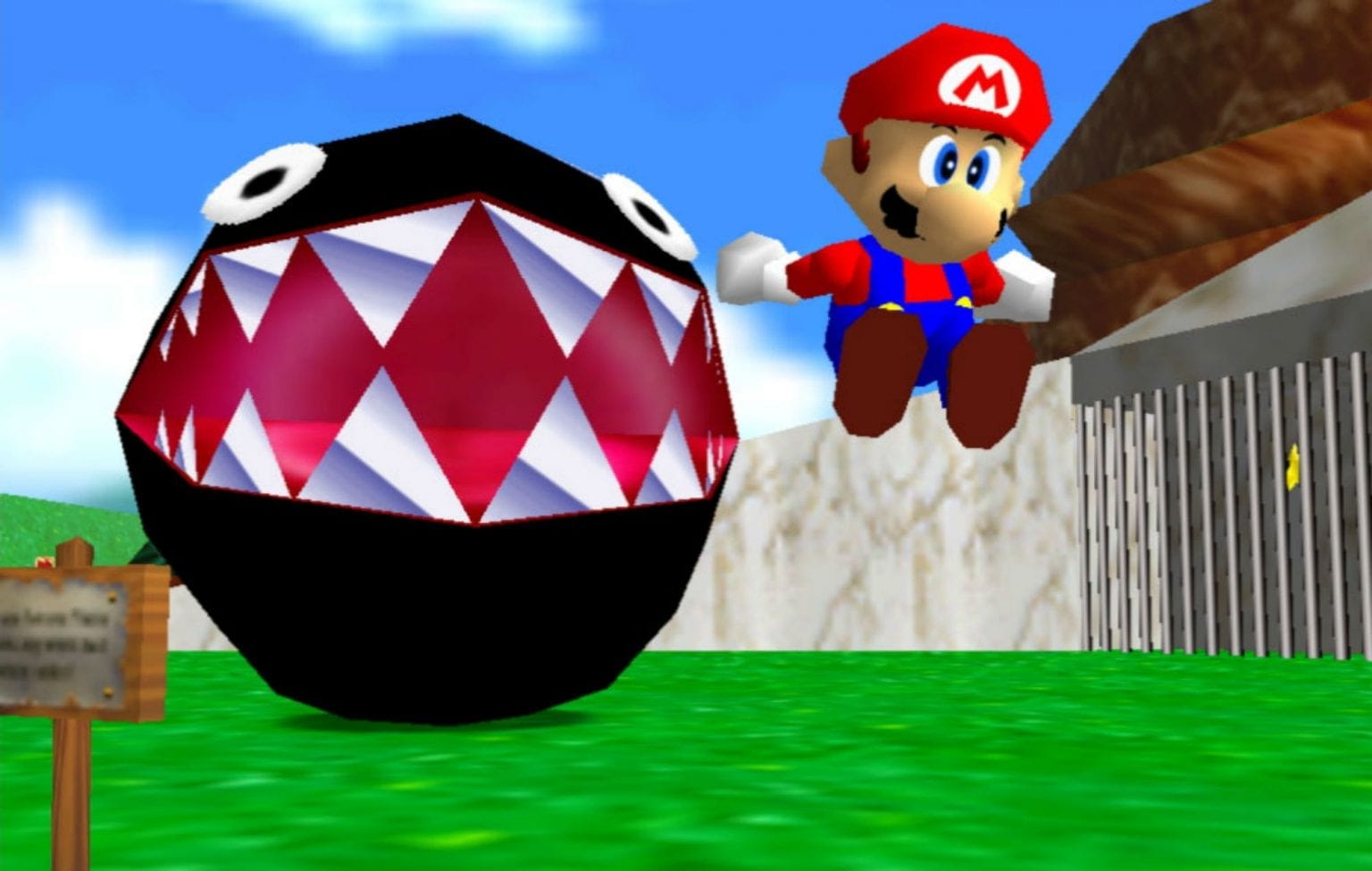
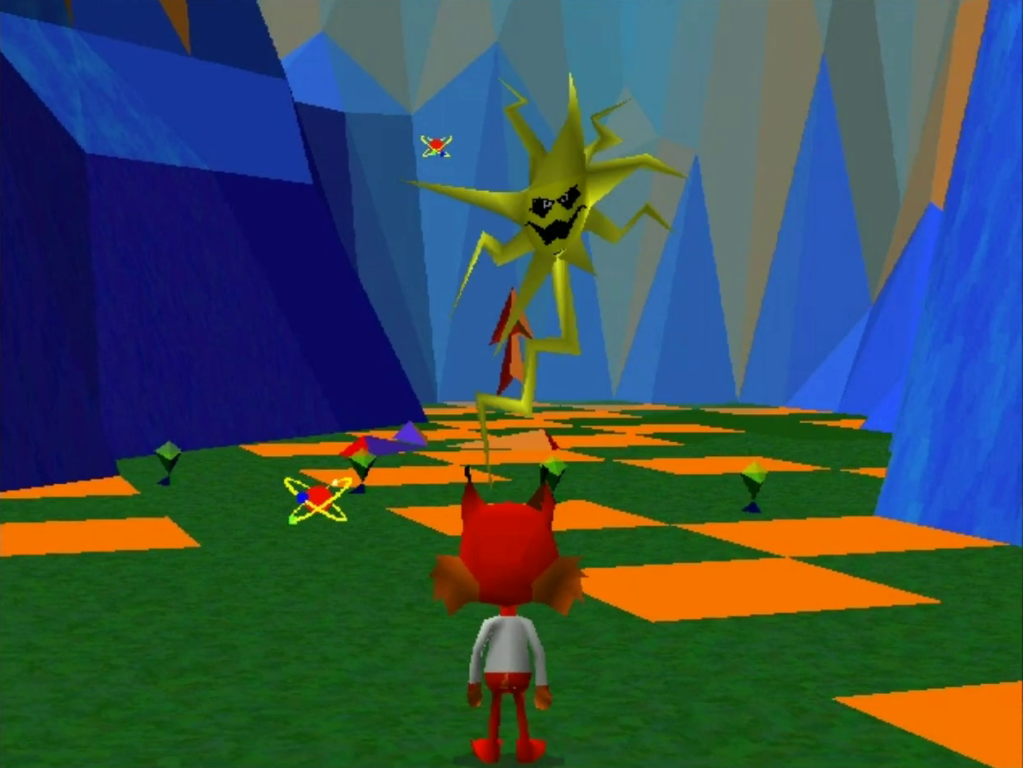
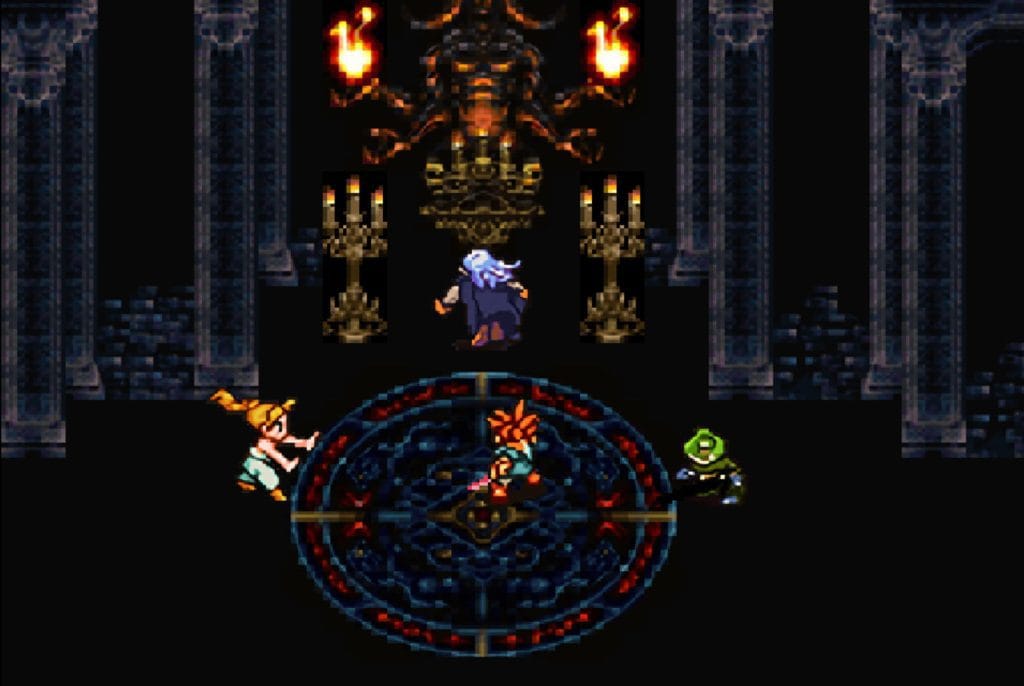
Want to get into 16-bit JRPGs? Try Chrono Trigger, Dragon Quest III, or Final Fantasy VI. Looking to try some early 3D platformers? Check out Super Mario 64, Crash Bandicoot, or Banjo-Kazooie. You don’t have to find something obscure or lesser-known; for the most part, the games that people still talk about are the ones that tend to hold up the best.
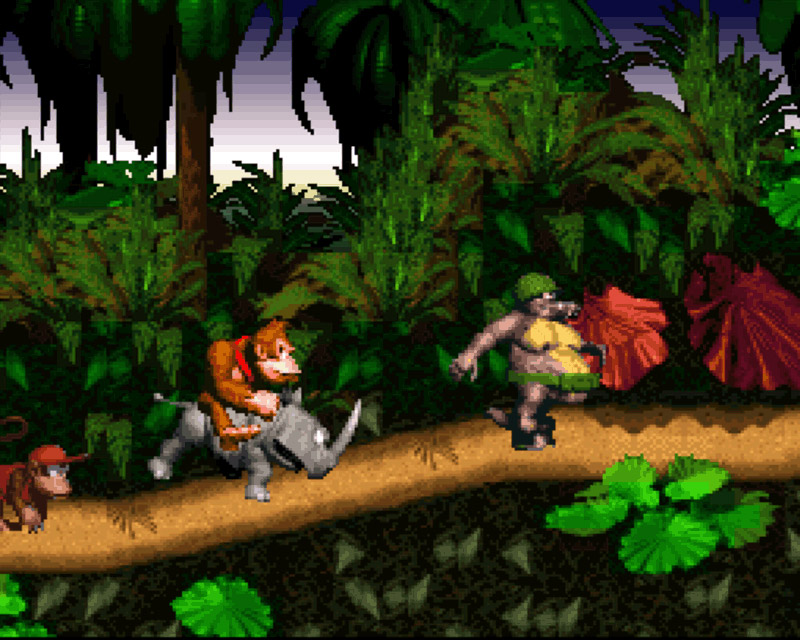
I understand the temptation to avoid the obvious answers here. For every all-time great Super Nintendo game, for example, there are dozens of potential gems lost to time. If you’re new to all this, though, don’t make things harder on yourself. The Legend of Zelda: A Link to the Past, Super Mario World, Donkey Kong Country, Mega Man X, and Super Metroid are still the best places to start for that console. Don’t feel the need to dive into Demon’s Crest or Blackthorne right away.
You don’t have to find something obscure or lesser-known; for the most part, the games that people still talk about are the ones that tend to hold up the best.
One last note on this: If you want to get into a particular franchise that you’ve never played before, you don’t have to always start with the first game in the series, or even necessarily the most beloved one. If you’ve never played a Zelda game before but think Wind Waker looks the coolest, start with that one! Nobody’s going to think you’re a filthy casual because you skipped Zelda II: The Adventure of Link.
Tip #2: Prepare for a Little Jankiness
As much as I love playing older games, I’m not going to pretend it’s always smooth sailing from a gameplay perspective. For instance, if you didn’t grow up playing Nintendo 64 or PlayStation games — and hell, even if you didn’t grow up playing GameCube or PlayStation 2 games — playing even the most-lauded titles of that time will be at least a bit wonky. In some cases, the best games of yesteryear would be considered unplayable by modern standards, with inconsistent frame rates, a difficult-to-control camera, and bugs that have never have been patched out.
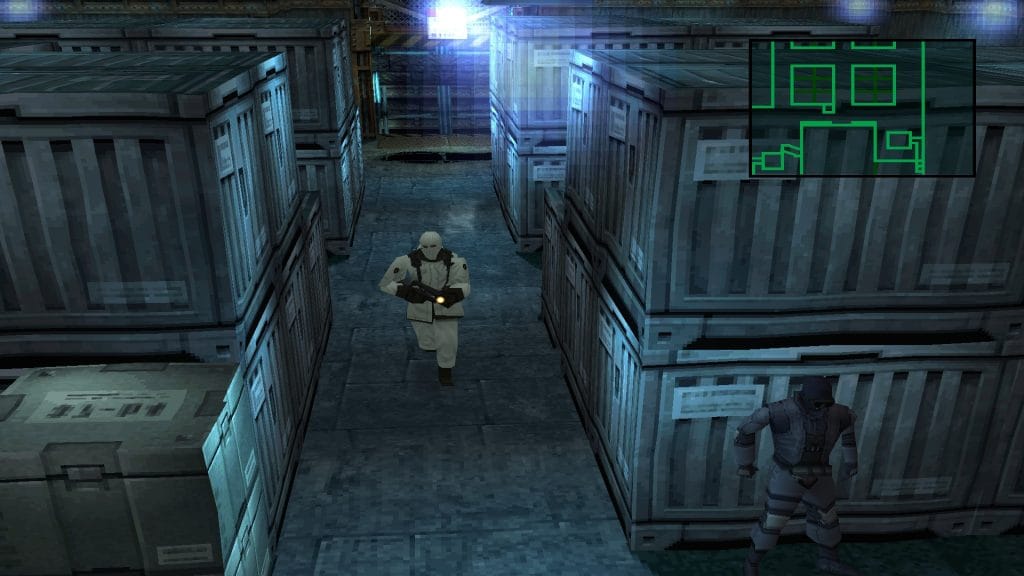
My advice? Mentally prepare yourself for some of this jankiness. If you go into Super Mario 64 knowing the camera’s going to be a little weird, you might find yourself getting used to it faster. If you try the first Metal Gear Solid with the understanding that you can never aim your weapons in first-person (or with any kind of crosshairs/reticle), you’ll know to approach tough combat sequences differently than you would in a newer game.
It’s not fair or realistic to hold games released during your childhood (or even many years before) to the exact same standards as games that come out nowadays. That doesn’t mean they’re inherently lesser experiences; it just means you have to adjust your expectations accordingly. If you do, you might even find yourself appreciating these weird elements of the past, since at the very least they could provide you with a gameplay experience you wouldn’t get from a AAA game now.
Tip #3: Don’t Shy Away From Guides/Walkthroughs
The biggest, most immediately noticeable difference between old games and new games has nothing to do with the size of in-game worlds or the details of the graphics; it’s that old games — ALL of which gamers purchased physically — came with printed manuals that contained loads of pertinent information on how to play the game. If that wasn’t enough, you could also go to a store (remember those?) and buy an official strategy guide that told you how to beat every level and every boss, the different ways you could level up your party, and how to find all the secret chests.
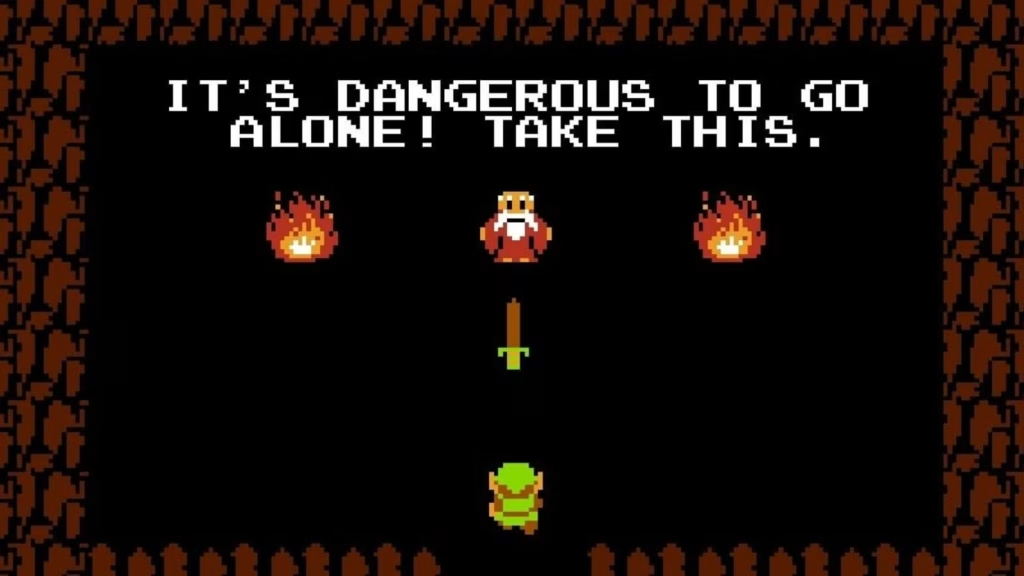
It’s essential to keep this in mind when playing a retro title for the first time. The games themselves typically didn’t explain everything in-game because, well, that’s what the manual was for. If you got stuck somewhere and didn’t know what to do, you could go to a Barnes & Noble and purchase the Prima guide. Hell, back in the 1980s, Nintendo had a hotline you could call to ask a real human person how to progress in NES games like The Legend of Zelda or Metroid. Walkthrough segments used to be a staple of gaming magazines as well!
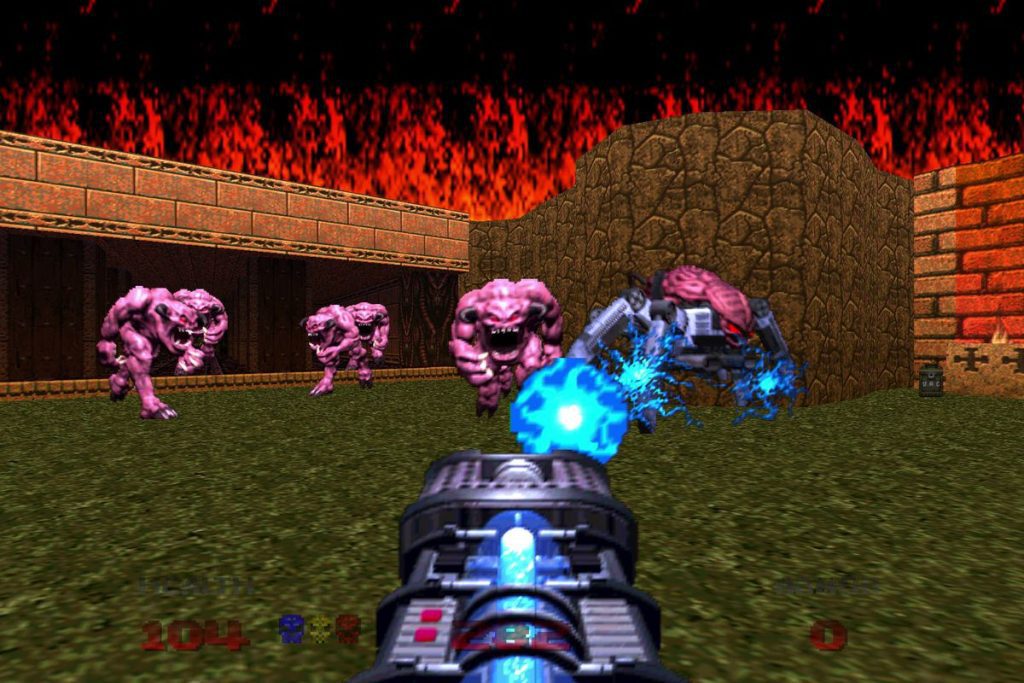
A lot of older games may feel extra challenging because of how little they explain to the player — at least relative to most games now — but they were made with the understanding that you could easily find this information, and that doing so was largely part of the whole gaming experience. If you’re confused and overwhelmed playing a retro game, just look up what to do. I play old games all the time, and I’m constantly Googling how to best use various leveling systems in retro RPGs or where to find secret keys in the original Doom titles. The games won’t always tell you what to do, and there’s no shame in admitting that sometimes you need a helping hand.
(Also, I’m sure plenty will disagree with me on this, but… It’s fine if you use save states or rewind features that sometimes come with retro ports on modern hardware. I do it all the time! These games can be excruciatingly tough and obtuse, and it’s okay to make it easier on yourself.)
Tip #4: Keep in Mind the Context of the Era
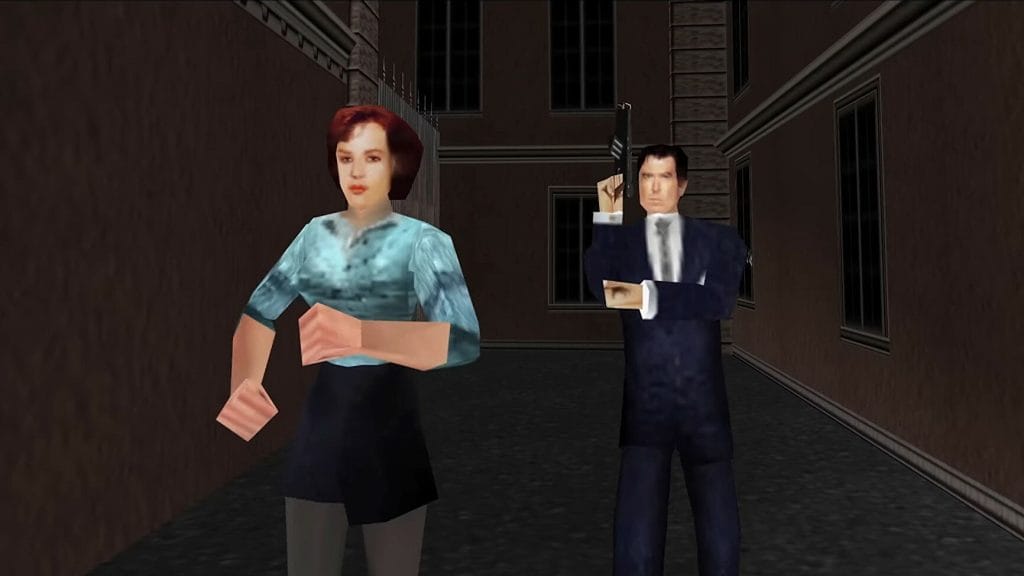
I was seven years old when I first played Goldeneye 007 for the Nintendo 64. At the time, there was simply nothing quite like it: A console first-person shooter that played like a dream (for its time), had incredible multiplayer options (for its time), and had some of the most exhilarating single-player missions I had ever seen (for its time).
If you play it for the first time now, though? You’d think it was dogshit, and you’d be right. The controls are terrible, the character models look ugly, and some missions have super weird difficulty spikes. Goldeneye kind of sucks not just by modern standards, but by standards established just a few years after its release.
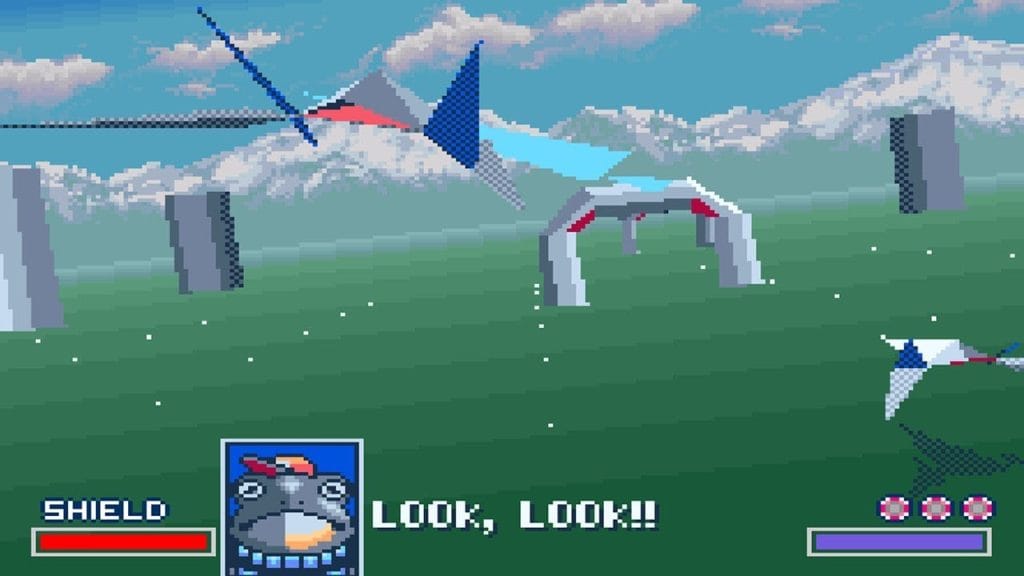
I still believe, though, that people who haven’t played Goldeneye before should give it a shot if they can (especially if they can do so with an actual N64 controller). It’s an essential part of video game history and still has a few nice surprises in its single-player campaign. If you do give it a shot, though, just remember that it probably won’t blow you away because it could only have done so in the late 90s, and it’s not the late 90s anymore (for better or worse). Same goes for early 3D console games like the original Star Fox: It might look terrible now, but imagine seeing it for the first time in 1993. It would have blown your mind!
In some cases, you should think of playing old games that pioneered certain mechanics or genres the way you look at movies with early uses of CGI. The first Terminator film — which I still love, by the way —looks pretty goofy in some areas. But whenever I rewatch it, I try to imagine myself in a theater in 1984, witnessing examples of visual effects that didn’t really exist before. Think of Goldeneye, Perfect Dark, Turok, or any other early console FPS that way and I bet you’ll have a good time with it. Well, at least maybe a slightly better time.
Tip #5: Appreciate the Visuals for What They Are
One of my hotter video game takes is that as graphics get “better” — i.e. more detailed and realistic — the games themselves sometimes look worse than they used to.
I know what I just said sounds ridiculous, but hear me out for a second: If every game looks as close to reality as possible, then they all start to look the same. An oak tree in one game should look like an oak tree in any other game. In theory, the sky is just as blue in feudal Japan as it is in Lemoyne. There’s less character to each video game world as a result.
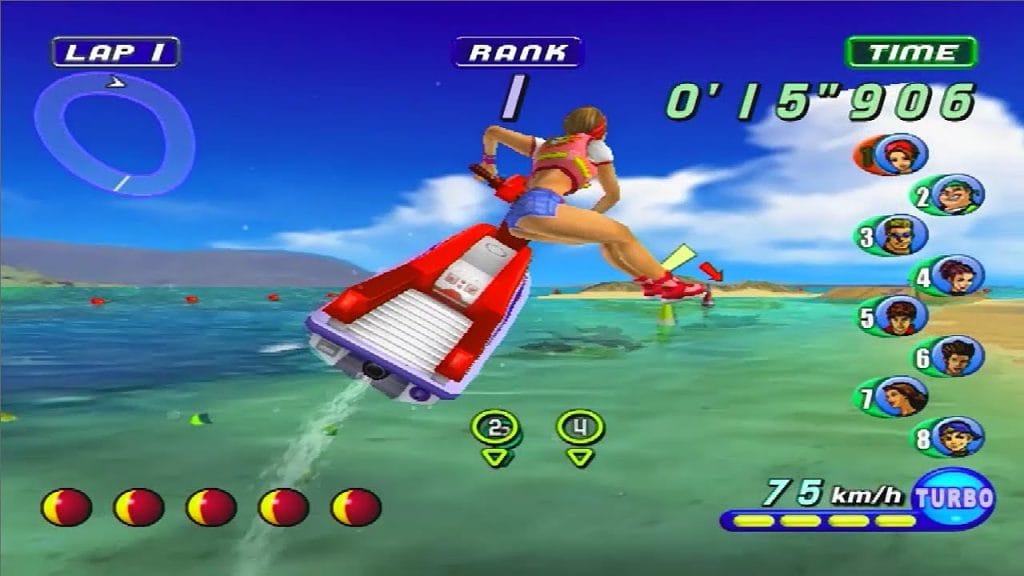
When you look at the aesthetics of older titles, though, whatever art direction they choose is more likely to stand out, since none of these digital worlds could have ever looked real in any meaningful sense. Instead, many of these classics creatively used broad color palettes and lighting techniques to make environments look more interesting and inviting, though hardly “real.”
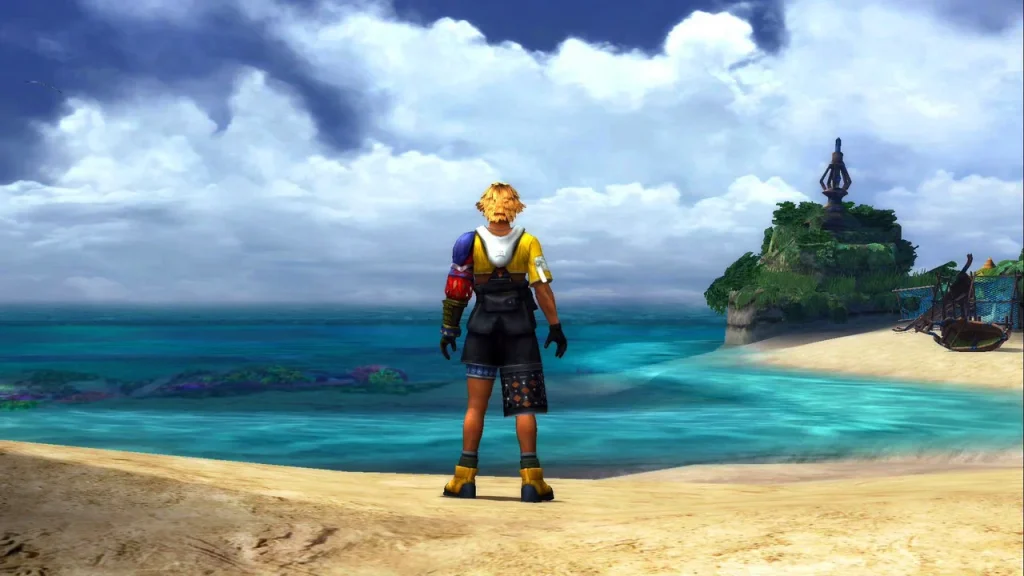
The ocean water in early 2000s games like Final Fantasy X, Kingdom Hearts, Super Mario Sunshine, and Wave Race: Blue Storm is vibrant and gorgeous, but never really looks like an actual ocean. The pre-rendered backgrounds of ’90s JRPGs were static images, but they contained tons of impressive details nonetheless; such details are more likely to go unnoticed in modern games, especially since players have full camera controls in basically every AAA game they play.
Instead of focusing on what looks obviously worse in these older games (facial animations, hair physics, etc.), try to appreciate what visual elements they chose to highlight, and what feels aesthetically pleasing. For example, every cutscene in Final Fantasy X — a game I’ve been playing for the first time recently — has out-of-sync voice acting and weird ragdoll-like movements, but I’m more focused on the color palettes of each character’s outfit, the beautiful pre-rendered vistas, and the pomp and grace of each of Yuna’s summons.
Tip #6: Remember: This Is Supposed To Be Fun!
Ultimately, it’s fine if you try out a bunch of old games and bounce off every single one. You shouldn’t feel like any less of a “real gamer” (I shuddered just typing that) if you focus primarily on newer games than retro ones. If something fails to resonate with you, move on and embrace something that does.
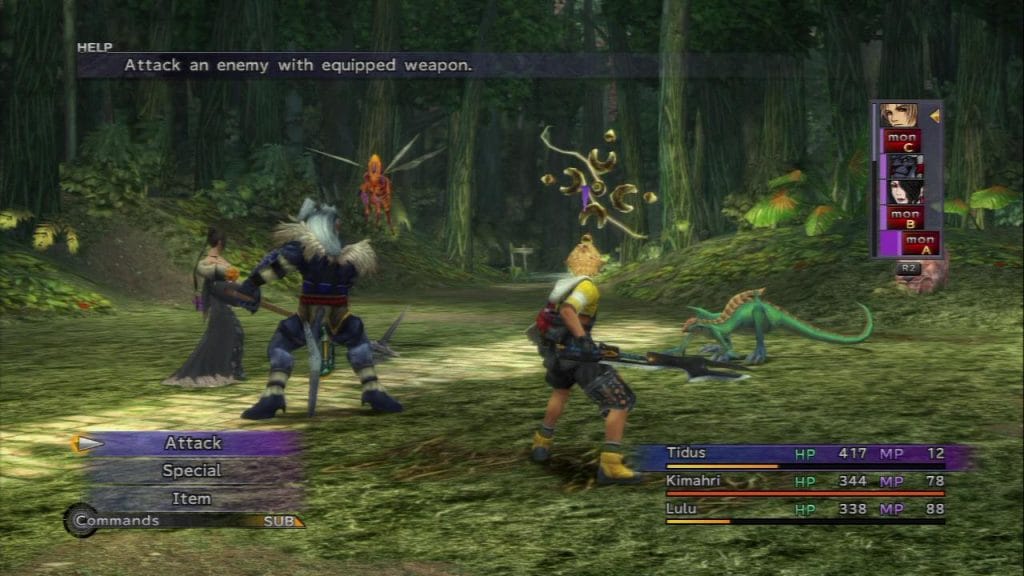
I encourage players of all stripes to give older games a shot whenever they can, but at the end of the day, you’re here to have a good time. If the random encounters and fully linear nature of Final Fantasy X doesn’t seem like a lot of fun, don’t play it. If the polished stealth action mechanics and hotness of the characters in this year’s 007 First Light appeal to you more, just play that!
As much as I enjoy the “retro games as research” side of things, the main reason I play these old games so much (and recommend them to others) is because I think they’re pretty damn good, often in ways I don’t experience in more modern fare. I want to share that feeling with others, but only if they’re curious to find it.
Like I’ve said before: Try playing a game at least 20 years old sometime soon. For all you know, you just might fall in love with it.
How do you approach playing retro games? Let us know in the comments!

Sam has been playing video games since his earliest years and has been writing about them since 2016. He joined The Punished Backlog in 2017 and became an Editor in Fall 2021. He’s a big fan of Nintendo games and complaining about The Last of Us Part II. You either agree wholeheartedly with his opinions or despise them. There is no in between.
A lifelong New Yorker, Sam views gaming as far more than a silly little pastime, and hopes through critical analysis and in-depth reviews to better understand the medium's artistic merit.
Bluesky: @sam-martinelli.bsky.social







1 Comment
totally on point guidance here. i never would’ve played chrono trigger without your advice! i’m so glad i did. maybe i’ll get around to another retro game soon…