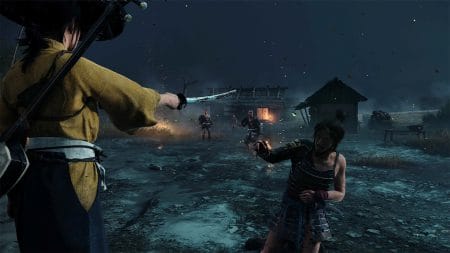
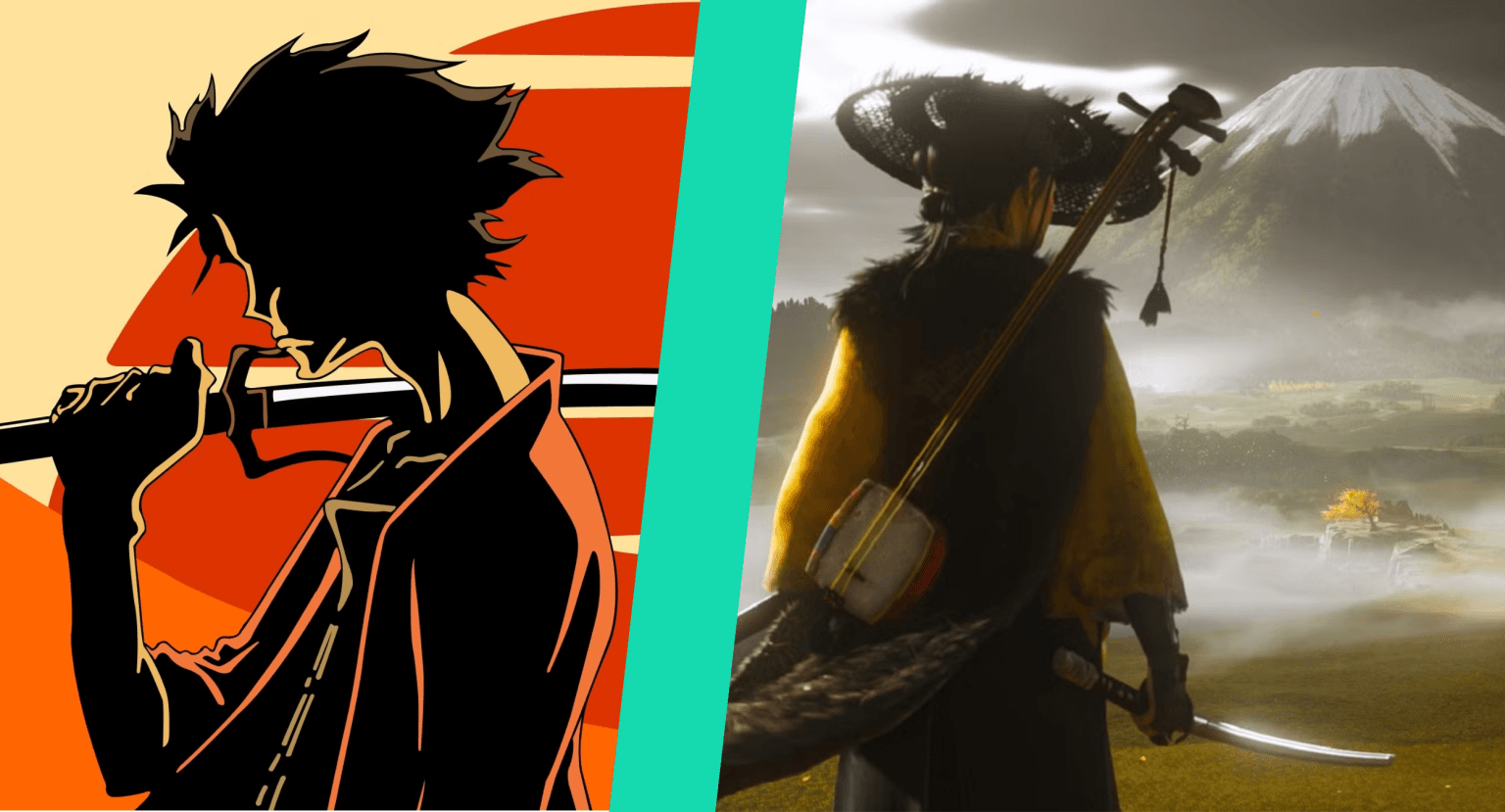

Watanabe Mode is what sold me on purchasing Ghost of Yōtei.
Samurai Champloo isn’t just an anime to me: It’s a sacred text. It’s a story about found family and trauma bonding, about being broke and hungry and still finding scraps of joy.
Champloo takes its name from “chanpuru,” the Okinawan stir-fry dish, a mixture of ingredients that shouldn’t work together but somehow do. That’s the series in a nutshell: Edo-period Japan, chanbara cinema, boom bap hip-hop, laughter, swagger, and melancholy. Standalone episodes that feel disconnected until they suddenly aren’t.
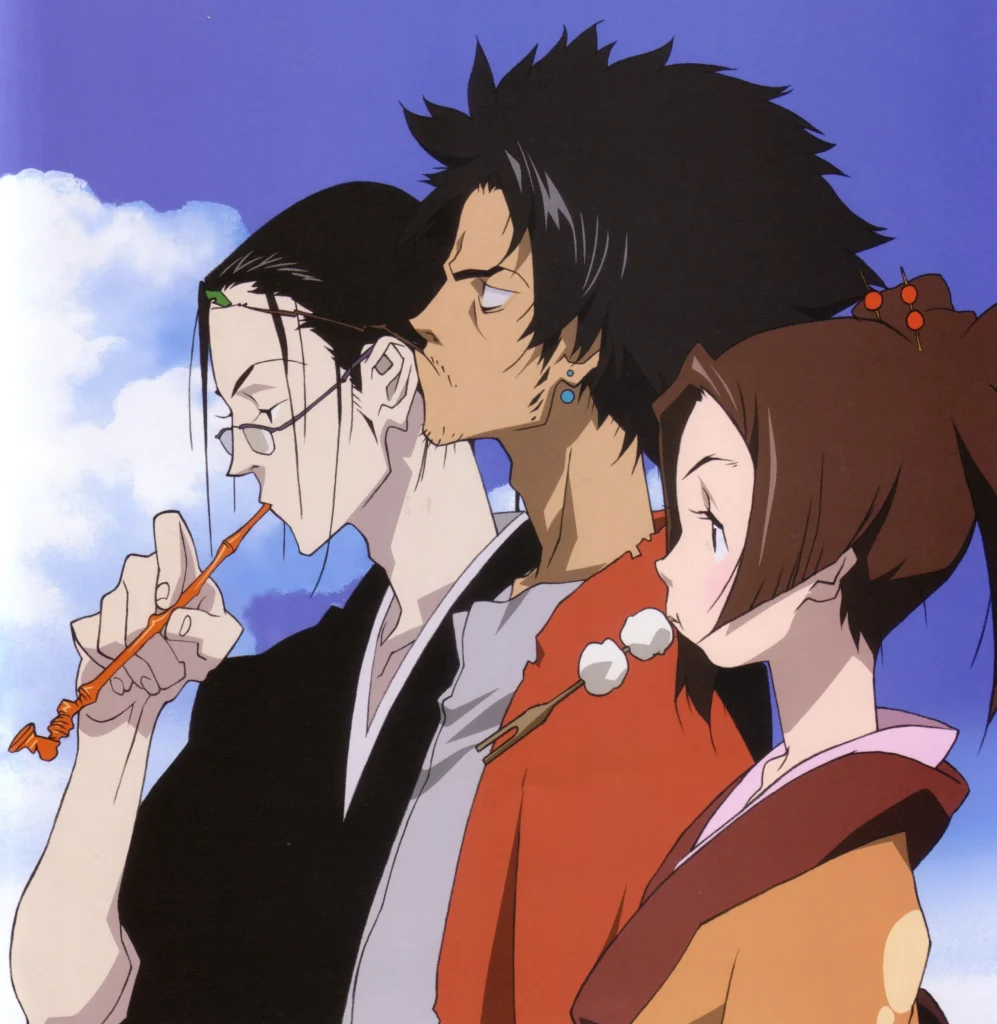
The music, produced by the late Nujabes alongside Fat Jon, Tsutchie, and Force of Nature, wasn’t just background noise. It was the soul of the show.
So when I saw “Watanabe Mode” listed in Ghost of Yōtei, I was in. On paper, it made perfect sense. Like Champloo, Yōtei meditates on themes of grief and revenge, on reconciling with a painful past, and on the transient comfort of found family. Atsu begins her journey prepared to die once her vengeance against the Yōtei Six is complete — a mindset that echoes the self-destructive figures scattered throughout Watanabe’s anime.1
I expected Watanabe Mode to transform the entire experience, to flood the world with chill, melancholic hip-hop energy the way Champloo once did. Instead, what I got was something subtler: short, focused, and intentional. Not a revival, but a nod, an echo — a ghost of the anime and its stellar soundtrack. And maybe that minimalism is the point.
I expected Watanabe Mode to transform the entire experience. Instead, what I got was something subtler.
So I let the tracks play. These are the Watanabe Mode songs in Ghost of Yōtei that hit me the hardest, and the Samurai Champloo cuts that carry the same DNA.
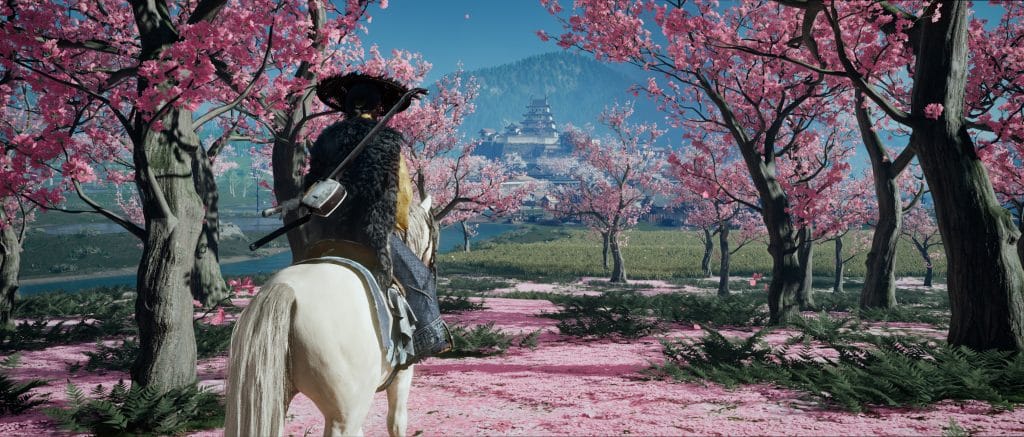
“1st Refrain” – Sweet William
“1st Refrain” carries wandering energy. It settles into your rhythm rather than demanding attention, making it perfect for sauntering through towns or forests without a destination in mind. It echoes the ambient tracks that followed Mugen, Jin, and Fuu as they drifted from place to place, surviving on scraps and shared purpose.
If roaming Yōtei feels right with this playing, extend it with:
- “Mists” – Tsutchie
- “Raw material” – Tsutchie
- “Stay” – Fat Jon
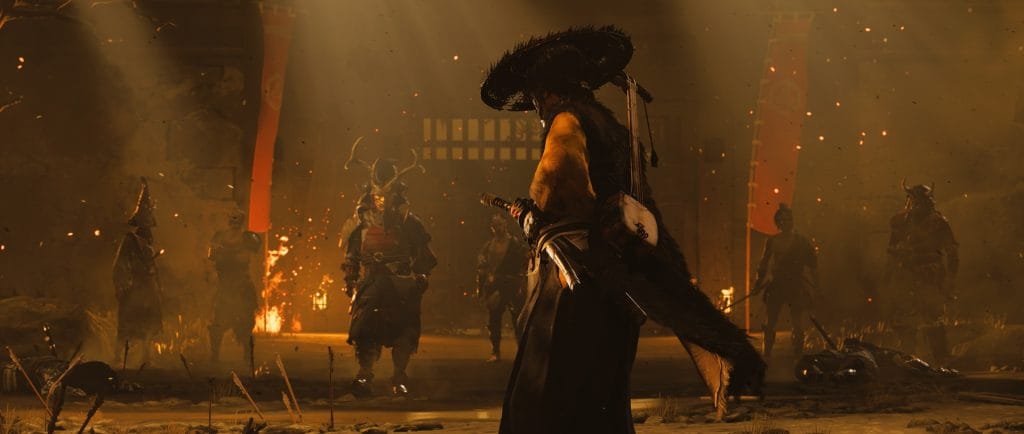
“Rei and Retribution” (feat. Asuka & Keizan Tanabe)
If there’s one track in Watanabe Mode that truly captures the spirit of Samurai Champloo, it’s “Rei and Retribution.” Traditional Japanese instrumentation collides with boom bap drums and freeform jazz improvisation, the beat shifting unexpectedly before snapping into motion. It feels like the breath before a duel — the breath that could be your last. It’s that quiet moment when Atsu stares her opponents down, hands hovering over her swords. There’s a reason it plays during combat: It makes you lock in.
If this one hits, extend the duel with:
- “1st samurai” – Nujabes
- “Sneak chamber” – Force of Nature
- “Death wish” – Force of Nature
- “Dead season” – Nujabes
- “Reflective” – Tsutchie
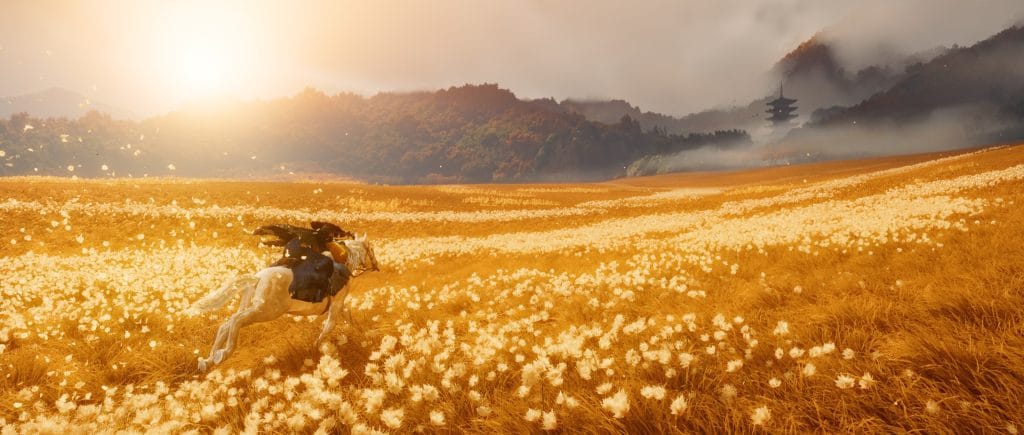
“Atsu’s Theme” (Sweet William Remix)
Atsu’s theme remix slows things down and lets the drums breathe. The beat knocks steadily while a flute melody drifts across it, blending hip-hop percussion with something older and more traditional. It feels like walking beside a frozen river, cold air in your lungs on your way to a warm fire waiting somewhere ahead.
The original theme stands strong on its own, but this remix adds that Champloo sensibility.
If you want similar vibes, try:
- “The space between two world” – Nujabes
- “How you feel” – Fat Jon
- “Ask” – Fat Jon
- “Pretending to…” – Tsutchie
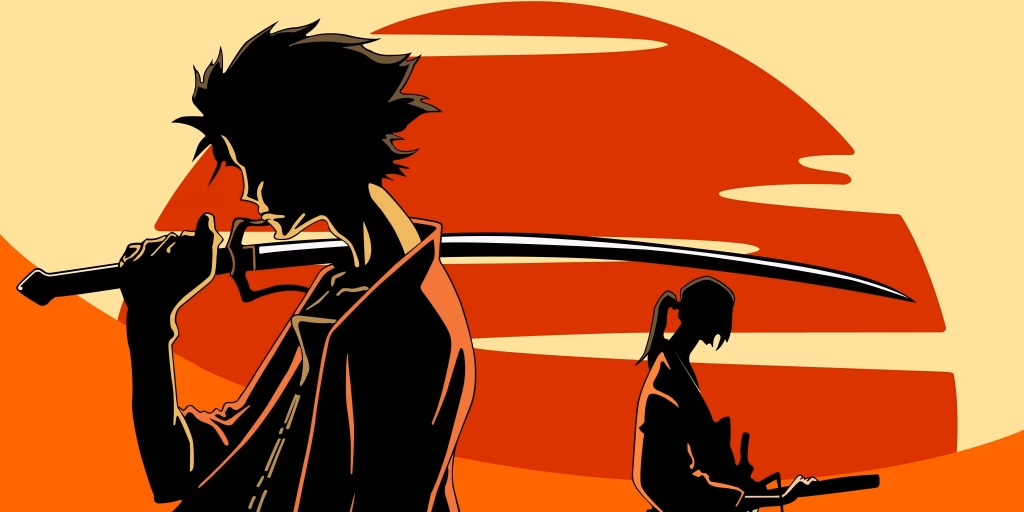
Songs of Seasons
Watanabe Mode is short and sweet. Every track works. But it isn’t a full transformation of Ghost of Yōtei into Samurai Champloo.
It’s seasoning.
Samurai Champloo was the full chanpuru dish — the messy, beautiful mixture of grief, friendship, swagger, hunger, and impermanence that defined a generation. It was samurai cinema folded into boom bap. Blood staining fresh snow. Endings disguised as road trips.
Ghost of Yōtei carries that same melancholy, with themes of reconciling with the past and the fragile comfort of found family. But where Yōtei lingers in bitter winter, Champloo reminds us that even winter gives way to spring.
Champloo taught me that love can be born in tragedy and die in tragedy, and that even the closest friendships can be seasonal. It taught me that no matter how strong the bond, we all eventually have to walk our own paths down separate roads.
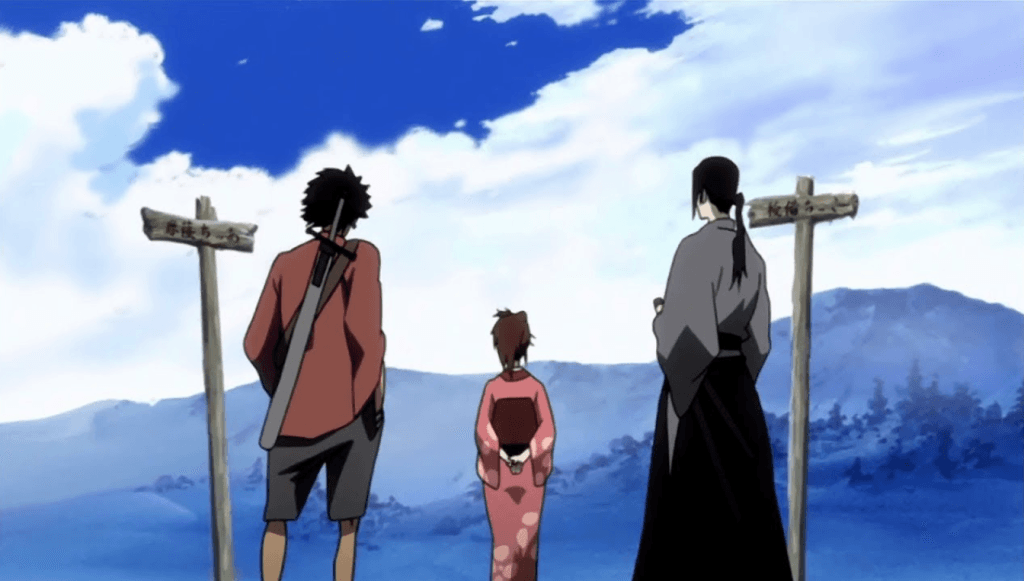
Sometimes, those paths converge again. Sometimes they don’t. And that’s okay. That’s life. A majority of the episodes end with the theme “Shiki no Uta” (“A Song of Seasons”) for a reason: It’s a reminder that everything moves in cycles.
Where Yōtei lingers in bitter winter, Champloo reminds us that even winter gives way to spring.
Watanabe Mode drizzles a little boom bap over steel and snow, mixing up the flavors of Ghost of Yōtei’s soundtrack. It evokes the memory of the anime. But it isn’t the whole dish — and it doesn’t need to be.
If it leaves you wanting more or reminds you of the series, that might just mean the seasoning in the chanpuru worked.
If it did, check out the extended “Ghost of Champloo” playlist I curated to roam the wilderness in Ghost of Yōtei.
- Editor’s note: Shinichirō Watanabe is a legendary anime director, best known for Cowboy Bebop, Space Dandy, Samurai Champloo, and many other works. ↩︎

Donovan is a lifelong gamer with a love for fast-paced, single-player action games—especially Devil May Cry, Metroidvanias, indies, and action RPGs. He’s also an “advanced scrub” at fighting games and will play just about anything fun. Donovan is passionate about seeing more diverse characters and creators in the industry—or at least better hair options for Black people. With over a decade in journalism, he joined The Punished Backlog in 2023 to write more about what he loves. Follow him on Twitter and Instagram @dono_harrell.