

Last year, I wrote about how my first trip through Fallout 3 and Fallout: New Vegas became unexpectedly therapeutic. I’d never touched a Fallout game before Amazon’s TV adaptation debuted, but the show burrowed into my brain.
I’m extremely excited for season two of the show, set to premiere soon, especially since I’ve been digging even deeper into the series for the past year. I’ve expanded my journey into Fallout 4’s Commonwealth and dug into lore I’d missed from the first two games.
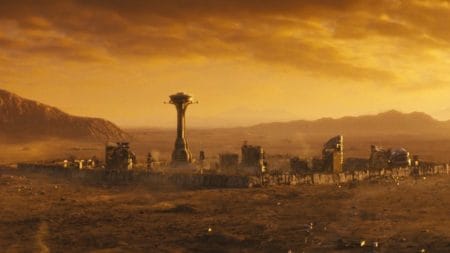
This year brought a new round of life’s punches, and once again I found myself turning to the wasteland for comfort. The core elements of Fallout — the oldies soundtracks, the lonely highways, the eccentric survivors making the best of impossible circumstances — keep me grounded at times when everything feels as unstable as plutonium and uranium.
I primarily found solace through the games’ music, spending late nights listening to full recordings of the in-game radio stations on YouTube. That’s how I stumbled onto a channel that quietly became one of my favorite discoveries of the year: Good Knights Sleep.
Burning the Midnight Oil
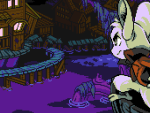
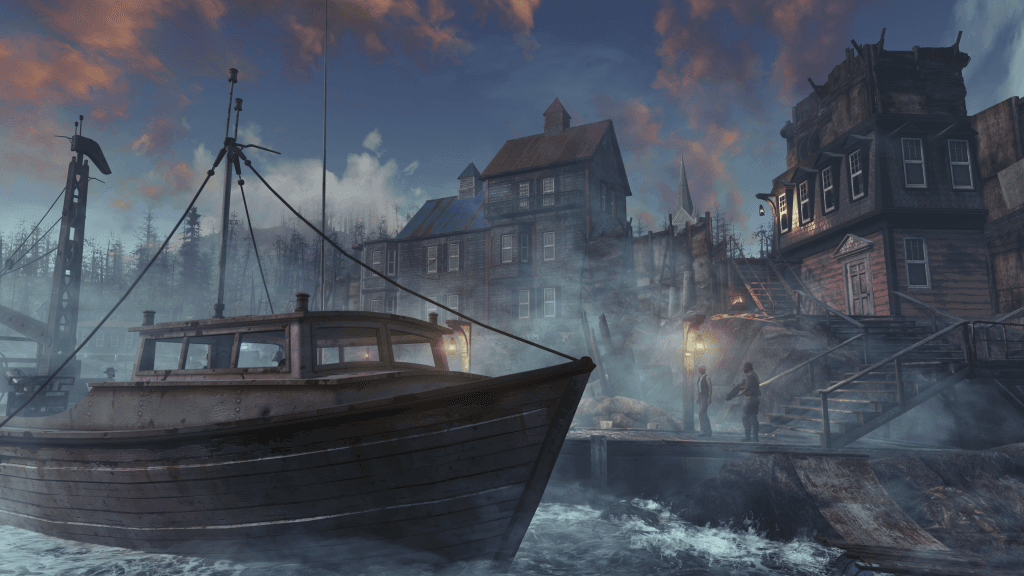
Run by Scottish actor and writer Kevin Mains, Good Knights Sleep produces long-form, narrative-driven ASMR broadcasts set in fictional universes like Fallout, Star Wars, Elden Ring, and Resident Evil. Mains voices nearly every character, showing off an incredible range. But the gem of the channel, and the one that hooked me instantly, is “The Midnight Oil,” a series of late-night Fallout-themed call-in broadcasts hosted by DJ Radz, “the ghoul with the golden voice.”
These six episodes, each an hour of story followed by five hours of oldies-inspired ASMR music, are comfort food for anyone who loves Fallout or just needs help winding down. They’ve done wonders for my sleep schedule. But they’ve also given me something deeper: They let me revisit the emotional space these games opened for me last year, now in a format that’s gentler, warmer, and unexpectedly profound.
These episodes have done wonders for my sleep schedule. But they’ve also given me something deeper.
Each broadcast unfolds like a fully produced radio drama, blending Fallout-style humor, melancholy, and world-building with callers from every corner of the wasteland. They comment on major events from the games, share personal stories, and introduce new bits of lore that fit neatly within Bethesda’s world.
The callers range from earnest wastelanders trying to make ends meet, to teddy-bear obsessed raiders, to zealous Children of Atom preaching the virtues of intentional radiation exposure. There are even familiar companions like Strong from Fallout 4.
Between the calls are satirical ads for products that treat various wasteland maladies and dusty tunes, one of which is entirely produced by the channel. The result feels like a fully realized radio station you might stumble upon while wandering the Mojave at three in the morning.
Revisiting the Wastelands
I won’t spoil the storylines of each broadcast, but I’ll give you a brief rundown of what to expect during the series:
Broadcast 1 pulled me in right away with its loose, chaotic tone. The broadcast introduces DJ Radz, his sense of humor as dry as his irradiated skin, and other residents of the wasteland. It opens with a molerat-fueled heist, jumps to glitchy androids trying to imitate human behavior, then caps it off with the Children of Atom preaching the “good word” of radiation exposure. It’s funny, weird, and very Fallout. It sets the stage perfectly for what’s to come.
Broadcast 2 introduces the show’s first big mystery. A surprisingly compassionate super mutant calls in, smashing things between attempts to reconnect with its lost human emotions through music. Then several wastelanders share stories about the same strange dream about a pre-war life, and Radz tries to figure out why they’re all having it. It builds toward an emotional payoff I didn’t expect.
Broadcast 3 is my personal favorite, and my go-to broadcast when I’m feeling especially restless. Wastelanders call in reporting strange incidents where people repeat the same actions every single day, like they’re trapped in a time loop. Strong from Fallout 4 even calls in to complain (something he’s an expert at) and ponder the phrase “history repeats itself.” Eventually, a time loop hits the broadcast itself. Radz and a handful of callers work to unravel the mysteries of the loop before it plunges the wasteland into a perpetual Groundhog Day.
Broadcast 4 shifts gears into a political debate in the town of Dusty Gulch. One candidate is a brahmin-feed farmer who represents the “everyday” wastelander, and the other is a Mr. Handy named Ballot Bot, programmed for pure logic and fair governance. Their debate starts light but soon forces both to confront old secrets, and the two end up solving a crisis that threatens the entire election. It feels like a classic Fallout side quest.
Broadcast 5 takes Radz on the road to the Mojave. He interviews Eddie “Tunnel Rat” Vasquez, a former NCR combat engineer turned Vault-Tec vault explorer who survived some of the most tragic vaults in the region. Vasquez describes vaults built on gambling, failed agricultural experiments, and the one that cost him his whole squad. Mains’ acting really shines here, capturing the earnestness and trauma of someone who has seen the worst the wasteland has to offer but still finds meaning in exploring it.
Mains’ acting really shines here, capturing the earnestness and trauma of someone who has seen the worst the wasteland has to offer but still finds meaning in exploring it.
Broadcast 6 is a Halloween episode, and it leans fully into creepy wasteland ghost stories and urban legends. Callers talk about haunted casinos, deceptive cannibal towns, and deathclaws rampaging across the wastes in search of their missing eggs. Fans of the series will recognize a lot of these locations and creatures, but the retellings make them feel fresh and unsettling. It’s atmospheric in all the right ways.
A New Kind of Wasteland Comfort
I’ve listened to these broadcasts for months — cycling through them when I can’t sleep, when I need to decompress after work, or when I just want something cozy and familiar playing in the background. They’ve become a small ritual of calm during a turbulent year, offering a mix of storytelling, humor, and world-building that feels as therapeutic as my early journeys through the Capital Wasteland and the Mojave.
These broadcasts have become a small ritual of calm during a turbulent year, offering a mix of storytelling, humor, and world-building that feels as therapeutic as my early journeys through the Capital Wasteland and the Mojave.
And the channel isn’t just about Fallout. I recently turned on the “Raccoon City” broadcast while cleaning my apartment and had to stop several times just to appreciate how good it was. The production values are impressive, the performances heartfelt, and the writing stays true to the universes the channel borrows from.
If you love Fallout, narrative ASMR, or just need something soothing to help you drift off (despite the tales of hyper-violent robots and deathclaws), I cannot recommend Good Knights Sleep enough. It’s become one of the most unexpectedly meaningful parts of my year.

Donovan is a lifelong gamer with a love for fast-paced, single-player action games—especially Devil May Cry, Metroidvanias, indies, and action RPGs. He’s also an “advanced scrub” at fighting games and will play just about anything fun. Donovan is passionate about seeing more diverse characters and creators in the industry—or at least better hair options for Black people. With over a decade in journalism, he joined The Punished Backlog in 2023 to write more about what he loves. Follow him on Twitter and Instagram @dono_harrell.