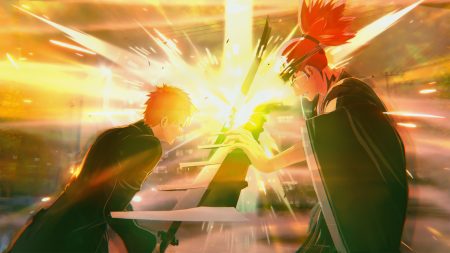

We here at The Punished Backlog have written previously about our shared histories with the “Big Three” of 2000s anime: Naruto, One Piece, and, most importantly to me, Bleach. Each helped carry anime out of the doldrums of the ‘90s and into the Hot Topics of 2005, with prime-time television slots and good-to-pretty-okay-I-guess dubs. In time, each settled into its cultural touchstone: Naruto ended and transitioned into a lackluster sequel series that is now more filler than content. One Piece is still going, buoyed by strong sales and a surprisingly good live-action series. But Bleach? Bleach just sort of… ended.
Bleach was the most “of the moment” of the Big Three. Tite Kubo, mangaka and creator of Bleach, was fascinated with two things: the balance between life and death and outrageous streetwear. Volumes of Bleach were filled with artistic doodles of main characters rocking the height of 2000s fashion, supplemented by genuinely good poetry written by Kubo himself. Always targeted at a slightly older audience than Naruto or One Piece, Bleach also struggled with one clear problem: Kubo always knew what the ending was. And, for a variety of reasons, we never got that proper ending.
Until now.
A Hollow Ending
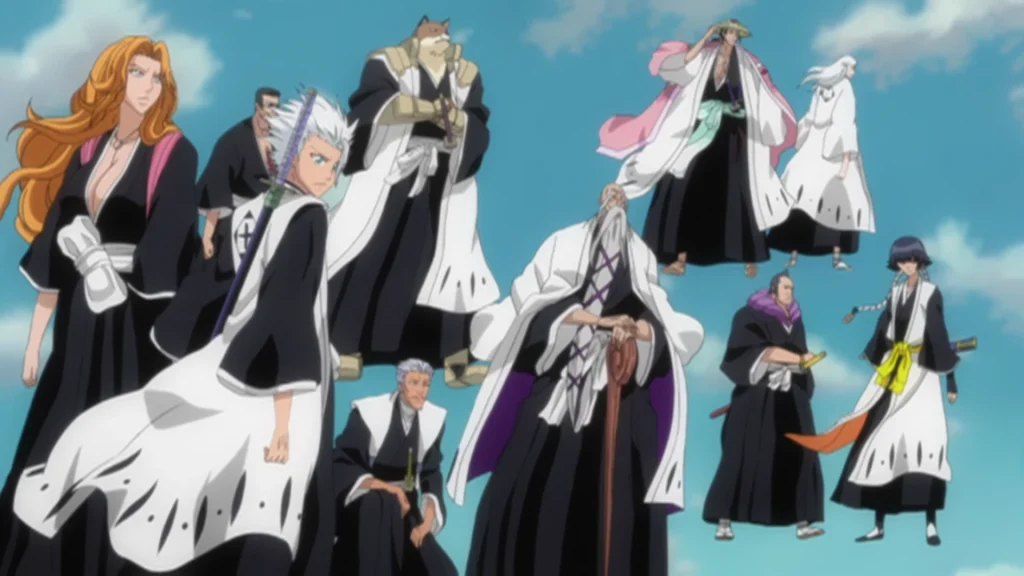
When the Bleach anime ended in March 2012, Kubo was still in the process of wrapping up the story he wanted to tell. The culmination of Bleach was just beginning within the pages of Weekly Shonen Jump, with the invasion of SPOILERS by the SPOILERS, led by SPOILERS. With no additional manga content to adapt, the Bleach showrunners had a choice: Spin up another filler arc, which had long become an issue with watchers of the Bleach anime due to their sheer prevalence, or wait for Kubo to finish. With dwindling viewer numbers, and a fear that Bleach’s moment had passed, it was decided the anime would simply end. No further stories; no adaptation of Kubo’s true ending.
You see, the other issue presenting Bleach was that one arc before the anime’s final story, it felt as if the story was truly done. It was a culmination of most story threads before it, ending with the defeat of the long-standing central villain. What followed was clearly a filler arc (so Kubo could wrap up the canon arc) and then an arc clearly designed to transition into Kubo’s final story. Take it from me, your resident Bleach defender: Both of these storylines stink. So to end on the canon stink left a bad taste in fans’ mouths. Although folks on the internet promised the REAL ending was still coming, anime-only viewers were left without. Instead, all they received was a relatively unsatisfying finale of an unsatisfying arc.
In 2016, Bleach wrapped its run in WSJ to minimal fanfare. What once was one of the biggest anime franchises in the West simply ended. And TV audiences were given no opportunity to see what Kubo wanted them to see.
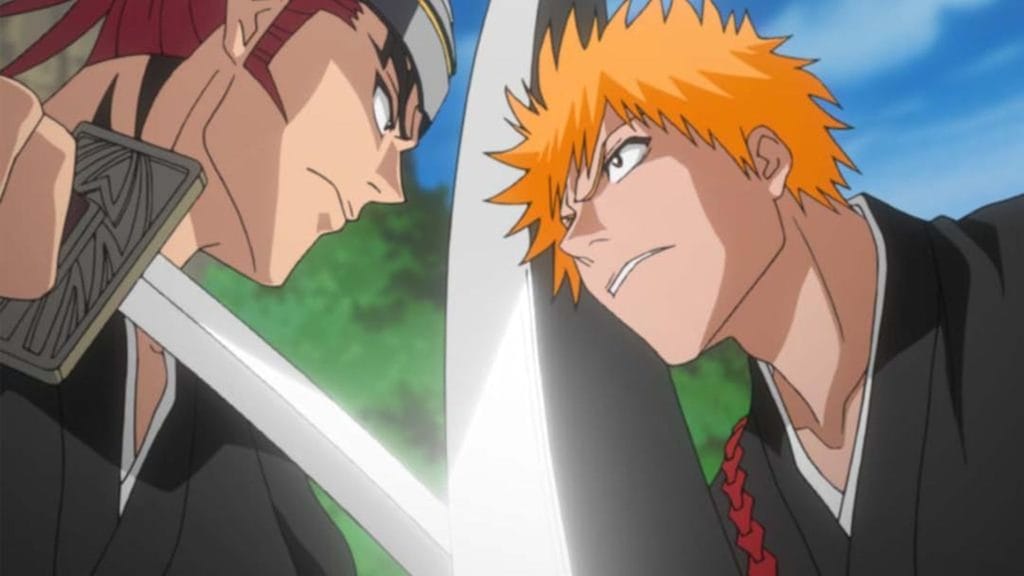
The 40-Month Blood Wait
So began the long process of fans begging for an anime adaptation of Bleach’s final arc. Kubo himself kept the fanbase active, posting often on a personal blog, answering universe questions, and hinting that there was still more story for him to tell. Burn The Witch, set in the same universe as Bleach, began with a one-shot in 2018 and became serialized in 2020, but never reached the same fervor as Kubo’s previous work.
Then, in 2020, the fires were lit. An adaptation of the “final” Bleach arc, titled The Thousand Year Blood War, was announced to be in development. There was much rejoicing. But then, in the time before TYBW was released, Kubo had another surprise.
Published in celebration of Bleach’s 20th anniversary, a new 73-page Bleach chapter was released in WSJ called “No Breathes from Hell.” The chapter checks in with the universe 12 years in the future, and ends on one hell of a cliffhanger (pun intended). Now, suddenly, there was even MORE story that folks wanted to see, coming from both the anime-watching and manga-reading sides. But the fabled “Hell” arc was never spoken of again.

So Why Now?
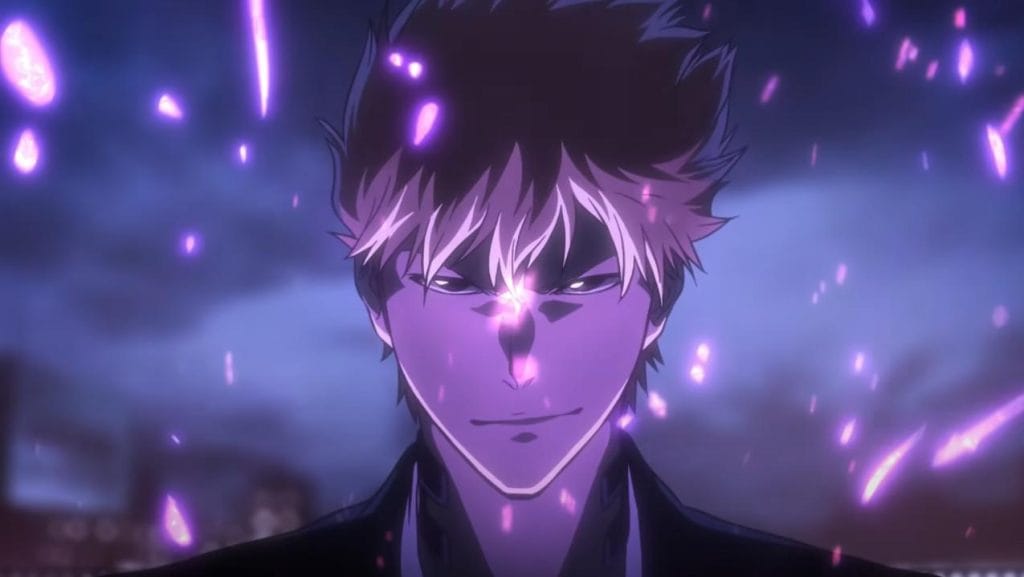
The anime adaptation of TYBW began in 2022 to critical acclaim. Stunning visuals mixed with Kubo’s classic storytelling style elevated what was already a strong ending into something that was must-see. TYBW is what fans always wanted Bleach to be, with real stakes and character growth throughout. More than that, however, TYBW also shows that Bleach was always more than just a moment. Its ruminations on good and evil, what death means, and the horrors that can be committed in the word of any religion are timeless, regardless of the aesthetic. Is it funny when characters whip out flip phones? Sure, but it never feels in the way. The time of the property matters less than the meaning.
Thousand-Year Blood War shows that Bleach was always more than just a moment.
Split across four seasons, with the fourth and final set to air starting later this month, TYBW has so far fulfilled the hopes that anyone could have had for the adaptation. Anime watchers will soon have full access to Tite Kubo’s story from beginning to end, the way he had envisioned it, in one complete package.
And, if rumors are to be believed, perhaps we will all be taking a trip to Hell in the near future. I can only hope I won’t be waiting another 40 months to see it animated.

Gary is a jack-of-all-trades video game enthusiast based in Boston, MA. A semi-professional fighting game player, even less professional Apex Legends player, and even less professional adult, he spends most of his time poking at strange indie gems and reading about the need for more diverse voices in gaming criticism. He invites anyone to recommend anything he's missed in the gaming world via Twitter or BlueSky, where he can found under the username @grtnpwrfl. When he isn't spending his time playing games, Gary is an avid New England Patriots fan and frequent hiker.