
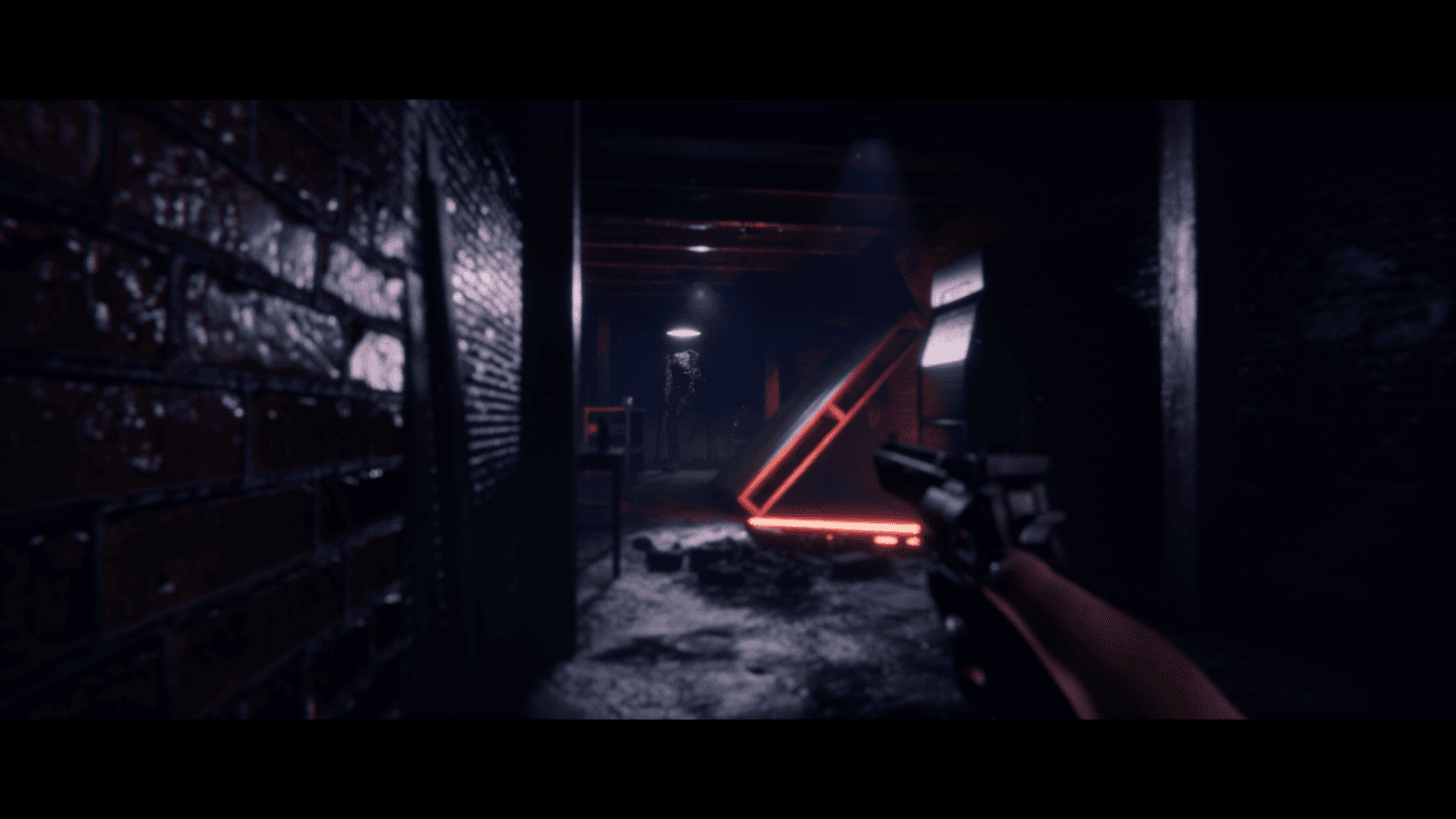

A few months ago, I was scrolling on TikTok one evening when I was suddenly faced with a video promoting a spooky game called Project Songbird. As a lover of horror (particularly of the psychological horror sub-genre), the game sounded right up my alley.
Project Songbird, which releases this Thursday, March 26, is the newest collaborative game from indie developer Conner Rush and publisher FYRE Games, whose previous titles together include Summerland (2020) and We Never Left (2022).
The summary of the scary puzzle game given in the video intrigued me, but I was anticipating the story to be somewhat generic. I was quickly proven wrong.
Note: This review is spoiler-free!

Take Me to the Door
Project Songbird follows Dakota, a musician who is rather unsuccessfully trying to create their newest album, grappling with what their fans expect of them and how that differs from the music they actually want to create. They go to a remote cabin in Appalachia to focus. At first, the story seems pretty standard: a tortured artist struggling to create high-quality new music on a time crunch, facing pressure from agents and music labels, heading to a cabin in the woods to get those creative juices flowing. I was surprised when the plot very quickly became so much more than that.
The game takes so many incredible twists and turns that I don’t want to spoil anything, but just know you’re in for an emotional roller coaster of time, identity, loss, and much more. I really enjoyed the story of Project Songbird, particularly as I headed into the second act of the game, which introduces new characters and locations.
Like with most psychological horror games, Project Songbird explores quite a few heavy (and possibly triggering) topics throughout the story. (The M-rated game does display a content warning upon booting it up for the first time, which is worth reading before playing.) However, the way the developers handle these themes in the game never felt distasteful or particularly transgressive. The approach to serious topics within the scope of the story felt done with care by everyone who worked on the game.

Who Are You, Dakota?
The puzzles of Project Songbird are definitely my favorite parts of the game. Personally, I found the puzzle design (and variety of puzzles) to be nearly perfect. Yes, the combat (more on that in a moment) and exploration are enjoyable, but the puzzles and how they are woven into the story are what really shone through for me.
One of the first puzzles in the game involves a riddle and some clocks. It was pretty easy to solve, and admittedly I did feel somewhat spoon-fed when figuring out the solution, but it felt like a really nice introduction to the way the puzzles in the game operate. Over the course of my seven-hour playthrough, the puzzles definitely got more complicated and interesting. It’s been a while since a puzzle-heavy game has genuinely given me that awesome feeling of achievement upon figuring out the solution in the same way Project Songbird has.
Between the frustration of struggling with certain puzzles (piano room puzzle, I’m looking at you), I felt keenly aware of my joy and relief at completing them. I often find that in a lot of similar games, the puzzles can quickly become repetitive, using the same ideas and mechanics over and over for each one. However, each puzzle in Project Songbird felt successfully unique, while managing to still stick to the same general vibe, feeling almost like an escape room.
Don’t Let Them Hear You, Songbird
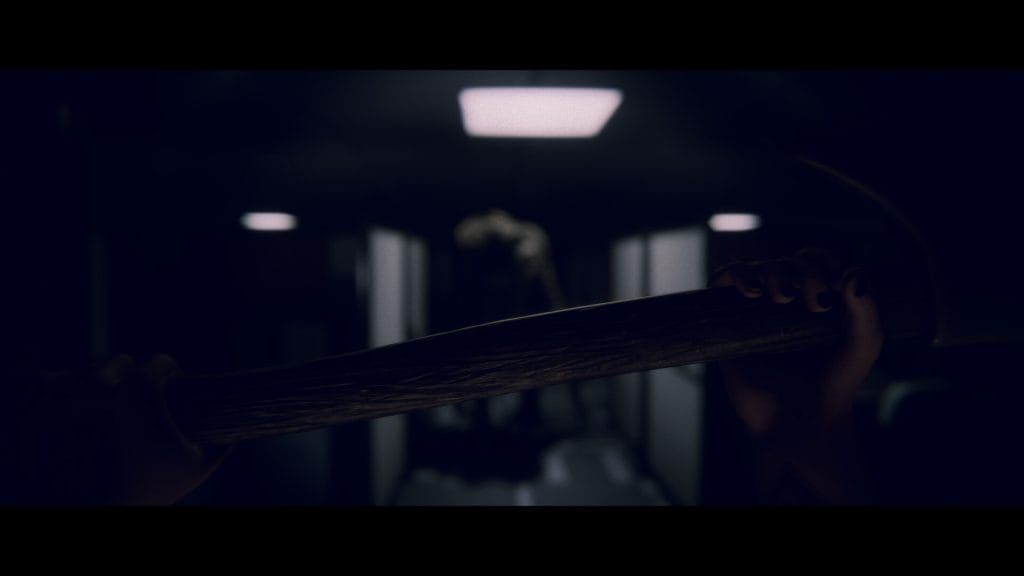
No isolated cabin in the woods would be complete without some combat. Over the course of the game, Dakota will have to tackle a few enemies with various weapons, including a gun and an axe. I don’t want to spoil too much, but of the two enemy types in the game, one is definitely more interesting than the other (and more annoying to survive).
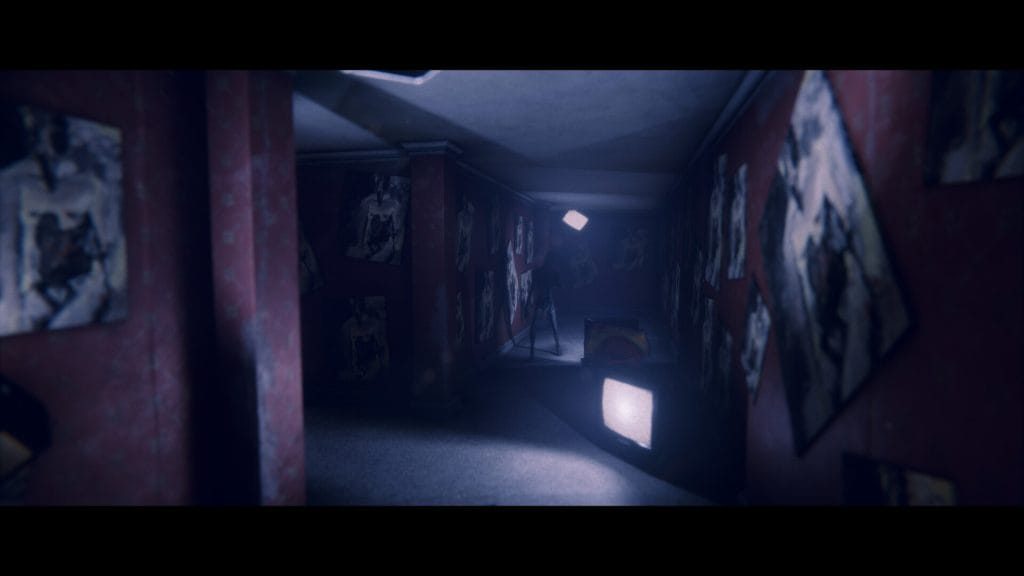
The more basic of the two reminds me of the Molded from Resident Evil 7, in both visual design and combat. They are a pretty straightforward, combat-heavy enemy type with a rather generic design. The other, however, is akin to the Weeping Angels from Doctor Who, chasing after you whenever you aren’t looking at them. This mechanic starts out really interesting (a nice change of pace from the other enemy), but becomes annoying after a few minutes of trying to work on solving a puzzle, while simultaneously trying to avoid getting caught by this mannequin-esque terror.
After a while, any encounters with this enemy became a case of cheesing the game mechanics to stand in the exact right spot, where the creature cannot move, so I could still somewhat see the puzzle I was working on, albeit at awkward angles. Once I figured this out, the enemy stopped being scary almost entirely, and just became an irritating inconvenience. Instead of sprinting away from it (as I imagine was the intention based on the game trailers and other promotional material), I just started slowly walking backward, away from it, which, while a pretty slow-paced approach, got the job done.
In terms of the pretty standard survival-horror enemy types, the combat and exploration would feel quite similar to that of Resident Evil or other major horror franchises if it wasn’t for the sheer lack of ammunition spread throughout the map. Supply management in these sections of the game is crucial, applying not only to ammo (which is sparse, and found as individual bullets as opposed to full boxes), but also to sanity medication (for healing), and even to batteries for your flashlight, upping the ante and fear factor pretty significantly.
One highlight of combat included a mechanic I haven’t seen in other games. The ammo management involves the player checking the barrel of the gun, rather than just checking a number at the bottom of the screen, which I found made intense moments of combat a lot more scary and interesting. Supplies aren’t craftable, so being cautious with how and when I used them was a massive part of the gameplay.
Weapons can be repaired and upgraded using cans found across the map, similar to a lot of other survival-horror games, but something I found to be an incredibly fascinating choice from the developer is that your only melee weapon can break. Picture this: You’re mid-fight with a horrifying creature, low on health and ammo, and resort to using your axe. Deciding to block a lethal blow from the enemy, you think you will be able to take a swing at them straight after, only to find your weapon broken in two and completely unusable. It can be repaired, but only at designated workbenches, which, if there isn’t one nearby, can make or break Dakota’s survival.
Depending on how you feel about supply management, you might find the combat both annoying or really fun. I went back and forth, especially since I was eager to see how the story would unfold. The enemies definitely contribute heavily to how tense and scary the gameplay feels, but they did occasionally make it harder to focus on the game design and smaller details.
The Neon Songbird
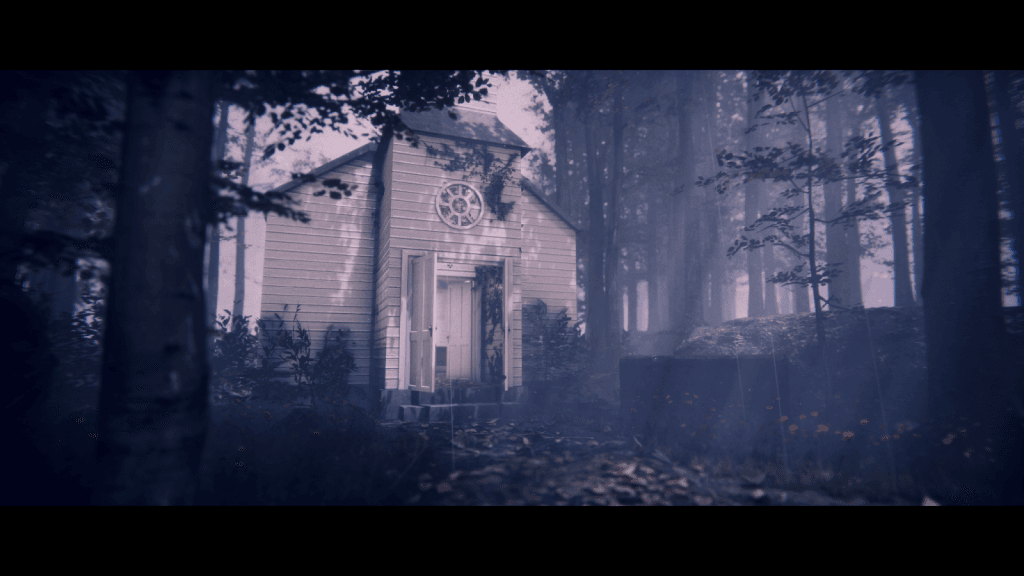
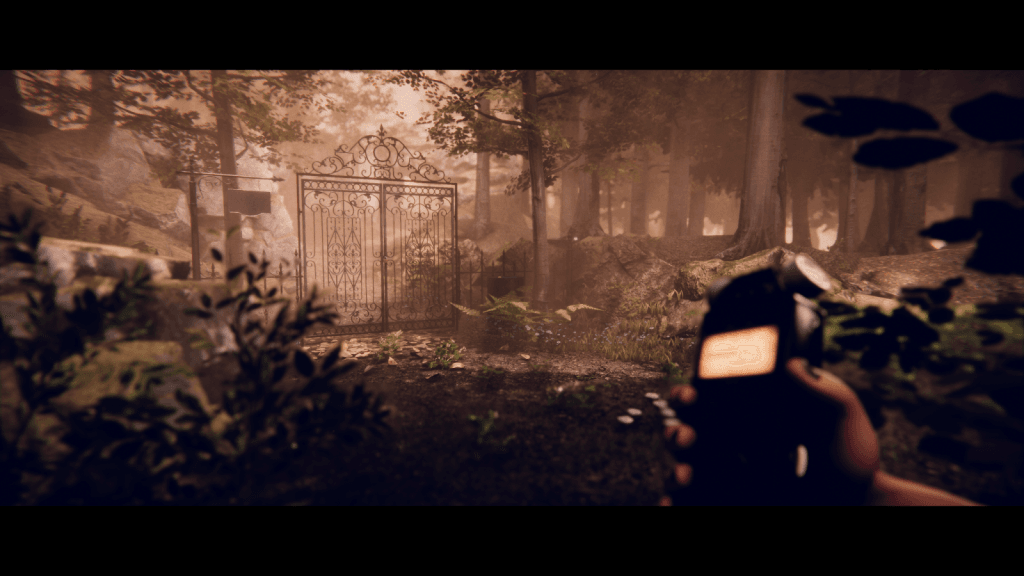
The visuals of Project Songbird are genuinely stunning. In some of the game’s promotional materials, Conner Rush described the game as a “playable movie,” which feels extremely accurate. There are even black bars on the top and bottom, just like a movie. The slightly grainy film-like quality is a part of the game’s visual style that I personally really enjoyed (but don’t worry, Rush has implemented settings for the visual filters used in the game, so you can turn them off if they make you feel motion sick).
The environmental storytelling in Project Songbird is excellent, with little details and implications scattered throughout the world, making the game feel so full. Despite the story itself being very linear, I felt like I had so much to explore within the intimate locations. For example, at one point, the player is stuck within a building until they can figure out how to escape. Despite the maps often feeling closed off, the shifting layout of these environments keeps players on their toes. These choices make the game even more visually interesting, like a horrifying morphing dreamscape.
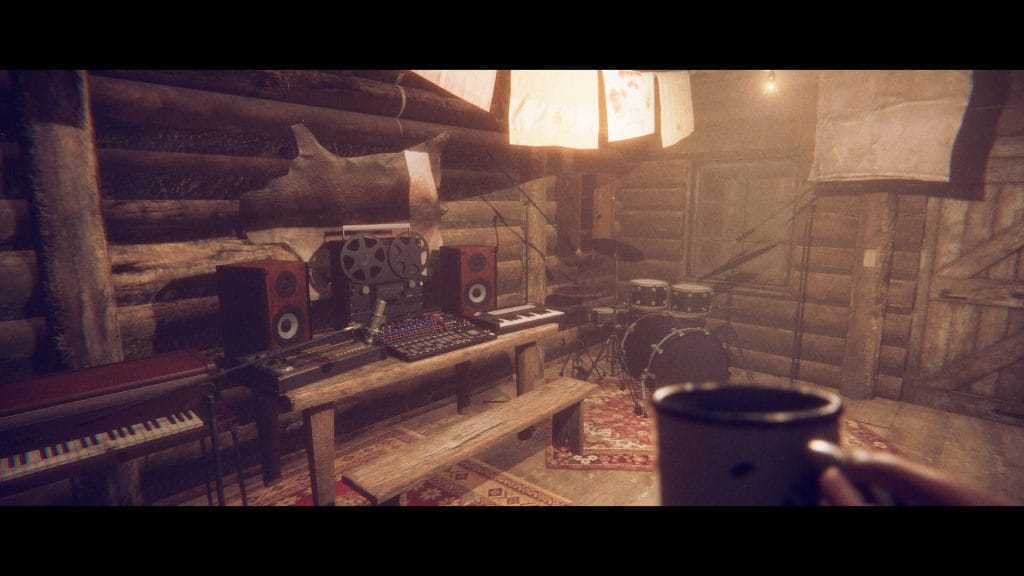
Sound and music are a huge part of Project Songbird, a game that follows struggling musician Dakota (stage name: The Neon Songbird), so it’s understandable that a great deal of care and effort was put into the audio of the game. The foley work is particularly immersive — the sound of Dakota’s feet on leaf-covered floors or wooden staircases, creaking doors, and clanking metal… It’s all done to perfection.
Rush has spoken a lot on social media about putting songs from real-world indie musicians into the game (with their consent) as parts of Dakota’s record collection, giving up-and-coming artists a platform to showcase their work. One musician, Pet Twin, wrote on Instagram:
“I responded to an ad of [Rush’s] just over two years ago, requesting songs by independent musicians for the game. Based on his description I immediately thought ‘Dark Forest’ would be perfect for it… For it to resonate with people and for it to picked for this game is a dream come true.
Seeing it featured on the official @playstation YouTube channel was mind blowing. I felt like a little kid lol. I am trying not to experience any shame in 2026, so there’s no need to be nonchalant about this. It’s honestly amazing and I’m super proud to have been included alongside some other great musicians.
The love and care so clearly spread between different creative industries in developing Project Songbird is so incredibly heartwarming, and makes the game feel even more alive. Take, for instance, one of the first in-game mechanics introduced: the tape recorder. Players can use it to collect recording samples from the nature around them, which encourages keen listening and ensures an immersive experience.
Not only is the environmental sound and music incredible in Project Songbird, but the voice acting is in a whole other league altogether. Rush has shared that he felt “it was crucial to have the best voice performances” for the game, and there’s no doubt about it: That was a huge success.
With prominent names like Valerie Rose Lohman (who played the titular character in What Remains of Edith Finch), Jonah Scott, and Aleks Lee tied to the project, the plot was bound to be brought to life through their incredible performances. Lohman, as Dakota, was truly perfect. Parts of their line delivery in particular genuinely gave me chills, perfectly encapsulating the fear, confusion, anger, and devastation that Dakota is feeling.
Final Thoughts: Do It for You
Project Songbird is a game I think anyone in a creative industry should play, whether you’re a musician, a painter, a writer, a game developer, or someone in any field that is about making something. The game shares a prominent and important message about how many artists will push themselves so much farther than could ever be sustainable (including literally ending up alone in the middle of the woods, risking your safety and sanity for your craft, a la Dakota). This felt especially relevant in today’s world, where artists are being forced to compete with the existence of generative AI.
In publishing Project Songbird, Rush and FYRE Games have made me want to create. Playing this game made me want to make the things that I want to make, and to not allow anyone or anything to make me resent doing the creative things I love.
Play Project Songbird if you’re a creative. Gain some perspective on why you do what you do, and why you began in the first place. Allow yourself to rekindle your love for your craft without the pressures of what other people want or expect. Do it for you.
Score: 8.5/10
Project Songbird, developed by Connor Rush and FYRE Games and published by FYRE Games, releases on March 26, 2026, for PC, PlayStation 5, and Xbox Series X/S. MRSP: $14.99. Version reviewed: PC (via Steam).
Disclaimer: A review code was provided by the publisher.

Scarlet (she/they) is a U.K.-based writer who recently graduated with a bachelor's degree in English and film from Manchester Metropolitan University. She loves a wide variety of games, but has a soft spot for horror games and cozy indie games. She loves achievement hunting and is passionate about queer stories being told in video games. She primarily plays games on PC, but sometimes dabbles in console gaming, usually on the Nintendo Switch with games like Animal Crossing and Mario Kart.