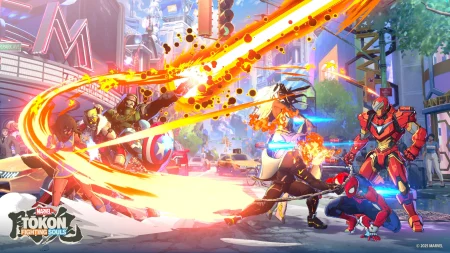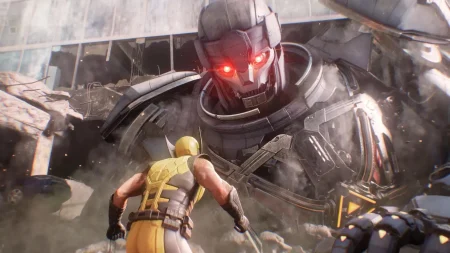
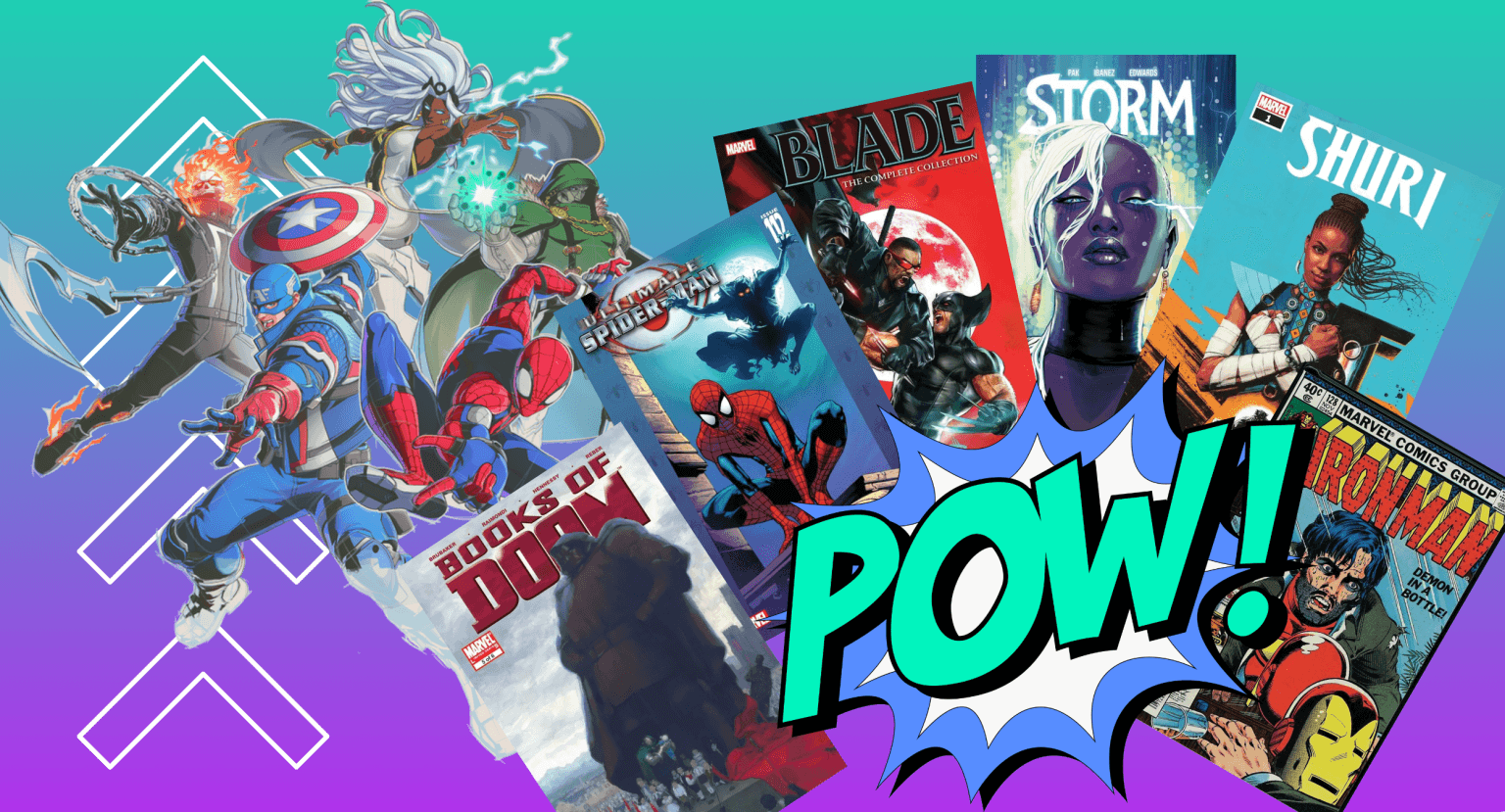
Marvel Tōkon: Fighting Souls is upon us, and I can’t deny how good it feels to have a new fighting game in this universe. Marvel is home to some of the most recognizable pop-culture icons ever, but what really brings their brand together are the little guys peppered throughout their expansive universe. Though that universe being so expansive comes with a downside. No one wants to read every issue of Thor in a row because one, it’s incredibly tedious, and two, it would highlight just how inconsistent its quality can get as authors and artists come and go.
Truthfully, getting into Western superhero comics isn’t quite as difficult as it seems. Really all you need to do is go in with the mindset of an individual storyline or “run” (a specific author’s tenure on a specific book) as an individual story that occasionally connects to broader canon. And Tōkon in particular has a good mix of established characters with a lot of history and new faces who are easier to get to grips with. There’s a lot of material to cover, but trust me, there’s some stuff in here you don’t wanna miss if you love the movies and games but haven’t had the time to get into comics.
However daunting it may seem, there’s a lot of material worth reading. Not all of it is equally good, but consider these recommendations a starting point for your broader comic journey.
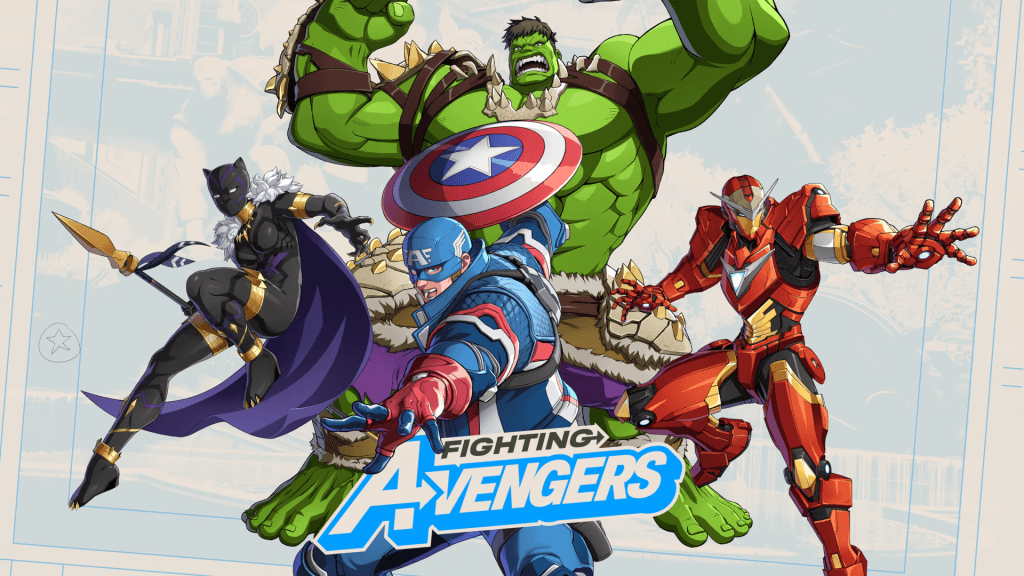
The Fighting Avengers
With a team composed of Captain America, Iron Man, Black Panther, and the Hulk, the Fighting Avengers are the most conventional team on the roster. This makes recommending books for them mercifully easy. Team-wise, Kurt Busiek’s ‘90s run is probably the best traditional take you’re going to get, while Jonathan Hickman’s run from the 2010s across Avengers and New Avengers offers a much darker and subversive take. There are also some more unconventional rosters like Roger Stern’s classic team, but you’re probably here for the big names, and they have about as many comics all to themselves.
Steve Rogers has some really strong older runs from writers like Mike Gruenwald, Mark Waid, and Ed Brubaker.1 His earlier stories tend to have a surprising amount of small-scale street-level bad guy brawls with the occasional high-stakes global adventure or conflict thrown in. This changes at the turn of the millennium, with Brubaker in particular kicking things off with the Winter Soldier’s beloved debut storyline. While Bucky gains much more prominence as time goes on, Steve still maintains a substantial role, and you’ll really love it if you’re a fan of the MCU versions of Cap and Bucky. If that’s not modern enough for you, look into Colin Kelly and Jackson Lanzing’s Cap run.
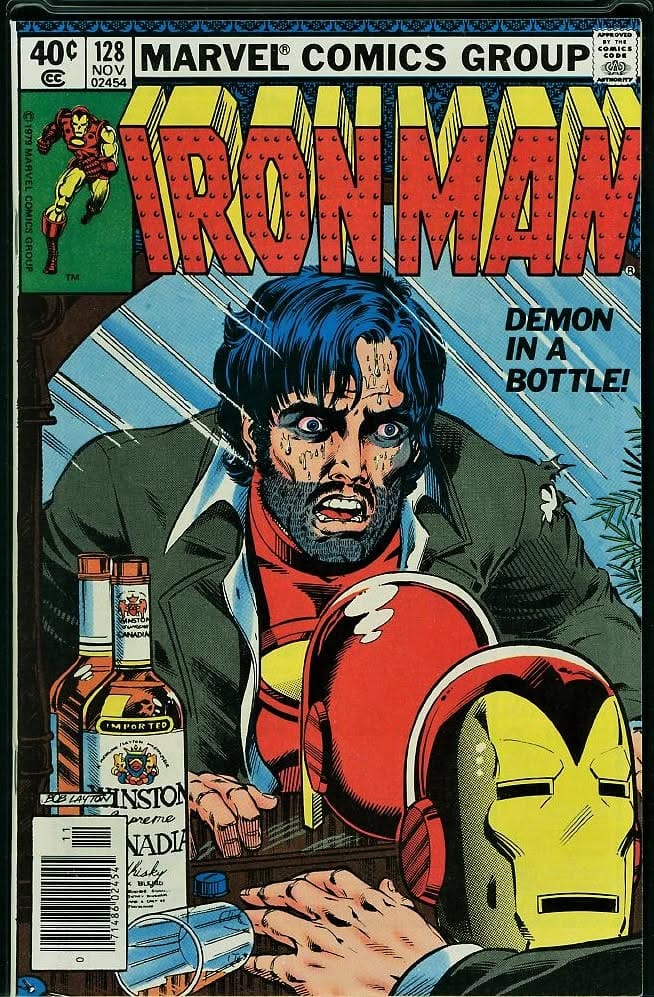
Iron Man also has a bunch of classic stories, most notably Bob Layton and David Michelinie’s Demon in a Bottle and Armor Wars. But if you’re looking for something more recent, the post-Civil War Matt Fraction run is decently long and does a good job addressing a lot of mistakes with Tony in that event. Gerry Duggan’s shorter run is also a fun read and gives Tony a surprisingly engaging romance with Emma Frost, but it is heavily tied into the X-Men’s Krakoan Era storyline, so it might need some context. Spencer Ackerman’s subsequent run is even shorter, but takes a refreshingly novel angle on Tony’s relationship with the arms industry.
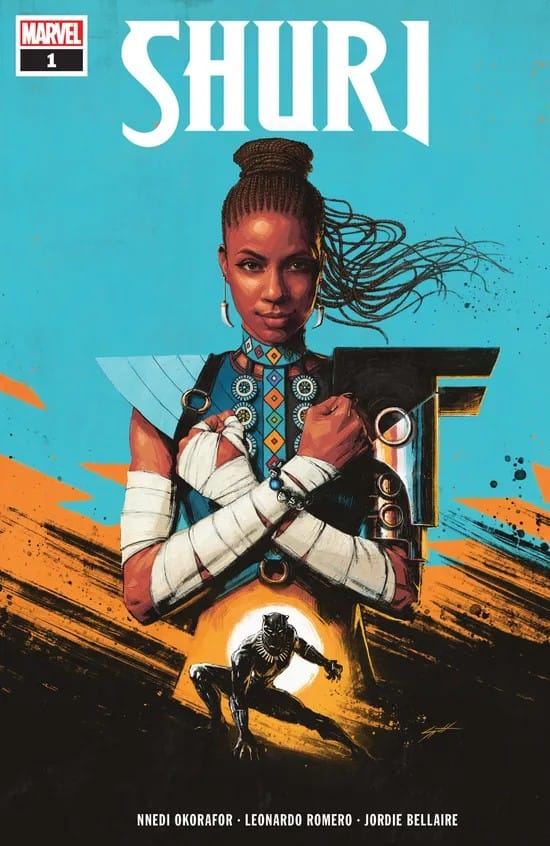
Black Panther, and in this particular instance Shuri, is a bit more limited on account of having much less material to work with compared to more consistently published characters. Shuri herself was introduced in Reginald Hudlin’s run on the book and has only received one self-titled solo run by afrofuturist writer Nnedi Okorafor. Aside from that, the general Black Panther mythology was largely set in stone by Christopher Priest’s landmark run under the Marvel Knights imprint, which defined much of Wakanda’s worldbuilding for years to come, so if you’ve been dying to get into Black Panther, here’s your starting point.
The Hulk, despite his simple high concept and straightforward “punch really hard” power set, is actually a shockingly rich character. Under the pen of the late great Peter David, Bruce Banner’s conflict with his multiple alternate Hulk identities was given new life and much-needed depth. This run is so influential that it echoes through most of the best stuff after it. Greg Pak’s Planet Hulk and World War Hulk storylines are a minor exception to this, but come with the benefit of being relatively self-contained, and also lead into Pak’s delightful Incredible Hercules run.
But Al Ewing’s Immortal Hulk is a true tour de force, drawing upon the character’s history for both horror and drama in such a way that it redefined the character once more. Its lore is referenced in Midnight Suns, Marvel Rivals, and even by Deadpool in Tōkon. Philip Kennedy Johnson’s currently ongoing run takes a lot of tonal notes from it as well. It’s a special book that bears the rare distinction of being a true modern classic.
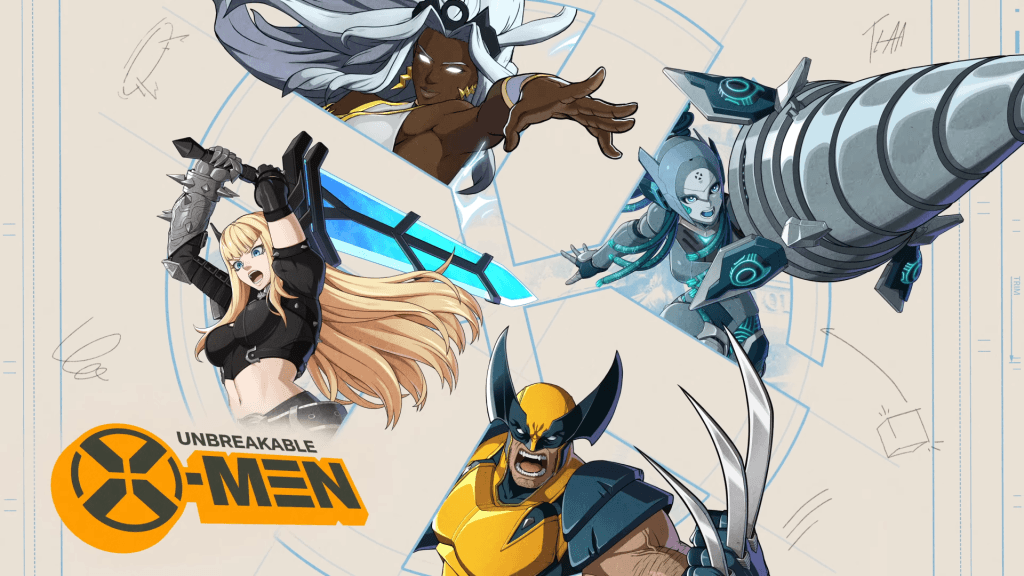
The Unbreakable X-Men
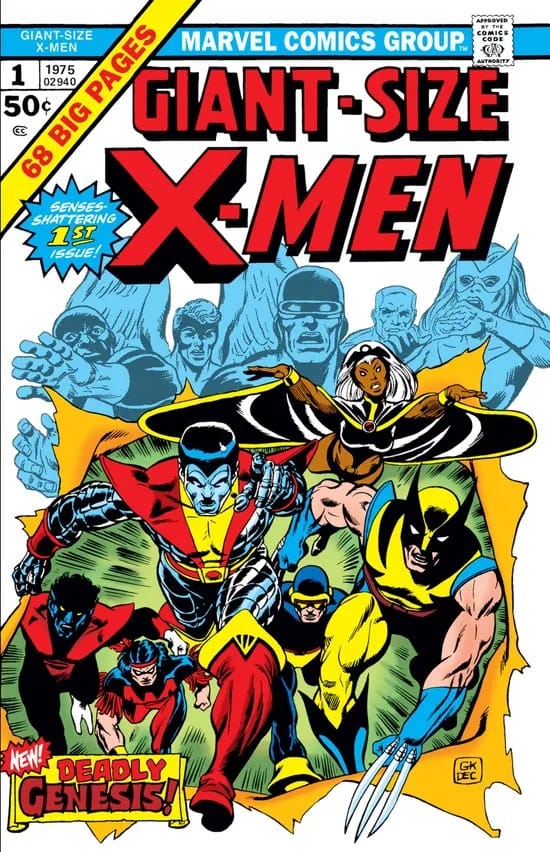
It’s much easier to recommend team-based X-Men runs than runs for individual X-Men characters, mainly because of editorial nepotism. When it comes to the foundational X-Men comics, you read Len Wein’s Giant Size X-Men #1 and move right to the decade-plus-long Chris Claremont run right after. This established characters like Wolverine, Storm, and many others as icons of the superhero genre.
As for solo stuff though, you’re looking at about 75% Wolverine or Deadpool comics with every other team member fighting for table scraps. Claremont also wrote the first Wolverine solo limited series and ongoing, which soon moved hands to Larry Hama, centering on Wolverine’s misadventures in the fictional nation of Madripoor. Barry Windsor-Smith’s Wolverine: Weapon X story recounts his time as a human weapon under mind control, while Paul Jenkins’ Wolverine: Origin recounts Logan’s surprising early history. If you want to see him teaching a bunch of the funny-looking background characters you see in Marvel Tōkon’s story mode, check out Jason Aaron’s Wolverine & the X-Men.
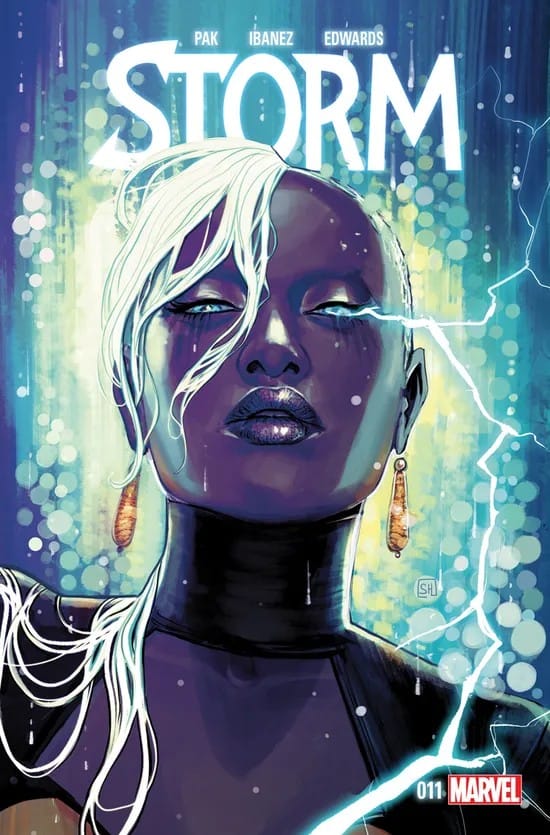
From there on, everyone is starving for solo content. Storm has a solo run here and there, and I’m a fan of Greg Pak’s, but you’re still mostly looking at her as part of an ensemble, like in Al Ewing’s underrated X-Men: Red. The same can be said for Magik, whose best showings are toward the middle of Claremont’s run on X-Men and most of his New Mutants. Recently she’s also appeared in Vita Ayala’s New Mutants, Jed MacKay’s X-Men, and a self-titled solo series by Ashley Allen and a follow-up, Magik & Colossus.
Danger, being by far the most recent and obscure character on the team, originates in Joss Whedon and John Cassaday’s Astonishing X-Men.2 Her design and origin are much harsher than in Tōkon, but overall, the arc is still strong, and like in the game, she eventually ends up an ally of the X-Men, joining the team in an Uncanny X-Men run in the 2010s by Kieron Gillen, who incidentally wrote each team’s story mode. She’s also on Peter David’s All-New X-Factor, a corporately owned team with Gambit, Polaris, Quicksilver, and others.
And while he’s not in the game yet, it only feels right to talk about Cyclops here. While the comic that debuted Phoenix Cyclops specifically, Brian Michael Bendis’ Avengers vs. X-Men, isn’t particularly great, Cyclops himself is a fixture of the team. He’s been there from the start through the Claremont days up until the aforementioned Gillen Uncanny runs and Jed MacKay’s currently running adjectiveless X-Men. But if you really want a shot of nothing but Cyclops, Greg Rucka and Alex Paknadel have done solid solo series that should tide you over.
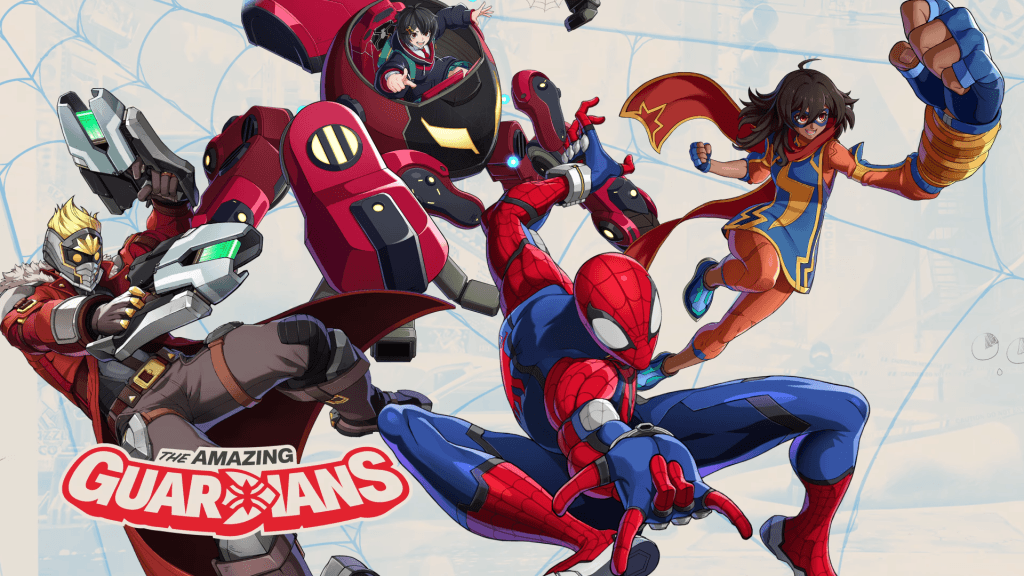
The Amazing Guardians
It’s easy to recommend Spider-Man runs, especially for Peter Parker. The early Lee-Ditko and Lee-Romita stuff is just the beginning. Gerry Conway, Roger Stern, J.M. DeMatteis, J. Michael Straczynski. Whether they worked on Amazing Spider-Man or Peter Parker: The Spectacular Spider-Man, these are the classic writers to watch out for. If you’re specifically looking for more teenage Spidey after the Lee-Ditko era, Kurt Busiek’s Untold Tales of Spider-Man and Brian Michael Bendis’ alt-universe Ultimate Spider-Man (2000) are great picks. Even shorter stories like Jeph Loeb and Tim Sale’s Spider-Man: Blue pack a strong punch.
And while certain decisions have left Spidey in an odd spot with very inconsistent runs in recent years, there are some gems here and there. Chip Zdarsky’s Spectacular Spider-Man plays around with Peter’s bizarre family history, and there’s a litany of decent mini-series like DeMatteis’ The Lost Hunt and Shadow of the Green Goblin, and Saladin Ahmed’s Spine-Tingling Spider-Man.
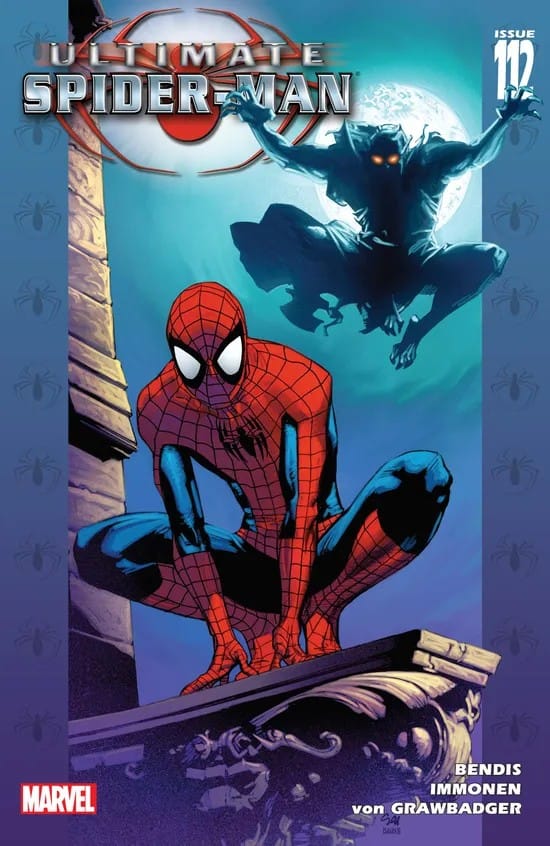
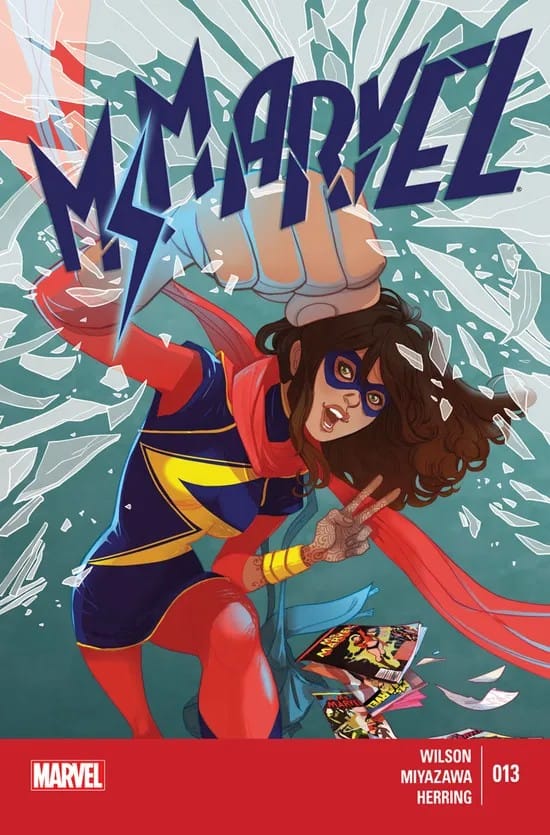
But while Spidey’s reputation precedes him, his eclectic team is another story. The best starting point for the Kamala Khan iteration of Ms. Marvel is easily her debut run from G. Willow Wilson, which covers her origin, her early adventures, and her eventual disillusionment with the heroes she idolized, leading right into Mark Waid’s Champions. Saladin Ahmed’s subsequent run has its fans, but does walk back some important developments from the prior run. Her more recent mini-series duology from Sabir Prizada and Imani Vellani (her actress from the MCU) are both good, but are tied up in the controversial decision to tie her character to the X-Men.
Star-Lord is fairly simple: Find any Guardians of the Galaxy comics from 2008 and onward. The Dan Abnett and Andy Lanning series is awesome, though you’ll want to read through their Annihilation saga and events like War of Kings and The Thanos Imperative to get the full picture.
From there, Brian Michael Bendis reinvents the team into something more like the MCU version, with Sam Humphries handling Star-Lord’s solo series. Chip Zdarsky’s short and sweet Star-Lord: Grounded has Peter Quill back on Earth and interacting with street-level heroes like Daredevil. Guardians writers like Gerry Duggan, Donny Cates, and Al Ewing bring back some of Abnett and Lanning’s classic cosmic stylings, with Ewing’s tragically short run being a particularly great book.
And Peni Parker… sadly doesn’t have much of anything. She was created for Edge of Spider-Verse (2014) #5 by My Chemical Romance vocalist and part-time comic author Gerard Way, with art by Jake Wyatt. Since then, the most extended focus she’s received is a short arc in the Spider-Verse Unlimited Infinity Comic. From there, you’re best off tracking down individual issues like Edge of Spider-Geddon #2 or Jed MacKay’s Spider-Verse (2019) #3. Her lack of even a five-issue mini-series is bizarre given her being on the launch roster of both Rivals and Tōkon. If Spider-Man Noir and Spider-Man India have gotten decent minis recently, Peni should absolutely have one.
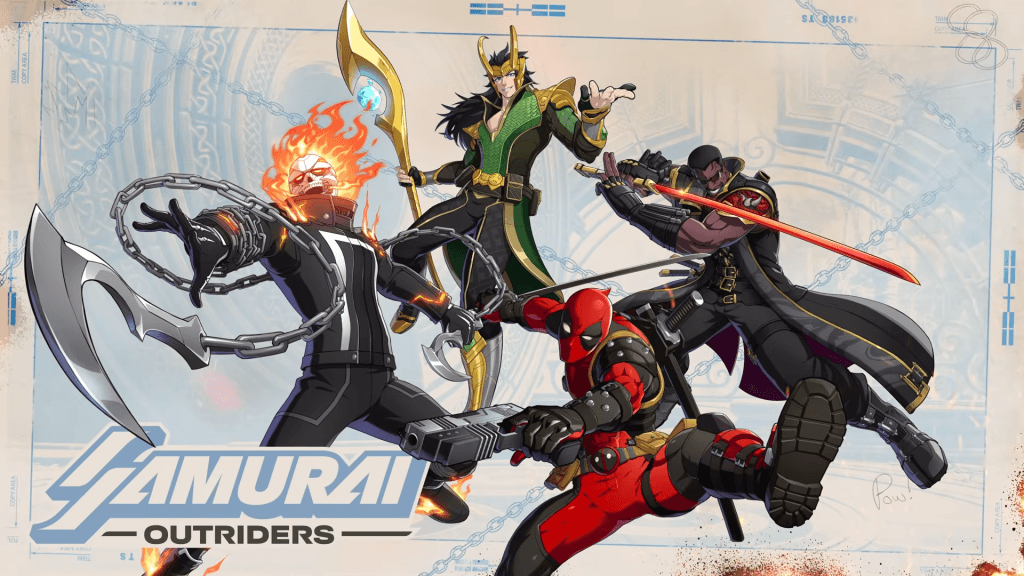
The Midnight Sons Samurai Outriders
Befitting a team of eclectic underdogs, the Outriders are all over the place. Their discarded namesake, The Midnight Sons, really only have their ‘90s debut and sparse few storylines after, though Jed MacKay’s excellent Moon Knight run is currently focusing on a new version of the team with Robbie and Blade on it.
Robbie himself is a bit of a sad case. He’s one of the newer characters on the roster, and his debut solo series by Felipe Smith and Tradd Moore is a really sweet read. But since then, his main appearances have been part of Jason Aaron’s controversial run on Avengers, where the edges of his personality are considerably sanded down. Thankfully, Tōkon’s Robbie is more faithful to Smith’s version of the character.
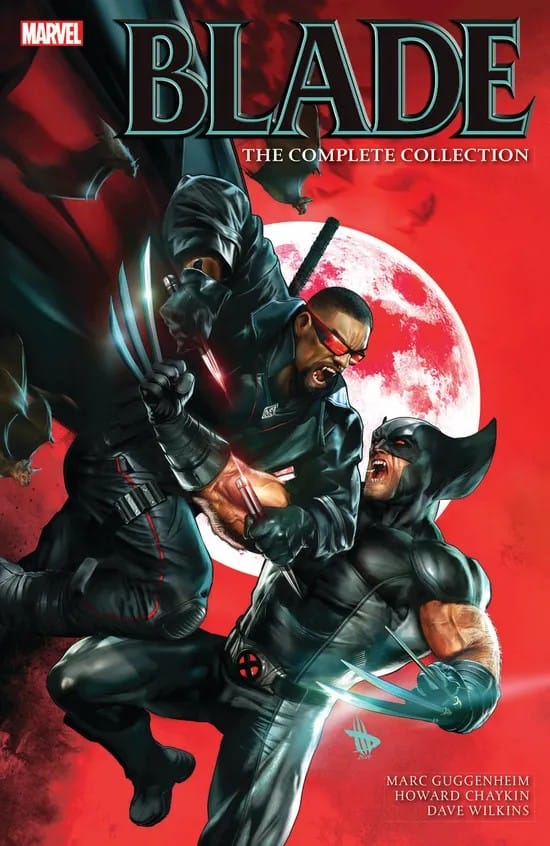
Shockingly, Blade’s history is also a bit inconsistent. His early appearances in Marv Wolfman’s classic Tomb of Dracula are mainly supporting roles, and his self-titled solo series has rarely been on shelves for long. If you’re looking for the best of that, I’d recommend Marc Guggenheim’s and Bryan Hill’s runs. And while he’s not the sole main character, Danny Lore’s Bloodline: Daughter of Blade is also a great time.
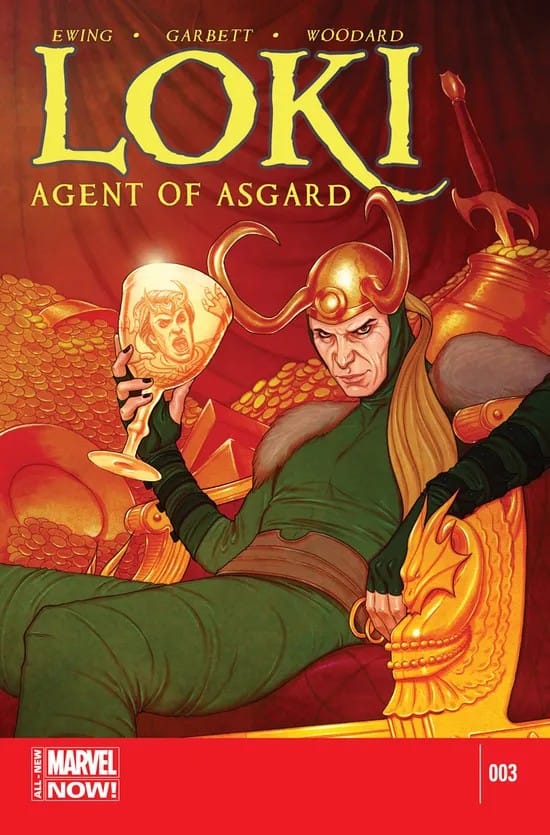
Loki, on the other hand, has a lot of history. You can find him causing trouble in pretty much any given Thor book. But this Loki draws from the more anti-heroic direction taken after his death in Siege. Kieron Gillen got the ball rolling in his widely loved Journey Into Mystery, and continued Loki’s development into his run on Young Avengers. Al Ewing followed this up with Loki: Agent of Asgard, which permanently shifted Loki’s role in the Marvel Universe and is still having ramifications even into his current work on the ongoing Thor run.
And then there’s Deadpool, who practically needs no introduction. He’s had an eclectic history, with his best material ranging from completely off-the-walls to surprisingly somber. His double-feature with Cable by Fabian Nicieza strikes a surprisingly good balance between his goofy and dramatic sides. Subsequent runs like Gerry Duggan’s start out goofy, with the self-explanatory Dead Presidents, before moving into the beloved The Good, the Bad, and the Ugly, which takes itself shockingly seriously. I’m personally a fan of the back-to-back runs by Allysa Wong and Cody Ziglar, which see Deadpool trying to settle down and find love and family. Ziglar’s in particular hones in on the relationship between Wade and his daughter Ellie, and also his other daughter, the Carnage-clone-symbiote-wolf Princess. It makes sense in context, trust me. It even ends with a daddy-daughter team-up with the Wolverines: Logan and his daughter Laura.
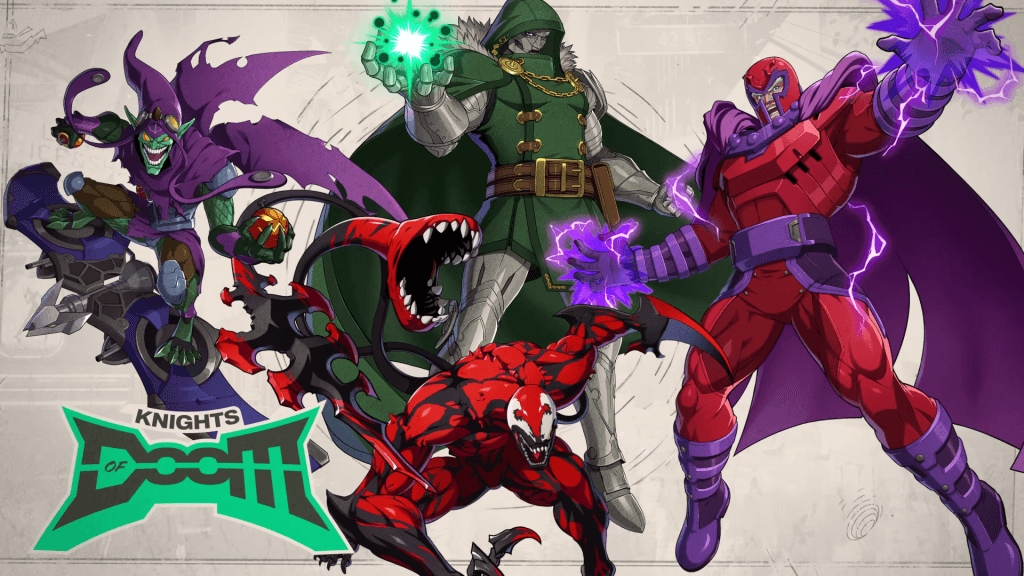
The Knights of Doom
The Knights of Doom are the one team in the Marvel Tōkon launch roster with no direct parallel in the comics. Doctor Doom himself is usually too egotistical to petition others for assistance like this. He’s too busy messing with the Fantastic Four in… basically every run they’ve ever had. So really, pick any good Fantastic Four run, from Lee-Kirby to Ryan North, and you’ll find him easily. Jonathan Hickman in particular weaves a great narrative for him through his FF run and the Secret Wars (2015) event.
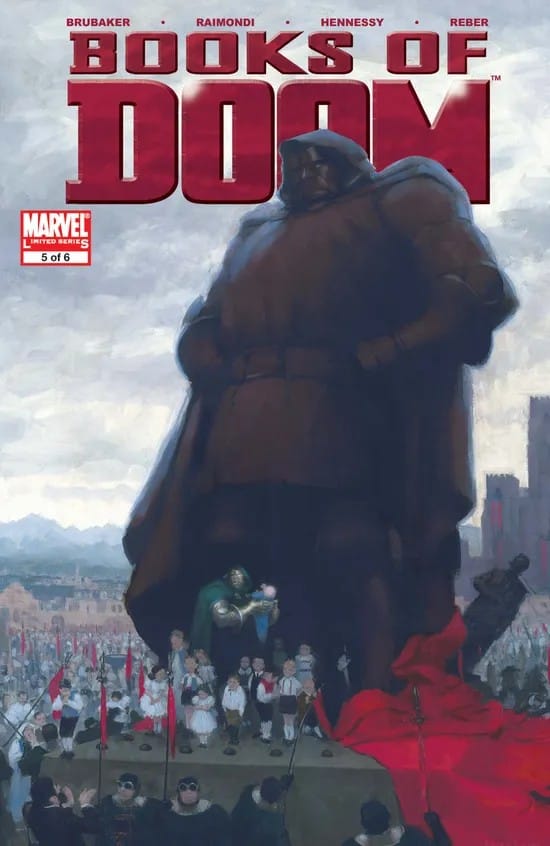
He does, however, still have dedicated solo stuff. Christopher Cantwell has done a relatively recent solo series, and Ryan North is currently writing the Doomquest limited series. Brian Michael Bendis’ Infamous Iron Man takes the truly bizarre route of having a reformed Doom take up the Iron Man mantle (I promise that Avengers: Doomsday isn’t based on this), and it surprisingly really works. But the real creme de la creme of solo Doom comics is Ed Brubaker’s Books of Doom, which explores his rise to power as the monarch of Latveria in epic fashion.
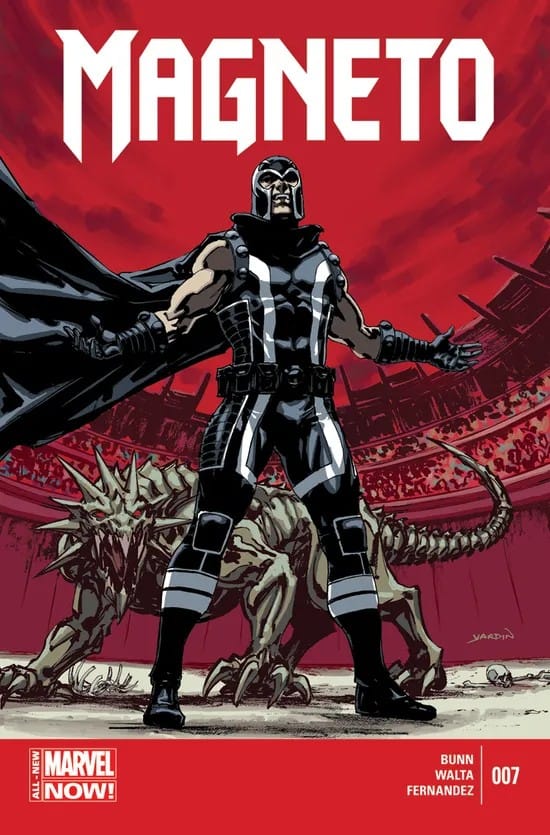
Magneto follows a similar trend, but takes it in a slightly different direction. His characterization from the very first issue of Stan Lee and Jack Kirby’s X-Men is actually very shallow. The more well-known tragic, conflicted Magneto is entirely the creation of Chris Claremont, who eventually had him join the X-Men around the midpoint and even directly instructed the New Mutants.
Since then, attempts to make him evil again in stories like Fatal Attractions or Planet X have been both poorly received and hard to make last. He’s spent a large chunk of his time as an anti-hero, not dedicated to eradicating humans, but not hesitating to protect mutants. He’s had a solo series here and there, Cullen Bunn’s ongoing series is a hidden gem, and J.M. DeMatteis’ Magneto Was Right mini-series flashes back to his early time on the X-Men and addresses his earlier characterization. And of course, like any good X-Men, he’s worked great in ensembles like Ewing’s X-Men Red and The Resurrection of Magneto, and MacKay’s adjectiveless X-Men.
Most of Norman Osborn’s most notable comics are actually fairly recent for such a classic character. Granted, he spent the time in between the iconic The Night Gwen Stacy Died in 1973 and the end of the derided Clone Saga in 1996 functionally dead, a shockingly long time for a comic book character this important.
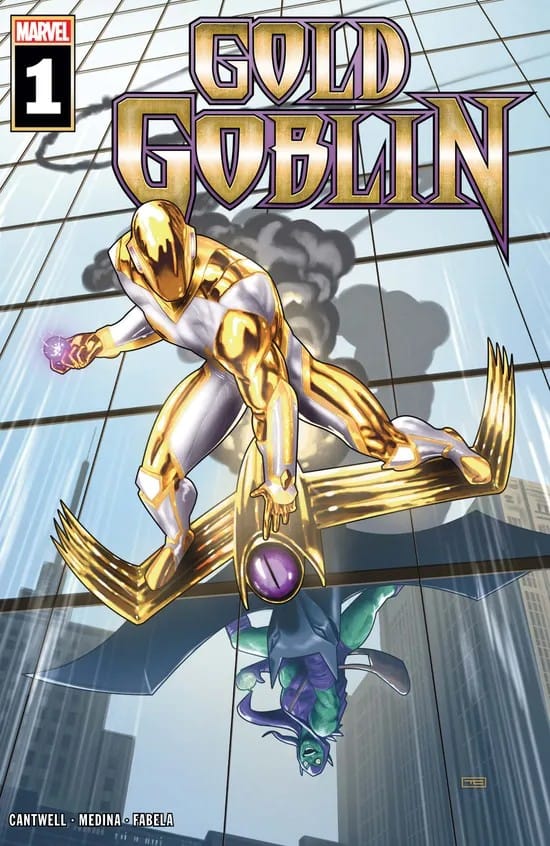
Since then, his most notable story was built up through his time leading the Thunderbolts and culminated in Brian Michael Bendis’ Dark Avengers. Seeing Norman having to balance his insanity with a heroic public persona is a great time, and the larger Dark Reign storyline has him appearing quite a bit. But if you want to see this approach from an inverted angle, Christopher Cantwell’s Gold Goblin sees a suddenly reformed Norman genuinely trying to be a superhero and wrestling with the idea that he’s still inclined toward hurting people no matter how good his intentions. I know it’s derived from weird creative decisions, but I promise it works in context.
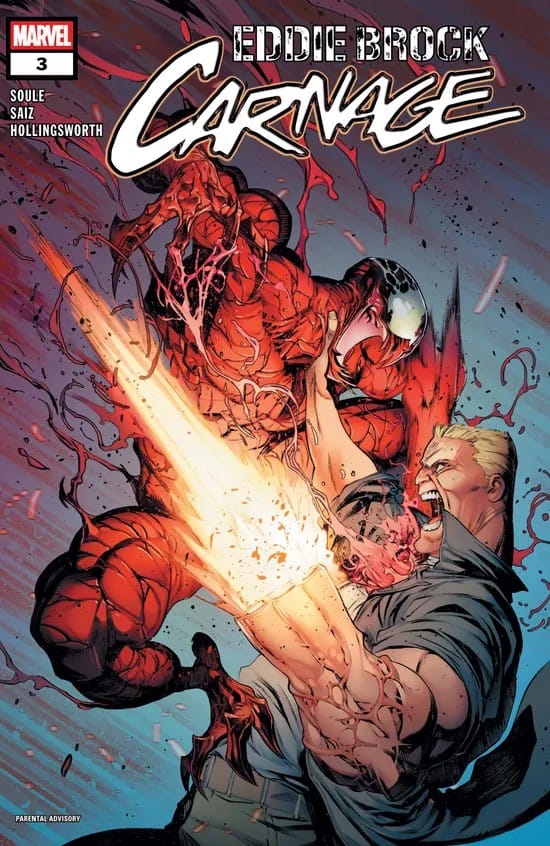
While stories like Maximum Carnage or mini-series like Zeb Wells’ Carnage U.S.A. bear the feral symbiote’s name, rarely is he the “hero.” In Ram V’s run, the symbiote and a new partner are being pursued by detective Jon Shayde. In Torunn Gronbekk’s follow-up, his pursuer of the month is Agent Anti-Venom. Given how hard it is to get people on board with his twisted personality, I empathize. Make no mistake though, these are still strong stories that make great use of Carnage as an antagonist. And the recent Eddie Brock: Carnage by Charles Soule threads a really fun needle of Eddie trying to keep the bloodthirsty symbiote in line.
Excelsior, True Believers!
I imagine all of this still looks like a lot. When we’re talking about characters who have existed for so long, trying to find their best showings takes time and effort. And when I can just pick up volume one of, say, Chainsaw Man and get a complete story from one creative voice through to the end, it’s hard to argue that the complex history of western superheroes doesn’t present some kind of barrier.
Nevertheless, I still maintain that continuity, while still very much mattering to some extent, isn’t the be-all, end-all many claim it is. Even many of the most continuity-heavy stories I’ve listed here are appreciable on their own. And modern conveniences like the League of Comic Geeks site for logging and searching for specific comics can be a huge help. Click on any character profile on that site, whether they’re in Tōkon or not, and you can probably find something they’re in that you’ll love. Just make sure to check the ratings before you start. You wouldn’t want to dive headfirst into Spider-Man with One More Day.
Happy reading, and Excelsior!
Footnotes
- Some of the authors mentioned have been subject to controversy. In addition to accusations of infidelity and harassment by Joss Whedon starting in 2017, The Hollywood Reporter reported that Ed Brubaker and Amazon MGM were sued during the writing of this article by a production assistant alleging that Brubaker had pointed a working firearm at him and pulled the trigger, and had subjected him to constant verbal harassment. While the recommendations in this article are made on their work’s artistic merit, this context may be necessary for potential readers who would not wish to support their work. ↩︎
- See above. ↩︎

Sean Cabot is a graduate of Framingham State University, where he also wrote articles for the student paper before writing for RPGFan. In addition to gradually whittling down his massive backlog, he enjoys reading comics, playing Magic the Gathering, watching as many movies as possible, and adding to his backlog faster than he can shrink it.