
I’ve never denied that Xenoblade Chronicles X’s main story is kind of undercooked. Its intrigue is based almost entirely on a series of plot twists that seem shocking in theory but are, in execution, lacking in dramatic weight. Its protagonists only really get any nuance in Affinity Missions, only some of which are necessary to advance the story. And, at least until its Definitive Edition rerelease, it ended on the most interesting and weighty plot twist of all.
And yet, for as long as I’ve been able to admit this, which is more than a decade at this point, I’ve also considered it one of my all-time favorite games. Why? Because where the main story fails, the side quests succeed to such a degree that they more than make up for the content deemed “mandatory.”
Part of that is just the fun of the variety. Whether you’re trying to establish a water treatment center for your burgeoning community, swapping around trading cards, or returning to the treatment plant to unravel a truly horrific attack, even missions that basically boil down to a hunt or fetch quest have a lot of flavor to them. But if they’re to hold up the game so greatly that people were openly wishing for its rerelease, there’s likely some substance there. And not only do I think there is, but I don’t think it’s hyperbole to say it gives the game its thematic identity.
Wayward Voyagers
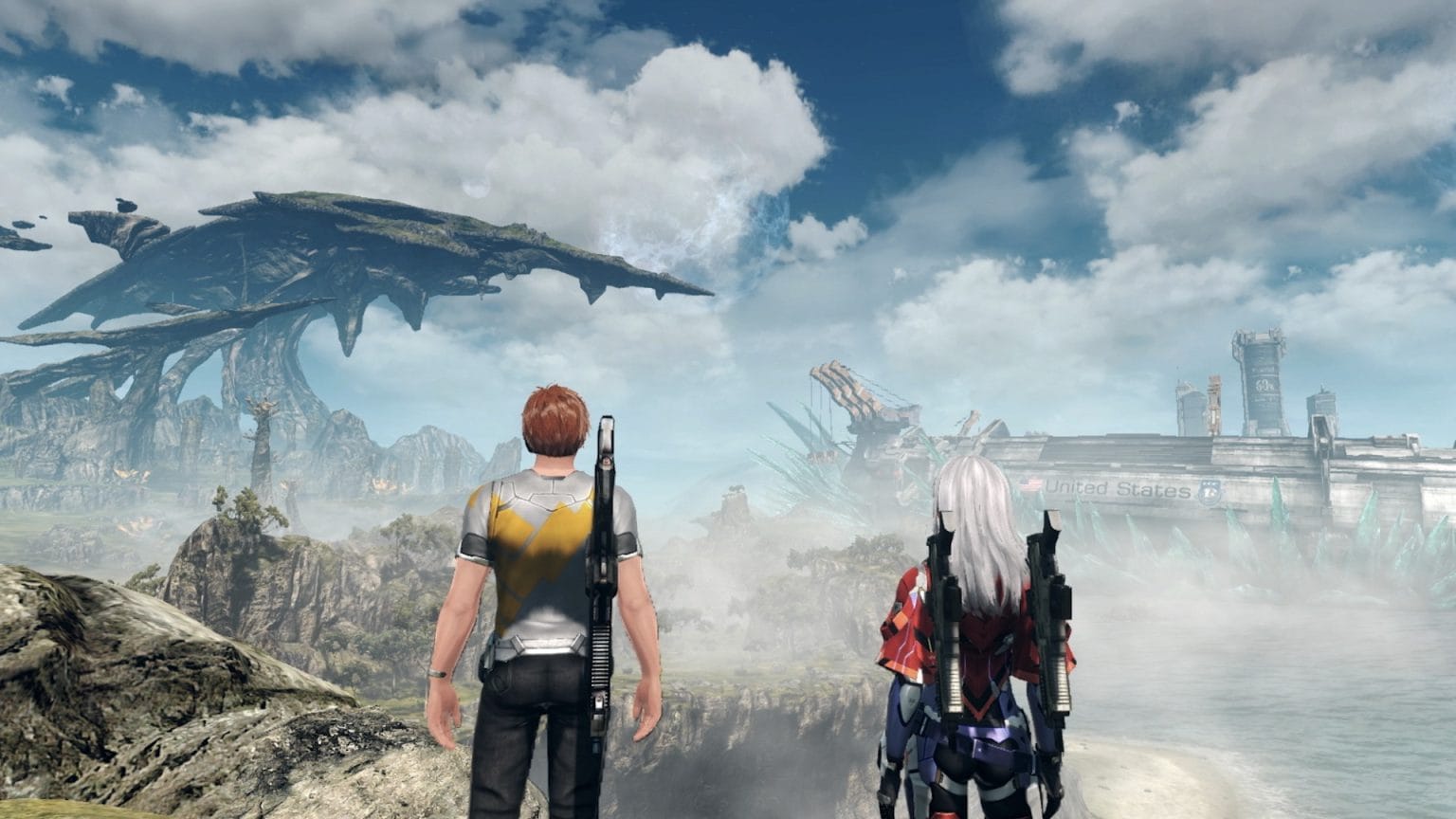
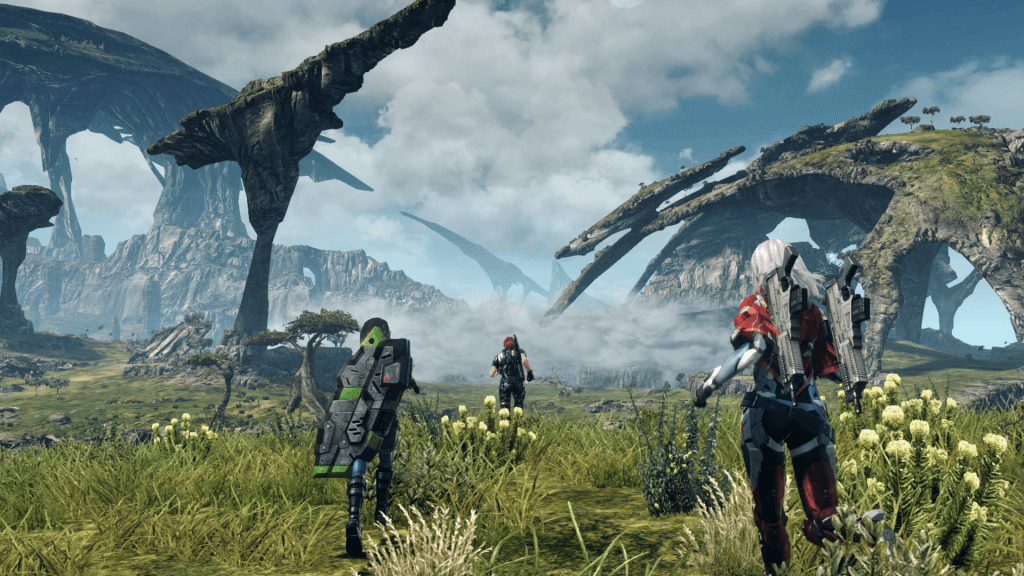
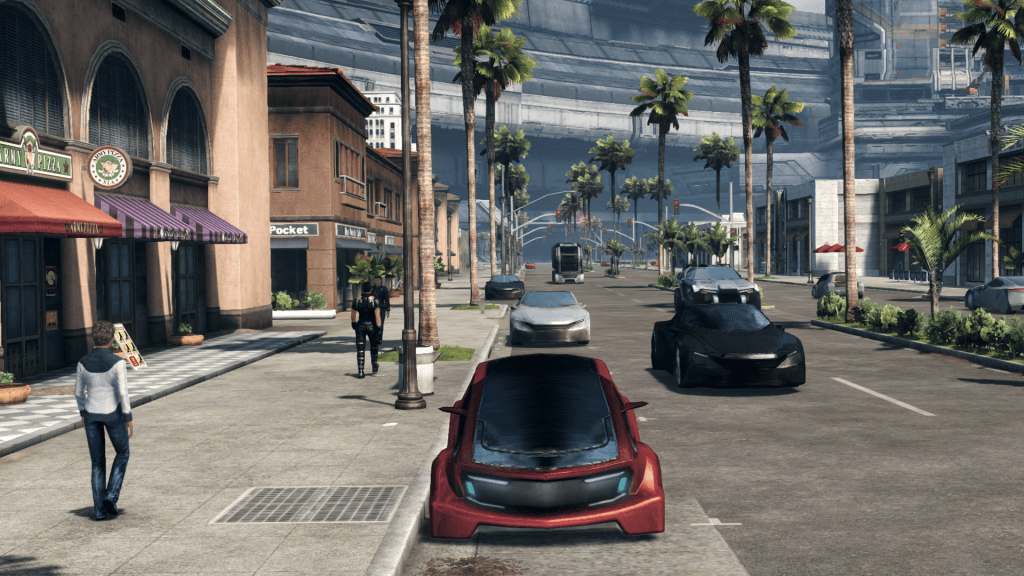
To explain this properly, a summary is in order. Xenoblade Chronicles X follows the remnants of humanity in New Los Angeles (NLA), a constructed habitat that has been ferried through space in a ship called the White Whale in the wake of Earth’s destruction and landed on Mira, a completely uncharted planet teeming with resources and hostile wildlife. The protagonist is a human who, after being rescued on the outskirts of the community, promptly joins the organization responsible for their rescue: BLADE.
BLADE not only handles tracking down survivors, but also deals with threats and finds resources and salvage, among other tasks. From there, the main story focuses on finding the Lifehold, a section of the White Whale that housed most of the human refugees and is slowly but surely losing its power. If not found in time, its life support will shut down.
But while this race against time sounds intriguing, even putting aside the player’s ability to take their time with the game, the plot is shockingly lacking in urgency. Much of the player’s time is spent finding individual Lifehold pods, fighting the antagonistic alien coalition known as the Ganglion, and mostly focusing on just one character: Lao.
Every now and again there’s a required mission that focuses on another specific party member and gives them some nuance, but their ramifications rarely ever manifest in the designated “Main Story Chapters.” And maybe this would be less of a problem if there was a strong theme that brought all this together, but for most of the story there really isn’t.
While the Definitive Edition expands on this plot and ends it on a more interesting note, it’s basically all just backloaded into a new ending. And whatever one thinks about that ending, the journey to get to this new stuff is just as unmoving as it was before. So the bar the side content needs to meet is pretty steep. It not only needs to be emotionally involving and layered, but it also needs to have a strong thematic hook to give those quests meaning.
Strange New Worlds
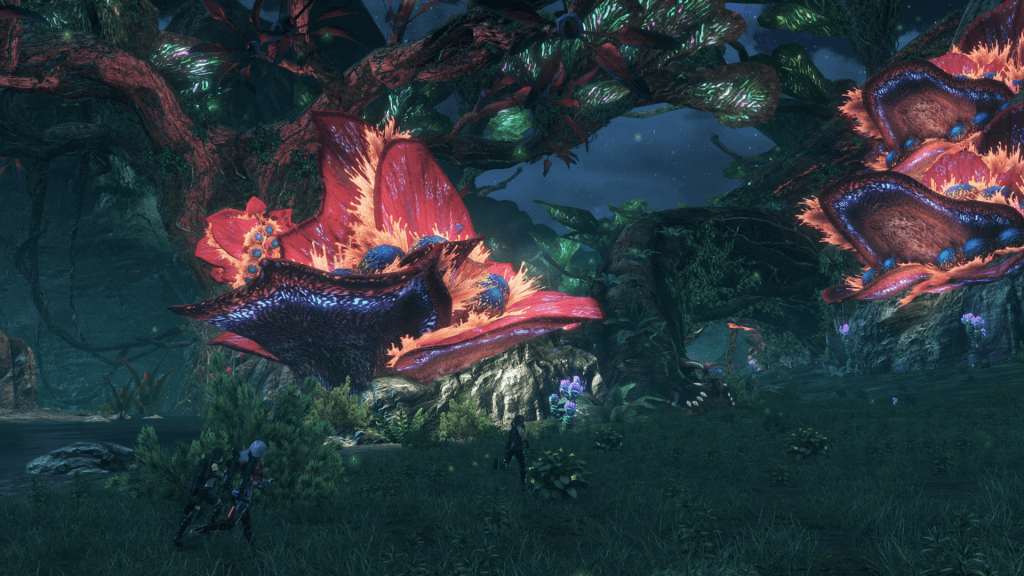
And shockingly? It meets that bar by leaning more into the initial draw of the game’s story. Earth being destroyed and humanity having nowhere else to flee is what really sold me on the tension behind exploring Mira. But what surprised me even more is how the game opined that humans could move forward in spite of so many of them being wiped out. While the main story does sort of address it, the side content really sells the feeling of making Mira humanity’s new home.
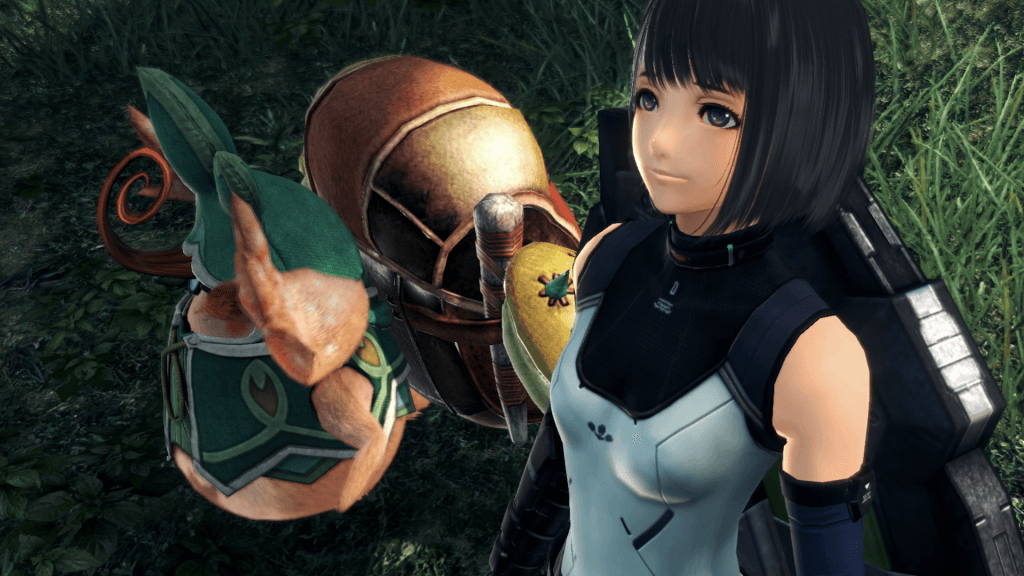
One of the multiple plot points first encountered in the main story that ends up primarily being relevant to optional content for the rest of the game is the Ma-non, a diminutive alien race who, like humans, are stuck on the planet. They quickly befriend the party and are allowed to keep their ship above an undeveloped district in NLA. Their technology is an asset, and while their idiosyncrasies throw the human population off at first, their integration is mostly smooth.
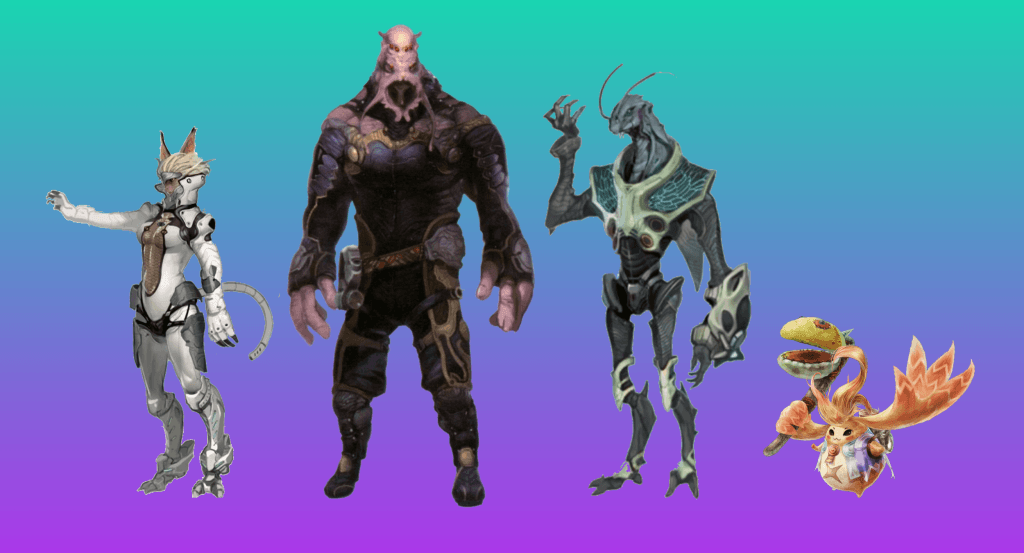
But the Ma-non are not the only alien race on Mira. Scattered throughout the many optional side quests are multiple species who have either travelled to or become stranded on the planet. From the aggressively logical and insect-like Orpheans, to the rival hunter tribes of the Prone, to the proud warriors of the Wrothians, the integration of these species into NLA leads to a cascade of even more side quests that elaborate upon their unique cultures. The Orpheans have multiple side quests focused on their unique method of reproduction and their sacred collective intuition, which they call “Ovah.” The Prone’s side quests deeply explore their culture, from their hunts to their funeral rites to even their marriage rites, both intra and interspecies.
To Live Long and Prosper
And what drives all of this is an optimism that might be familiar to some sci-fi fans. When I described the multiple alien races and their collaborative role to a friend I was recommending XCX to, they mentioned that this had a similar perspective to Star Trek, a famously forward-looking and optimistic television series about interspecies cooperation. I’ve only ever seen one other commentator, Derek L. H., make this comparison, and now having seen a decent chunk of Star Trek myself, I’d say that the comparison holds.
There are some obvious broad comparisons between the various alien species. The Wrothians and Prone are both proud warrior races like the Klingons, the Orpheans are logical-minded like Vulcans and have a unique method of passing down knowledge a la the Trill, and Xenoblade’s mainstay race, the Nopon, map very closely to the hyper-capitalist Ferengi, though with a markedly different aesthetic.
But what’s most surprising is the aforementioned ease with which these different species integrate. It isn’t without any difficulty, as each species is quite alien in behavior and customs, but even at their oddest they’re treated with empathy by the narrative. Multiple side quests involve the player managing prejudice against the alien residents, from having to tell discriminatory business owners that they simply need to get with the times and accept them, to protecting them from racist BLADEs gone rogue.
Star Trek has long extolled the virtues of tolerance and cooperation, with its utopian future society having made great strides in eliminating prejudice, though like in X, some stragglers refuse to adjust. Nevertheless, from Vulcans to Klingons, Bajorans, and Trill, while political tensions on a macro scale have complicated matters, the many heroes of Trek have represented a similar forward-thinking mindset, even when it comes to former foes.
The Undiscovered Country
This is also a plot point in Xenoblade Chronicles X with the Wrothians and the Prone, who start out as enemies of the human race. The way they’re eventually folded into the greater xeno community growing in NLA evokes the progression of the Klingons. In Star Trek: The Original Series, they were one of the most famous antagonistic alien species, but they become close allies in The Next Generation and onward, with Worf, the Enterprise-D’s security chief, becoming a franchise fixture. And they’re not the only examples. The Ferengi, quite contentious when they were introduced, found new life in Deep Space 9, with Quark, a Ferengi bartender on the titular space station, becoming a fan favorite.
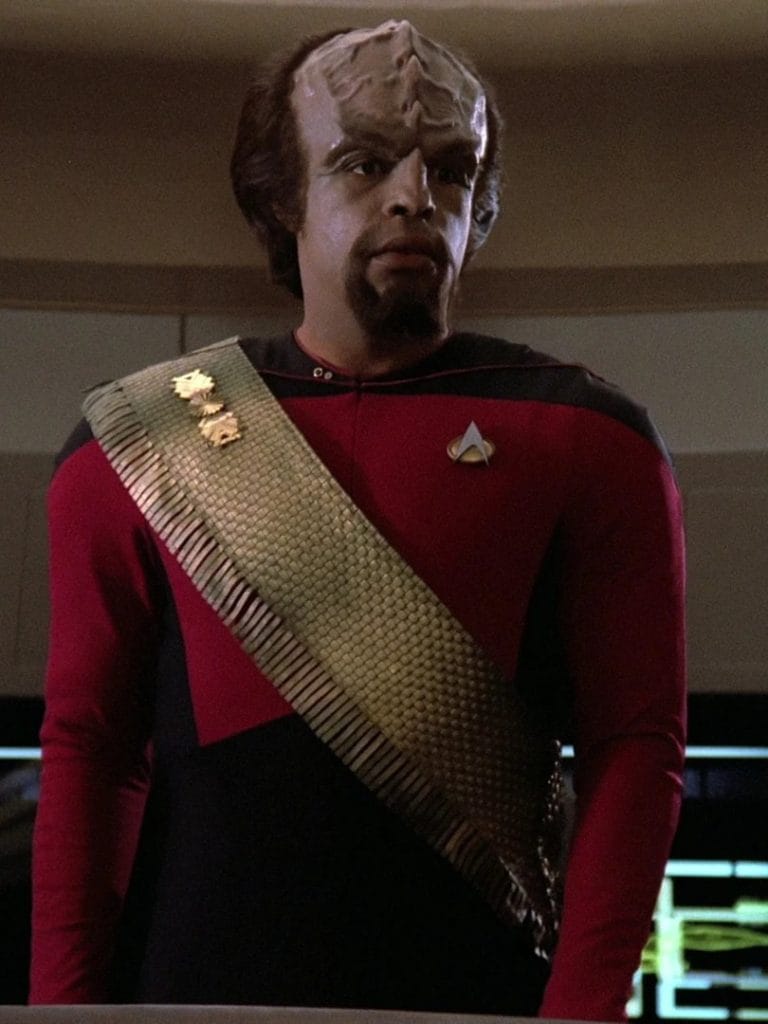
There are a lot of material advantages in both XCX’s story and gameplay to making these allies. More advanced science and more equipment to buy are the most obvious. But even more than any of that, the most rewarding part of helping them is seeing them and the humans they call neighbors uplift each other, even just in little ways.
One of my favorite examples of this is actually pretty obscure. In the residential district of New Los Angeles, in the backyard of one of the many houses is Lucia, an NPC who runs a women’s get-together that gradually expands as new alien races settle in the city. She’s enthusiastic for the company and treats her new friends with kindness and respect. And the real kicker? None of this is ever the subject of an actual side quest. It’s just a small example of average people embracing their similarities and differences to enjoy one another’s company.
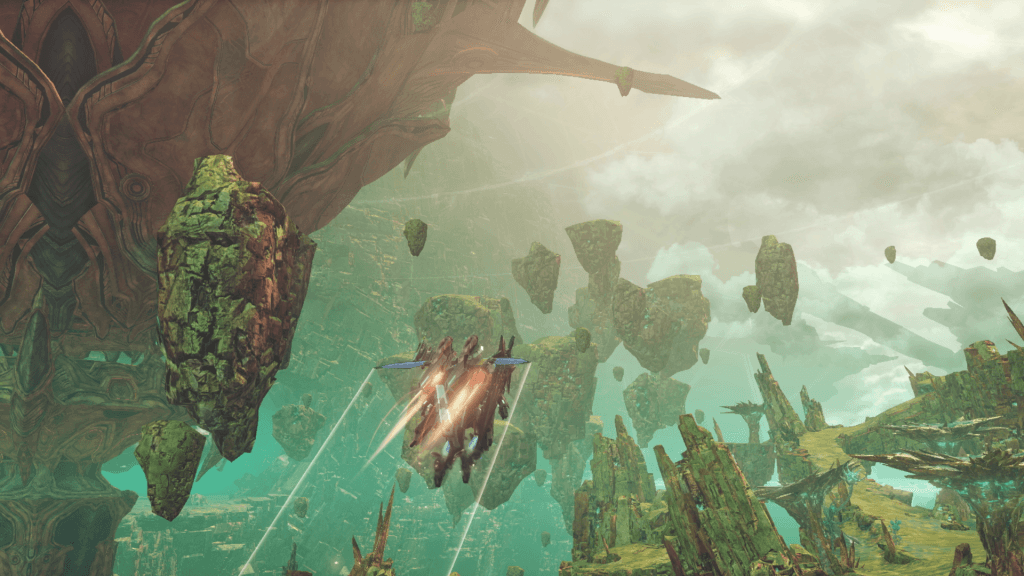
The Final Frontier
For a game that mostly pits humanity against malicious alien threats, Xenoblade Chronicles X has stuck with me for a long time for its empathy. It goes out of its way to emphasize the many ways in which its alien races differ from humanity, yet it never uses this as pretext to justify an isolationist mindset. While I’m all for leaning into conflict if it serves the story, you genuinely don’t see something this forward-thinking all that often.
Maybe that’s why the main story isn’t all that interesting. Beyond the Ma-non and Wrothians, there’s very little nuance in the conflict with the Ganglion’s high command and little exploration of their culture. If this main story legitimately were all there was to XCX, or if it genuinely overshadowed everything else, it likely would not have retained as much of its fanbase.
But ultimately, the time spent helping the Orpheans save their race from extinction or helping a Wrothian decide whether to become a warrior or diplomat, while comparatively small, synergizes with every other side quest like it to make for a much more cohesive and satisfying whole. To me, regardless of what the game itself says, that feels much more like the main story.

Sean Cabot is a graduate of Framingham State University, where he also wrote articles for the student paper before writing for RPGFan. In addition to gradually whittling down his massive backlog, he enjoys reading comics, playing Magic the Gathering, watching as many movies as possible, and adding to his backlog faster than he can shrink it.