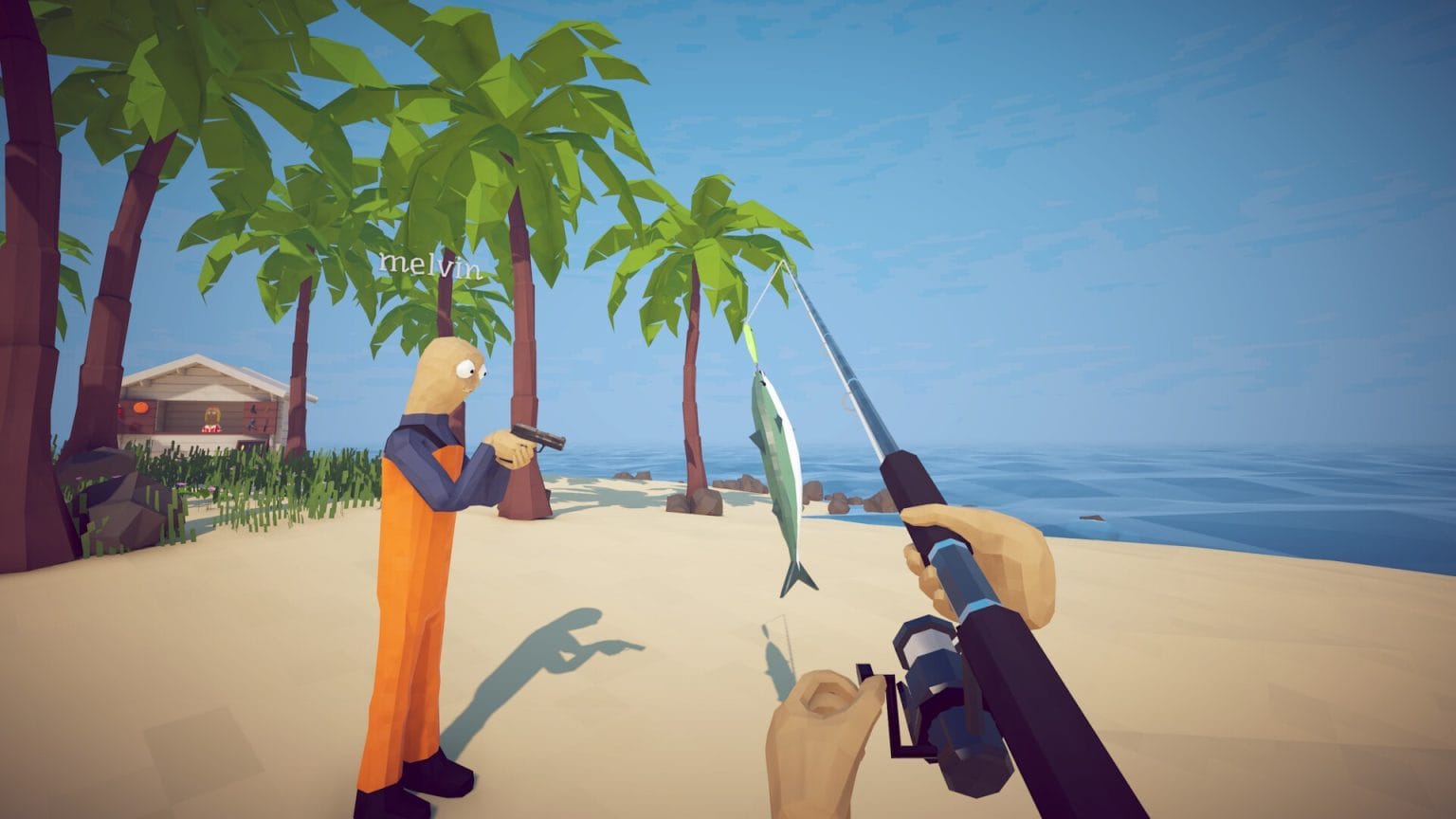

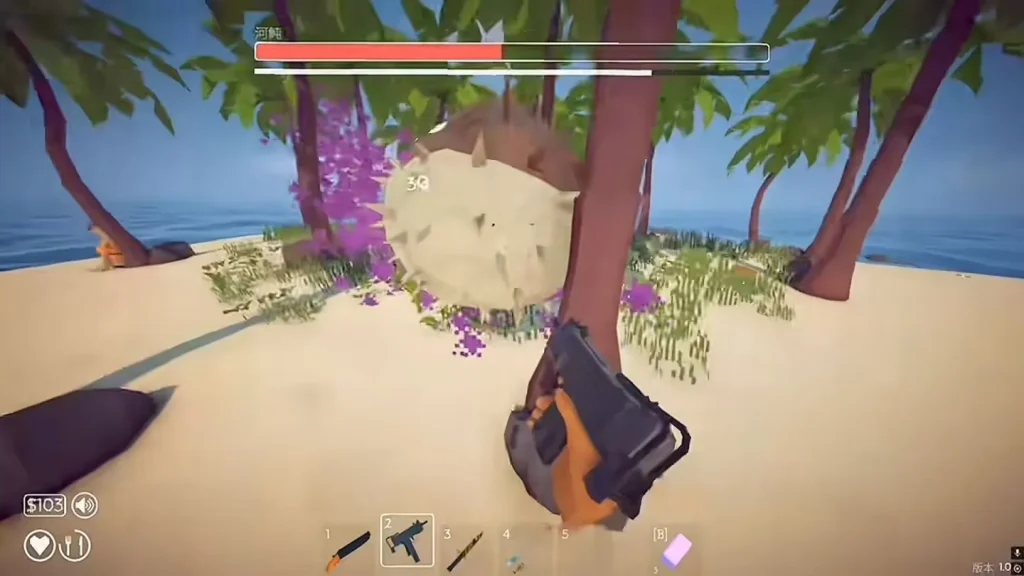
I spawned on a tiny island with peculiar “people” in front of me, scrambling frantically. “Pop ’em up!” one of my younger brothers shouted. His character flung a fish into the air. He, my other younger brother, and their friend shot it with handguns. “Switch ’em down, switch ’em down!” my youngest brother yelled between maniacal laughter as the group proceeded to riddle grounded fish with bullets. Suddenly, a low-poly seagull swooped down, abducted one of them, and flew over the ocean. I had no prior context. They told me the game was cheap and cooperative. That was my introduction to How to Fish from Dazed Games.
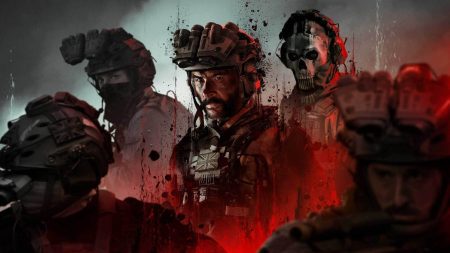
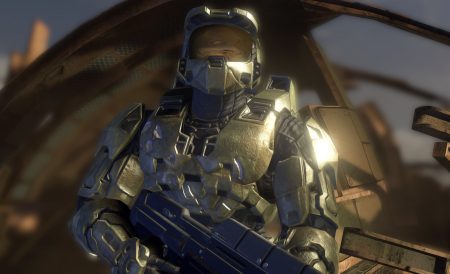
I joined them that night, looking for a multiplayer experience focused on collaboration instead of competition. In return, I experienced a joy I hadn’t felt in years. It was a stark contrast to the intense online lobbies of Bungie’s Halo 3 and Infinity Ward’s Call of Duty 4: Modern Warfare, or the trash talk in Capcom’s Street Fighter IV I grew up hearing. It felt like I was a kid again, playing our favorite local multiplayer games on the Nintendo Wii.
How To (Shoot) Fish
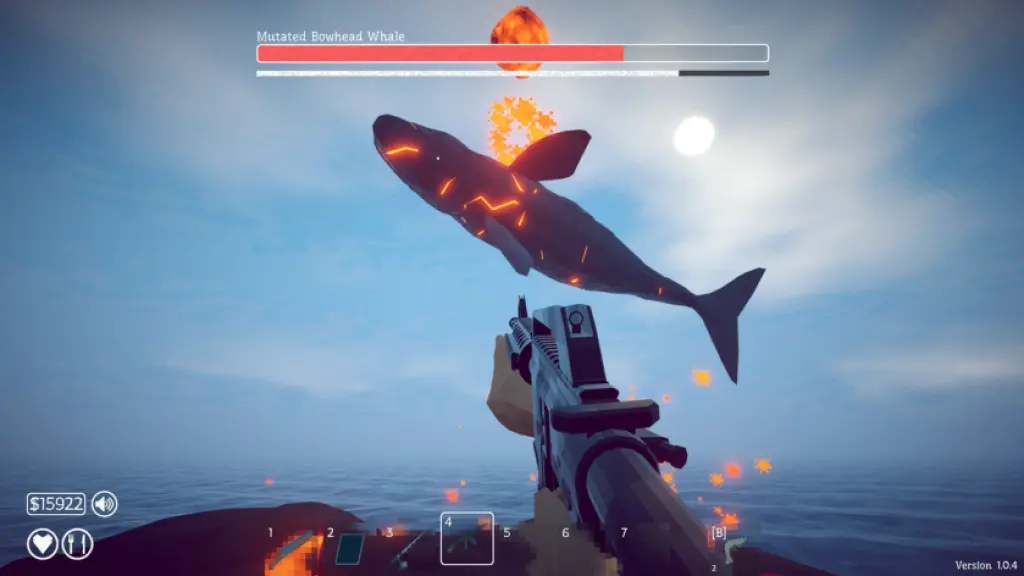
After a few chaotic hours learning the methods of How to Fish, I’ve decided that now it’s the only way I want to fish — Rambo-style with a squad of wacky characters. The goofy, low-poly potato people with their stationary googly eyes, their art style fuels the whimsical madness of the entire gameplay loop. You catch fish, each with a specific value, and feed them to the potato people. They give you money. You upgrade your guns and melee weapons — a knife, brass knuckles. They even throw in another few bucks for “trick shots” on fish, hence the fish flinging.
The joy of pummeling a “boss” sunfish with my upgraded brass knuckles while my brothers gunned it down was some truly stupid fun. I’ve played fishing games before. I started on my Sega Dreamcast with Sega Bass Fishing, and then I used Big the Cat to fish for Froggy in Sonic Adventure. I hated it.
I swore off fishing games and fishing mini-games well into adulthood. But How to Fish is a PvE experience unlike anything I’ve ever played — a blend of genres I never would’ve thought of. Its absurdity brought the best of our personalities out and engaged our senses of humor more than everyday conversation ever does.
Fishing, especially in role-playing games, is primarily a solo experience. But How to Fish’s design begs for collaboration between your teammates, with its increasingly difficult horde of underwater threats that are as furious as your attempts to catch them. They must’ve heard the gunshots in between my brothers taunting a piranha with SpongeBob SquarePants quotes like “How many times do we need to teach you this lesson, old man?” before a coup de grace.
Party in the Machine
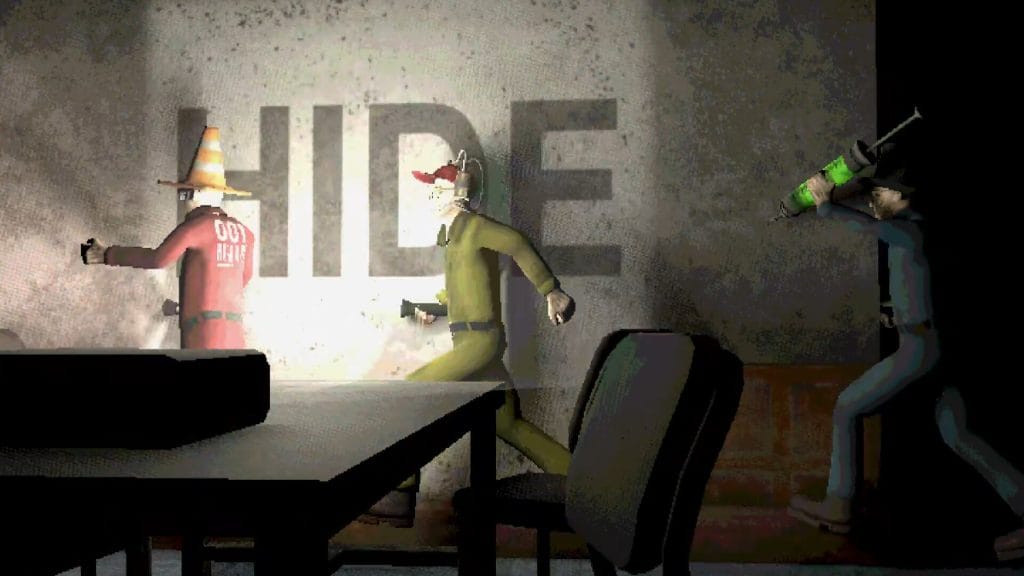
And even when we switched up games to Machine Party (from developers Mike Klubnika of Buckshot Roulette fame and GDeavid), nearly throwing the concept of collaboration out of a skyscraper window, the fun didn’t stop. This was yet another game I had no reference for, just my brothers chuckling in a Discord chat, peer-pressuring me into buying it because it was cheap, too.
What I experienced was low-poly Saw meets Mario Party — a twisted series of increasingly absurd, bloody mini-games that scored us on surviving the insanity. In one game, we sat down and had a smoke break, and if we didn’t finish our cigarettes, we got our heads blown off. In another game, we hopped between platforms that would fall if their pattern came up on a scoreboard. We shoved each other around until one person survived, Squid Game-style.
The entire time, we were cussing at each other with the adult vocabulary we didn’t have back when we were fighting in (and out of) Super Smash Bros. Brawl or delving into Sonic Shuffle with its similar mini-game structure.
Multiplayer Madness
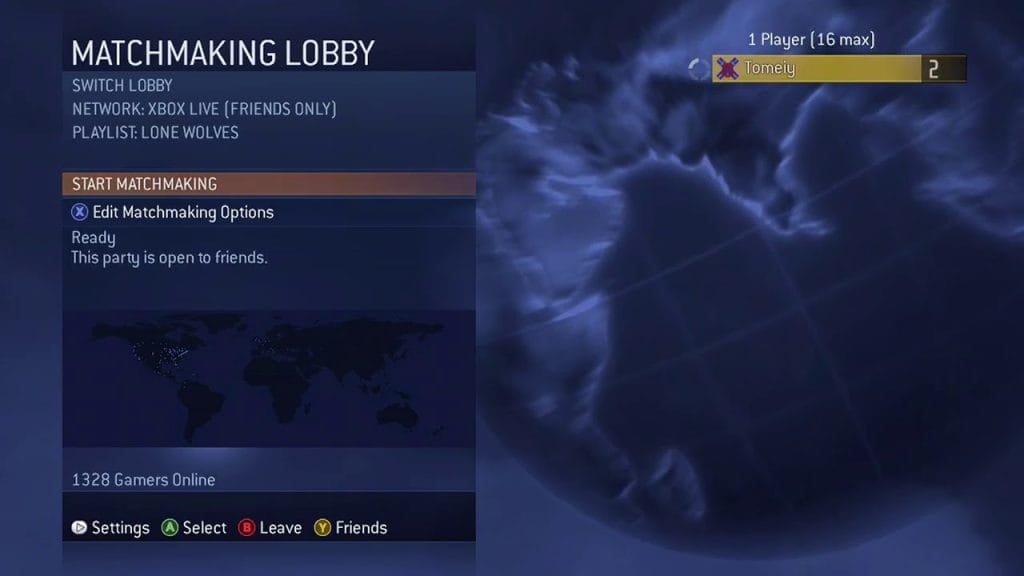
While we played Machine Party’s sniping mini-game where we took turns being the sniper while the rest of us fled for our lives to a safety zone, I reflected on my multiplayer experiences up to that point. In the late 2000s, I spent most of my online time in Halo 3 and Modern Warfare lobbies. Throughout the countless hours of learning the maps and optimizing loadouts, I experienced an endless parade of racism.
And if it wasn’t directed at me, the friends I played with or other players on the team caught sexist, homophobic, transphobic, or racist commentary throughout. What we experienced wasn’t just trash talk. It was blatant hate speech, and it stuck with me — and from what I hear, it hasn’t changed much.
Over time, I unplugged my microphone and turned off voice chat entirely. I couldn’t trust strangers to act with basic human decency. I mostly stopped playing shooters online altogether. When I played fighting games, I never plugged my mic in unless I was playing against friends.
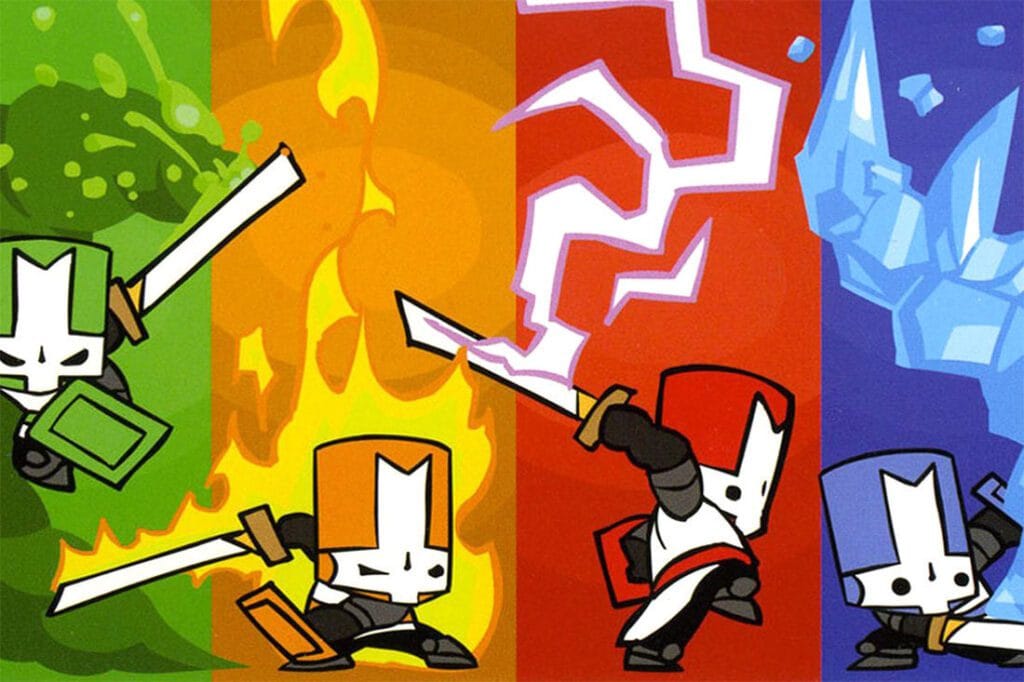
My only reprieve during those years was the time my little brothers and I spent on the couch during the summer and over holidays with a series of local and co-op multiplayer experiences. We played Bomberman Live and Wii Sports religiously. We ran through the split-screen co-op campaigns in Halo 3. We teamed up in Scott Pilgrim vs. the World. We cheered when we beat Castle Crashers together. There was still plenty of trash talk, but we were family at the end of the day, and we always picked the controller back up.
Keeping the Connection
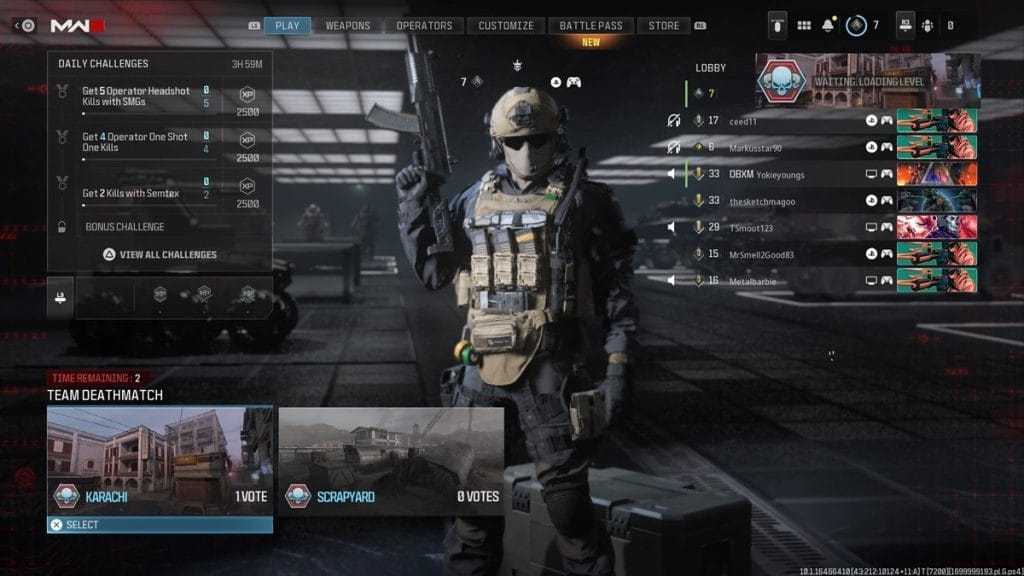
Now, navigating modern matchmaking feels harder than it used to. During the Halo 3 and Modern Warfare era, you picked “ranked” or “casual,” you picked the game type, sometimes you saw how populated those lobbies were, and you just played. Or you created a room.
I don’t know how it got more complicated than that. Once I log on, I have to navigate a series of microtransaction rewards I earn just for logging in. It’s not even clear where I spend these different currencies for merely the chance, thanks to gacha mechanics, to purchase cosmetics. The never-ending stream of daily, weekly, and monthly challenges doesn’t encourage me to log in more often; it increases my anxiety. I feel like someone is pulling cards out of my wallet every time I log on.
New “seasons” of content, complete with themes and gameplay bonuses, introduce constant balance patches to characters once I finally start to understand them. With all of this additional clutter over the years, multiplayer gaming has changed into something I struggle to navigate. Maybe I’m an old man yelling at a cloud. But thankfully, the Discord method helps me cut through the noise. My Gen Z younger brothers, who grew up with these experiences, are better at helping me navigate it.
Aging Up
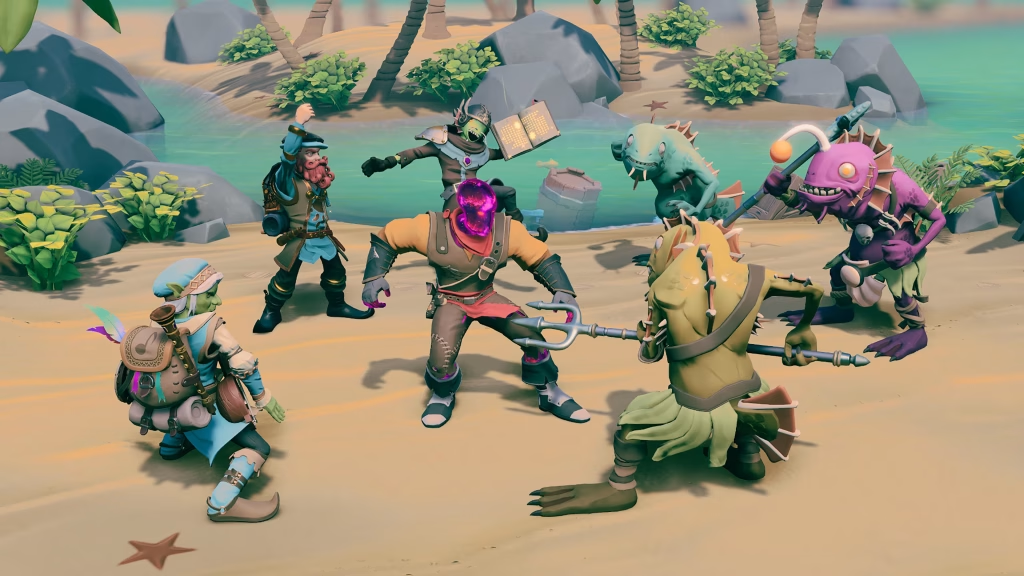
Once we were all adults, my brothers introduced me to For the King 2, one of the first “modern” multiplayer games that has slowly helped me learn to overcome my aversion to modern-day multiplayer gaming. As a co-op, D&D-esque RPG, it taps into something we didn’t have a comparison for as kids.
Now we were strategizing party compositions and trying to survive the world as long as we could. None of us had the patience for turn-based games growing up — I sure didn’t — and they’re the ones who recommended it to me. This was the kind of growth, I guess, that could only come in our 20s with 20-sided dice. Except now, I’m the old man the cast of SpongeBob is angrily trying to teach.
A Shared Language
My brothers and I grew up separately from each other — me with one parent, them with the other — only coming together during holidays and summers. We made those times count through video games. It was the language we spoke.
Now the three of us live in separate states, leading separate lives. When we talk about our jobs, it feels stilted. A job is a job. School is school. It’s like we hold back our true personalities because we don’t have a conduit to express ourselves fully through small talk.
But the most common example of the disconnect — and the one that stings every time — slips out in the way we refer to our parents. Sometimes, when they’re talking to me, it’s “my dad” or “my mom.” When I’m talking to them, same thing: “my dad,” “my mom.” Those are the moments when I remember that they grew up together in the same space, while I grew up separately. I feel the distance and the years apart the most then.
Like We’re Back on the Couch
Then someone brings up a game, and we turn into kids again — with a much more colorful vocabulary and a deeper frame of pop culture references through which to express our glee, frustration, and dark, twisted senses of humor.
We hop on Discord, send each other requests on Steam, and we just… join. No matchmaking lobbies. No ranked-or-casual selection screens. No strangers. I don’t have to deal with a stranger calling me the n-word. I just hear one of my brothers cuss out a mackerel that slapped him to death while I run over to revive him in the most melodramatic way possible: I quote the lifeguard fish from SpongeBob with “What is it, son? What do you need?”
I used to avoid multiplayer games entirely because of the toxic culture and the hateful speech. But thanks to my brothers (and SpongeBob. All hail the magic conch!), I’m finally finding the vocabulary I need to enjoy multiplayer games again — one gunned-down gar at a time.

Donovan is a lifelong gamer with a love for fast-paced, single-player action games—especially Devil May Cry, Metroidvanias, indies, and action RPGs. He’s also an “advanced scrub” at fighting games and will play just about anything fun. Donovan is passionate about seeing more diverse characters and creators in the industry—or at least better hair options for Black people. With over a decade in journalism, he joined The Punished Backlog in 2023 to write more about what he loves. Follow him on Twitter and Instagram @dono_harrell.