
My favorite day of class every semester is the one where I bring a few fragments of manuscripts for my students to hold, read, and experience. For nearly all of my students, this is their first time holding a 500-year-old document. A few of these fragments are modestly decorated, each contains some rubrication (the red text), and a couple show scars from being recycled into book bindings.
My students fall in love with manuscripts on that day every semester (even if they don’t always love medieval literature). They become mesmerized by the handwriting, the imperfections, and the “fleshiness” of the parchment. These manuscripts don’t hold a candle to the beautifully illustrated complete codices that live in archives across the United States, Europe, and the United Kingdom. In these cases, digital facsimiles are all I can give my students. In this way, my ugly fragments start a passion I hope they can continue to fulfill later in their academic lives.
The folks at Yaza Games also love their medieval manuscripts. The Warsaw-based developer creates worlds in which the only medieval manuscripts are richly illustrated. In 2024, their premiere game, Inkulinati, brought those little guys in the marginalia to life to fight for their scribes.
Scriptorium: Master of Manuscripts, which released last month, shares the late-medieval aesthetic of the studio’s previous effort but takes a totally different approach: illuminated manuscript simulator. The game gives players an opportunity to put the finishing touches on some already beautifully designed books, to great effect.
A Queen, a King, a Dancing Ban, and a Divorce
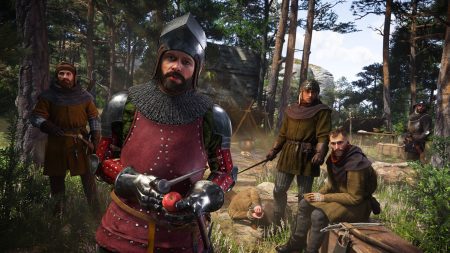
Drama is afoot early in Scriptorium’s entertaining story mode. While it never reaches the highs of Obsidian’s masterpiece Pentiment or suffers the playboy lows of Kingdom Come: Deliverance II, Scriptorium smartly engages with tropes that you may remember from your Early British Literature Survey in college (or those upper-level medieval English, French, History, or Art History courses).
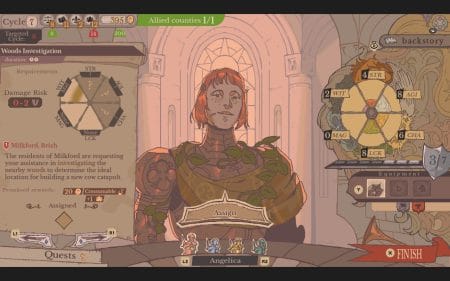
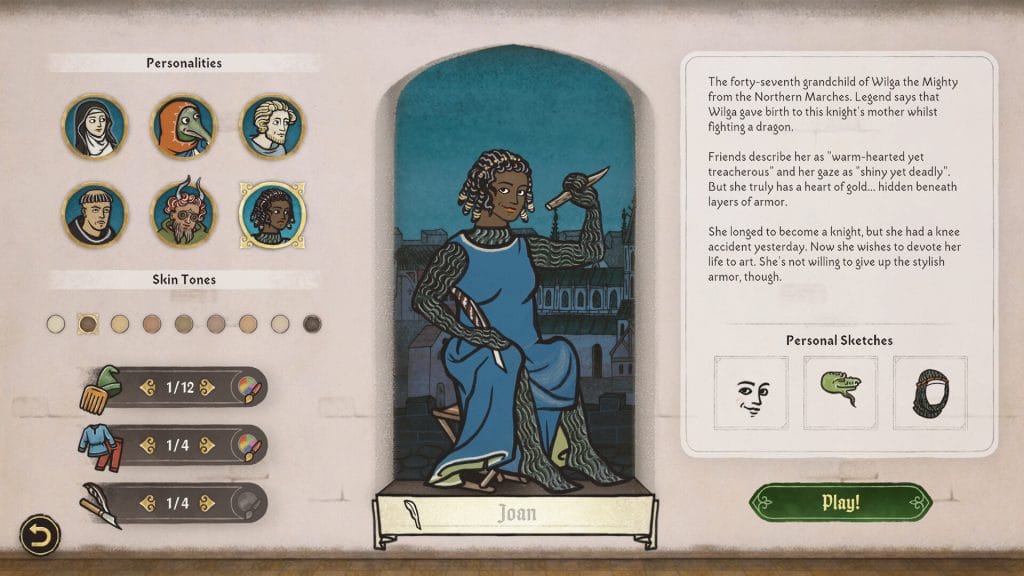
Players start by selecting an illustrator from a selection of well-trodden images (similar to the selection of scribes in Inkulinati). Once you’ve created your character, you’ll start receiving commissions from various patrons.
Each commission consists of two parts: “requests” and “extra wishes.” To complete a job, you must meet the illustration requirements for each request, no matter how strange. Extra wishes, meanwhile, add a welcome layer of fun and creativity. While trying to achieve the vision described by the patron is obviously best practice, I found assignments often just required a certain number of drawings or letters on the page. The real-life marginalia-inspired characters celebrate the player’s creation no matter what!
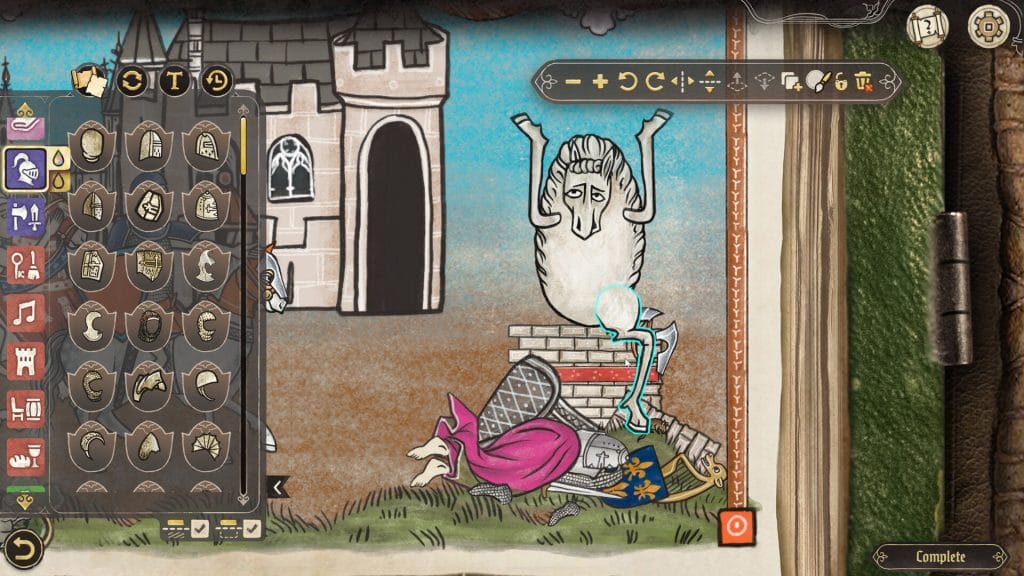
As for the patrons, you’ll do jobs for some suspiciously named characters, like Christine the Poet (totally not Christine de Pizan!) or Sir “Tristan” the Snail (named for Sir Tristan of medieval romance fame). These stories are entertaining enough. The manuscripts and folium these characters place in front of the player are nearly always perfectly prepared. Their requests often lack ambiguity about the illustrations they want front and center, and in the marginalia.
In addition to these smaller stories, Scriptorium features a central narrative about a troubled royal marriage and the illustrator’s uncle. Even if its connected narrative doesn’t align with the player’s interests, there is no shortage of commissions to enjoy. The game doesn’t introduce time constraints, and the player can leave a job mid-creation without penalty.
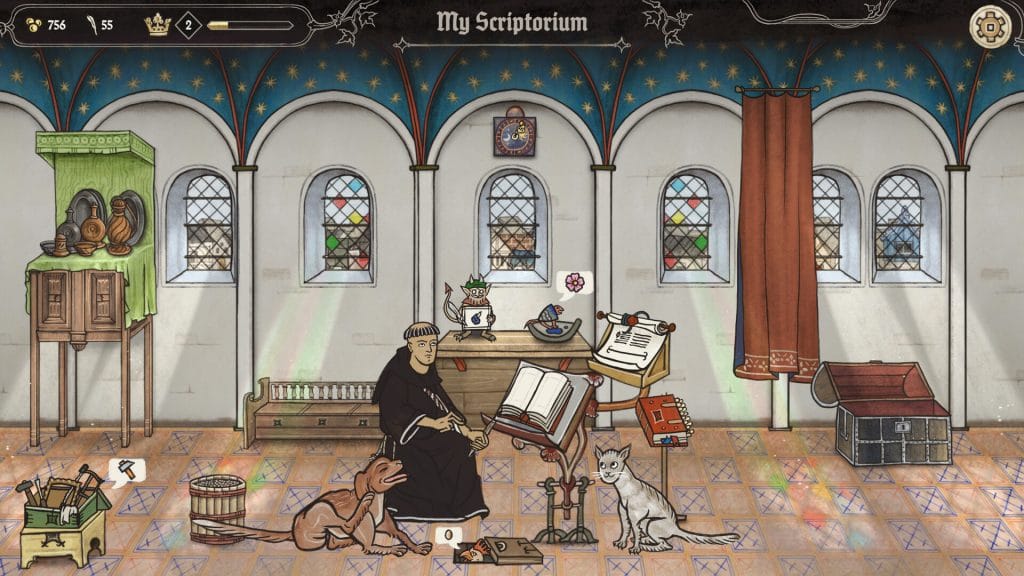
As you complete commissions, you earn gold that you can use to buy decorations for your personal scriptorium. My space stayed sparse for much of my playthrough, but fellow cozy gamers will love the level of customization the game provides over time.
DIY Pigments, but Buy the Drawings
I very much enjoyed decorating multiple manuscript pages for different clients and watching their tales unfold, but these tasks would have been far more repetitive without Scriptorium’s workshop elements.
Over the course of the game’s story mode, you’ll level up and unlock new things to buy, including flowers you can use to create pigments. A little booklet keeps track of the color pairings the player has discovered. I found unlocking the 12 flowers and combining them (along with bars of gold melted down with dragon fire!) to be a lovely way to pass the time between starting jobs.
The hardest part about playing with pigments was deciding which ones to keep on my “board,” as players are only able to include up to 10 at once. Thankfully, Scriptorium is kind enough to let you create pigments even while mid-job. Not happy with the base pigments the game provides you with? Mix and match as you see fit.
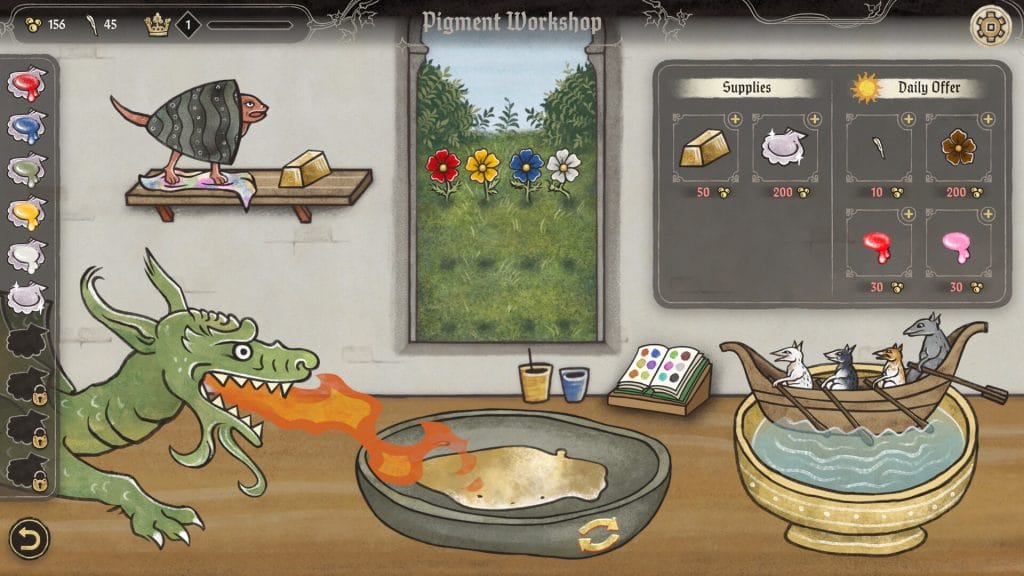
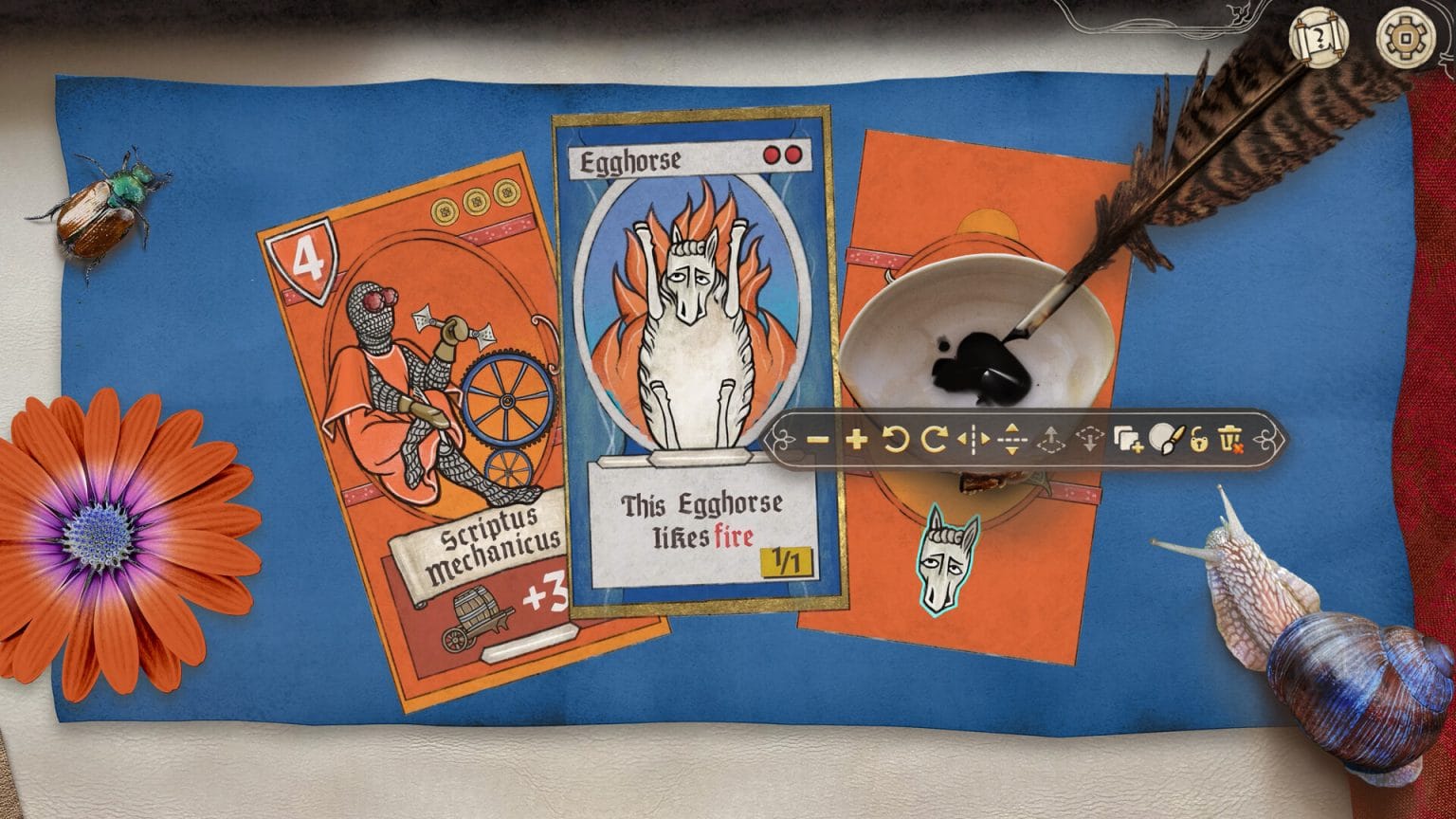
These pigments make customizing Scriptorium’s many drawings much more fluid. By game’s end, the player has over 2,000 drawings to choose from. Some are complete miniatures that need little to no customization, while others are limbs, individual pieces of clothing, or plant-life. With pigments, players can modify the color arrangements for about half of these drawings, adding to the game’s variety.
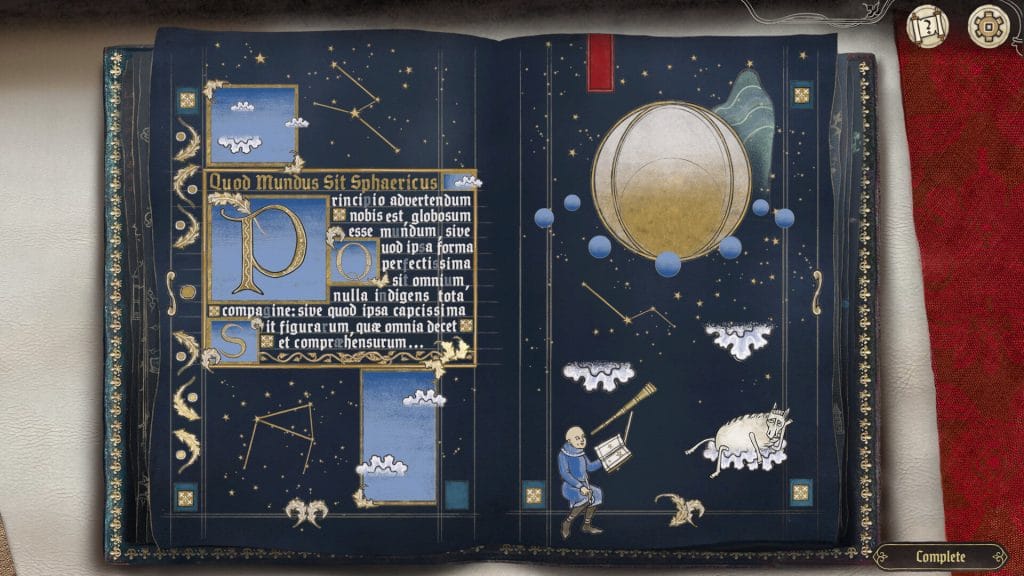
Players unlock drawings in two ways: completing jobs or buying the drawings from the game’s devil-merchant figure (what is a medieval video game without some divine or devilish intervention?). Each of these drawings is inspired by an existing illustration or marginalia in a real-life manuscript. It is kind of amazing to see these images make it into a video game. Further, Scriptorium’s tools make these drawings feel more than mere stickers being thrown on the page, allowing the player to layer illustrations to bring their creations to life.
Final Thoughts
Yaza Games knocks it out of the park again with Scriptorium: Master of Manuscripts, if only for a somewhat niche audience. In no small part, the game feels made for medievalists, as well as for folks who love medieval books and cozy games. The game finds comfort in its gameplay loop, and is supported by an entertaining series of short stories.
To be honest, I haven’t enjoyed applications (game or otherwise) where I was forced to draw or paint for entertainment since Microsoft Paint. I expected the charm of the scriptorium to wear off quickly, but after nearly 10 hours, I find myself giddy to go back through the individual stories of these trope-y characters and spend more time in “Sandbox” mode, which lets you design to your heart’s content.
Further, I can’t wait to put Scriptorium in the hands of my students. I imagine pairing the application with medieval literature (and some physical manuscript fragments) will lead to some creative projects and plenty of joy.
Score: 8.0/10
Scriptorium: Master of Manuscripts, developed by Yaza Games and published by Mythwright, released on April 16, 2026, for PC (via Steam). MSRP: $14.99. Version reviewed: PC.
Disclaimer: A review code was provided by the publisher.

Clint is a writer and educator based out of Wisconsin. You can often find him writing about Middle English poetry, medieval games, or video games. He received his PhD in English from the Ohio State University. You can find his academic and public work at clintmorrisonjr.com.