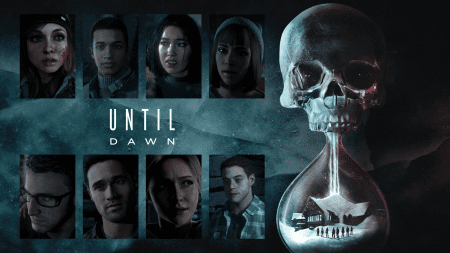

Eleven years ago, I couldn’t put down Until Dawn. I stayed up too late to finish my initial playthrough, saving who I could and mourning who I lost. At the time, Supermassive Games’ 2015 survival-horror game felt like a natural AAA evolution of the Telltale games that I loved (The Walking Dead and The Wolf Among Us).
I loved Supermassive before the studio was a familiar name, playing their LittleBigPlanet and LittleBigPlanet 2 DLCs and much of their early engagement with franchise games (Doctor Who: The Eternity Clock) and ports (Killzone HD). After loving Until Dawn, I stuck with Supermassive through their PlayStation VR phase, picking up Until Dawn: Rush of Blood and The Inpatient. It was here that I began to wonder: Who is Supermassive’s audience? These games were fine, but they weren’t Until Dawn, even if they shared an atmosphere or name.
The studio’s Dark Pictures anthology (2019–present) had left me even more uncertain about their audience. At their best, these narrative games feel like solid episodes of The Twilight Zone or Black Mirror. At their worst, they are beautiful slow burns into oblivion. The stakes and character investments that I found in Until Dawn (and less so in its 2022 spiritual successor, The Quarry) are largely missing. I feel cold in how little I feel for most of the anthology’s casts.
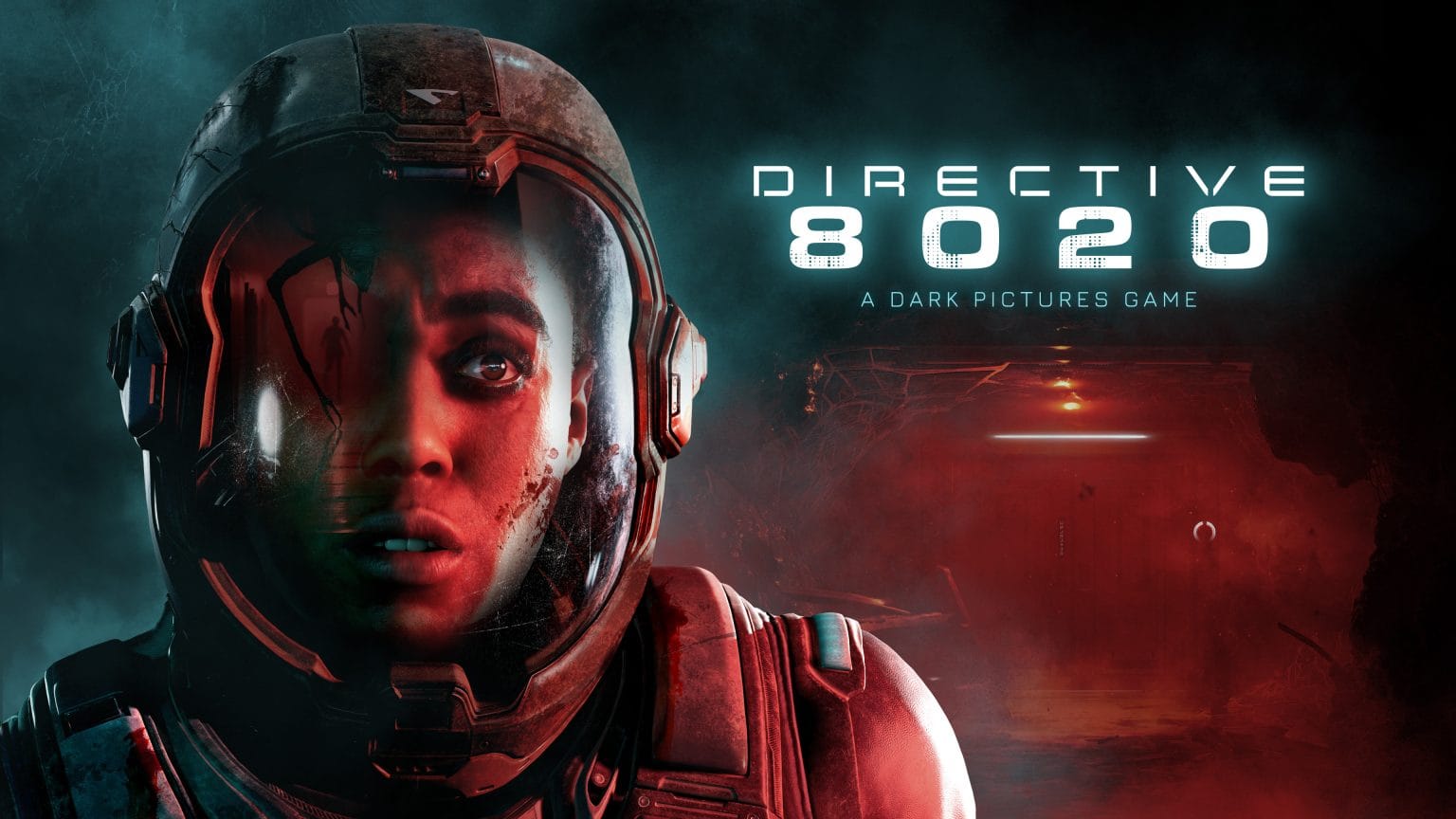
I was optimistic that Directive 8020, released on May 12, would be a step in the right direction. The game takes players to space and immediately has Prometheus vibes. Thus, I assumed I’d care about the cast and that there would be some guiding philosophy (or hope) driving the narrative. Instead, a comparison to Alien: Covenant seems more appropriate: a forgettable, by-the-numbers space horror with little to no real stakes.
A Spaceship Is Just a Haunted House
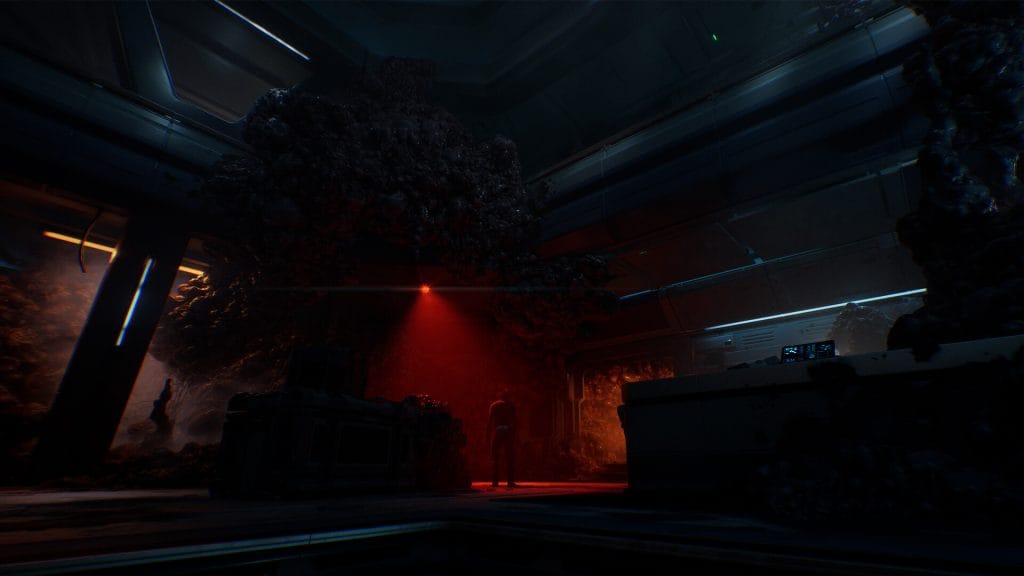
Few backdrops serve as better haunted houses than spaceships. They offer close quarters, darkness, and an eerie, inescapable quietness. Add a creature or a rogue AI, and you have a figurative ghost always on the periphery of the mind. (Alien is a near-perfect haunted house film.) In the best outerspace haunted-house films and media, the haunting means something, allegorically connecting to the media’s moment.
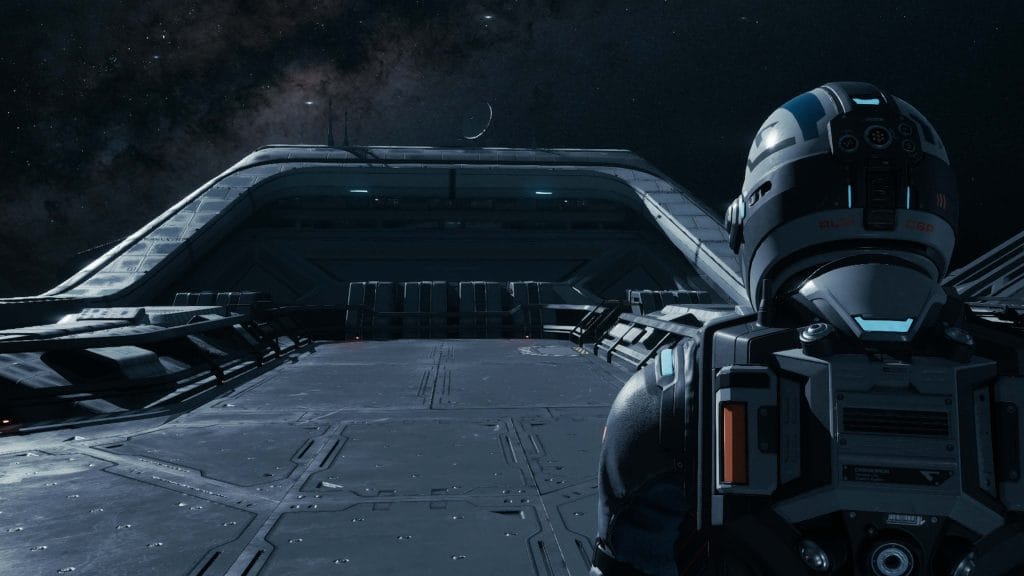
Directive 8020 contains almost all of the parts to meet the moment with a good haunted house in space. The crew wakes up while the two crew members in charge of their sleep care are mysteriously absent, a meteor has torn a hole in the ship, and a shapeshifting life form now resides alongside them. All of this happens while approaching the seemingly uninhabitable planet Tau Ceti f, and the colonization vessel Andromeda allegedly nears. This setup sounds great on paper and quickly builds tension early on.
The creature itself, the appeal of the haunted house, is unfortunately forgettable.
The execution across eight one-hour episodes does not sustain this tension. Choices and stealth sections that I held my breath for during the first couple of episodes find laborious twins in future episodes. For a brief interactive drama, I found myself hoping for a quicker release from Directive 8020′s repetitive gameplay loops.
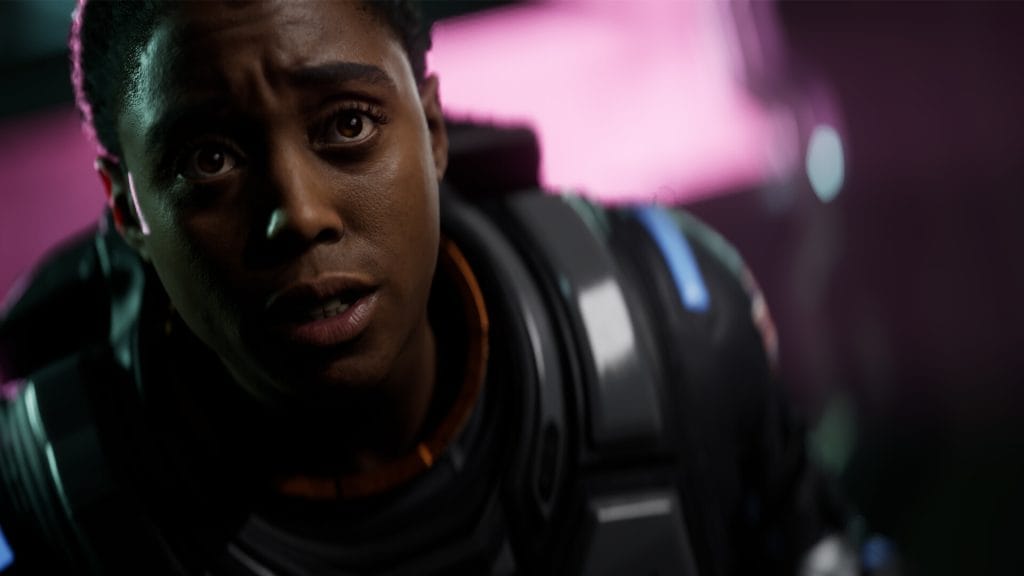
I don’t want to dismiss the brilliant actors or their performances. Lashana Lynch and Danny Sapani are given the space to create empathetic moments, heightened by the game’s gorgeous presentation. The rest of the cast does a nice job with what the script gives them. In this way, the game gives us the interactive equivalent of the more mediocre or bad haunted-house, Alien, or Predator films: two interesting characters surrounded by crewmates that make frustrating, if not outright poor, choices.
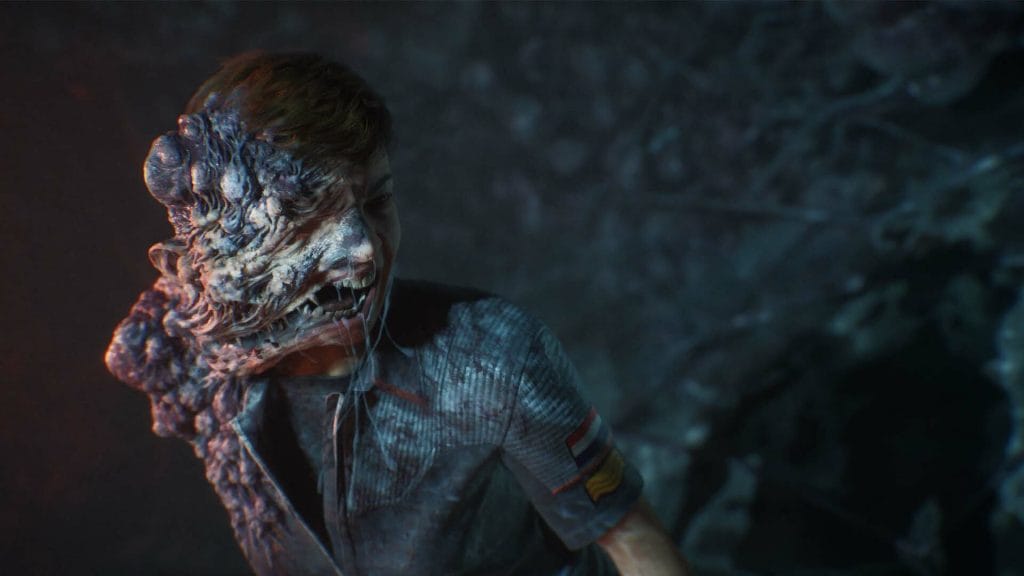
The creature itself, the appeal of the haunted house, is unfortunately forgettable. It takes a back seat to a far greater threat to the crewmembers with little payoff. The greater threat (a twist I won’t spoil) ultimately undercuts the tension created by the creature’s shapeshifting. Players looking for the spectre in the periphery never have to look much further than centerstage.
Be Kind, Rewind
Supermassive has made major revisions to its usual systems. The camerawork has never felt better, and several quality-of-life updates make the game more approachable (and trophy lists more easily attainable).
The biggest update is the Turning Point feature, allowing players to quickly rewind or return to pivotal moments and change major decisions. This feature is wonderful; however, the notifications about consequences and the immediate temptation to hit a button to rewind mid-cutscene break the immersion. My desire to save all of the crewmembers outweighed my ethical concern about seeing my choices through. I could hear fellow Punished Backlog writer Kei Isobe commenting on what is effectively developer-ordained save-scumming.
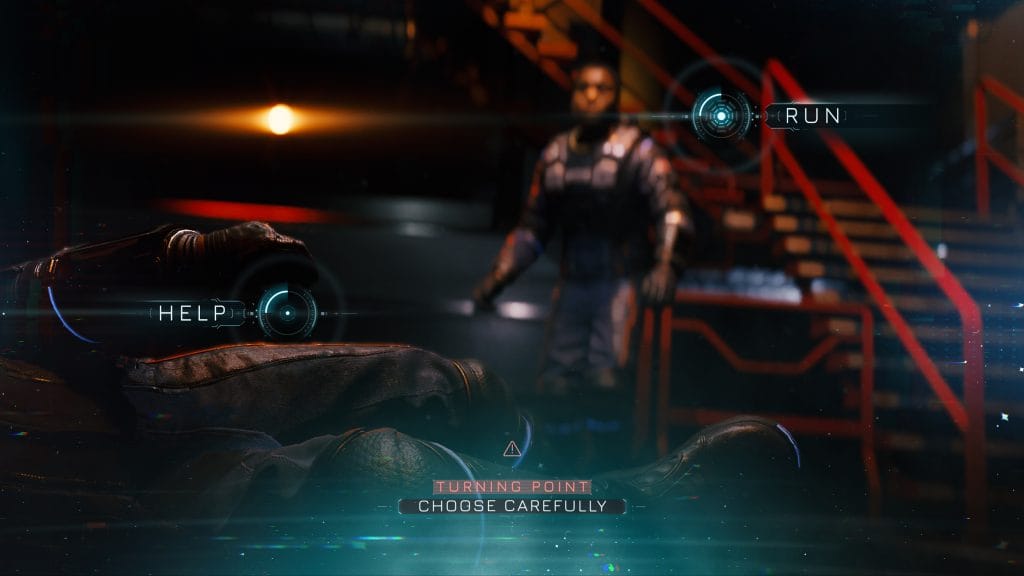
This feature can be avoided by playing in Survivor Mode. This alternative makes permanent the player’s choices and should be encouraged for the first playthrough. However, when every choice can be quickly rewound, the stakes of choices quickly evaporate. I don’t always want to replay an entire game or episode to see a single cutscene or outcome, but choices are made inconsequential when they can so easily be changed on the spot.
Ultimately, Directive 8020 is a haunted house without consequence.
I’d be remiss not to briefly comment on the stealth components of Directive 8020. Here, Supermassive has made real progress from previous titles. Stealth initially feels like a solid evolution from their past titles. Unfortunately, the stealth sections outlast their welcome. A few stealth sections spread over an interactive drama can really help elevate tension. Here, however, several forced stealth sections (at least one per episode) dilute the experience, slowing everything down. While getting caught isn’t necessarily a death sentence (especially since you can rewind with a Turning Point), these sequences lacked bite or dynamism.
Final Thoughts
Scarlet Hollow spoiled me earlier this year. I cared so much about each of its characters, the little town, and the stakes of my decisions. I desperately wanted a similar experience from Directive 8020, trading the stylized art for hyperrealism. Much like Supermassive’s recent efforts in Little Nightmares III and The Casting of Frank Stone, this latest entry in The Dark Pictures is somewhat forgettable in both its safe competence and repetitiveness.
In this way, Directive 8020 feels like the least loved Alien films. At its best, the game is reminiscent of a Twilight Zone or Black Mirror episode where the player anticipates the other shoe dropping with a jaw-dropping reveal. Ultimately, however, Directive 8020 is a haunted house without consequence.
Score: 6.0/10
Directive 8020, developed and published by Supermassive Games, released on May 12, 2026, for PC, PlayStation 5, and Xbox Series X/S. MSRP: $49.99. Version reviewed: PlayStation 5.
Disclaimer: A review code was provided by the publisher.

Clint is a writer and educator based out of Wisconsin. You can often find him writing about Middle English poetry, medieval games, or video games. He received his PhD in English from the Ohio State University. You can find his academic and public work at clintmorrisonjr.com.