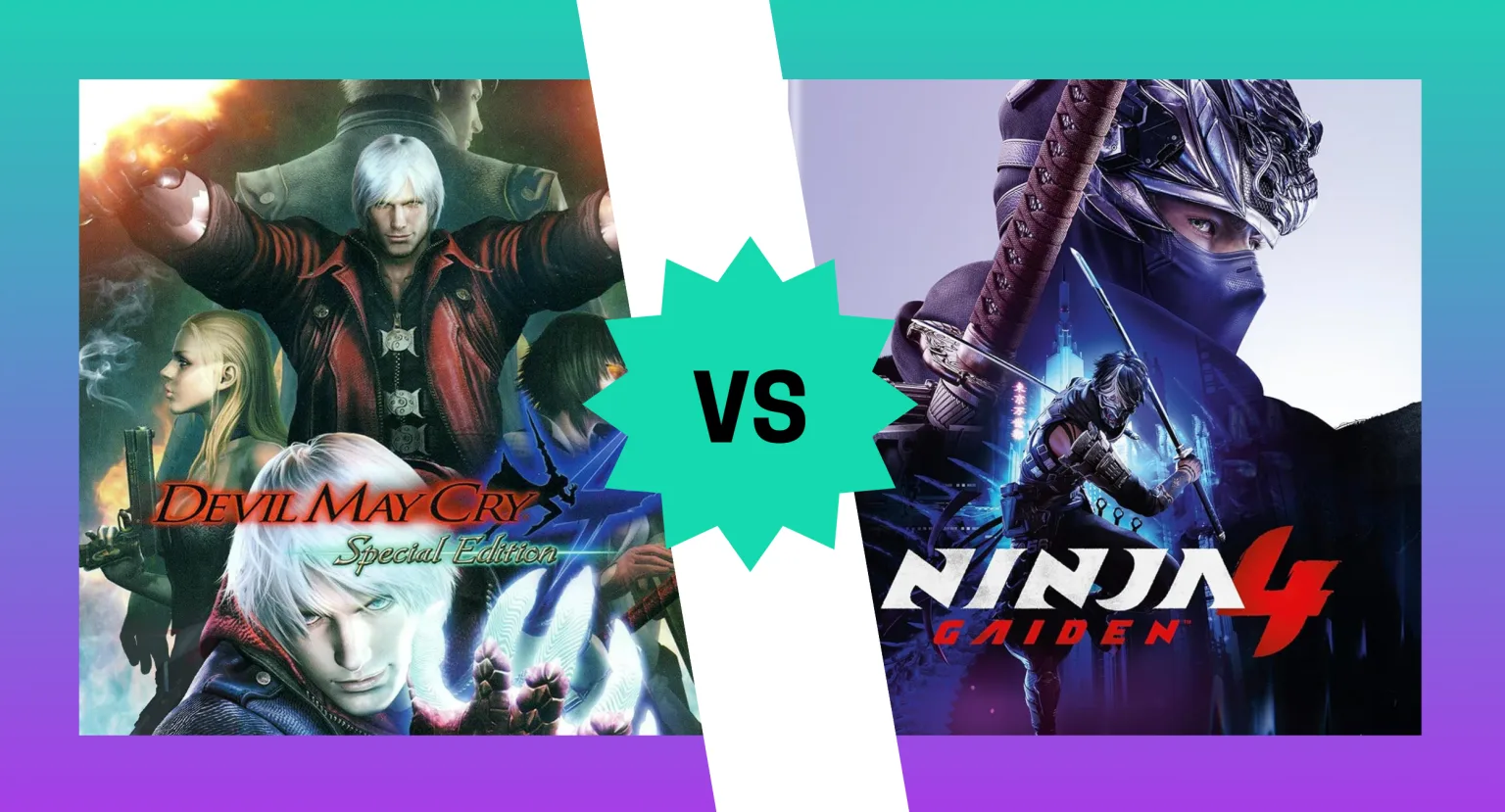

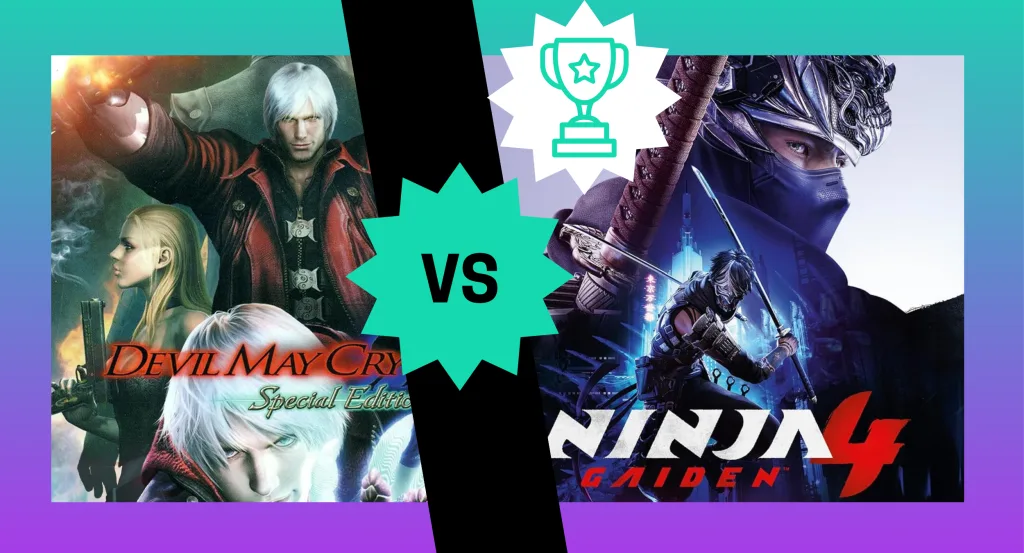
Devil May Cry 4 vs. Ninja Gaiden 4: a duel between timeless depth and modern completeness, with plenty of stylish action fireworks.
Stylish Action Is Back — and Honestly, I Needed It
Stylish action games are finally having a moment again.
For years, the genre lived in the shadows of Soulslikes and open-world behemoths — its wild combo strings and arena-based design treated like relics of an older gaming era. But 2025 has quietly become an action game renaissance.
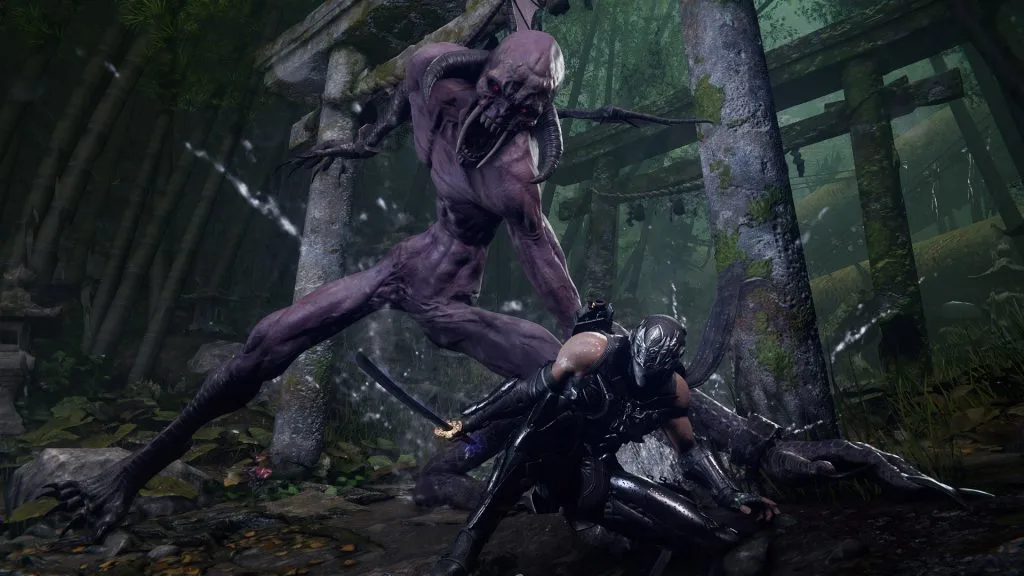
Ninja Gaiden 4 brought the genre back onto the stage in 2025 with a hybrid identity that feels one part PlatinumGames fever dream, one part Team Ninja legacy. Meanwhile, Capcom’s Devil May Cry 4 (DMC4) — despite dropping in 2008 and returning in 2015 with its special edition — still maintains a fiercely loyal lab community that treats it like a sacred text.
As I carved through cyber samurai and blew up tenacious tengu with explosive projectiles in Ninja Gaiden 4, I kept feeling déjà vu. These two games — their pacing, their mechanical philosophies, their narrative skeletons, and even their flaws — echo one another.
There’s more than enough here to warrant another showdown. So, let’s talk about two titans and see which demon slayer simulator stands supreme in the year 2025.
Why These Two?
Devil May Cry 4 is a foundational entry in the stylish action canon — a proof-of-concept in the golden age of Resident Evil 4-era Capcom. Ninja Gaiden 4, meanwhile, is a modern, experimental attempt to fuse the lineage of Team Ninja’s brutally technical design with Platinum’s flash, bombast, and pace.
Despite the 17-year gap, these games share striking similarities.
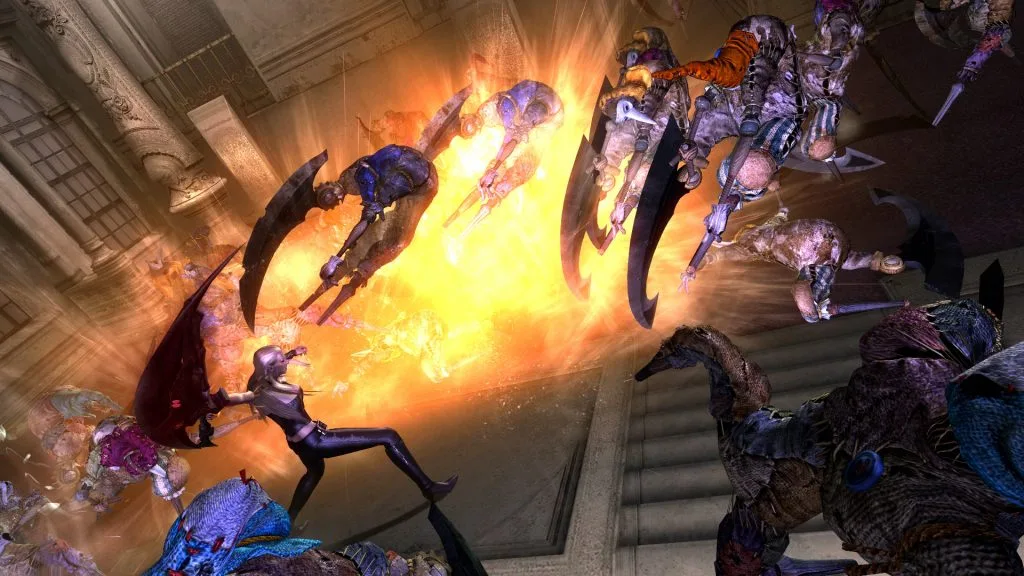
Both games feature angsty, young, white-haired protagonists who aren’t fully trusted by their legendary mentors. Both rely on circular, backtracking-heavy level structures that slow the pace and frustrate players. Both have a dual-protagonist structure, pairing the newbies with the vets. Both introduce signature mechanics that define their respective identities: Ninja Gaiden 4 with its Blood Raven Form, Blood Bind gauge, and Berserk system, and DMC4 with its Devil Bringer, EX-Gauge, and Dante’s freeform style-switching. Both games have the series veterans ultimately pass the torch to the newbies.
Furthermore, both games are also revival stories in their own way: Ninja Gaiden 4 resurrects a long-dormant franchise by pulling from the DNA of the studios that shaped the genre, while DMC4 kept a passionate community alive for more than a decade through combo researchers, modders, and tech hunters.
And ultimately, both games want the same thing from you: to master their tools, survive their cruelty, and do it all with panache.

Story & Characters: Charisma vs. Edge
Neither game is winning a Hugo Award anytime soon. Both franchises have always used story as connective tissue rather than as a primary feature, with plot serving more as an excuse to push you from one battle arena to the next. But the tonal difference is striking.
Devil May Cry 4 — Charming Melodrama
For Team Devil Hunter, we have new series protagonist Nero, who bursts with personality. Hot-headed, self-serious, and constantly trash-talking demons, he injects energy into every encounter. His Devil Bringer arm is both a mechanical revelation and a symbolic hint at his demonic lineage. Dante, the Devil May Cry franchise veteran and protagonist of the previous entries in the franchise, barrels through the story like a rockstar who knows he’s the main attraction but refuses to outshine the protagonist (too much).
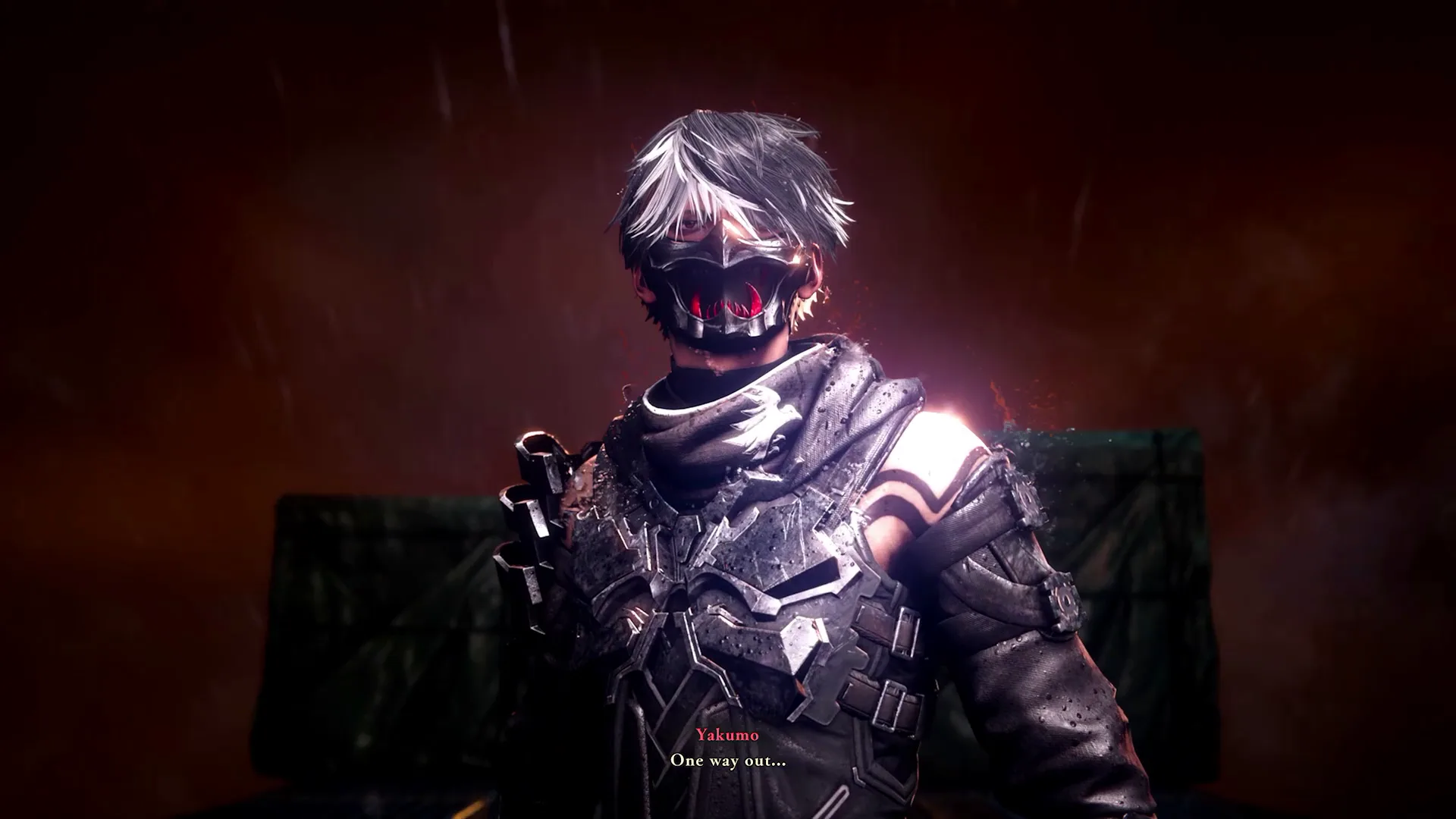
The plot is melodramatic — a cult, a conspiracy, stolen power, family secrets — but the characters elevate it. Nero shouting mid-combo is more memorable than anything Yakumo mutters across the entire game. Dante’s mid-boss Shakespearean monologue, complete with dramatic stage lighting, similarly trumps Hayabusa’s nods of approval or disapproval.
Ninja Gaiden 4 — Gruff and Paper-Thin
On Team Dragon Slayer, you have Yakumo, your new Raven Clan ninja protagonist, who is driven by prophecy to stop the Dark Dragon from poisoning Tokyo. His clan resents the Hayabusa clan’s historic victories. Unfortunately, in stark contrast to the above, most of this hero’s dialogue can be boiled down to tired grunts, quiet resentment, and grim determination.
The other main characters feel paper-thin. The most egregious example is Ryu Hayabusa, Yakumo’s rival (and I use the term loosely because Ryu is hilariously more powerful by comparison), “Master Ninja,” and main protagonist of the 3D Ninja Gaiden franchise. Hayabusa appears, says very little, kills a lot, then vanishes from the story with a disappointing narrative and a smoke bomb. Seori, a priestess who relentlessly teases Yakumo, is the latest in the long Team Ninja tradition of perpetually jiggly heroines.
The emotional beats are earnest but rarely land because they are predictable and feel completely unearned. I didn’t learn enough about these characters’ motivations or see them interact in any meaningful way to justify emotional attachment once the betrayals, plot twists, and deaths came. Many cutscenes feel like exposition snippets stitched together between combat encounters, and Yakumo’s death scenes, complete with Metal Gear-style dramatics (Snake? SNAAAAAAAKE???), occasionally pull laughs the developers probably didn’t intend. Ultimately, the game just takes itself way too seriously.
Story Winner: Devil May Cry 4
Pure charisma wins. DMC4’s leads carry an otherwise hollow story, while Ninja Gaiden 4’s narrative moves from point A to point B without much charm along the way.
Combat: The Heart of the Duel
(The part you’re really here for.)
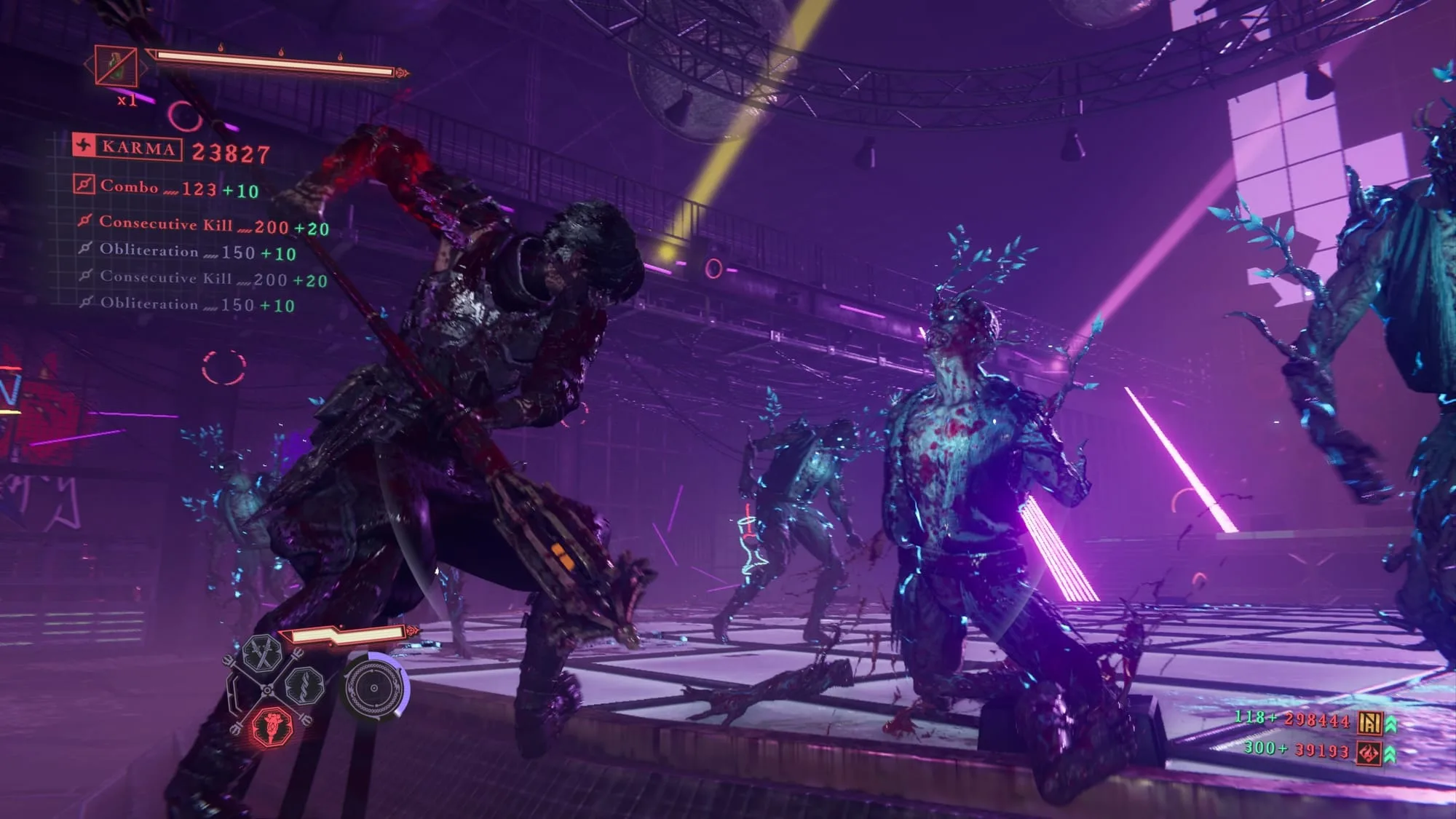
Let’s slow this down and give each game’s combat the attention it deserves. This is where both titles show their teeth, their identity, and their competing philosophies.
Devil May Cry 4 — The Cathedral of Player Expression
The devil hunters slice demons up on a canvas — one where the player is painter, choreographer, and stunt performer all at once.
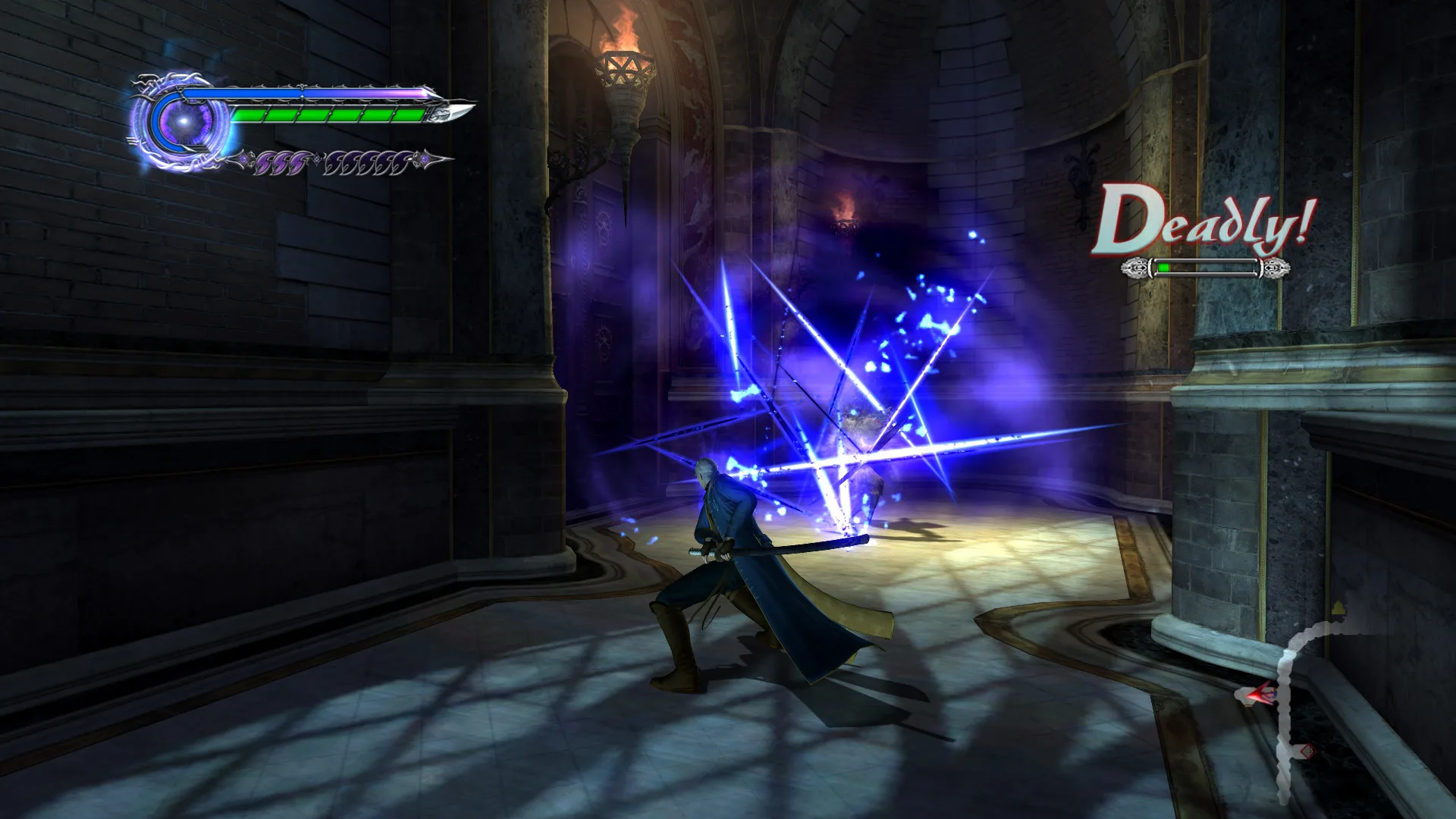
Nero’s toolkit is simple on the surface but deep once you invest. Of his skills, his Devil Bringer pulls enemies in or slams you toward them, creating natural flow. You can even “block” attacks using grappled enemies as human shields. His Blue Rose revolver hits like a truck when charged. His Red Queen’s clutch EX-Gauge system rewards rhythmic revving, letting skilled players power up every attack and add new properties to his special attacks. Meanwhile, his Devil Trigger — more of a spectral Jojo’s Bizarre Adventure stand than a true transformation — creates unique combo routes through delayed hits.
Dante, though, is where Devil May Cry 4 becomes immortal.
Style-switching on the fly. Weapons layered on weapons. A move list so enormous that the community spent over a decade uncovering hidden tech. Dante’s Devil Trigger makes a return, transforming him into his demon form and empowering each of these moves, slowly healing him and increasing his mobility.

You can learn DMC4 in an afternoon — or spend the rest of your life mastering it. The game’s community-dubbed “inertia” system, often debated, becomes a plaything once you understand how your attack direction shapes your aerial drift. It turns the air into a combat arena of its own, challenging you to pretend the floor is lava and daring you not to step on it.
DMC4’s biggest strength is the consistency of its combat. Its meters behave predictably. Its tools communicate clearly. Every animation, frame, and jump cancel has been studied by thousands of players. It is polished chaos. One might even say it’s combo mad.
Ninja Gaiden 4 — The Platinum-Fused Shinobi Berserker
The dragon slayers come out swinging with a very different, more convoluted philosophy overflowing with meters and mechanics to master.
This is not the hyper-technical, rigid, punishing gauntlet of Ninja Gaiden II (2008) or Ninja Gaiden 2 Black (2025). Instead, this is a Platinum-infused evolution of the brand: faster dodges, blocking, and parry mechanics; wild cinematic kills; wide Bayonetta-esque AOE attacks; aggressive enemy patterns; and stealth sections that evoke Metal Gear Rising: Revengeance.
As you contend with the game’s intrusive, obnoxiously long tutorials, you learn about the Blood Bind gauge, the centerpiece of the game’s combat. It serves as a multi-purpose meter used for transforming weapons when entering Blood Raven form (or Gleam form when playing as Hayabusa), empowering normal and special attacks, or powering your Berserk Mode state. These different forms operate similarly to the DMC-community-maligned DMC: Devil May Cry reboot’s Angel and Devil Styles.

Berserk Mode gives you access to Bloodbath Kills, which take out enemies with a stylish ink brush stroke. You also get Bloodbath Slaughter finishers that trade the entirety of the Berserk Gauge to wipe out entire mobs of enemies, their range varying depending on the weapon you use. Berserk Mode behaves like a hybrid between stamina, Devil Trigger, and weapon style-switching. It also has its own separate meter that fills as you rack up kills and/or sustain damage.
The Blood Bind and Berserk systems behave like a synergistic hybrid between stamina, Devil Trigger, and weapon style switching. Berserk Mode is powered by its own separate meter that (like the Blood Bind gauge) also fills as you rack up kills and/or sustain damage.
But the Blood Bind system is inconsistent. Activation delays, vulnerability windows, variable armor, and unpredictable recharge rates can leave you stranded in the worst possible moments. Some enemies break under Blood Bind pressure quickly. Others tank it completely. Some enemies completely ignore the Ninja Gaiden series’ once-unblockable, fully charged, invincible “ultimate attacks” with disrespectful ease.
It’s also difficult to get an idea of how much of the Blood Bind gauge each Blood Raven form attack utilizes, and there’s no means of expanding this gauge. Quick attacks I thought would use a little meter wind up using half of it, while longer attacks consume far less. The meter also does double duty once you pick up Hayabusa, as it determines which of his Ninpo attacks you can use. And I found the meter consumption rates for Hayabusa’s attacks to be questionable, too.
Obliteration Techniques, where you can kill an enemy with Mortal Kombat-like ruthlessness after lopping off a limb, return with brutal cinematic flair. Guillotine Throws give you breathing room and a quick way to toss annoying enemies into pits. Izuna drops still hit all of the dopamine receptors every time. But Ninja Gaiden 4’s animation-cancel windows feel uneven, with certain moves locking you in place longer than their payoff justifies.
Ninja Gaiden 4’s dodge and parry systems (which can be even more devastating with their “perfect” and Blood Bind variations) add layers of defense that echo Team Ninja’s Nioh 2’s burst counters and Sekiro’s posture dance. But again, inconsistency creeps in: Some enemies’ unblockable “power attacks” activate too fast for you to interrupt with your Bloodraven attacks, even with the red exclamation point warning. Some parry windows feel tight in a good way; others feel like a coin flip.

The camera — especially its target switching — can betray you. The off-screen projectile obsession, even with the warnings showing you the directions they’re coming from, absolutely will betray you. And don’t get me started about the kamikaze, fireball-tossing lantern demons. I’m still mad. I have a new nemesis.
Still, when Ninja Gaiden 4 clicks — when you chain Blood Raven attacks, slide into a Berserk state, obliterate a mob, abuse the I-frames on a perfect dodge, and finish with a limb-severing obliteration… Few games feel that exhilarating. I couldn’t put the game down, even when its challenges made me want to throw my controller across the room.
Side-by-Side Comparison: Combat Focus
Honestly, I could write an entire article just on all the different nuances in combat design between these two games. But I’ll spare you my earlier drafts and instead provide you with this handy, distilled, streamlined table to help clarify how these systems contrast:
| System / Focus | Devil May Cry 4 | Ninja Gaiden 4 |
| Core Philosophy | Freeform player expression; “style as freedom” | Aggressive survival; “style under pressure” |
| Main Mechanic | EX-Gauge + Devil Bringer + Style switching | Blood Bind gauge + Berserk Mode + weapon transformations |
| Combat Pacing | Creative, technical, rhythmic | Fast, chaotic, reactive |
| Enemy Behavior | Mostly fair, telegraphed on-screen, punching bags | Aggressive, off-screen attacks, mixed telegraphs |
| Consistency of Meters and Gages | Highly consistent | Inconsistent, situational |
| Skill Ceiling | Nearly infinite | High but less technical than past Ninja Gaiden entries |
| Execution Feel | Crisp, deliberate, combo-lab friendly | Flashy, visceral, sometimes clunky |
| Camera Reliability | Dated but predictable | Unpredictable in intense fights |
| Game’s Signature Strength | Freedom and expression | Speed and spectacle |
| Game’s Signature Weakness | Outdated level structure, passive enemies | Meter inconsistency and camera quirks |
There’s one additional difference between the two games: how they treat their legacy characters. Dante returns with a fully unchained arsenal — new weapons, expanded movesets, and the ability to swap styles on the fly instead of being limited to one at a time like in Devil May Cry 3: Dante’s Awakening. This makes him feel like an older, seasoned version of the character.
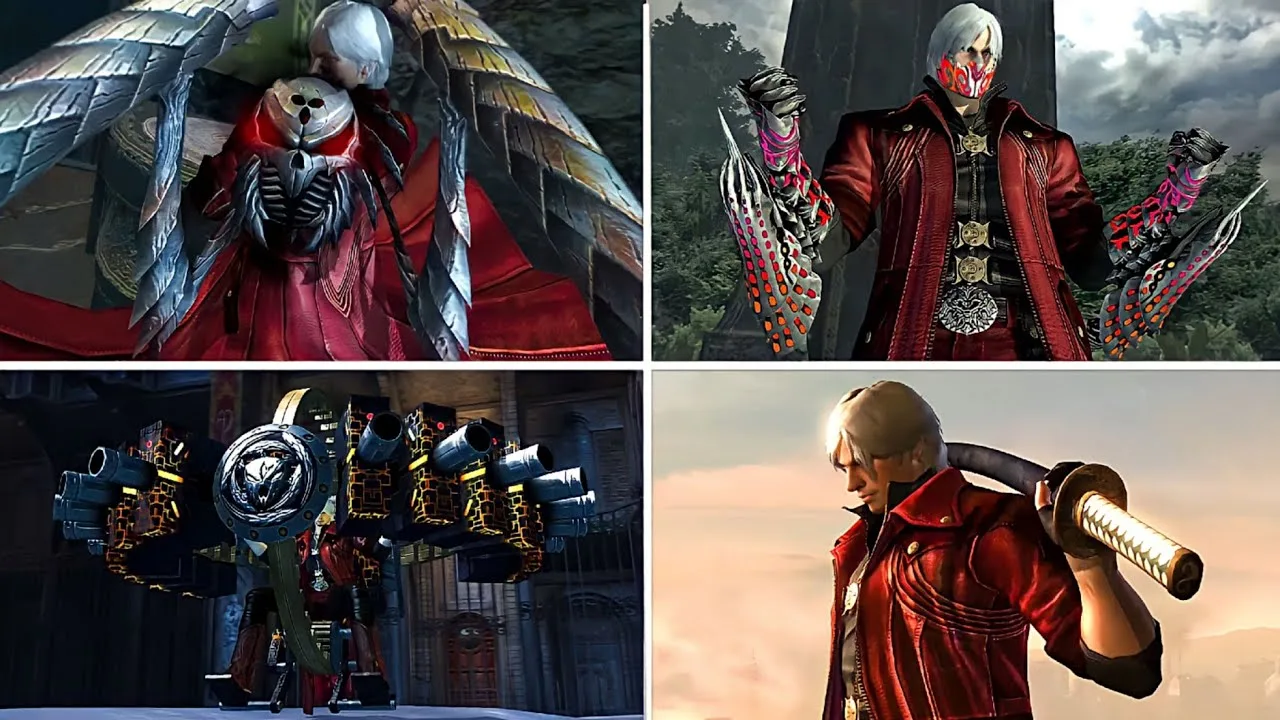
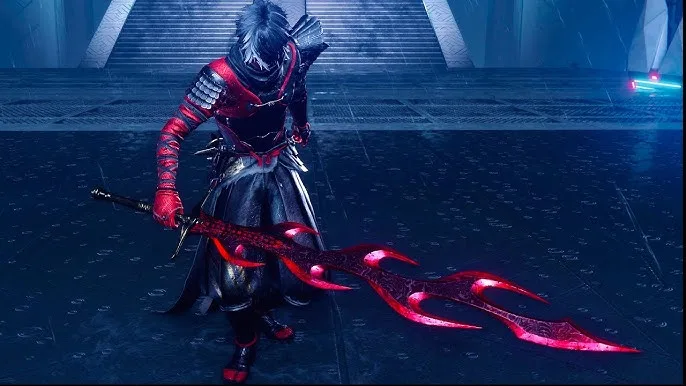
Hayabusa, by contrast, gets his signature Dragon Sword and overpowered ninpo attacks… and that’s it. Even though there is DLC planned to give both Hayabusa and Yakumo one more weapon, it feels like an enormous letdown. If Dante plays like a natural evolution of his character, Hayabusa plays like an afterthought — a hollowed-out version of himself tacked on at the end to keep diehard fans from rioting.
Combat Verdict: Devil May Cry 4
The dragon slayers of Ninja Gaiden 4 have the spectacle. Ninja Gaiden 4 has the adrenaline. Ninja Gaiden 4 has the modern flair and bold hybrid identity.
But the devil hunters of Devil May Cry 4 win because their combat never betrays you. Its systems are rock-solid. Its skill ceiling is unmatched. Its legacy was built by players pushing the engine to its limit — and finding it would bend but never break.

Level May Cry
This category is almost painful to discuss. Both games stumble here — hard.
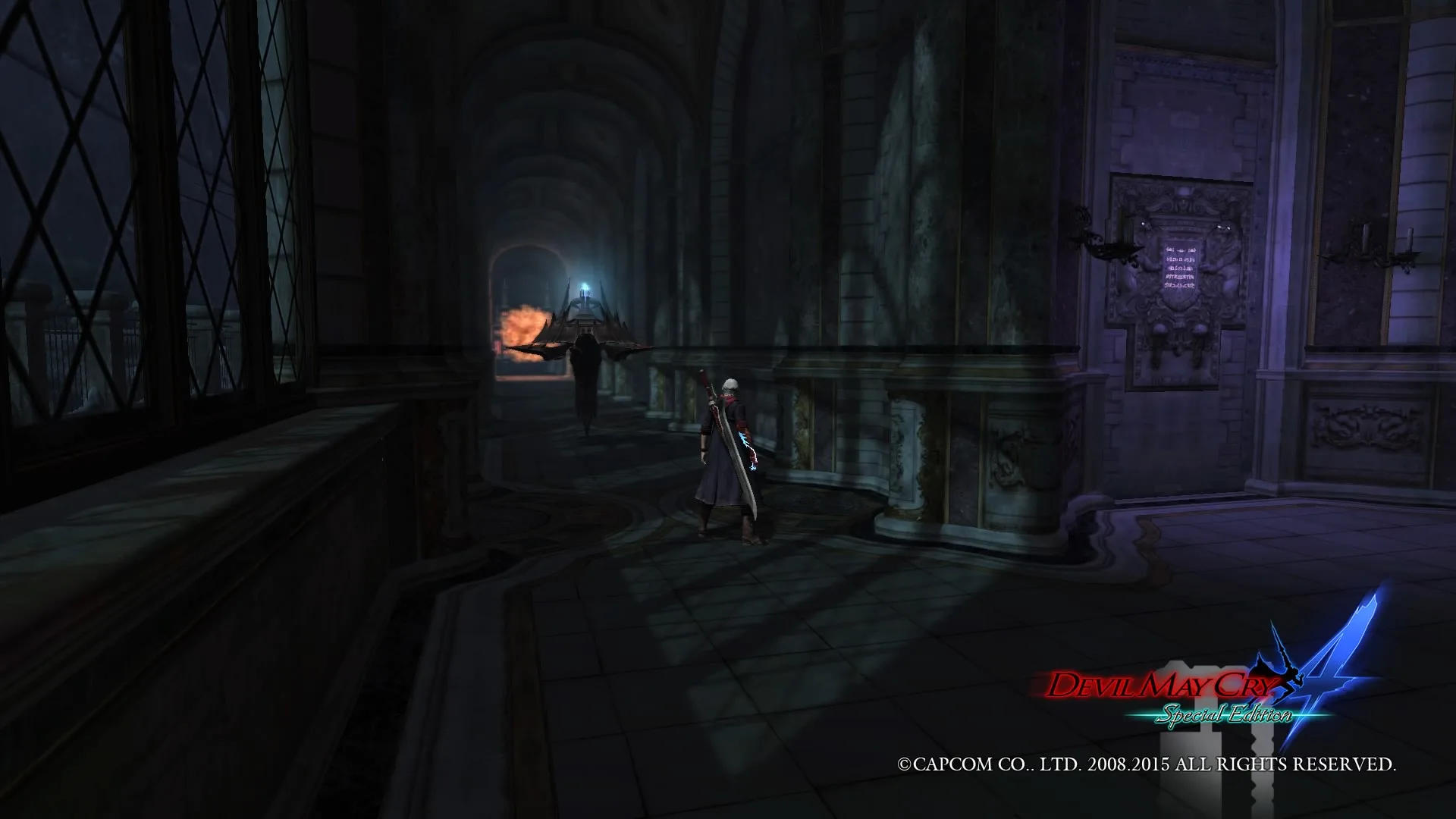
Devil May Cry 4’s dice-game levels feel like blatant padding, stopping the pacing dead. The backtracking through the same bosses, the same hallways, the same rooms — all wrapped in a Resident Evil–style exploration and puzzle flow — already felt dated in 2008.
The dragon slayers of Ninja Gaiden 4 aren’t innocent either. Sonic Adventure 2 rail grinding (or running when you’re Hayabusa). Hang gliding (or simply flying when you’re Hayabusa). Surfboard transitions (or just running on water with Hayabusa). Platforming that feels optional but isn’t. Checkpoints that seem to exist for the sole purpose of gaslighting you. You aren’t greeted by save points like the old games; you’re hoping the game quietly auto-saved somewhere so you don’t have to repurchase your items and re-equip your loadout repeatedly.
And yet… Ninja Gaiden 4’s sins feel slightly more forgivable because the game’s overall pace is faster. Even when the traversal is annoying, even when you’re also forced to backtrack through the same levels and fight the same bosses, it’s over quickly. DMC4’s dice boards are egregious, and slight level variations drag things out (even when you learn the secret trick to help make sure you get the rolls you want), particularly since they were kept in with the 2015 Special Edition release.
Level Design Verdict: Ninja Gaiden 4 (Barely)
Very barely. By a fingernail. By the edge of a single kunai. Neither game should be proud of its level design.

Presentation: Gothic Icon vs. Neon Cyber-Ninja
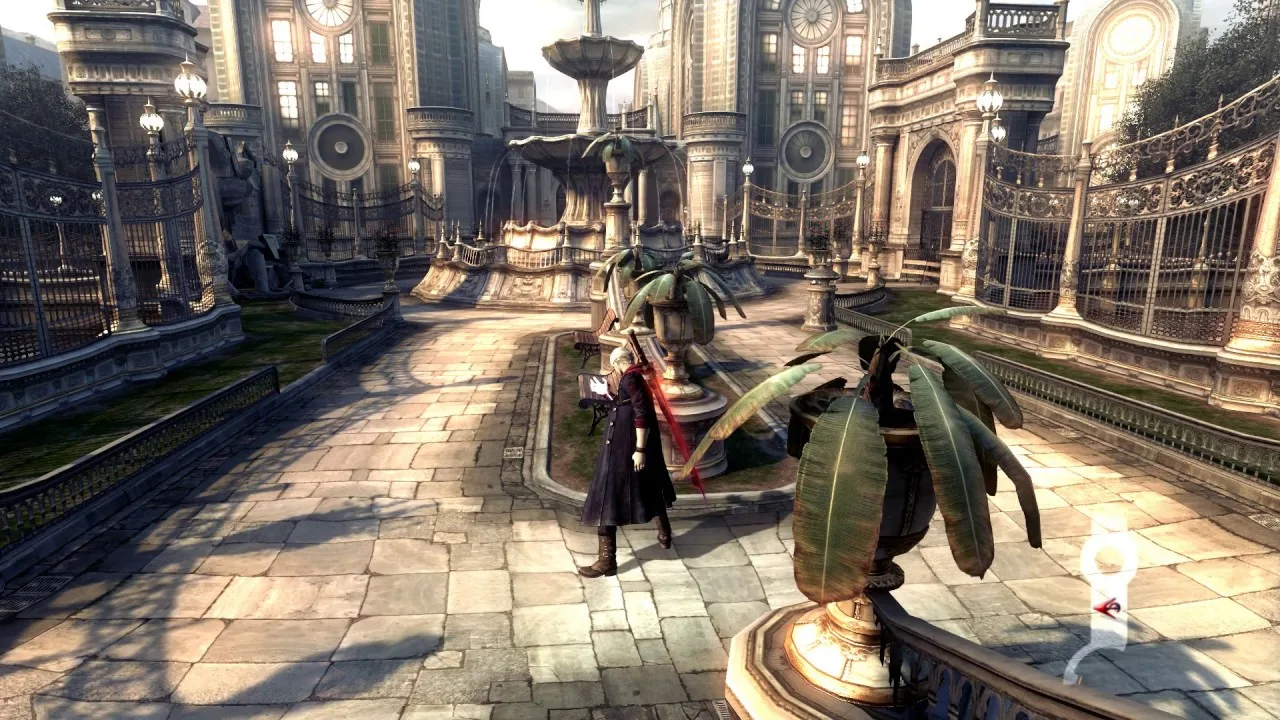
DMC4 still looks good for its age — clean animations, strong silhouettes, iconic character designs — but its gothic environments blend together after a while. The repetition in architecture and greyish palette dampen the impact of revisiting older areas. The sound is similar; DMC4’s soundtrack is iconic but repetitive.
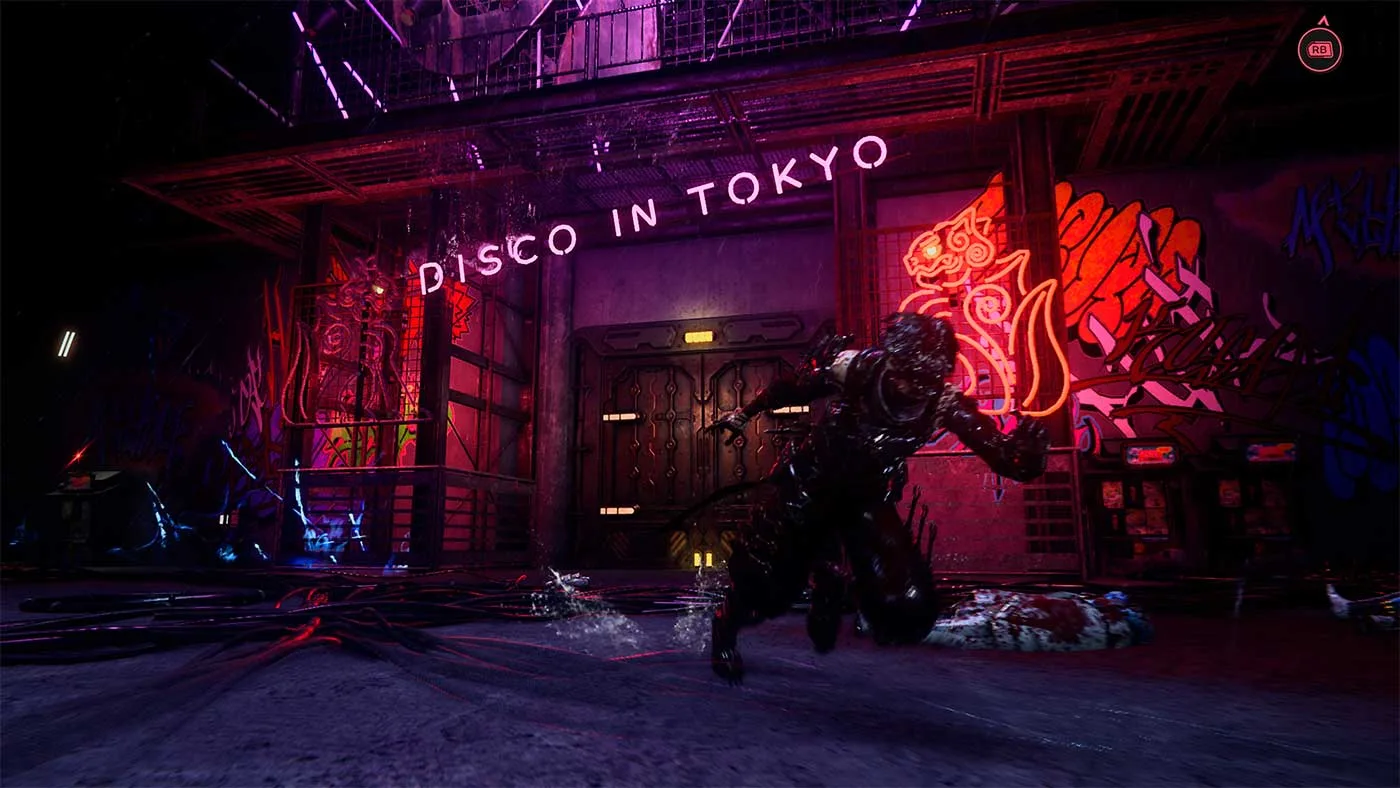
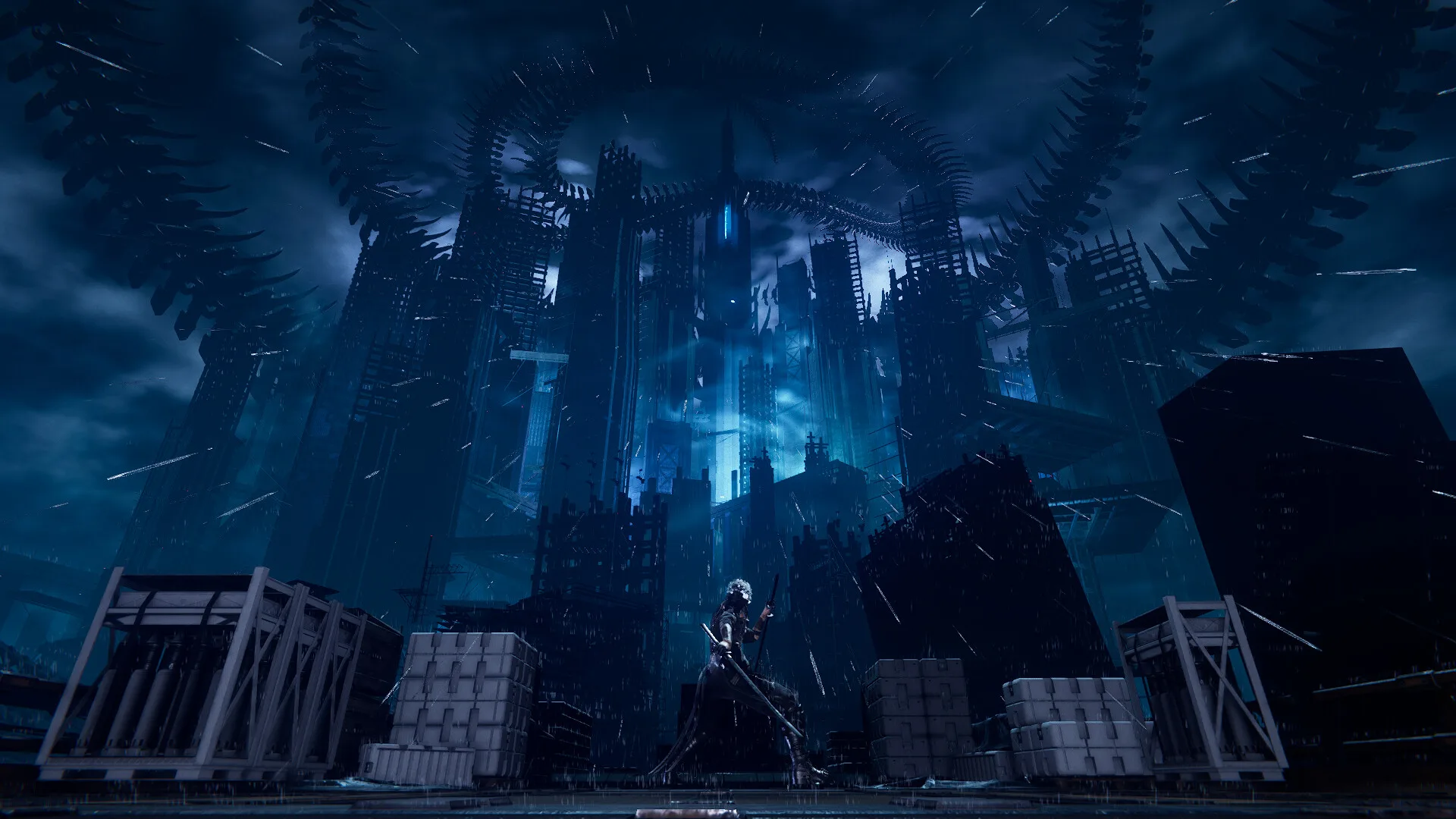
Ninja Gaiden 4, meanwhile, bursts with cyberpunk neon energy. Graffiti-splashed nightclubs, hellscapes that feel like aquatic nightmares, industrial skyscrapers, vivid, green shrines — it’s loud, expressive, and varied. The soundtrack swings from chill to metal to epic Revengeance-style boss fight vocal drops.
Presentation Verdict: Ninja Gaiden 4
This one isn’t close. It’s where DMC4 shows its age the most. By comparison, Ninja Gaiden 4’s soundtrack is dynamic and constantly shifting.
The Tie-Breaker: Endless Replayability vs. Completeness
Here’s the real question: Do you value eternal lab potential or a complete, modern package?
DMC4 offers infinite replayability. You can spend years digging deeper into its systems, and thousands of players still do. Its combat is a near-perfect foundation that carries the game. DMC4 was hindered by financial issues its developers faced behind the scenes, keeping it from feeling like a finished game. Even with the extras in the special edition, the game remains tragically unfinished.
In comparison, when considering a full experience — story, pacing, presentation, momentum, modern design language — Ninja Gaiden 4 feels more cohesive. It feels like a 2025 game that has learned from all the action games before it, not a foundational relic of 2008 brilliance wrapped around dated ruins, even with similar sins of repetitive backtracking and its shameful treatment of its returning veteran. It’s a game that feels rushed at times, but at least it’s finished.
Overall Verdict: Ninja Gaiden 4 Edges Out the Win in 2025
If we’re judging purely on combat depth? DMC4 wins, easily, still over a decade later.
If we’re judging the entire package? Ninja Gaiden 4 feels like the more complete game in 2025.
A Note to DMC Fans
Before the Rebellion-wielders come for my head: I adore DMC4 and the franchise. I’ve spent countless hours labbing distorted impacts, inertia cancels, and staying in the air as long as possible to cobble the coolest-looking combos I could think of. I know what this game means to the community.
But even the most dedicated combo sorcerer has to admit: DMC4 is a brilliant fossil — preserved, polished, and worshipped, but still fossilized.
Ninja Gaiden 4, imperfect as it is, pulses with the heartbeat of a newborn ready to take its predecessors’ legacy forward.

Hack and Slash Is Back!
Both games are flawed gems, worth your time for different reasons.
DMC4 remains the undisputed king of freeform combat depth — a game that rewards infinite mastery. Ninja Gaiden 4 delivers a bold, modern, stylish package with energy, spectacle, and enough ambition to revive a slumbering dynasty.
Whichever you choose — revving your Red Queen or sharpening your Dragon Sword — one thing is clear: Stylish, hack-and-slash action is back, and it feels damn good.
Agree or disagree with the verdict? Let us know in the comments!

Donovan is a lifelong gamer with a love for fast-paced, single-player action games—especially Devil May Cry, Metroidvanias, indies, and action RPGs. He’s also an “advanced scrub” at fighting games and will play just about anything fun. Donovan is passionate about seeing more diverse characters and creators in the industry—or at least better hair options for Black people. With over a decade in journalism, he joined The Punished Backlog in 2023 to write more about what he loves. Follow him on Twitter and Instagram @dono_harrell.