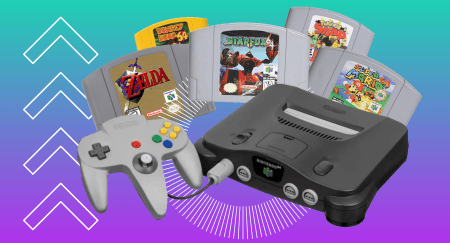
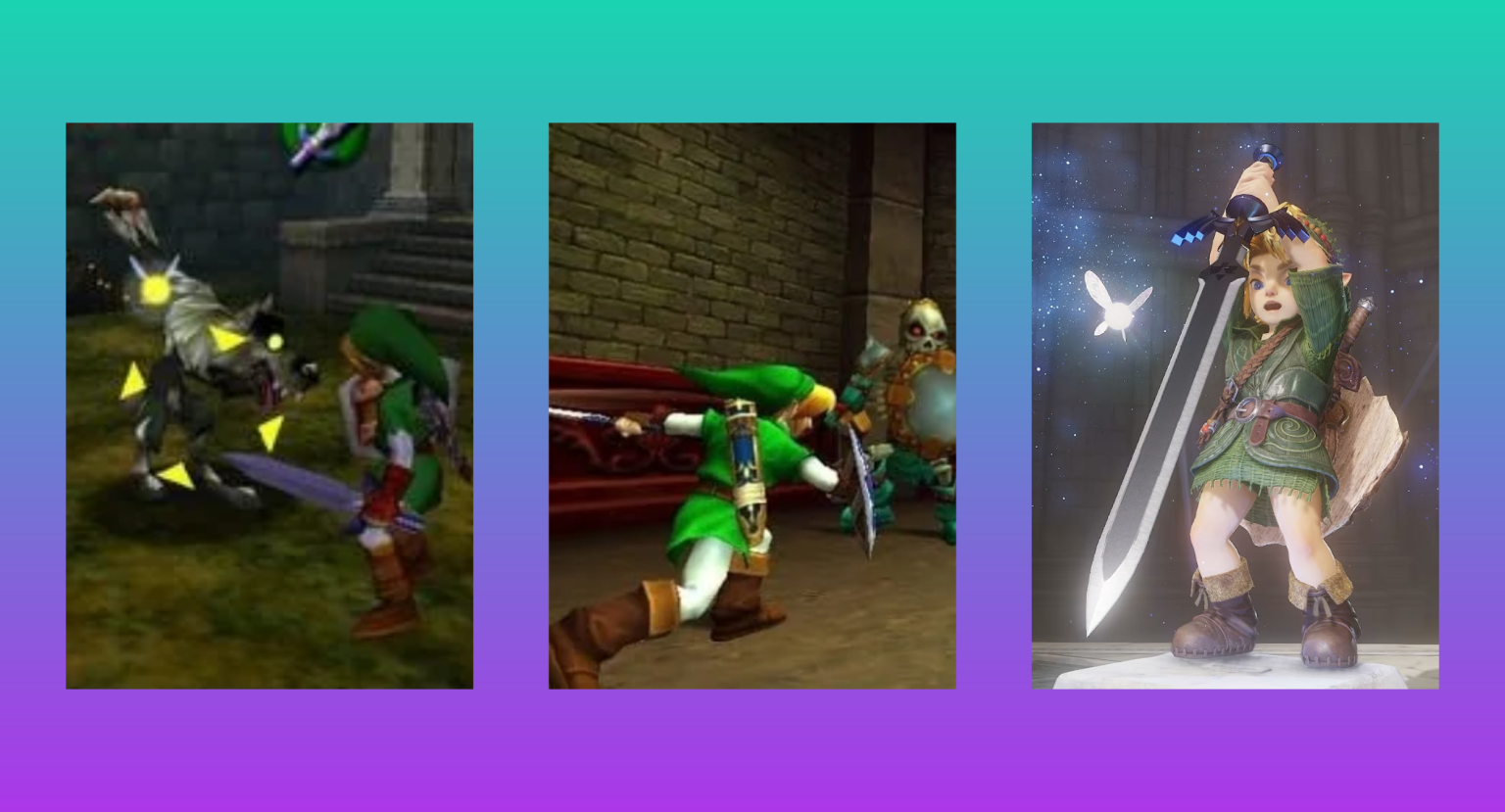
Despite being a mostly faithful return to a well-trodden land, the upcoming Nintendo Switch 2 remake of The Legend of Zelda: Ocarina of Time just might be one of the biggest game releases of 2026 and one of the most notable Switch 2 titles yet. Its graphical overhaul is fairly significant, particularly when it comes to various new details on clothing and facial expressions. Additionally, added mechanics like a jump button (gasp!) and improved swimming controls (thank you!) will likely make this version of Hyrule far smoother and more approachable than the original 1998 version for the Nintendo 64.
The game looks to be the most ambitious remake of a Zelda title to date. As a massive Zelda fan, I can’t wait to get my hands on it. Honestly, I will likely play it multiple times to completion.
It’s worth noting that this upcoming version of Ocarina of Time is not the only remake of The Punished Backlog’s favorite game of all time. In fact, remasters and remakes have been a pillar of the Zelda franchise for decades. Another Ocarina remake isn’t shocking at all; the fact that it’s been five years since the last Zelda remake came out, however, is. Seeing what changes Nintendo makes to some of its most beloved games is interesting to say the least, and there is always certainly room for debate over whether certain remakes or remasters are better or worse than their original counterparts.
So, ahead of the release of this new version of Ocarina, I’ve decided to rank the best remasters and remakes the Zelda franchise has to offer. I will only be including games that have been re-released in some form with clear, documented alterations (ports formatted to new platforms, such as the Game Boy Advance version of the first two NES games or the Switch 2 upgrades to Breath of the Wild and Tears of the Kingdom, do not qualify, nor do ROMs playable on new consoles via Virtual Console or Nintendo Switch Online).
To be clear, this is not a ranking of my favorite games in the Zelda series overall; rather, it’s a ranking of how good each remake/remaster is relative to the original. The highest-ranked game on this list represents the greatest difference in quality between the original and the remake/remaster; the lowest-ranked title represents the smallest difference (or suffers as a result of said differences). If you read this list and get mad that your favorite Zelda game isn’t ranked higher, read this section again.
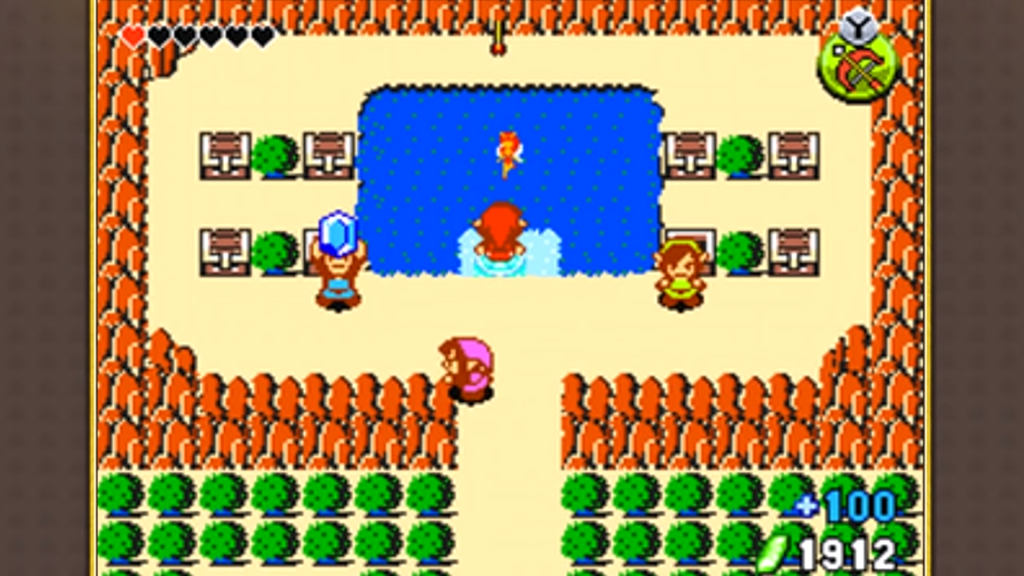
9. Four Swords Anniversary Edition (2011)
The Legend of Zelda: Four Swords Anniversary Edition is one of the stranger Zelda releases out there. Launched in 2011 as a download-only title for the Nintendo DSi, itself a weird spinoff of the ultra-successful DS, the game is a standalone remaster of Four Swords, the first-ever multiplayer Zelda game that was included with the Game Boy Advance version of A Link to the Past. Unlike its GBA predecessor, Four Swords Anniversary Edition adds new levels based on classic Zelda games and even offers the ability to play solo, with the player able to switch between different Links to solve puzzles and fight bosses.
I’ve never personally cared for Four Swords. The linear nature of its design feels anathema to the spirit of the franchise, and it’s clearly made for four players to goof around together; having just two or three never feels quite right. That said, the single-player version of Four Swords is just plain bad. It feels like you’re trying to solve classic Zelda puzzles while intentionally creating additional annoying barriers for yourself. I have absolutely no interest in playing Four Swords Anniversary Edition ever again, and therefore must rank it last on this list.
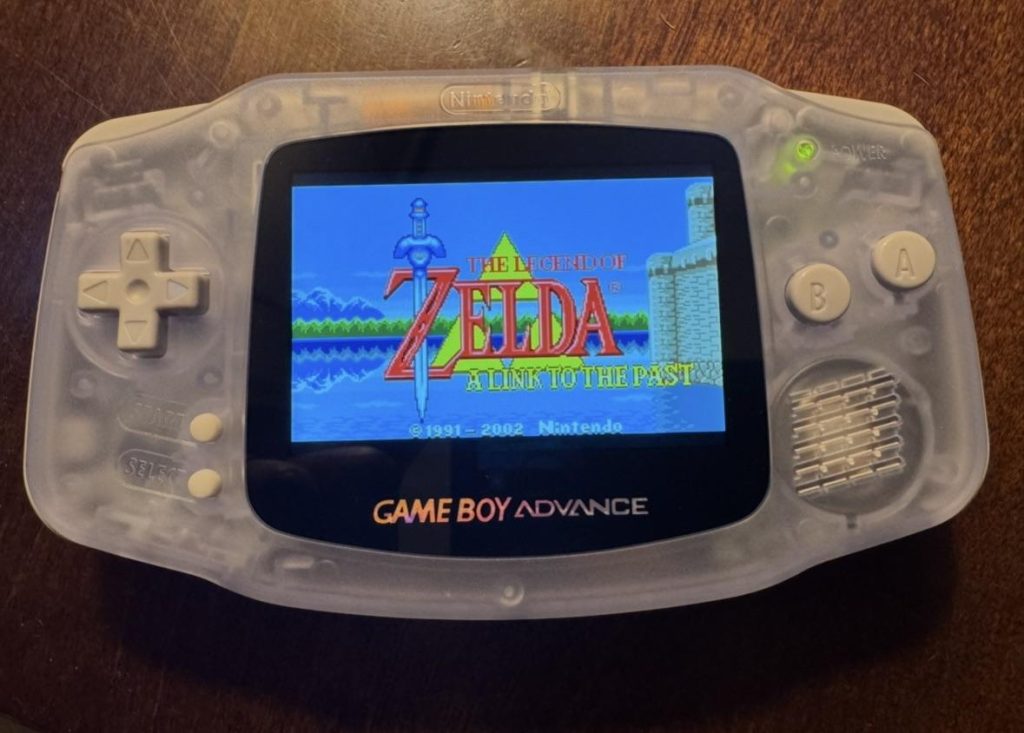
8. A Link to the Past and Four Swords (2002)
I’ve already said what I need to say about Four Swords in the previous blurb, so I’ll get right to the point on this Game Boy Advance enhanced port of the 1991 Super Nintendo masterpiece: The Legend of Zelda: A Link to the Past is my second favorite game in the series, and playing it on the go is what ultimately made me fall in love with it.
That said, I can’t in good faith recommend the GBA version over the SNES original. The GBA’s smaller screen makes everything a little too visually compact, and the handheld’s audio capabilities compress the game’s wonderful soundtrack a little too much. While it’s nice that the GBA version adds a tiny bit of voice acting — mostly just Link shouting every time he swings his sword or falls down a well — all other new content is either largely forgettable (such as some updated translation and lore) or inaccessible unless the player also completes Four Swords, which requires other friends with the same game (somehow, NONE of my friends owned this one, so I never got to play the bonus Palace of the Four Sword dungeon).
I love A Link to the Past and Four Swords, but to be honest? I would never prefer it to the SNES original, if I had the choice.
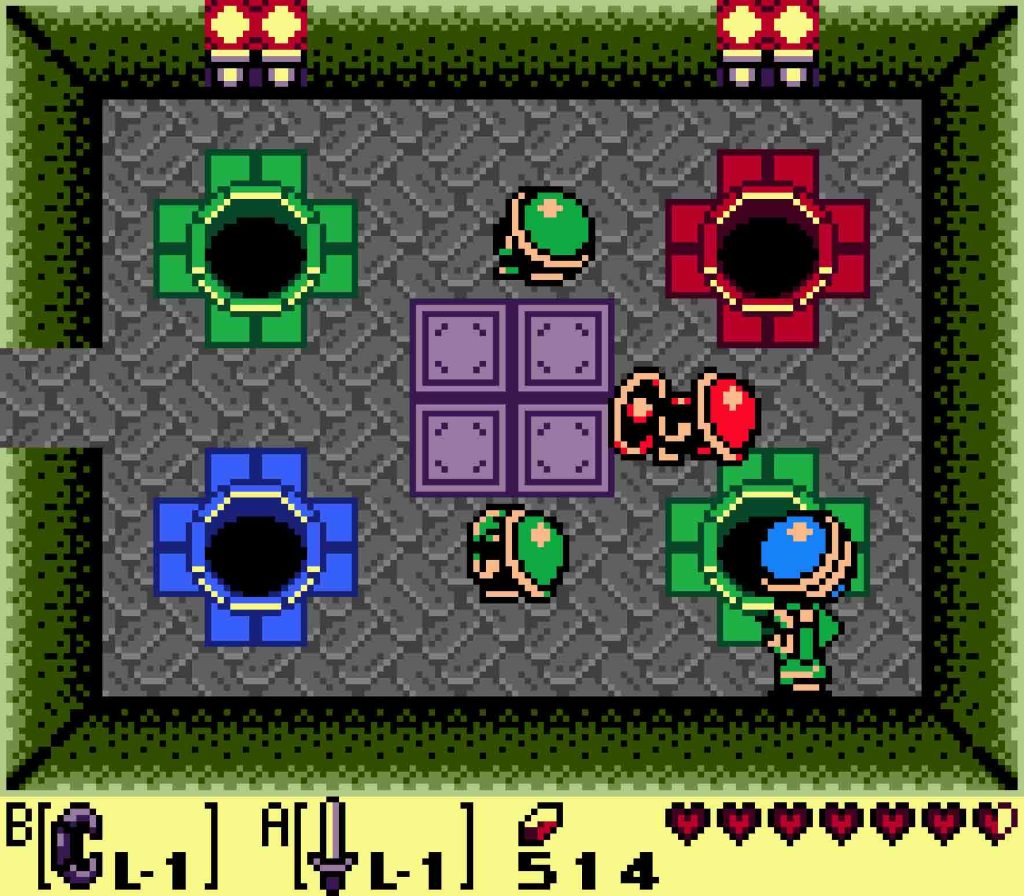
7. Link’s Awakening DX (1998)
I hesitated to add this one at all, since for the most part it’s just 1993’s Link’s Awakening but with color. The added hues are a nice visual upgrade, but mechanically it’s almost entirely the same game as the original.
One major distinction, however, is the addition of the Color Dungeon, a new optional dungeon featuring color-based puzzles and color-coded enemies to fight. Completion of this dungeon rewards the player with the choice of either a Red Tunic (which increases attack power) or Blue Tunic (which increases defense), either of which makes tackling the game’s later dungeons a whole lot easier. That alone makes the Game Boy Color version definitively superior to its standard Game Boy predecessor.
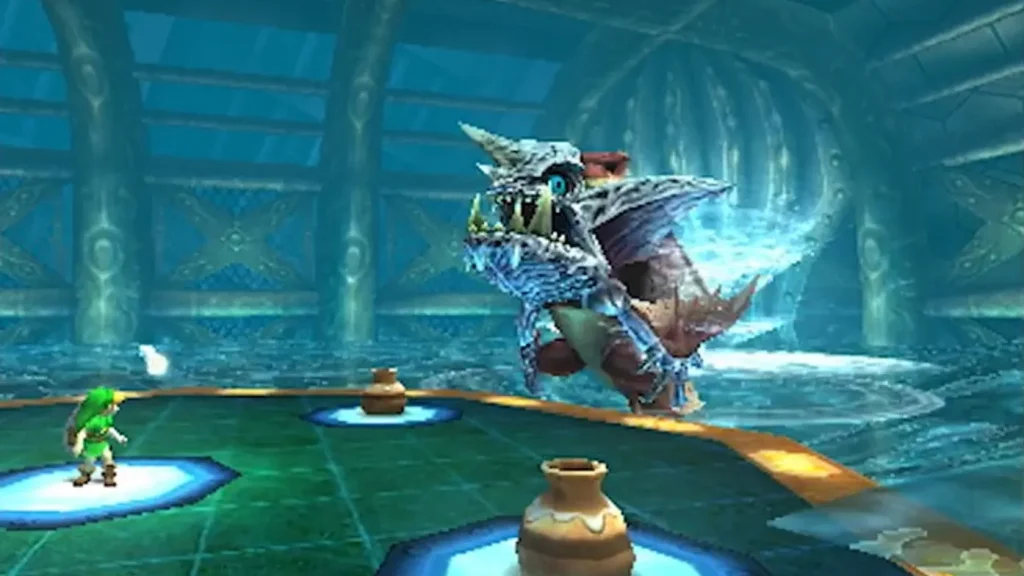
6. Majora’s Mask 3D (2015)
I have a complicated relationship with 2000’s The Legend of Zelda: Majora’s Mask. It’s the only mainline 3D Zelda game I’ve never played to completion, as I just personally don’t enjoy playing games with time loop mechanics (I’ve also never played through all of Outer Wilds or Deathloop, for example). That said, Majora’s Mask might very well be one of the best Zelda games on paper, one of the most impressive titles Nintendo has ever made, and one of the most iconic adventures upon which Link has ever embarked.
When comparing the original Nintendo 64 title and the 2015 3DS remake, the differences are actually quite noticeable. Obviously, the 3DS version offers a brighter color palette and smoother textures, and the various mask transformations that are integral to gameplay come with added details, such as Deku Link appearing to have wooden spikes come out of his hat during the spin attack. Majora’s Mask 3D also has more save statues, the ability to choose a specific hour during a day to skip ahead to, a brand new side quest for a seventh empty bottle, and updated controls that allow the player to assign certain items to the touchscreen for quick access.
Gameplay-wise, Majora’s Mask 3D would appear to be the better choice, especially for first-time players. However, the extra smoothness of the visuals and controls undermines the darkness and melancholy atmosphere of the original that helped it become such a lauded classic. A story about accepting the inevitability of death and healing the most wounded of souls needs that darkness and that friction. As a result, I’m not sure which version of Majora’s Mask is necessarily better, but I can say for certain that there’s a real case for either one.
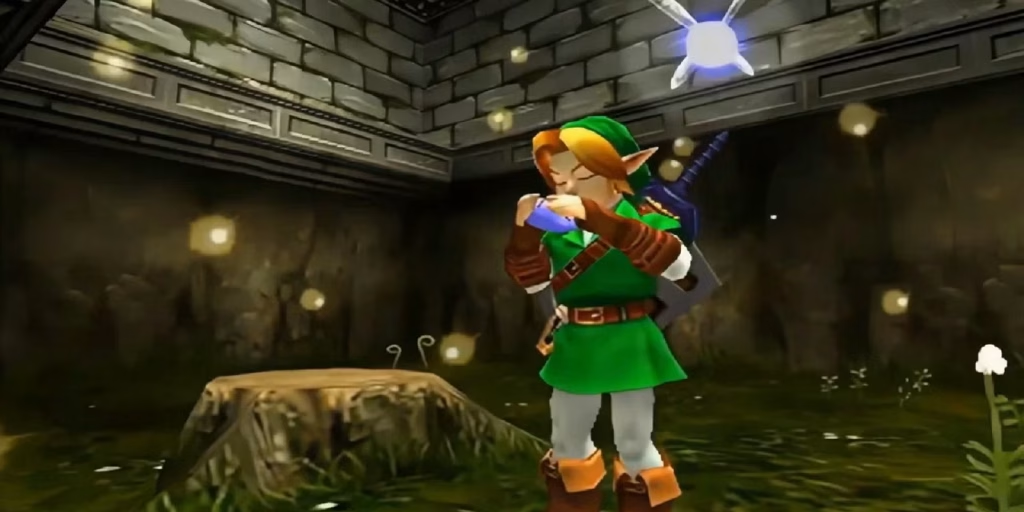
5. Ocarina of Time 3D (2011)
The Legend of Zelda: Ocarina of Time is my favorite game ever made, and Ocarina of Time 3D is a fantastic remake. Hyrule’s green fields and blue skies pop even more on the 3DS, the gyroscopic aiming makes solving puzzles and hitting targets more fun and precise, and the addition of touchscreen button-mapping makes basic dungeon traversal a lot smoother. On paper, the 3DS remake would seem like the obviously superior choice.
That said, I have the same basic qualm with Ocarina of Time 3D as I do with Majora’s Mask 3D: The brighter visuals and faster frame rate take away from the thematic dreariness of both original titles. Ocarina of Time is by no means as dark as Majora’s Mask, but it’s still ultimately about the pitfalls of growing up, what it means to be an outcast, and how it would feel to have one’s childhood taken away. The darkness and fogginess of the Nintendo 64’s visual capabilities greatly underscore such themes, to the point where I would actually argue the N64 version is my preferred experience.
Still, Ocarina of Time 3D is a great remake, one that any fan of the original should at least try. I just have such a soft spot for the unique visual atmosphere of the original that I can’t rank 3D much higher than this spot.
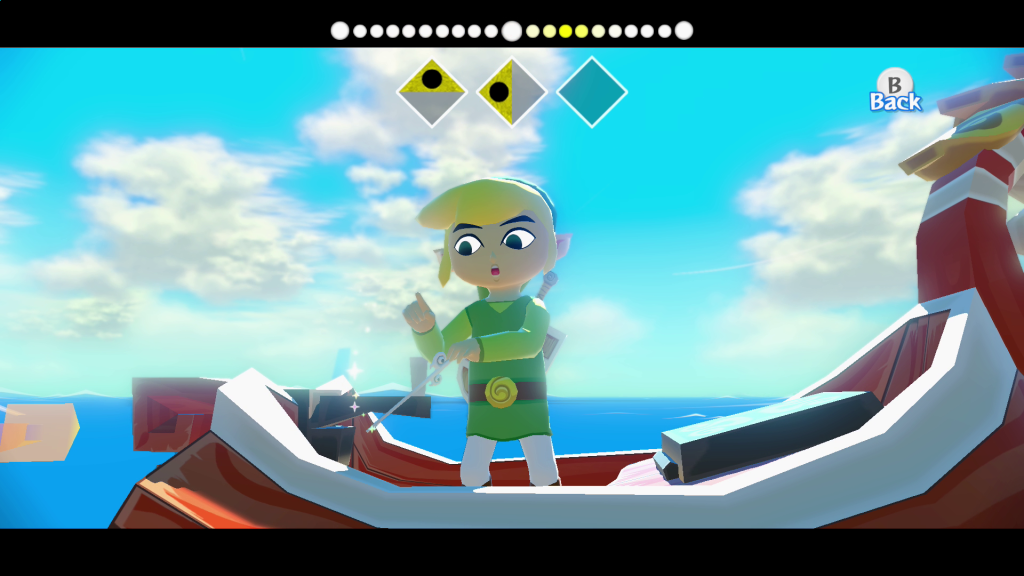
4. The Wind Waker HD (2013)
The Wii U remake of GameCube classic The Legend of Zelda: The Wind Waker might be the most polarizing remake in the entire Zelda franchise. While the original Wind Waker’s art direction was controversial upon release, the gorgeous cel-shaded, cartoon-like visual style has aged like a fine wine, looking just as whimsical and glorious now as it did in 2003. Wind Waker HD, meanwhile, smooths out some of the rough edges and turns up the color contrast to a wild degree, which makes everything look more modern but not necessarily better.
Personally, I go back and forth between which game’s graphics I prefer. Both are absolutely iconic and have their strengths and weaknesses. From a gameplay perspective, however, the Wii U remake is absolutely the better version of the game. It fixes the well-intentioned but tedious Triforce Quest from the original, adds gyro aiming (which, as I see it, is always better in games featuring lots of puzzles), and allows the player to use the Wii U gamepad’s extra screen to look at maps or switch out usable items without having to pause, which is especially great for long journeys across the Great Sea. The debate over which version looks better will forever rage on; no such dispute really exists when it comes to gameplay.
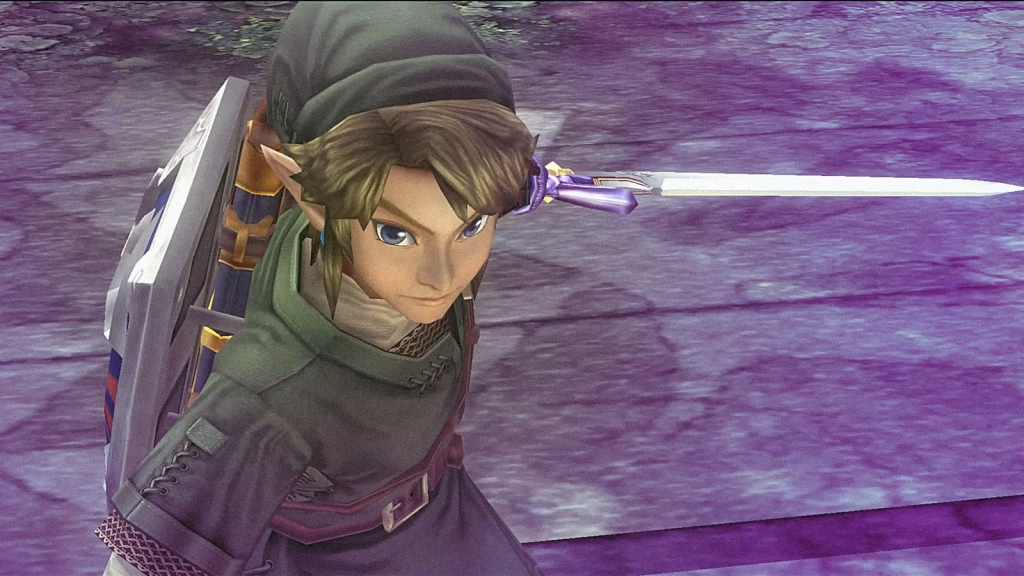
3. Twilight Princess HD (2016)
It feels a bit wrong for me to rank Twilight Princess HD so high on this list, especially since my brain immediately thinks of the 2006 Wii version of Twilight Princess when the game gets discussed at all. Still, when I take a minute to think about it, I’m not sure anything about the 2006 Wii (or GameCube) original is better than the Wii U remake that launched a decade later.
For starters, the darker and more “mature” art direction looks downright goofy at times in the Wii/GameCube versions, mostly due to some jagged textures and a rough transition to the HD era of televisions. In the HD remaster, however, the character models and dungeon designs look way sharper, and the added gyro mechanics and gamepad controls (much like in Wind Waker HD) allow for a nice balance of standard button controls and motion/touchscreen gaming.
Twilight Princess HD also streamlines the early Tears of Light segments — which, just like Wind Waker’s Triforce Quest, can be exhausting — and adds a number of new goodies, including amiibo support, Master Mode, and the Cave of Shadows challenge. The remaster adds a ton and takes away basically nothing, making it the definitive Twilight Princess experience.

2. Link’s Awakening (2019)
Though not frequently presented as such, remakes can be an excellent opportunity to retell stories not just for new audiences, but with new frameworks and new perspectives. Nintendo’s 2019 remake of The Legend of Zelda: Link’s Awakening — previously a handheld-only game — doesn’t just streamline the control scheme and overhaul the visuals of the Game Boy original. It uses the enhanced power of the Switch to make a game already about dreams feel even more dreamlike.
Almost every change in 2019’s Link’s Awakening enhances the overall experience. Players no longer have to constantly pause to swap out items and weapons, since the Switch has more than two buttons. The different magical instruments Link earns after completing dungeons actually have unique sounds to them instead of just making variations of beeps and boops. The toy-like character and world design makes the bizarre vibes of the story and locations feel intentional, rather than a result of technological limitations.
I’m sure one could potentially argue the merits of the original Link’s Awakening (as well as Link’s Awakening DX) over the Switch remake. That said, the 2019 version unquestionably stands apart from its predecessors, even if structurally it’s a fairly faithful recreation. Rather than simply being a “better” way to play through Link’s adventures in Koholint, Link’s Awakening (2019) exists as a bold retelling of it, one that maintains the skeleton of its forefather but makes deliberate alterations to the visuals and soundtrack to enhance both the whimsical nature of the tale and its darker undertones.
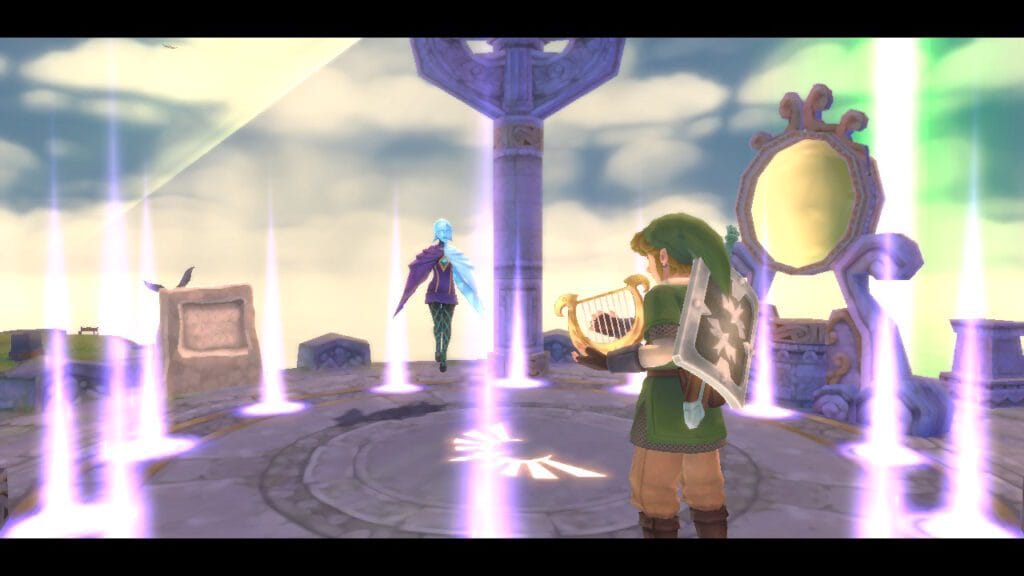
1. Skyward Sword HD (2021)
For just a second, forget everything I’ve written in this piece prior to this section. If you were to take any single Zelda game that has been remade or remastered and asked me to choose which version was definitively better, I would hesitate to respond for at least a few seconds. Even if I ultimately had some conviction in whatever answer I gave, I wouldn’t feel 100% good about it. As a general rule, I have a particular respect for older games and believe even the ones perfected in a remake deserve to be played and remembered.
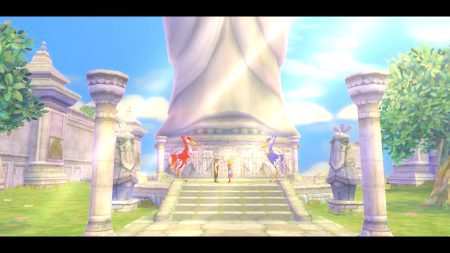
When it comes to The Legend of Zelda, my favorite game franchise ever, I have one major exception: 2021’s Skyward Sword HD, a Switch remaster of the 2011 Wii game Skyward Sword.
I’ve already discussed many times how much I adore Skyward Sword, even if I acknowledge its many faults. It remains the most polarizing game in the series for many good reasons, and I completely understand if people despise it. That said, the HD remaster improves upon so many of the flaws of the original that I simply could never argue the Wii version was better, even if it was bolder.
The biggest change in the Switch version, obviously, is the ability to play without motion controls. Nintendo built the original Skyward Sword from the ground up as a motion-based Zelda game (unlike Twilight Princess, which started development exclusively as a GameCube title), and utilized the then-recently released Wii MotionPlus hardware add-on for a more precise combat system. When I played Skyward Sword shortly after its release in 2011, I actually loved that each enemy encounter required some extra thought and skill, but so many other instances of forced motion control — flying, swimming, climbing — felt awkward and unnecessary.
In Skyward Sword HD, players could now turn off motion controls entirely (or assign them only to certain actions) and instead use the right stick for precise sword controls. Sure, choosing to play this way removes some of the novelty, but it still works like a charm, and Nintendo didn’t have to compromise on the game’s overall design in doing so. Plus, little things that kind of annoyed me about the original, such as doing optional side quests on various floating islands in the sky or searching for secrets underwater, became less of a chore, since I didn’t feel like I had to get a mini-workout every time.
Just as (if not more) importantly, Skyward Sword HD drastically reduces the role the companion spirit Fi plays during your journey. If you thought Navi in Ocarina of Time was too chatty, Fi in the original Skyward Sword was a hundred times worse, often interrupting gameplay not just to draw attention to points of interest in any dungeon, but to also basically explain how to solve every puzzle in the game. Luckily, HD changes this dynamic so that the player has to actually press a button to listen to what Fi has to say most of the time. It may seem like a small change, but it truly makes all the difference in the world.
There are myriad other quality-of-life fixes in Skyward Sword HD that make the game fundamentally better as well, and to be honest, I don’t feel the need to list every single one here. The only additional parting thought I have is this: Skyward Sword HD is such an obvious upgrade from the original Skyward Sword that it’s now the immediate version of the game I think about first whenever it’s mentioned. It’s the second chance Skyward Sword deserved, and one that ultimately increased the game’s standing on my personal Zelda franchise ranking.
Now, that list is a conversation for a different time.
Agree or Disagree?
How would you rank all the Zelda remakes and remasters? Let us know in the comments!
Further Reading

Sam has been playing video games since his earliest years and has been writing about them since 2016. He joined The Punished Backlog in 2017 and became an Editor in Fall 2021. He’s a big fan of Nintendo games and complaining about The Last of Us Part II. You either agree wholeheartedly with his opinions or despise them. There is no in between.
A lifelong New Yorker, Sam views gaming as far more than a silly little pastime, and hopes through critical analysis and in-depth reviews to better understand the medium's artistic merit.
Bluesky: @sam-martinelli.bsky.social