
I love a good haunted house.1 I occasionally seek out allegedly haunted spaces on vacation, road trips, or day trips to San Antonio, which is filled with them. I also love them as an artistic intervention during Halloween (or sometimes during wintery grey months). There’s just something about the smell of plywood, the sounds of chainsaws, and the sight of terrifying (albeit often terrible) masks.
Nintendo also loves a haunted house. They have flirted with horror tropes in the Luigi’s Mansion series and haunted spaces in Pokémon games, most notably Lavender Town. They are not always presented as the scary or terrifying haunted places of popular horror films. Instead, they tend to be more akin to Disney’s Haunted Mansion theme park ride — brief excursions into the supernatural and ghostly but always from a safe distance. Mostly.
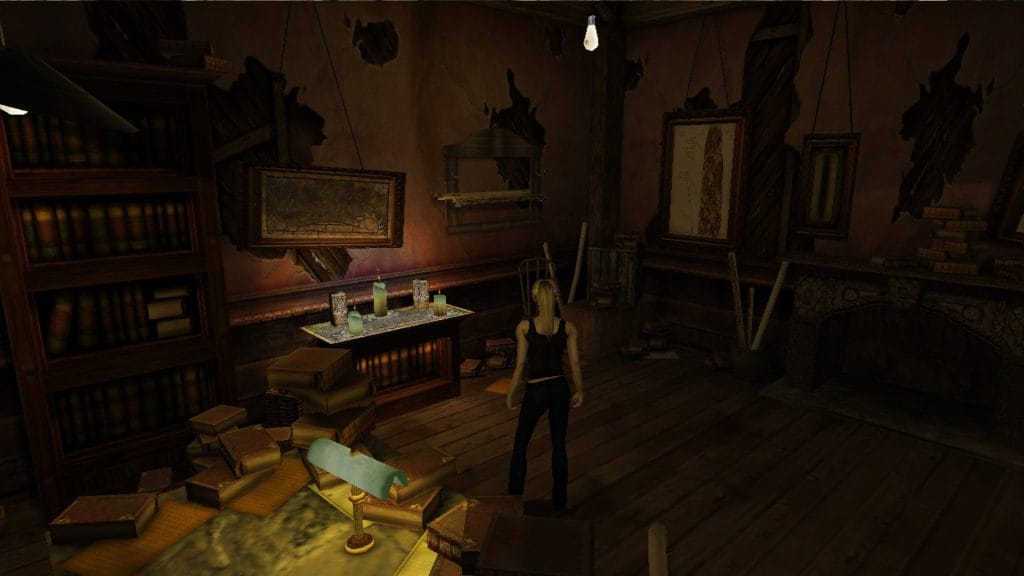
Nintendo’s most explicit foray into the genre was their first rated-M published game for the GameCube in 2002: Eternal Darkness: Sanity’s Requiem. Developer Silicon Knights crafted an outstanding psychological horror game that made use of time-traveling possession shenanigans five years prior to the animus technology of Assassin’s Creed. The game also features a literal haunted house with scares that continue to surprise me in 2026.
These flirtations with haunted houses — and horror even — would seem like a natural place to build a column entry on a Nintendo haunted house (I will get around to writing about Eternal Darkness and Silicon Knights one day). My focus then is probably a tad surprising, but I’d argue that it is the most influential of Nintendo’s haunted houses even if we don’t necessarily think of it as one: Metroid.
Horrific Transmissions
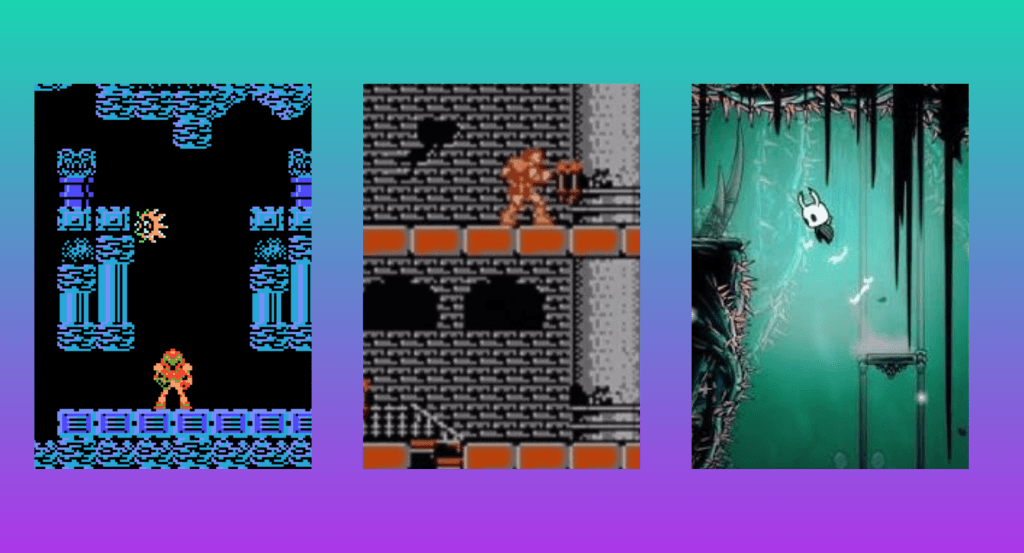
On its face, the Metroid franchise looks the least haunted house-like amongst metroidvania games. The genre takes its name from Nintendo’s Metroid and Konami’s Castlevania as games where exploration is key but locked behind ability unlock. Backtracking becomes essential. Since the two franchises respective launches, metroidvania games have become a beloved staple of modern gaming.
The first Metroid released on August 6th, 1986. A month later, Konami released Castlevania, a game that embraces gothic horror. Castlevania’s creatures resemble and are named after classic monsters. And, as we all rediscovered with Nosferatu (2024) and The Last Voyage of the Demeter (2023), the eternal fight against Dracula better aligns with familiar horror tropes. Alongside their forever “Somehow, Dracula returned” plots, Castlevania games navigate house-like structures, whereas Metroid games explore extraterrestrial biomes, stations, and ships.
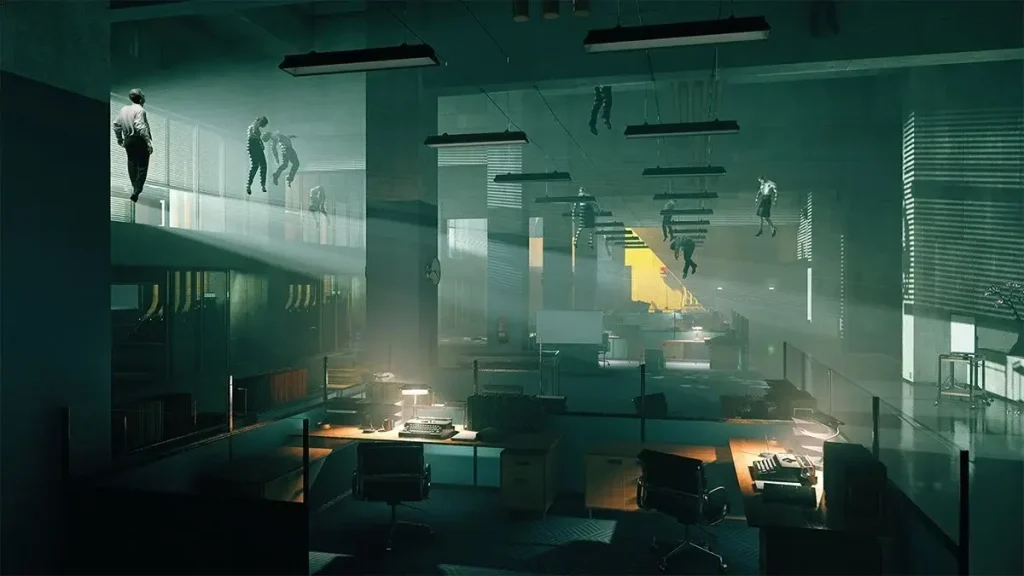
Even amongst newer metroidvanias, other games are more spooky than Metroid. One of the most famous, Hollow Knight, feels significantly more haunted. It features a range of biomes, but its reflection of religious tropes, especially in sequel Silksong, haunt the player’s exploration. The primary location in Control, called The Oldest House, is literally haunted by Hiss-possessed people and bureaucracy. Even a game like Resident Evil 2 — or any entry that focuses on puzzles or obtaining items that then encourage some backtracking — shares some residue with Metroid with a much more explicit horror angle.
So… why Metroid?
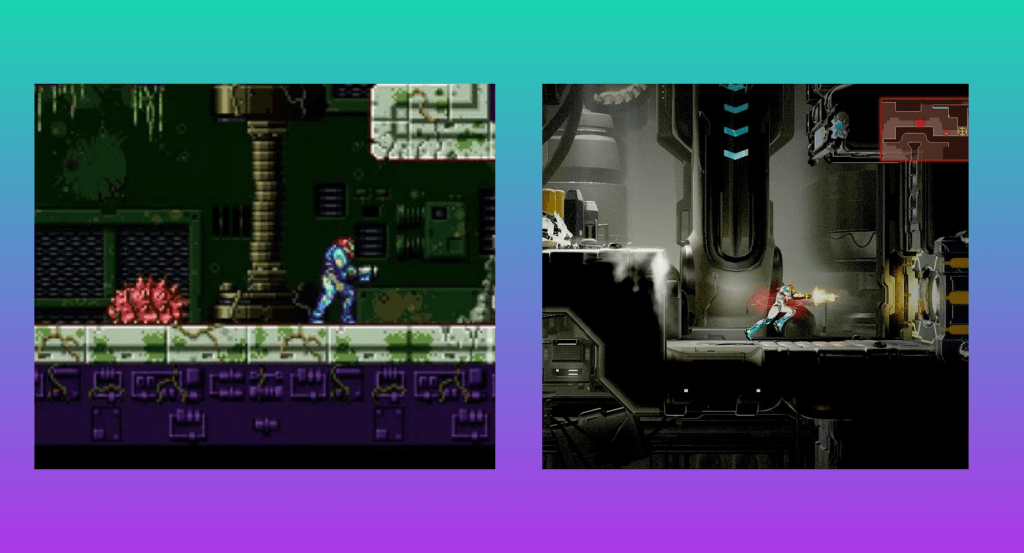
In their design, the Metroid games provide Nintendo’s sharpest theory on the haunted house. The series regularly leaves protagonist Samus Aran on a foreign planet in often mostly evacuated or abandoned facilities. Samus is trapped in these facilities, having often lost all of her abilities that would make escape possible. All that often remains are the spectral remnants of the spaces’ pasts. These pasts sit idly by, awaiting the player to discover the necessary tool to move forward.
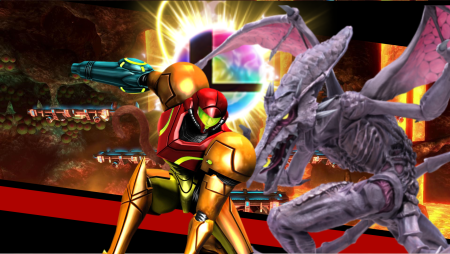
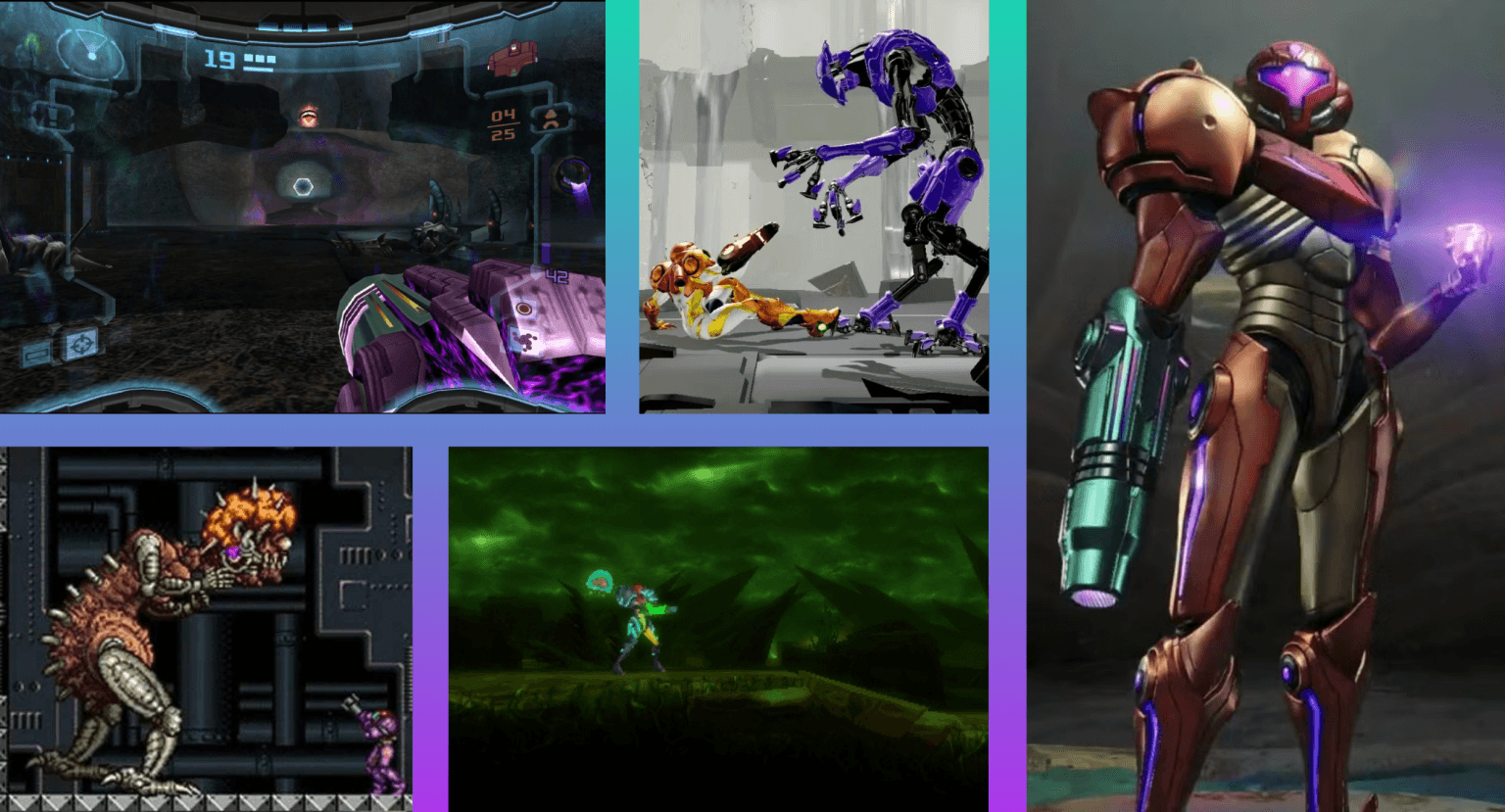
Samus is not haunted by a sole creature or ghost, though the titular Metroid creature, X Parasite, or even the leader of the Space Pirates Mother Brain (who was initially conceived as “an old lady living in an apartment complex” according to Toru Osawa) make compelling cases. The robotic Extraplanetary Multiform Mobile Identifiers (E.M.M.I.) in 2021’s Metroid Dread expand the scary residents of the series’ haunted houses. These creatures — organic and robotic — carry with them horror’s DNA.
A Haunted Houses in Space
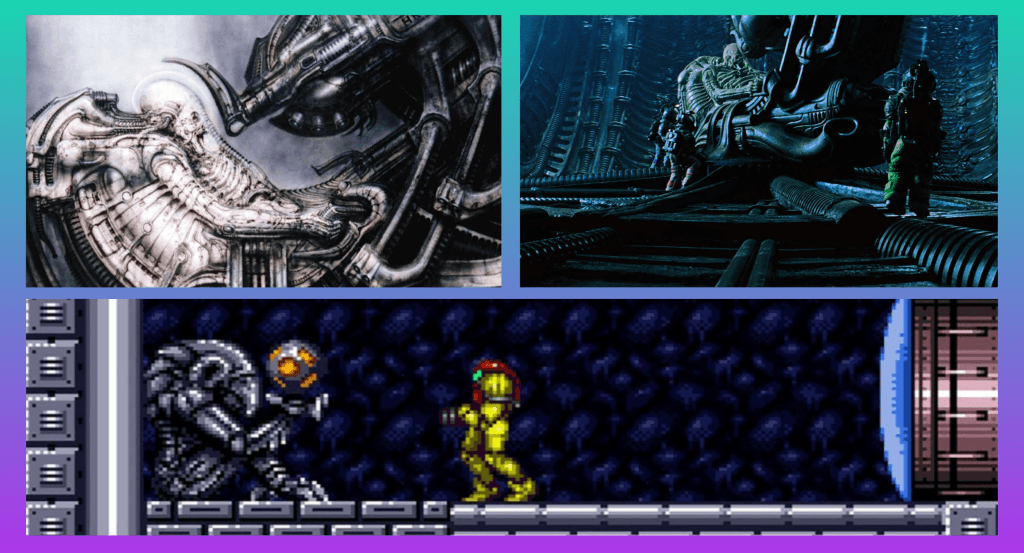
Aside from lingering Chozo Ghosts in the Metroid Prime games, spectres don’t haunt the corridors of the series, but the inspiration for Metroid illuminates the other ghosts that do linger. Metroid trades gothic horror for science fiction, wearing its H.R. Giger design on its sleeve. The Chozo statues that provide Samus with special abilities resemble Giger’s more organic work. The original game’s development was even inspired by Ridley Scott’s 1979 film Alien.2
Scott’s Alien is itself a carefully crafted haunted house film whose Xenomorph provides an intriguing (albeit terrifying) mystery always just beyond the sight of the viewer.3 At least that’s the casse until the alien is violently not out of sight. The Xenomorph is a ghost, a spectre from outer space, and a haunting meditation on letting the super wealthy lead our scientific acquisition desires.
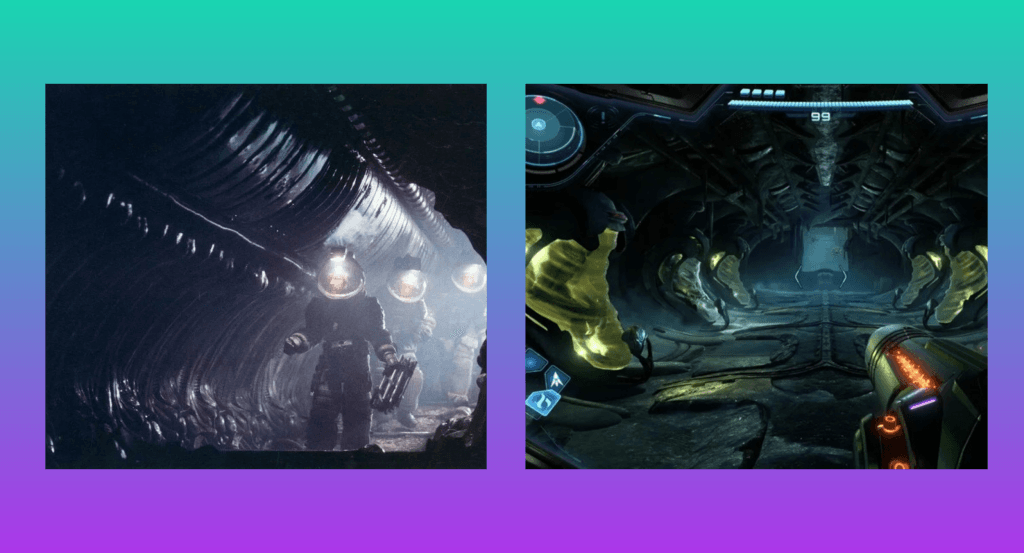
These same fears lurk just on the edge of the Metroid canon. The governing organization known as the Galactic Federation that employs bounty hunters, including Samus, is shrouded in mystery. Their intense interest in the dangerous Parasite X and investment in military technology feels eerily similar to Alien’s Weyland-Yutani Corporation. They do recreate metroids following the species extinction at the end of Super Metroid. They also created the aforementioned E.M.M.I.s in their search for X Parasite DNA.
Samus is trapped in these facilities, having often lost all of her abilities that would make escape possible. All that often remains are the spectral remnants of the spaces’ pasts. These pasts sit idly by, awaiting the player to discover the necessary tool to move forward.
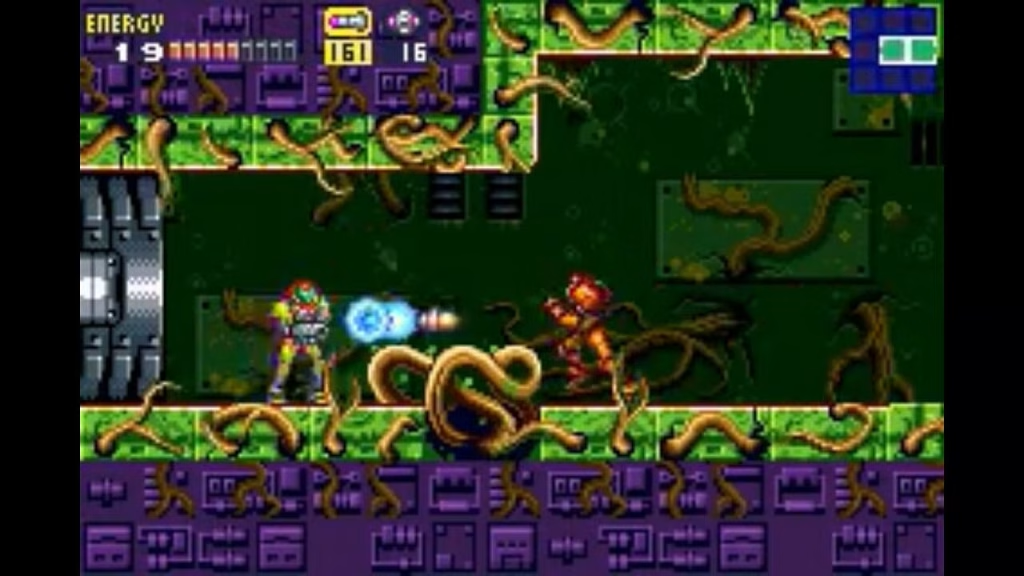
Metroid II: Return of Samus’ 1991 Game Boy graphics may give the metroids a bit of a ghostly feel, but the X Parasite — introduced in 2002’s Metroid Fusion — provides the closest parallel to Alien’s Xenomorph. Metroids attach to live off of the host’s life; X Parasites infect their hosts and reproduce to take over the prey’s soft tissue. X Parasites terrifyingly mimic their host and seemingly provides this information across a hivemind. In turn, they not only learn but adapt.
The Oldest House
Metroid is the pinnacle of Nintendo’s haunted house attempts. As we celebrate Metroid’s 40th anniversary, it’s important to recognize the Metroid franchise place in the horror realm.
It shouldn’t be surprising, then, that multiple other entries in the metroidvania genre more directly take on the haunted house, from gothic monsters in Castlevania to the Hiss in Control. Like Alien before it, the Metroid series gives players a haunted house in outer space. Metroid’s planet Zebes then gives us our Oldest House — an initial haunted canvas for us to return to and contemplate our own fears.
Even without her power-ups or suit, Samus never screams — but her series’ influences, mysteries, and creatures provide more than enough reason for us to catch our breath.
- This post is inspired by the recent series on haunted houses by Horror Joy. ↩︎
- See “The Making of Super Metroid,” Retro Gamer, issue 65 (2009), quoted here. ↩︎
- See Random Number Generator Horror Podcast # 9, episode 302 and Ian Scott’s review. ↩︎

Clint is a writer and educator based out of Wisconsin. You can often find him writing about Middle English poetry, medieval games, or video games. He received his PhD in English from the Ohio State University. You can find his academic and public work at clintmorrisonjr.com.