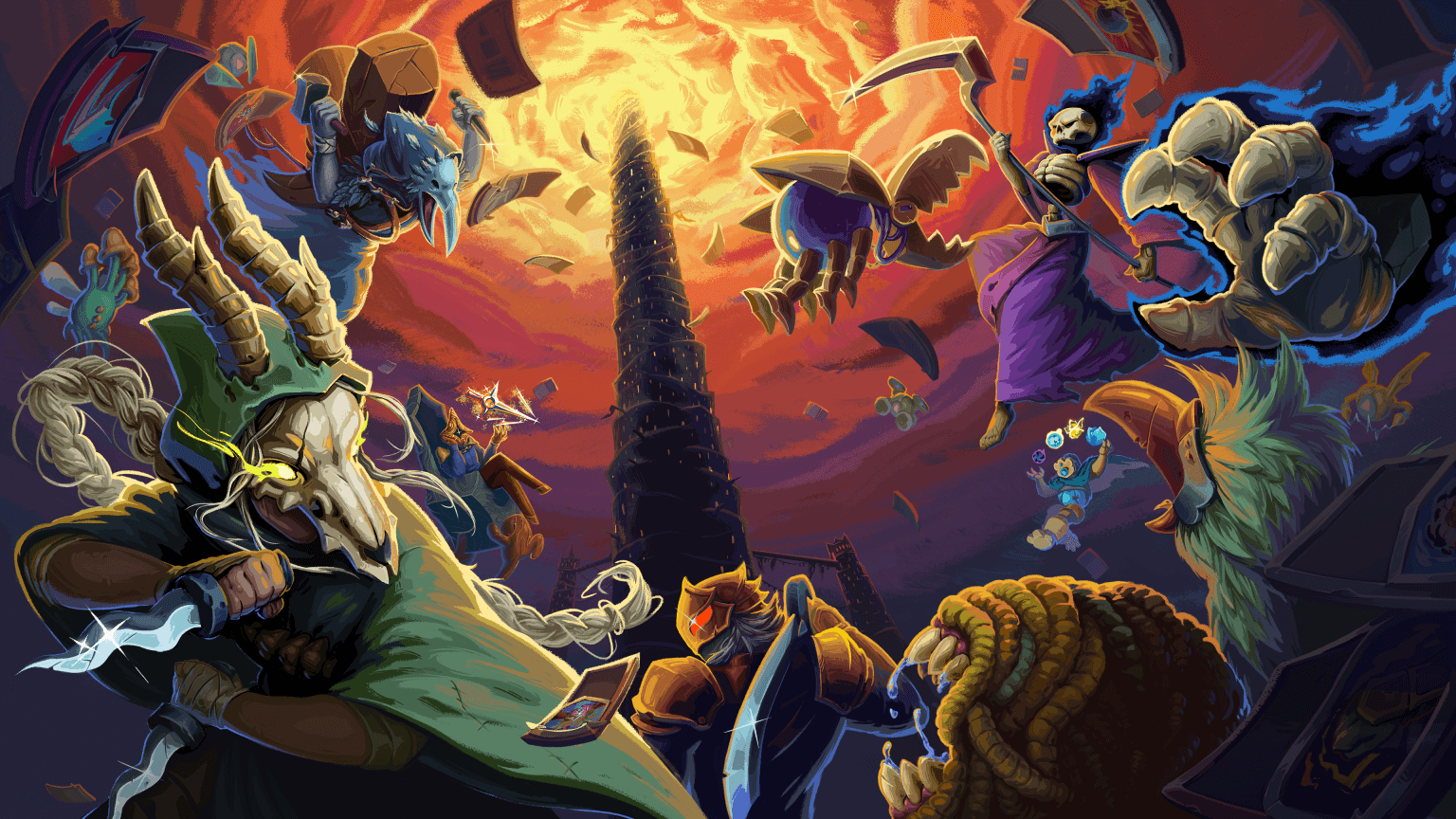

Slay the Spire is one of my favorite games of all time. It got me into the roguelike genre. Because of it, deck-building games of all types now populate my Steam library. So, when indie dev Mega Crit announced Slay the Spire 2, I was over the moon. How would they make the formula feel fresh to a “new generation” of deck-build enjoyers? Would I have to win 80 runs again to feel accomplished? And could they potentially not make it look like a 2005 flash game? Does it walk well in the shoes of its towering forebear?!
The answer to all of those questions awaited in Early Access. Now just a few weeks past the one month mark, I can finally say that I’m comfortable putting down a quick first impressions piece to try and entice more people to try the game that, in my opinion, is the superior version of Slay the Spire.
What’s Changed Since the Original?
Very little, honestly! At least from a big picture perspective. The changes are in the details, including some alterations to design principles from the first game that I’d argue were much needed.
A Familiar Loop
Slay the Spire 2 is a game where you play as one of five heroes. Similar to the first, these characters have their own selection of cards that are cast using Energy, a refilling resource pool that restricts gameplay on a turn-by-turn basis. More cards are added to your deck through fights and events as you move from room to room. You don’t heal between normal fights, making every battle one of attrition until you reach certain checkpoints (Rest Sites) or until you defeat the boss at the end of a segment. After you kill the boss (or when you start a run), you meet an Ancient, a godlike figure that heals you and sends you on your way with a nice boon.
If you’re familiar with Slay the Spire, that gameplay loop might sound familiar. That’s because it is! Nothing about the core gameplay loop of the 2019 hit has been adjusted. Why fix what isn’t broken, right?
Improved Visuals
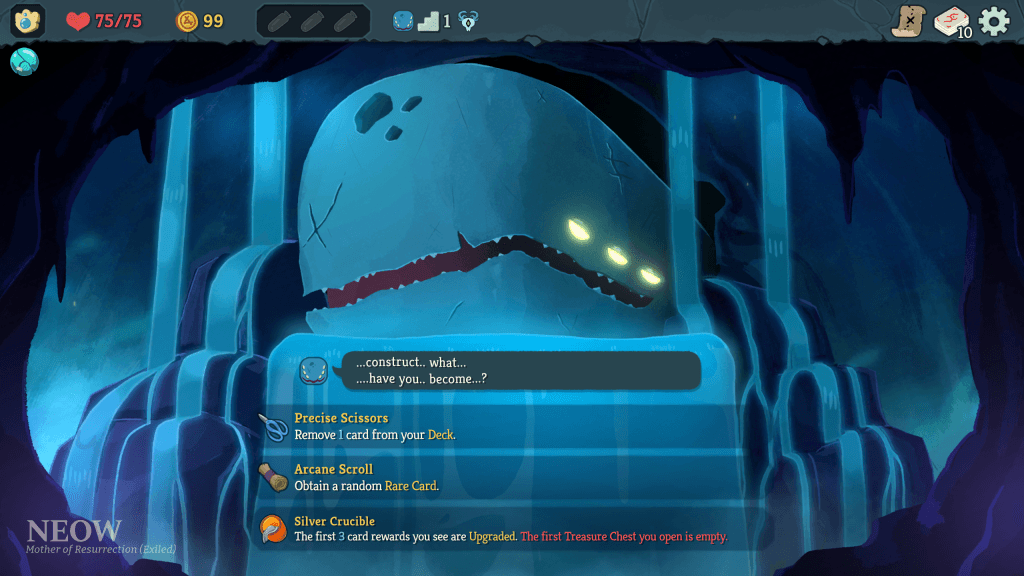
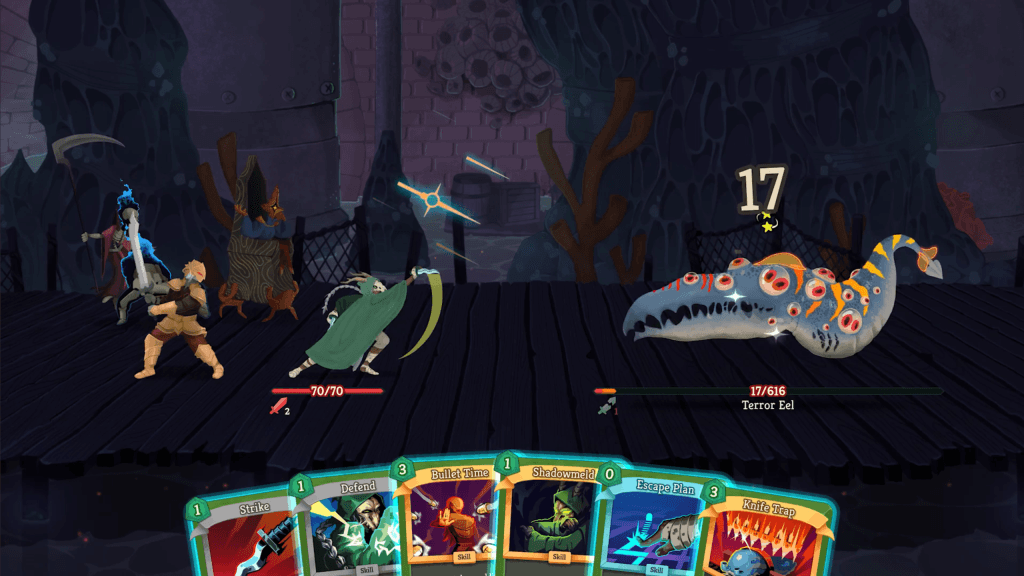
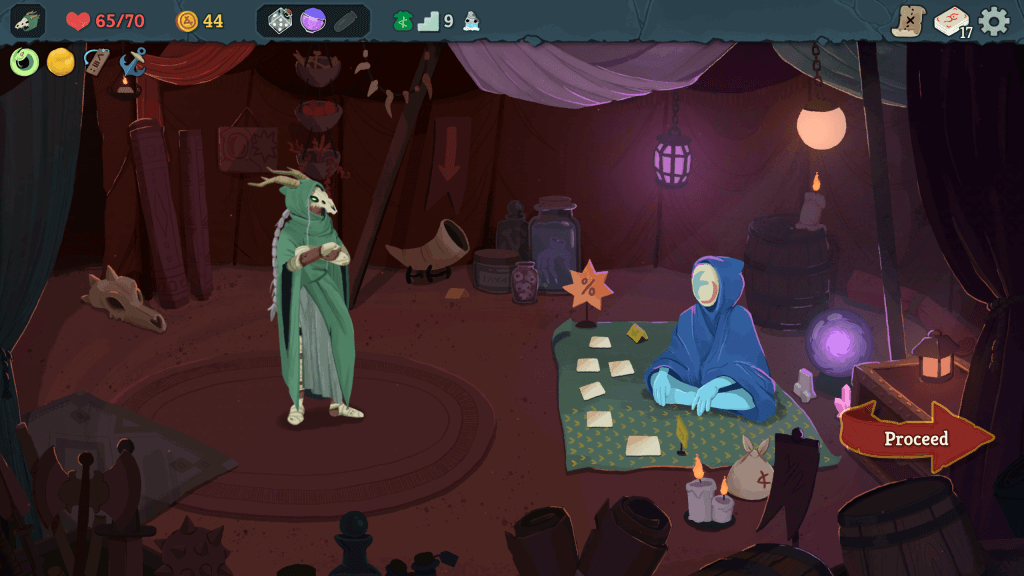
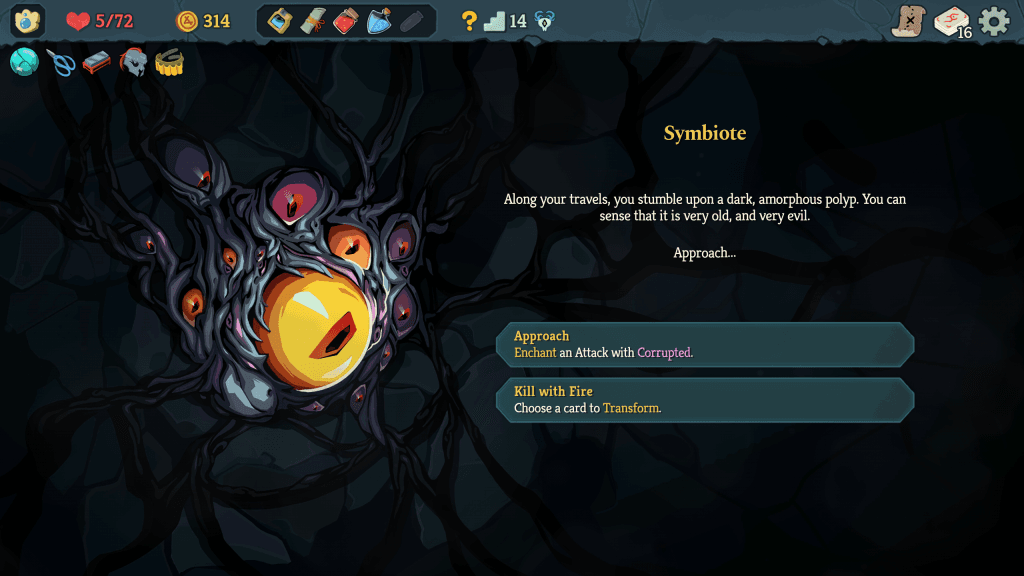
Perhaps the most surface-level change is the overall look. Honestly, I adore the changes Mega Crit has made, introducing more animations, better UI design, and flashier looks to a game that, honestly, looked kind of abysmal. I love the original Slay the Spire, but you could make a similar-looking game with paper puppets. Now, everything has life breathed into it.
There are still some placeholder visuals, but this means that, by the time it fully launches, the game should look really great overall.
Denser, Tougher Battles
Slay the Spire 2 has a much better balance between offense and defense: where you could blitz any encounter in Slay the Spire with attacks and overwhelm most enemies before they could pose a threat, Slay the Spire 2 has a slightly more focused and honed design, where defense is a more critical part of every build. Sure, you can still have runs where you absolutely slap the boss around, but good builds aren’t just about overwhelming them and using passive defense items to sneak by.
No, everything hurts in this game, so being able to Block (an effect that gives you temporary health for a single turn) is more core than ever. That’s a great thing, as it means most builds have to interact with enemies more than simply making their health bar go down, but it also means higher-level runs are more subject to finding good win conditions and good Block cards.
New Characters
The game’s also rebalanced across its characters. The Watcher did not make it over from Slay the Spire, likely needing another design pass from her current incarnation which was a little too good at infinitely comboing.
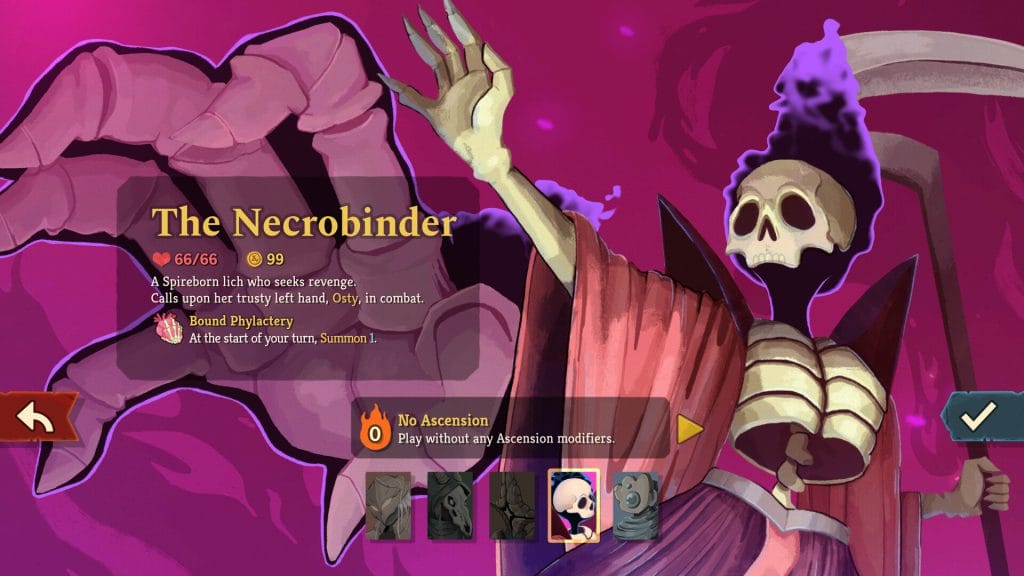
Instead, joining the brutish Ironclad, sneaky Silent, and fascinatingly quirky Defect are the Regent (a star-person with a unique resource to power his cards) and the Necrobinder (an undead mage whose companion, Osty, protects her in combat). Generally, these classes are great, with the Necrobinder feeling tanky thanks to their guardian and the Regent having several options for absolutely obliterating the battlefield. There are also fewer ways to increase your Energy pool, meaning more builds require you find synergies between cards to get the block and offense you need.
Excellent Co-Op Mode
And there’s another key addition that makes Slay the Spire 2 a big step up from the first: co-op. This game has multiplayer, a fantastic idea which sees you join up to four friends to battle the denizens of the Spire. Enemy encounters stay the same, but their health is bumped up dramatically, making teamwork critical. There are even multiplayer-only cards, like Flanking (a Silent-exclusive card that doubles the damage of everyone else’s attacks), which further emphasize the difference between a single and multiplayer run.
The co-op mode is a ton of fun and one of the best reasons to try Slay the Spire 2.
Slay the Spire 2’s Rocky Early Access Patches
Sounds good, right? Well, don’t worry: Slay the Spire 2 has already landed in some hot water, and it’s not even out yet. While the game first released to almost universal praise even during Early Access in Mid-March, the initial Beta Patch was less popular.
Mega Crit released a Beta Patch in mid-March made some sweeping changes to the cast, the biggest being a nerf to the Silent Card “Prepared.” Changed to “Prepare,” the card went from a core tenant of the Silent Discard build to being absolutely unplayable. There were other changes in the same patch, but none as universally reviled as this one.
Notably, that was an opt-in update to gather feedback about proposed balanced passes before pushing them to the main branch. But, hoo boy, did people not like it, even in concept. The game was heavily review bombed, dropping to a “Mostly Negative” on Steam during the brief period after the patch was opened on the beta branch. The devs had to reverse the patch, bringing back “Prepared” while attempting to make adjustments around the Discard Silent build in an attempt to bring it in line with the other characters and Silent builds. While the team has promised to nerf it someday, “Prepare” remains the same to this day.
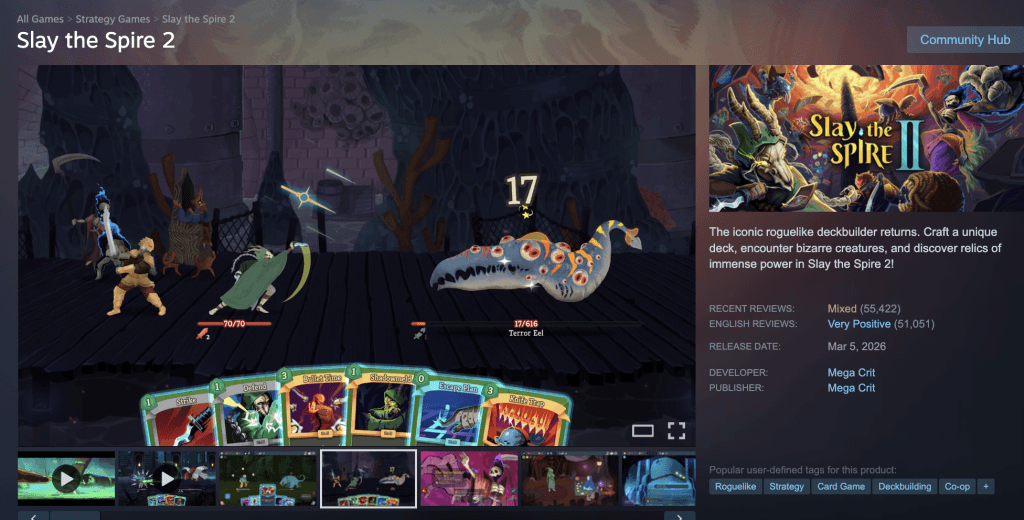
In terms of review score, the game hasn’t fully recovered — a testament to the absolute vitriol players had to the concept of a volunteer patch that lets them test out ideas and give active feedback about the direction they want the deckbuilder to go.
And the hits keep coming! As I was writing this piece, an update came out where the dev team talked about their balancing philosophy, worried about accidentally balancing around “kneejerk” reactions. This plummeted the review rating to “Mixed” once again, as the audience interpreted their notes as being insulting. I thought the devs were just wanting to continue gathering data while listening to some comments about the abrasiveness of a specific end-boss, but I am simply one man.
Does Slay the Spire 2 Replace the Original?
Eh, not yet.
Slay the Spire 2 is, in my opinion, the better game of the two. However, while it certainly doesn’t deserve the massive waves of negativity every patch, I do feel that it’s not quite done (which, since it’s in Early Access, totally makes sense). The team is still putting it through gameplay passes to determine if it’s too hard, too easy, or too annoying to do specific builds.
Right now, I do have a few complaints about some current systems.
Multiplayer Builds Needs Rebalancing
At this moment, playing in co-op with multiple characters scales the game difficultly drastically. A boss with four players will have around 5-6 times the HP as they’d have in solo. Generally, this is sensical: since there’s more players, the boss is more likely to be afflicted with Weak (a damage down debuff) and Vulnerability (a more-damage taken debuff), so it needs to have the extra health to soak that essentially-permanent penalty.
However, since some characters have builds that do not rely on attacks (such as Silent Poison, Necrobinder Doom, and Defect Orbs), it can occasionally feel limiting to find a win condition or bring your favorite deck to a co-op game. This could be resolved with Co-Op Cards that target these debuff-oriented builds. Maybe the Defect could get a co-op only card that lets him deal additional Orb damage to Vulnerable targets. Or maybe these builds just need a small bump to help them scale better, only in co-op gameplay. But, at this time, you’re kind of pigeonholed into builds that best support your party, which is via attacking and applying Weak and Vulnerablity, when you tackle higher Ascension (difficulty) levels.
Multiplayer Modes are Limited
Moreover, there aren’t too many ways to play the co-op mode outside of the default. I don’t mean custom game modes: that’s a pretty well fleshed-out system already, actually. Right now, this isn’t a huge issue, but it will build over time as players get tired of playing the same modes. I see Mega Crit needing to add two functions here:
- Follow the Leader: Just let one person decide where the group goes, probably the Host. This is a fairly common option in cardbuilding roguelites, such as Across the Obelisk, that just simplifies pathing. I’ve never really had the Players in my group ever perform the randomized direction outside of misclicks, so there should probably be an option to just… Let the healer choose.
- More Relic Chest Options: From a priority system to a Lootmaster, having a more standardized method of picking relics from a chest feels needed. Some relics, like Juzu Bracelet or Red Mask, function the exact same no matter who grabs it. Especially as the devs inch closer to a global matchmaking system, relics being decided either by the honor system or rock-paper-scissors feels rough.
Rebalancing the Final Boss
The final boss of a Slay the Spire run is currently between three options: Queen, Test Subject, and Doormaker. The Doormaker is the boss who’s changed the most during the sequel’s develoment, going from a boss that essentially did nothing the entire fight in the first version to one that disrupts nearly every aspect of your deck by cycling through Removing Cards, Stopping Draws, and Sapping Energy. He’s head-and-shoulders above Queen and Test Subject (difficult fights in their own right).
Mega Crit developers have already talked about very minor tone-backs of his disruptive mechanics, so it’s a problem they’re playing close attention to.
Try Slay the Spire 2 in Early Access or Wait?
I’d recommend giving it a try but only if you recognize that it is a roguelike that will change quite a bit in the coming months. Overall, I prefer Slay the Spire 2 over Slay the Spire, if only because I played the original game to death. I love the co-op mode and think there’s a lot of potential here. I’d say this game’s a solid 8/10 so far.
Though, if you do try Slay the Spire 2 in Early Access, I beg of you to give the beta branch an open mind and give feedback using the in-game tool, rather than nuking a game’s review score because your favorite card got changed.
Slay the Spire 2, developed and self-published by Mega Crit, released in Early Access on March 5, 2026 for PC and Mac, via Steam. MRSP: $24.99

Jason graduated from Northeastern University with a degree in English and Game Design. For him, video games are not just an art form, but one of the greatest mediums to tell a story.
When not perpetuating the game journalist stereotype of being awful at a game and blaming the game for it, Jason likes writing short fiction novels that never get past chapter two, and playing Dungeons & Dragons.