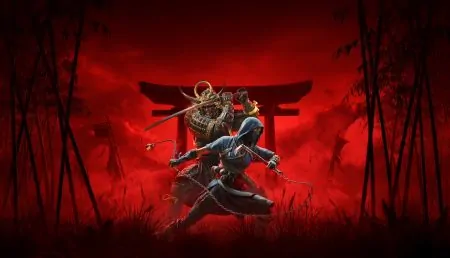

On June 26, 2025, Persona 5: The Phantom X released on Steam and mobile devices. Knowing how big a deal the Persona series is both in mainstream gaming and for dedicated aficionados, I expected that news and discussion about its gacha spinoff would inescapably follow me for months after.
Fast forward 10 months and I cannot recall having a single conversation about Phantom X even one month after it dropped. Part of this might be owed to mixed reception, but there is an alternative explanation. Unlikely as it sounds, there was another gacha game, which quickly overshadowed Phantom X in both general reception and popularity, released on the exact same day: Umamusume: Pretty Derby.
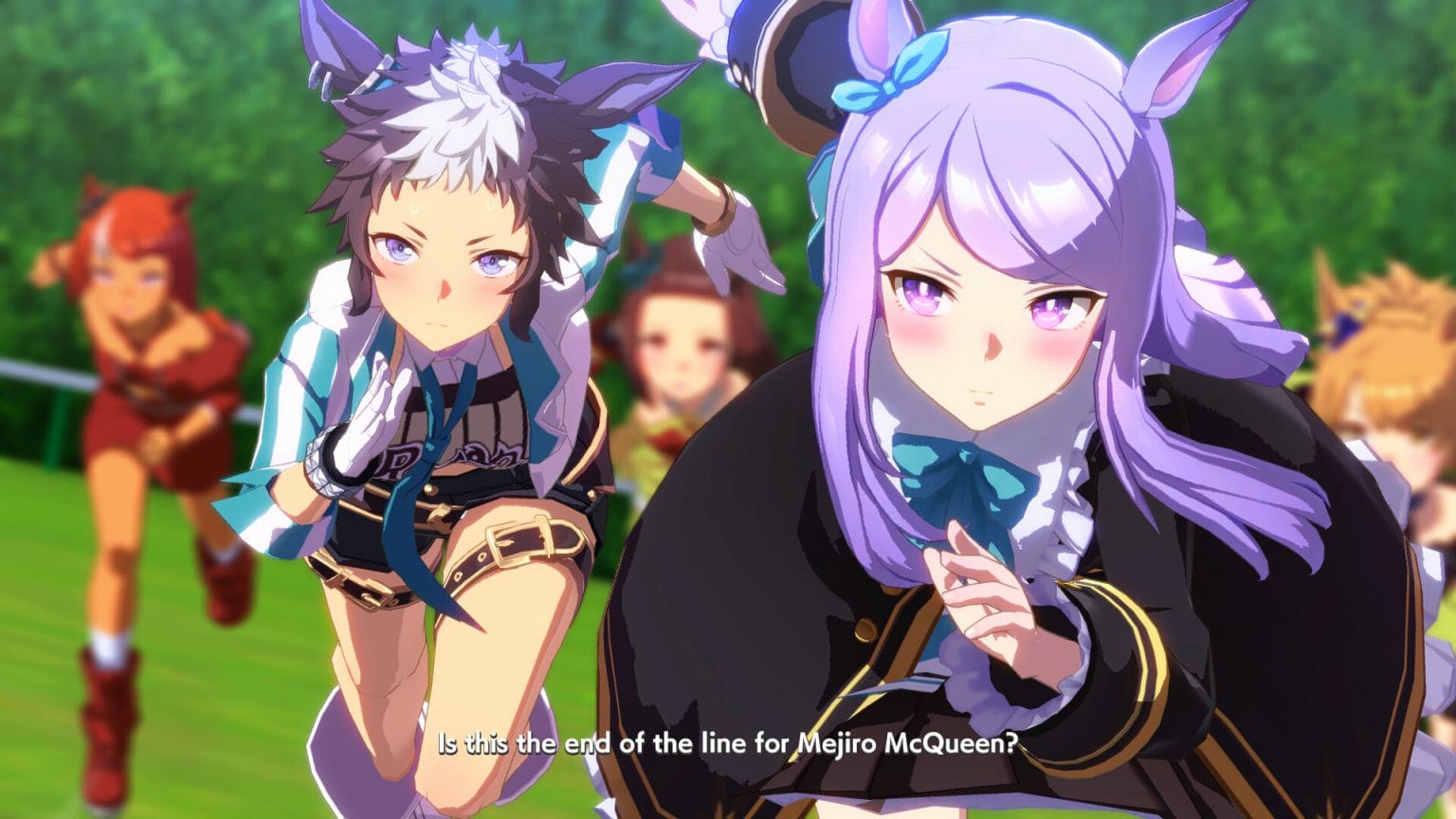
Umamusume: Pretty Derby didn’t emerge from nowhere. Its developer and publisher Cygames has been building the franchise since the mid 2010s, with its anime counterpart releasing in 2018. The game itself was released in Japan in 2021 for mobile, with the worldwide release coming four years after. It quickly garnered attention from popular streamers, with Vice in particular crediting Ludwig Ahgren and Northernlion for raising its profile.
It’s important to note that popularity within the dedicated gaming milieu is not always reflective of mainstream opinion. A dose of perspective is always healthy. But while it’s true that Umamusume isn’t as much of a household name as say, Dragon Ball or Demon Slayer, that a concept as idiosyncratic as this is getting shout outs by the Seattle Seahawks is nothing short of surreal. Not only that, but the fandom is so passionate that they’ve shown up to real life horse races, some of which are sponsored by Cygames, in cosplay.
So what’s the secret sauce? Obviously timing, exposure, and luck brought this series into the limelight, but what’s caused it to stick? To spur such intense devotion in its fans? What is the appeal of Umamusume?
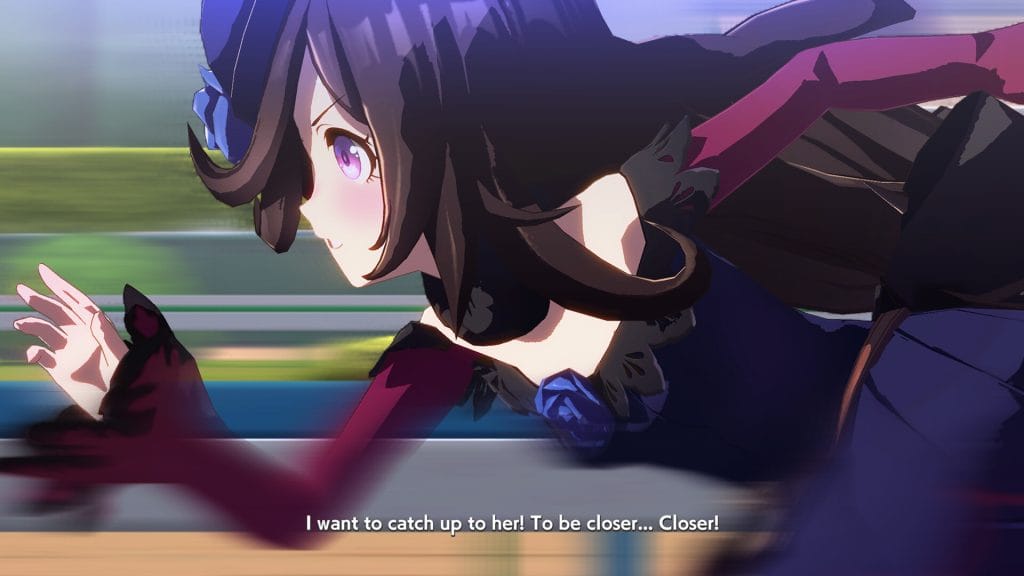
Meet the Umas
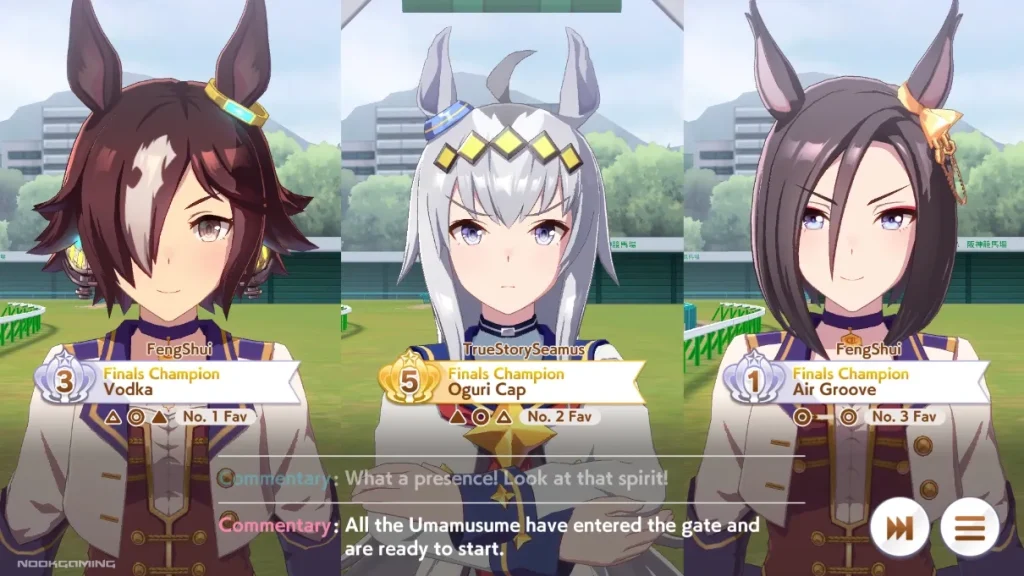
To start at its most basic level, Umamusume is a franchise which follows the careers of the titular umamusume (literally “horse girls”) in their competitive racing careers. Almost every character is named after or based on real world Japanese race horses. And perhaps most bizarrely, normal horses simply do not exist in this world.
That might explain some buy-in from pre-existing fans of horse racing in its home country, but I sincerely doubt that most of its worldwide players had any knowledge of horse racing before playing it. Umamusume: Pretty Derby’s appeal likely lies more in something similar to the appeal of idol franchises. Umamusume does have an idol-like music component, though that aspect takes a backseat to the racing for most fans.
All to say, it still kind of takes the wind out of me to admit that all these games, anime, and manga aren’t phoned in. Umamusume: Pretty Derby is a fun, inventive mix of visual novel and roguelike elements that I’ve genuinely never seen before.
Usually idol series (such as Love Live! School Idol Project or The iDOLM@STER) are driven by fans’ devotion to their casts; the various racers of Umamusume fit this purpose quite well. But any commercially driven project aimed at otaku risks falling back on archetype to pad out its ensemble. Umamusume gracefully manages to mitigate this by using archetype as an aesthetic starting point, and then iterating on it across multiple characters.
For example, there are multiple instances of haughty, proud, and implicitly “high-class” characters. Daiwa Scarlet, King Halo, and Meijiro McQueen all fit this bill. Likewise, there are plenty of peppy go-getters such as Tokai Teio, Haru Urara, and Sakura Bakushin O. And yet, all of them are noticeably distinct characters with no redundancy in either their storylines or the nuances of their personalities.
Granted, all of those are characters just from the launch roster, but this has held generally even as the cast has expanded. Rice Shower and Manhattan Cafe might share some overlapping aesthetic appeal, but they could never be mistaken for one another. And despite how much these aesthetics draw from established archetypes in both anime and gaming, there is a legitimate sense of interiority to these characters. Their stories are engrossing.

History Lesson Time
It helps that said stories have a basis in reality, which lends itself to the second major component of the series’ appeal. Not only are almost all of the characters based on actual Japanese racehorses, but their stories and even many of their personalities are based directly on their real-world counterparts’ racing careers.
On some level, the knowledge that the media you’re consuming is informing you about real-world history is inherently satisfying. Even if the knowledge is about another fairly specific interest like horse racing, it feels more substantial than simply absorbing information about a fictional setting.
Taken in isolation, the eccentricity of Gold Ship (who will race better or worse depending on her mood) is amusing. Once you’re aware that the real horse is famously temperamental and difficult to manage, it becomes hilarious. A whole new level is added once you learn that some of her bizarre facial expressions in the anime were modeled on real-world reference material of the horse; it’s surreal.
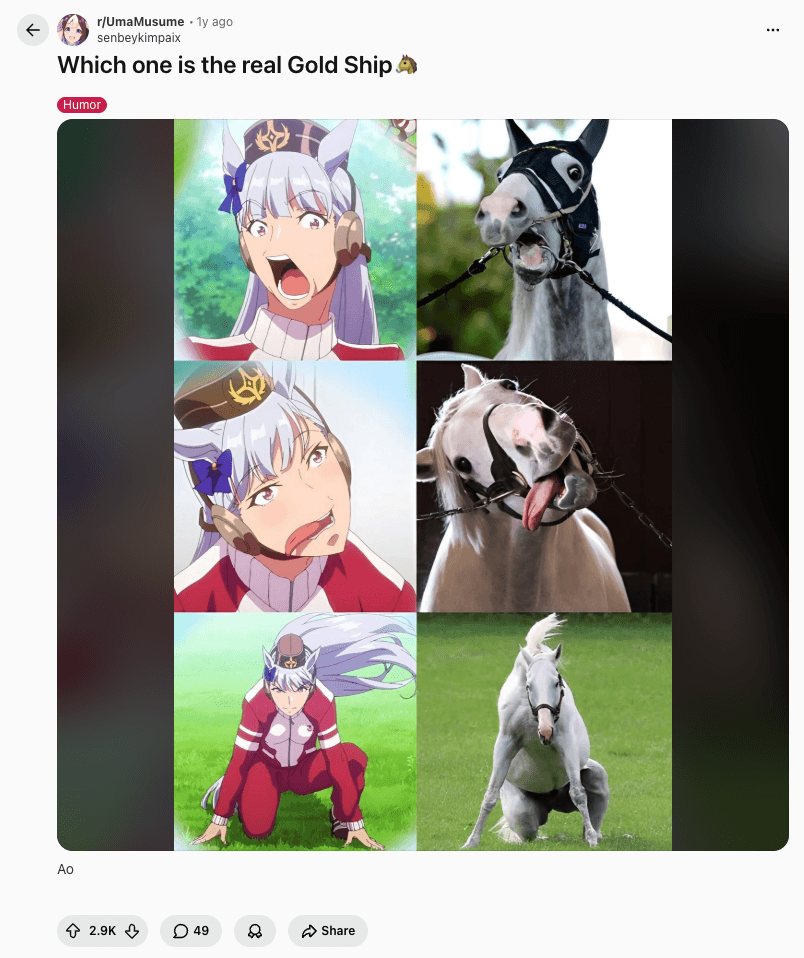
By the time I got around to seeing Tanino Gimlet kick fences for fun, all I could think was “the real horse did that, didn’t they?” Sure enough, I was correct. Footage of Gimlet kicking fences, and the occasional Yogibo, is not particularly hard to find. His caretakers are even selling omamori charms made out of the broken boards, hopefully to fund repairs.
This had the added benefit of making it easier to get invested in the characters’ emotions. Even if the umamusume themselves probably don’t share the same thoughts as the real horses, there is a sense that they represent a rough amalgamation of them, their jockeys, and their trainers.
It helps that many of their careers make for great material for dramatization. My favorite example of this is the rivalry between Jungle Pocket and Agnes Tachyon. The former a prospective rising star and the latter an unbeatable prodigy with a tragically short career. This story is so conceptually interesting that it immediately endeared me to the character of Tachyon even before I knew that Cygames’ own animation studio, currently known as CyPic, had turned it into a feature film.

Here Comes the Money
That all of these characters have real-world weight to them has paid off both for Cygames and their IRL equivalents. Yogibo Versailles Farm, home of the aforementioned Tanino Gimlet and others, advertises their horses alongside their Umamusume counterparts. But even beyond mere tourism, fans have gone so far as to financially support their favorites.
Haru Urara, a horse beloved for losing every official race she ran, is one of the most popular characters in the game. “The Shining Star of Losers Everywhere” is characterized as relentlessly upbeat, particularly in contrast to her friend Rice Shower, who is ironically despised in-series for winning too much. Being both a fan favorite and one of the few major starting umamusume whose counterpart was still alive at global launch, fans of the game quickly flocked to a donation service for ryegrass.
Seeing the passion of these fans… is kind of inspiring.
As reported by PCGamer, donations surged so much that the website crashed, with an estimated 2520 kilograms of grass having been donated to Haru by the middle of July 2025; fanart depicting her alongside gargantuan waves of grass soon followed. When the horse passed away the following September, there was a legitimate outpouring of grief from fans. Cygames’ combination of carefully crafted personalities and real world inspiration had clearly paid off.
I’ll freely admit, though, that these two components — smartly constructed archetypical characters and historical weight — are somewhat superficial. Even if the characters are charming in isolation or have interesting historical context, that doesn’t actually mean the actual products are up to snuff. And given that this is a transparently commercialized franchise based on an industry tied heavily to gambling, it wouldn’t be totally off-base to assume that the game and the various anime and manga series surrounding it were phoned in.

Why Is It Good Though?
All to say, it still kind of takes the wind out of me to admit that all these games, anime, and manga aren’t phoned in. Umamusume: Pretty Derby is a fun, inventive mix of visual novel and roguelike elements that I’ve genuinely never seen before. And much of the surrounding media is not just good, but genuinely kind of great. It also defies easy pigeonholing. Much of the aesthetic is fairly light and feminine, but the stories ultimately are still sports dramas, which are usually marketed towards men and boys.
Umamusume: Cinderella Gray in particular leans into this. While the overall design sensibilities of its characters haven’t really changed, both it and its source manga (published in a shonen magazine) are much more stylistically intense on average than the rest of the series. Oguri Cap, who even in this series is usually a lighthearted and easygoing character, is often portrayed with severe expressions and body language befitting her moniker of “monster.” The game itself was likely helped by coming out globally only two months after the show’s premiere.
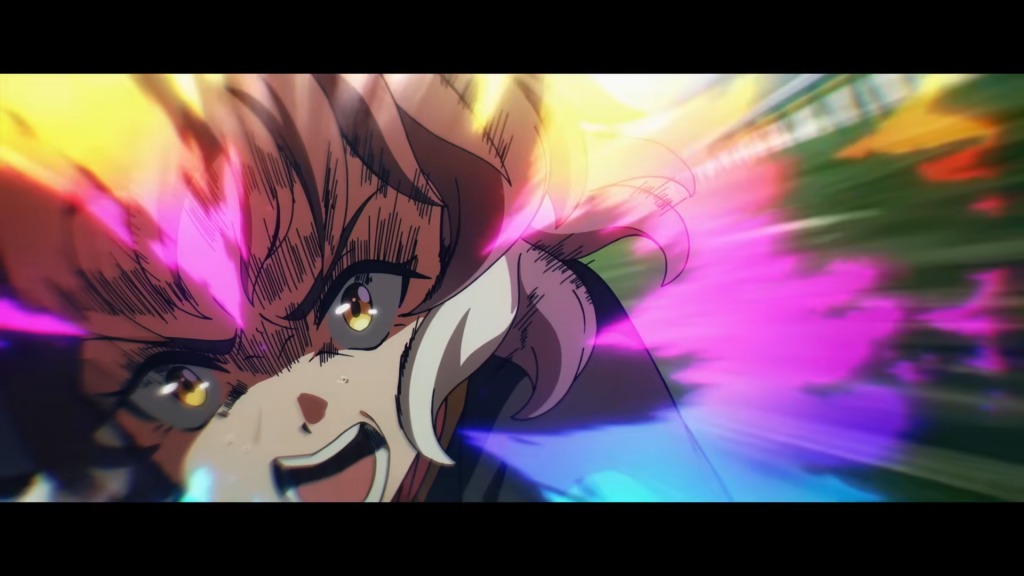
And then there’s Umamusume: Beginning of a New Era, Cygames Pictures’ feature film rendition of Jungle Pocket and Agnes Tachyon’s heated rivalry. That it’s animated well would be surprising, but that it’s animated as well as it is defies belief. Its racing scenes are unbound by realism, with Tachyon’s in particular represented with striking, over-the-top visuals as she seeks to break her limits.
But that its story actually measures up to its visuals is what’s most surprising. The pacing is somewhat idiosyncratic, but the way it contrasts Pocket’s inferiority complex and Tachyon’s repressed ambitions is genuinely smart storytelling. The theme ultimately coalesces in a celebration and affirmation of competitive spirit, of its heroes’ renewed passion and desire to transcend not just each other, but themselves.
Tachyon’s own health complications, based on the injuries that permanently ended the real life Tachyon’s career, also speak to another aspect of Umamusume that brings all of its component parts into sharper focus. Its charming characters, its real-world history, and its legitimate qualities are all enhanced by a willingness to be, on some level, real.
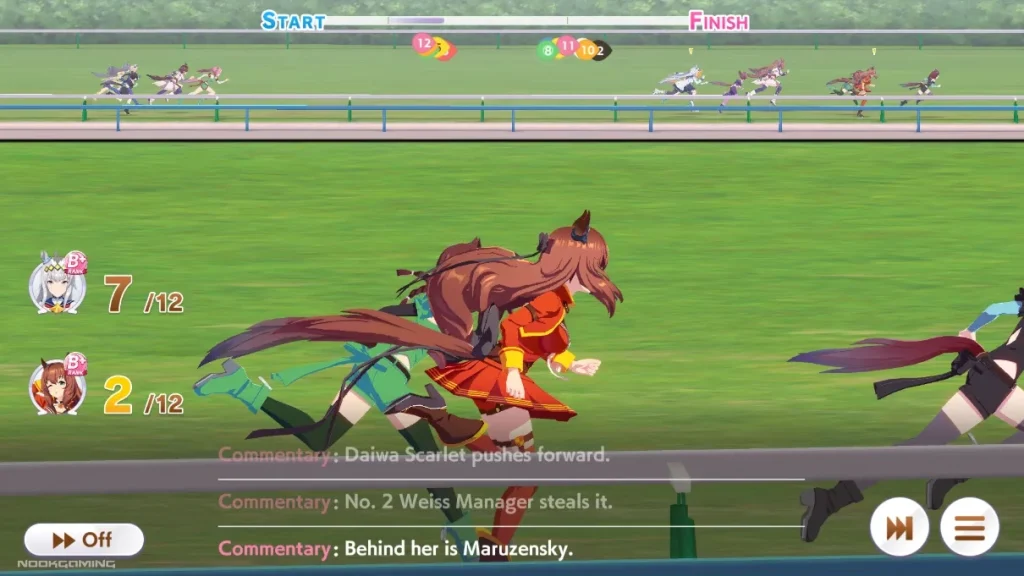
Let’s Get Serious
Injury and physical decline are a recurring theme in the series, especially in its anime productions. Many of the horses portrayed have passed away from complications or injuries, and while death rarely enters into the picture, serious injury is a very common subject broached by the franchise.
Tachyon’s decline is actually on the subtler end of the spectrum. Each season of the anime broaches the topic even more directly. Silence Suzuka’s injury in Season 1, Tokai Teio’s multiple fractures in Season 2, and Kitasaan Black’s fading glory in Season 3 are all handled with appropriate gravitas that seems kind of jarring given the series’ aesthetic. It’s weird and kind of tragic, but at the same time, honest in a refreshing way.

All in All…
I can’t possibly cover every reason why one could like Umamusume. Some people might just be into it because they like its gameplay. Some are probably just here for the cute designs. Some might not even have realized that the whole thing was based on real horses. But I think what I’ve observed here likely speaks for more than just me.
Seeing the passion of these fans, so strong that at a theatrical screening of Beginning of a New Era last February a Tokai Teio cosplayer danced to the credits music, and so vast that cosplayers dominated this year’s Anime Boston convention, is kind of inspiring. And even if I’m not going out to the closest racetrack any time soon, I can appreciate the love that inspired some guy at Cygames to share that hobby with so many others.

Sean Cabot is a graduate of Framingham State University, where he also wrote articles for the student paper before writing for RPGFan. In addition to gradually whittling down his massive backlog, he enjoys reading comics, playing Magic the Gathering, watching as many movies as possible, and adding to his backlog faster than he can shrink it.