
I am glad that I heard the news from a friend.
Within an hour of the news breaking that BioWare — legendary studio behind Star Wars: Knights of the Old Republic, the original Baldur’s Gate, Mass Effect, and Dragon Age —- was being shut down, fellow writer Sam Martinelli told me in our site’s Discord. “A goddamn tragedy,” he wrote, “and particularly sad for Amanda.”
He knows — as does everyone on our site — that I love BioWare.
Is it cringe to be like, “I love a company?” But I did, and do. BioWare was the first video game studio that made me pay attention to what a studio even is. I read interviews with the staff, company documents, and press releases. I played other games they made, simply because they were the ones that made them. I bought lore books. I listened to podcasts. I followed developers who went on to start other companies. I pre-ordered new titles simply because they had made them. I used to check BioWare’s job listings once a week; I dreamed that they would be hiring for a junior writer and that I could work there. It was a childhood dream (even though I was fully an adult). But it was a dream. And it is always sad when a dream ends.
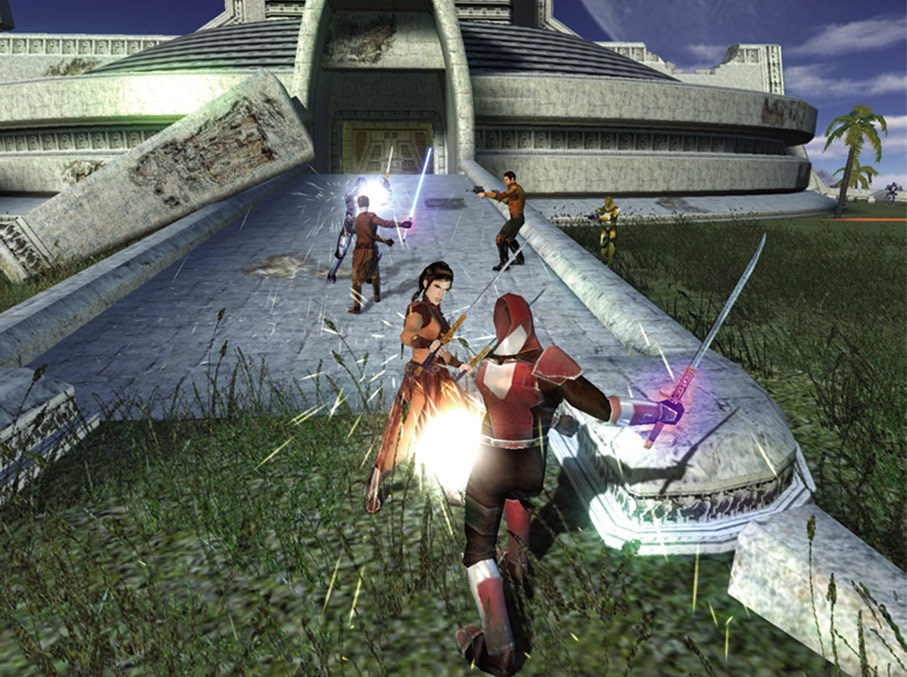
I knew they were likely in danger. I knew the studio had been struggling for a long time. But was I still optimistic? No. Not optimistic… but hopeful? BioWare is a studio that made games that literally changed my life, and they made games that changed the industry. It is never a happy day when people lose their jobs, and on top of that, I feel great grief for the end of an era of gaming and storytelling. Other stories will be told. Other great stories will be told. But BioWare’s story as we know it is ending. Someone asked if I was sad about the news. Of course I am sad.
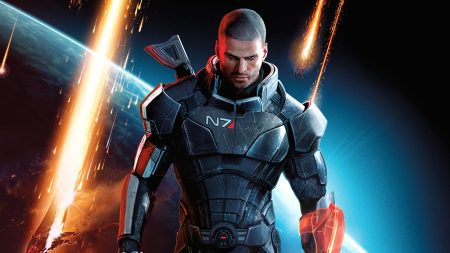
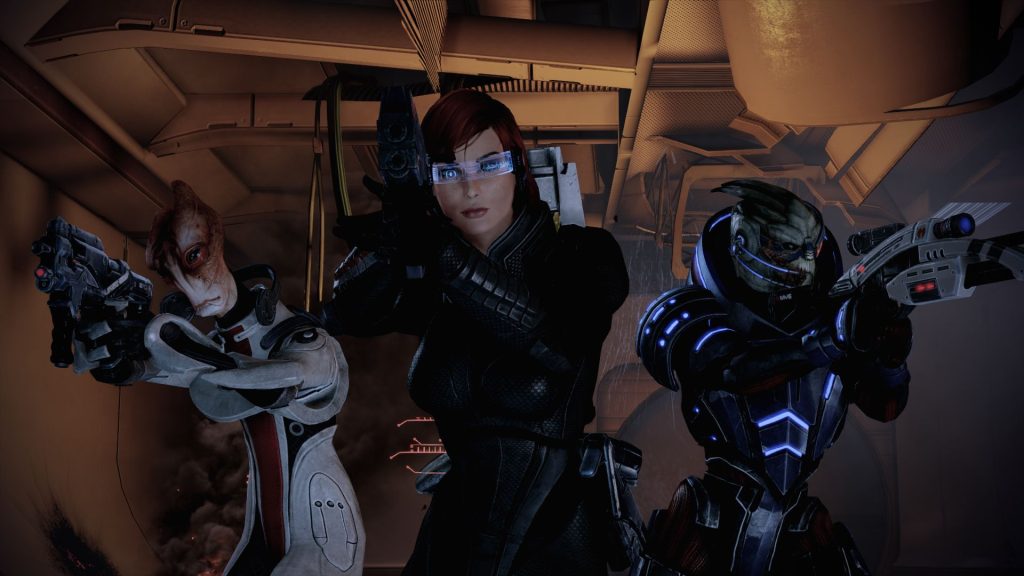
I have written many times about how much I love the Mass Effect and Dragon Age games, particularly the former. Mass Effect was the first game that I ever felt my own story represented — a child of military parents, now grown-up, trying to do good in the world. Commander Shepard was the first female video game protagonist I ever played, and she was so cool, so powerful, so brave, that it made me feel I could be all of those things, too. I’m not alone — in the Mothership.blog Discord, many trans and nonbinary players reflected that FemShep was the first time they allowed themselves to play as women, and for others, the first time they experienced queer romances in a video game. BioWare dared to assert that yes, that we are all human, even in games about aliens and elves.
And for a studio who made games like that to be shut down… It’s devastating. Even if we knew it was likely coming.
Electronic Arts (EA) announced their acquisition of BioWare in October 2007, just weeks before the studio’s massively successful Mass Effect released for PC and Xbox 360. The deal closed in early 2008. For a while, EA let BioWare do their thing — BioWare released the incredible and successful Dragon Age: Origins in 2009 and Mass Effect 2 in 2010. However, just a few years in, EA’s influence was undeniable — Mass Effect 3 in 2012 had a convoluted multiplayer element. Different teams seemed to have different levels of success: Dragon Age: Inquisition in 2014 was a hit, but Mass Effect: Andromeda in 2017 flopped. Developers from across the studio were pulled in for the deeply troubled Anthem; Jason Schreier wrote an excellent, detailed report of how EA doubled down on expectations of “games as a service” and micro-transactions, and the doomed Anthem was part of those plans. The glory days of BioWare have, unfortunately, seemed long gone.
Fellow writer Kei Isobe framed it well in our Discord chat, saying, “I think the vibe split is very much mourning vs. ‘They were already dead to me anyway.'”
I wrote back, “I think I felt both, to be honest. I had hope for the new Mass Effect game, even if I knew it would prob not come out for three years and could just be a sad echo of what was before (like with how disappointing Mass Effect: Andromeda was or the shut-down live-service Anthem). But now, it’s over and I won’t get to see what that game was or could’ve been. And that’s depressing. Like, even if the studio might have been a shell of what it used to be… Now it’s a crushed shell.”
Fellow writer Gary Wilson said in response to the news, “I figured BioWare would limp on as a vanity name at the worst case.” I, too, thought that would be most likely when I saw the news that EA went private in August 2026 and was bought by Saudi Arabia’s Public Investment Fund (PIF) in partnership with Silver Lake and Affinity Partners.
EA has done this before; many times, in fact. The one I remember the most is when EA bought Maxis, the incredibly successful developer of The Sims and SimCity franchises. EA laid off developers and shuttered the studio in 2019. Yet the Maxis brand lives on as a strange pseudo-zombie that has spent the last seven years making cosmetic DLC packs and half-hearted expansions for The Sims 4, which released in 2014. I figured that BioWare’s most beloved franchises would be turn-keyed into similar projects.
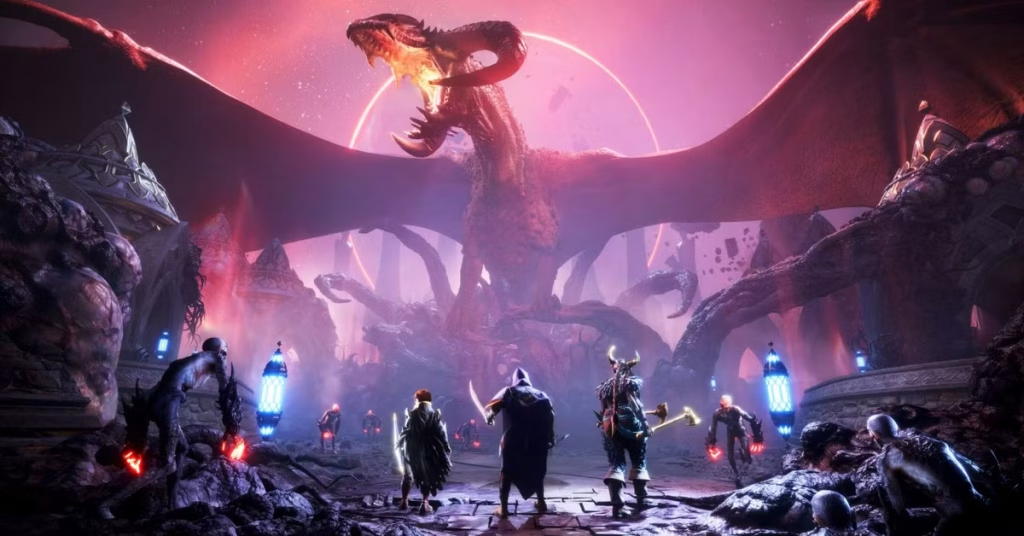
Even though I loved Dragon Age: Origins and Dragon Age: Inquisition, I did not play 2024’s Dragon Age: The Veilguard, but my spouse did. He liked the companions and thought the gameplay was fun. I’ve talked to other gamers who agreed that it was a solid, good game, despite what legions of angry people on the internet said. Many fans online claimed that “the real BioWare” had died long ago, and certainly they did not have any hope once EA officially went private in August.
From a business perspective, it likely made sense for BioWare to be on the chopping block, even if the news has devastated long-term fans like me. But there is a more cynical part of me… From a political perspective, I’m not surprised that the studio who has made a legacy of games rooted in queer storylines, importance of camaraderie with those different than us, and strong women was cancelled by buyers linked to conservative power forces.
And the thing is, it’s also not just about BioWare itself. It’s living with the reality of late-stage capitalism that something you love will be sold and destroyed into scraps. That hundreds of people will lose their job in an instant. That projects that people poured years of their life into will go into a shelf and never be seen again.
Like any good fan, I went online yesterday to see if there was any good Mass Effect gear I could buy. I found some cool but ridiculously expensive jackets that for some reason have Japanese characters on them. I didn’t even know why I was looking; buying from a company that will no longer exist felt like a bummer. Where would that money even go? But then I saw something that made me feel truly sick: Pre-orders for new collectibles.
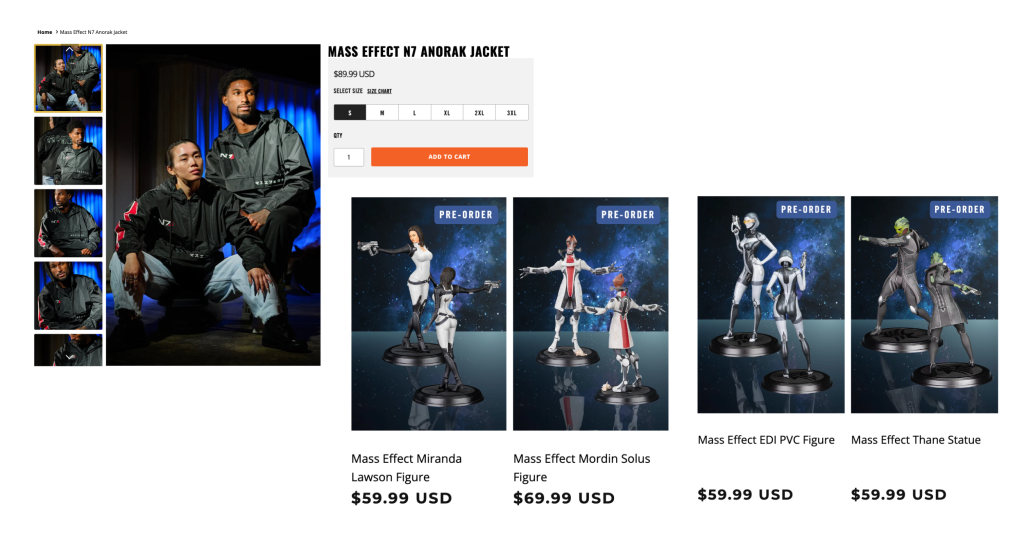
I had a taste of bile in my mouth. So, they would shut down the company? Fire all of those people? And approve new plastic toys to be made? Profits from these items don’t go back into the company that made those characters famous in the first place because that company will not exist. They will not be green-lit for new games. Employees will not get an end-of-year bonus. No one will make more characters that will some day be beloved collectibles.
Perhaps the worst kicker is that, shortly after the news break, there was a Mass Effect 5 trailer leak, rumored to be intentional by former employees. Some people on the internet were haters and said it looked like trash. Others said it looked amazing. I wouldn’t know; I could barely get through five seconds without starting to tear up. I exited out. I couldn’t bear to watch what would never be.
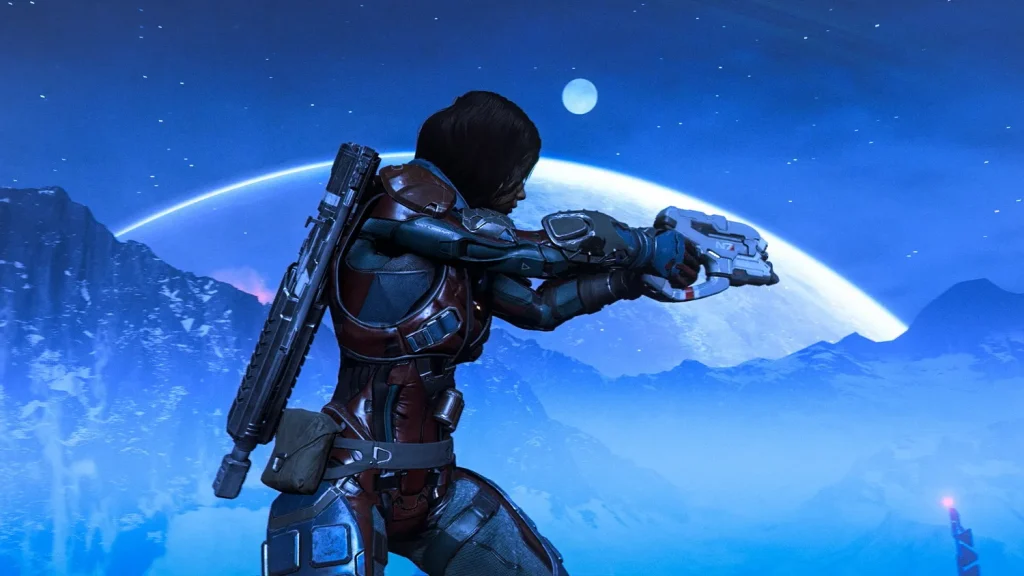
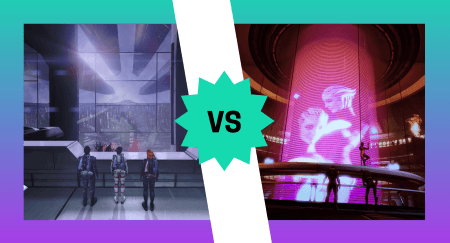
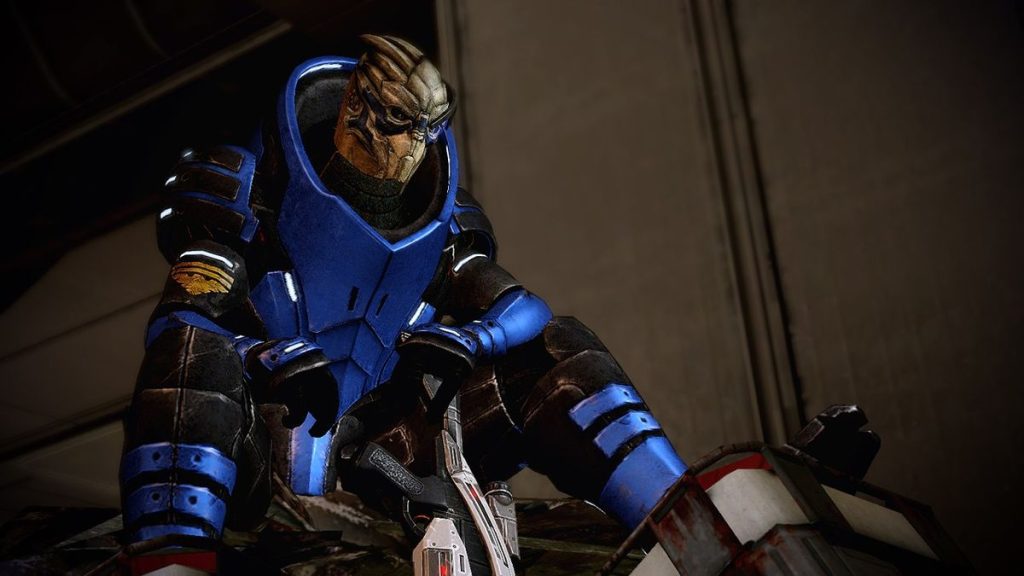
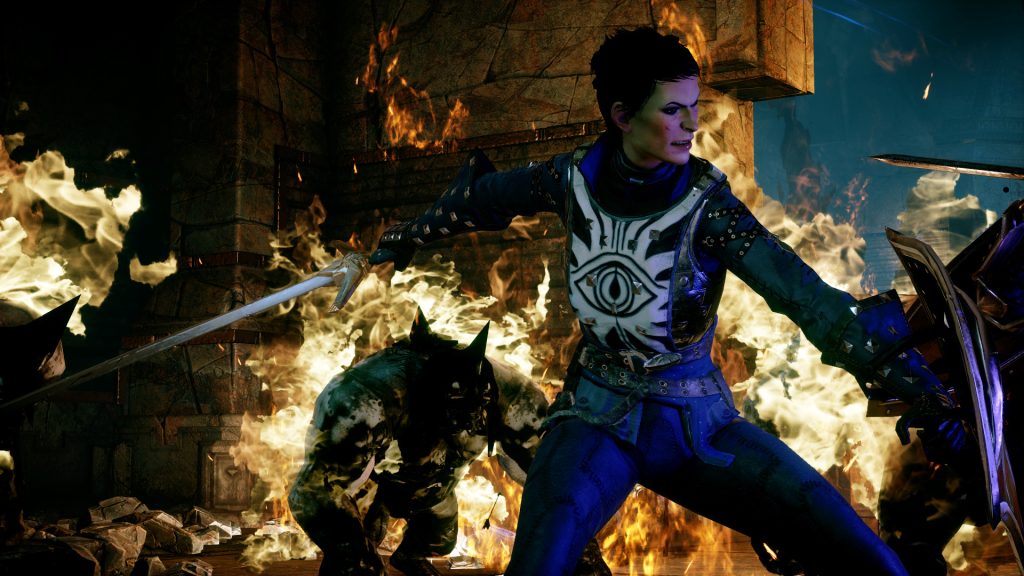
No more BioWare means no more adventures on the Citadel or with master Dwarven storyteller Varric Tethras. No more BioWare means no more second chances for Liara T’Soni. No more BioWare means no more of a powerful, respected legacy voice in the industry for inclusion and storytelling. Losing BioWare is sad for the employees, sad for the gaming industry, and sad for anyone who ever felt seen by their video games. It is sad for society — we live in a time where dreams are bought, sold, and shut down, but you can still buy plastic mementos.
So, it’s not just BioWare, but it is also BioWare. And I am sad.

Amanda Tien (she/her or they) loves video games where she can pet dogs, solve mysteries, punch bad guys, play as a cool female character, and/or have a good cry. She began writing with The Punished Backlog in 2020 and became an Editor in Fall 2021. Amanda also does a lot of the site's graphic designs and podcast editing. Amanda's work has been published in Mothership, Unwinnable Monthly, Poets.org, Salt Hill Journal, and elsewhere. She holds an MFA in Fiction from the University of Pittsburgh and a BA in Creative Writing from Columbia University. Learn more about her writing, visual art, teaching, graphic design, and marketing consulting at www.amandatien.com.