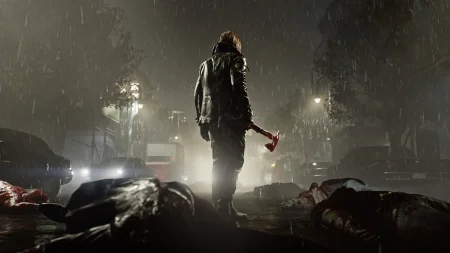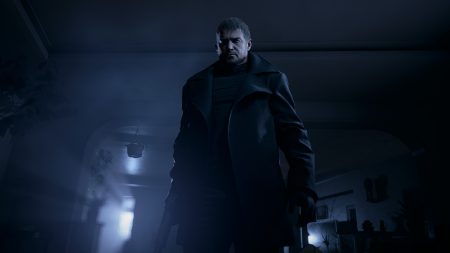


Resident Evil 7: Biohazard (2017) is one of my all-time favorite video games. It was the first game in the franchise that I ever played, and it made for the perfect introduction to the world of Resident Evil. It was 2020, I was 16, and, for obvious reasons, I was spending a lot of my time indoors, so gaming filled a significant amount of my time. My horror-gaming experience was pretty limited at the time, but I had already fallen in love with horror movies and figured it was time to combine my love of horror with my love of gaming. From that point onward, I was completely hooked, and my desire to write for (and about) video games was born. With the release of Resident Evil Requiem, it feels only fitting to revisit the horrors of the Baker family.
For nearly a decade, it seemed like Capcom was slowly moving away from the horror aspects of Resident Evil and focusing more on the action, first with Resident Evil 5 (2009), then with the particularly lukewarm Resident Evil 6 (2012). With Biohazard, Capcom brought the horror back to the franchise in full force. While there are a few references throughout the game to plot points in previous installments, Capcom subtly weaves these details into Biohazard’s lore, allowing it to work as a standalone entry and a great introduction to Resident Evil.
The result is a terrific comeback for a once-declining franchise, and a cornerstone for modern survival-horror games.

Welcome to the Family, Son
The story follows our protagonist, Ethan Winters, who, by all accounts, is a pretty normal guy. The game starts with Ethan heading to Dulvey, Louisiana, after receiving an email from his wife, Mia, telling him to come and find her after she had gone missing for three years. He finds himself at an abandoned-looking house, and explores in an attempt to find Mia. Things quickly go downhill for him, and he finds himself face to face with the terrifying Baker family who reside there. Being forced to quickly adapt to the horrors around him, Ethan works to uncover the secrets Mia had been keeping from him for so many years, in an attempt to save his wife (and himself), and put a stop to the madness taking place on the Baker property.
The fact that Ethan is just a regular person going about his day-to-day life prior to the events of the game makes for an interesting change of pace for the series and leads to some incredible commentary. The dialogue in Resident Evil 7 does a particularly good job of conveying Ethan’s overall confusion amid everything that is happening around him. This adds to the fear factor, as the player knows they can’t rely on Ethan to provide any additional information other than what they can discover from the numerous files scattered across the map.
Despite the huge horror focus of the game, the dialogue is often quite comical, in standard Resident Evil fashion. A particularly notable example of this is Ethan quite literally fighting for his life, the unhinged Jack Baker yelling “Groovy!” and Ethan simply (and surprisingly calmly) responding with “That’s not groovy.”
Resident Evil 7 made me feel A LOT of different things: fear, discomfort, dread, and even laughter. But something I hadn’t anticipated when I first played the game was the overwhelming sense of moral uncertainty. Without entering the realm of spoilers, Biohazard shows you the reasons behind the game’s events as they come to fruition, and the emotional response, for me and many others I have spoken to about the game, is pure devastation. The way that lore is drip-fed to the audience here is so incredibly effective, and leaves plenty of players feeling sympathy for characters they may have spent most of the game despising.
Accept Her Gift
The controls and mechanics of Resident Evil 7 are pretty straightforward, so even for players not super familiar with survival horror, there likely won’t be too steep of a learning curve. The first section of the game, before Ethan fully meets the Bakers, acts as a tutorial, introducing quite a few of the main mechanics you’ll come to rely on throughout the game. I suggested Resident Evil 7 to a few friends of mine who aren’t really fans of horror games, and they were able to quickly become comfortable with the controls and play style. (They’re thoroughly enjoying it!)
Capcom didn’t reinvent the wheel with the gameplay mechanics here in the same way they did with story and visuals, but that’s because they didn’t need to. A mix of melee and ranged combat keeps things interesting, working nicely with the ammo preservation and heavy supply management that survival horror games are known for. Beyond the standard knife and pistol combat, there are a few really exciting weapons in the game. The “Burner” is one of my favorite pieces of weaponry in Resident Evil: Biohazard, as it breaks up the combat really nicely, preventing the game from feeling stagnant by the time you reach the Old House. (It’s also really fun running through the house with what is essentially a flamethrower.)
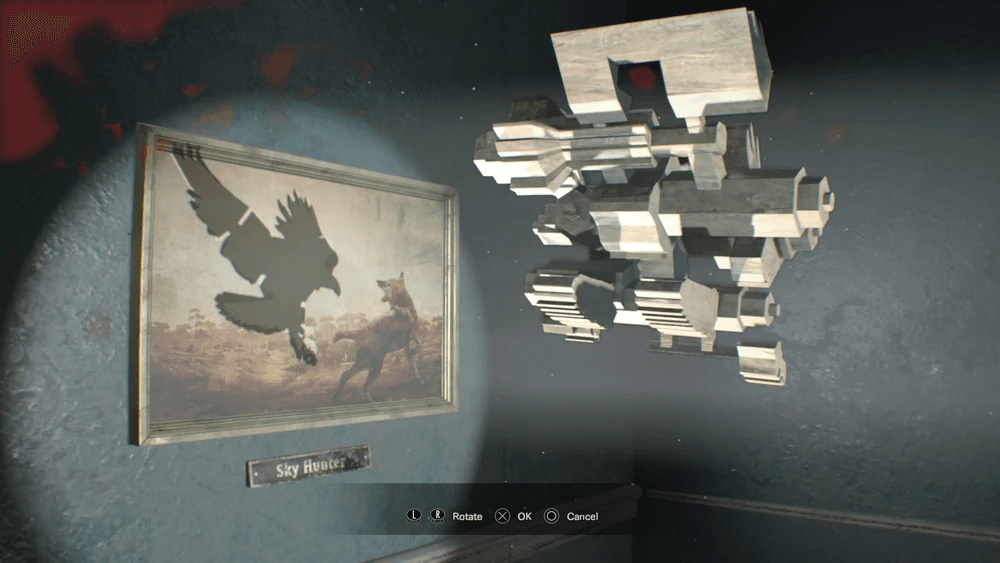
The linear story also makes the game a lot easier to play, with an in-game mission checklist making it simple to figure out what to do and where to go next. That checklist is particularly helpful in Biohazard’s puzzle-heavy sections, which often require finding multiple objects and visiting locations scattered across the map to complete.
Musically, Resident Evil 7 is a delight. The opening theme song of the game, “Go Tell Aunt Rhody,” is probably one of the most easily recognised pieces of sound from Resident Evil as a whole. A cover of the 18th-century classic, Biohazard’s version, sung by Jordan Reyne, is the perfect mix of beautiful and creepy to get you into the gaming mood. As with all Resident Evil games, Biohazard has its own absolutely stunning melodic save room theme (titled “Saferoom”) that perfectly captures the overwhelming relief you feel when you manage to make it to the tape recorder without succumbing to the violent acts of the Bakers.
We’ve Got Work to Do
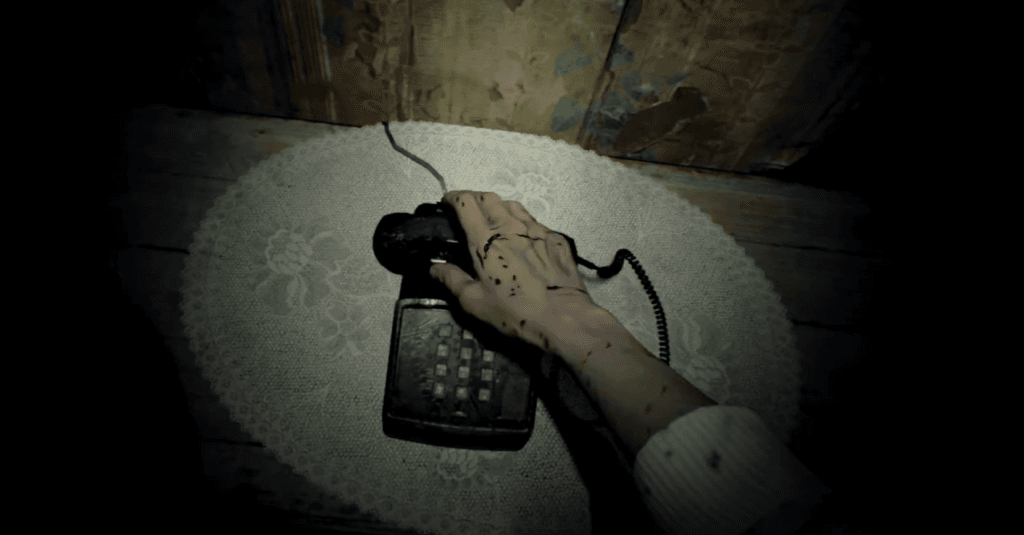
Capcom’s decision to make Resident Evil 7 a first-person game (the first mainline game to do so!) was a bold one, and also a terrific one. The more intimate perspective makes the jumpscares more extreme, and the gore more visceral. The first-person perspective also allowed for a VR-compatible version of the game, for players who want a truly bone-chilling (and possibly motion-sickness-inducing) experience.
In trying to return the series to its roots, the team behind Resident Evil 7 took survival horror and graphic gore to a whole new level while embracing the supernatural elements that make these games so popular. Resident Evil games have always had a heavy focus on zombies and other monstrous biological creations, and Biohazard is no exception. Ethan experiences some truly insane things that really up the shock factor, although many of these moments go unexplained until Resident Evil: Village (2021).
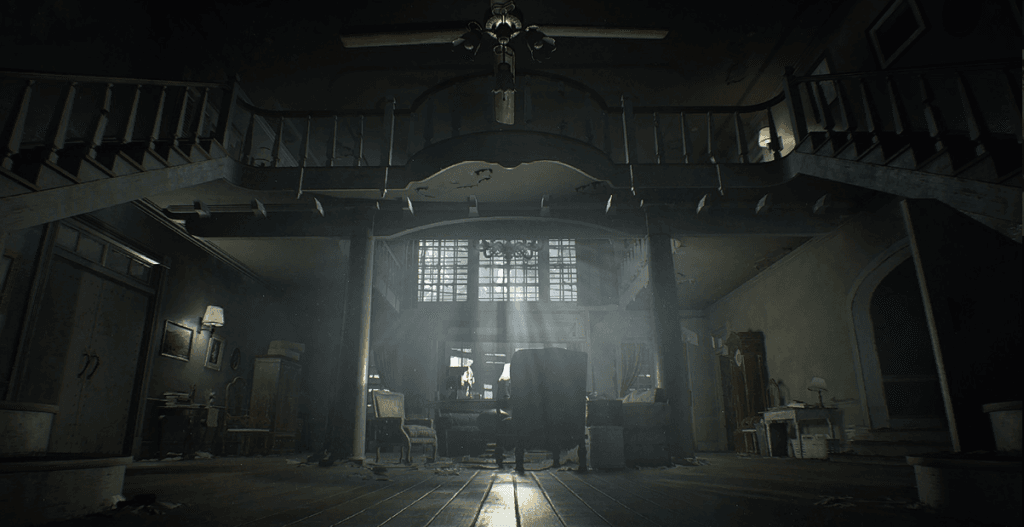
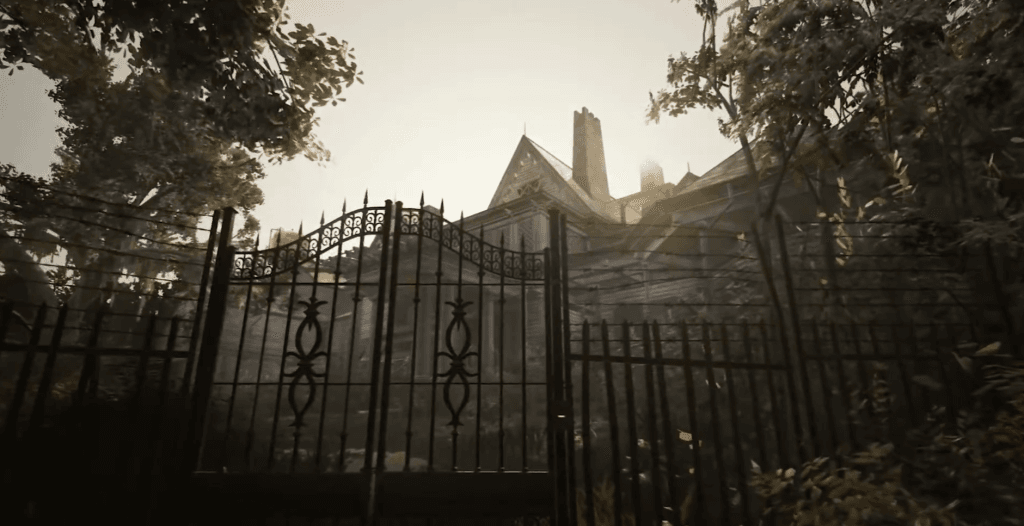
Structurally, Resident Evil 7 employs a pretty wide range of horror themes. Each of its key antagonists generally aligns with different fears, including dolls and creepy children, dirt, bugs, jump scares, extreme body horror, tight spaces, and abandoned-looking environments. The house as an environment is so beautifully designed, taking the game from simply “scary” to outright disturbing. Alongside the mold-filled, filthy Baker residence, the character designs work beautifully to scare the audience and create a sense of unease even outside of the explicitly “scary” moments. Marguerite Baker, the matriarch of the family, is one of my favorite female horror antagonist designs of all time, and a truly stunning representation of modern abject horror.
Are You Having Fun Yet?
In terms of negatives, the dirty interiors of Resident Evil 7 can get a little repetitive after a while; after a few hours, the house loses the element of shock it previously held. Thankfully, I found Lucas’ segment of the game to be a nice change of pace, at times adopting an almost circus-esque design while still keeping the eerie energy needed to keep you on your toes.
There is, however, one late-game segment that I found particularly lackluster, especially when compared to how incredible the rest of Resident Evil 7 is. One of the final parts of Biohazard takes place on a ginormous wrecked ship, where a lot of pre-game lore is explored in more detail. It feels exciting at first, with Mia being a playable character for the first time instead of Ethan, and players being able to explore a completely new environment.
Despite all the new intrigue, however, this part of the game loses its charm pretty quickly. There’s a massive amount of story that finally gets explained here, including the context of Mia’s employment and how she went missing and ended up with the Bakers, but these revelations feel rushed compared to the pacing of the rest of the game. New characters, environments, weapons, and lore should feel exciting, but when it’s all crammed into such a small section of the game, it’s not too enjoyable.
Final Thoughts
Resident Evil 7: Biohazard is an incredibly well-rounded addition to the survival-horror genre. It successfully reimagines the Resident Evil franchise while helping series newcomers begin their RE journey without the intimidation of pre-established lore or the need to play older, fixed-camera games (such as the original Resident Evil, or Resident Evil 0).
Nearly 10 years later, the game still holds up incredibly well. And given you can grab the game now for $19.99 on most storefronts, this is a brilliant bang for your buck.
Score: 9.5/10
Resident Evil 7: Biohazard, developed and published by Capcom, first released on January 24, 2017, for PC, PlayStation 4, and Xbox One, then again on June 13, 2022, for PlayStation 5 and Xbox Series X/S. A Nintendo Switch 2 version launched on February 27, 2026. (It’s apparently quite good.)
MSRP: $19.99 on Steam, PSN, and Microsoft Store; $39.99 on the Nintendo eShop
Version reviewed: PC

Scarlet (she/they) is a U.K.-based writer who recently graduated with a bachelor's degree in English and film from Manchester Metropolitan University. She loves a wide variety of games, but has a soft spot for horror games and cozy indie games. She loves achievement hunting and is passionate about queer stories being told in video games. She primarily plays games on PC, but sometimes dabbles in console gaming, usually on the Nintendo Switch with games like Animal Crossing and Mario Kart.