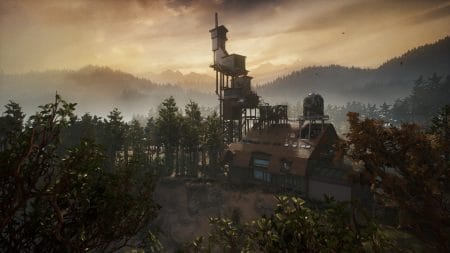
Scrolling through Netflix some years ago, I noticed a category that perfectly describes a specific type of movie or television show I often enjoy watching: “spooky, not scary.” At the time, the category featured shows like Stranger Things and films such as Shaun of the Dead. Without even reading a description of the category, I understood immediately from what was included that it featured shows and movies that had the atmosphere, imagery, and overall vibes of horror, but weren’t actually meant to scare viewers.
It occurred to me, then, that so much of what I loved watching growing up fit distinctly into this genre, especially since I rarely enjoy (or even watch) actual horror films. For example, my favorite Disney animated film might be The Nightmare Before Christmas, since it has all the classic monsters and darkness you might find in classic horror, yet never actually scared me as a child. I mostly enjoyed the music and the creepiness, as I also did with cartoons like Aaahh!! Real Monsters and Courage the Cowardly Dog.
The same is largely true when it comes to my love of video games. Despite adoring a handful of unambiguously terrifying games (e.g., Dead Space, Inside, several Resident Evil titles), so many of my favorite games to play during October wouldn’t scare a child but still have the essence of horror within them. Notable examples obviously include the Castlevania franchise, Luigi’s Mansion, Metroid Fusion, the Hearts of Stone expansion for The Witcher 3: Wild Hunt, Inscryption, classic DOOM, and Carrion.
It makes perfect sense, then, that this month I have fully embraced what I believe is 2026’s best “spooky, not scary” game: Vampire Crawlers.
Waves and Waves and Waves
Poncle’s Vampire Crawlers: The Turbo Wildcard from Vampire Survivors is a roguelike deck-builder that expands upon Poncle’s excellent 2022 autobattler Vampire Survivors (which, itself, took most of its inspiration from Castlevania) to create a consistently and intensely spooky experience. To be clear, though: It’s not scary at all, and that’s part of the fun.
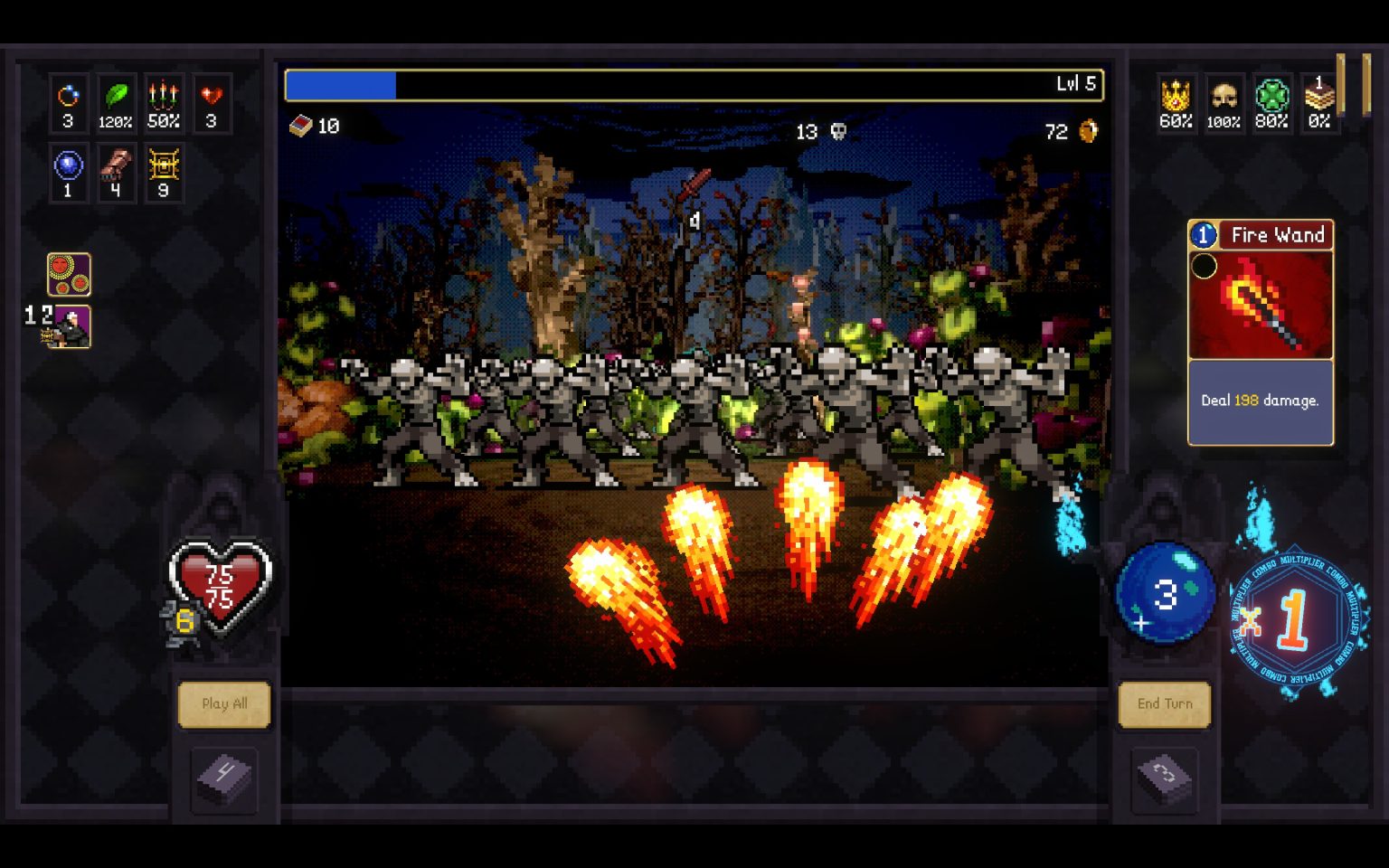
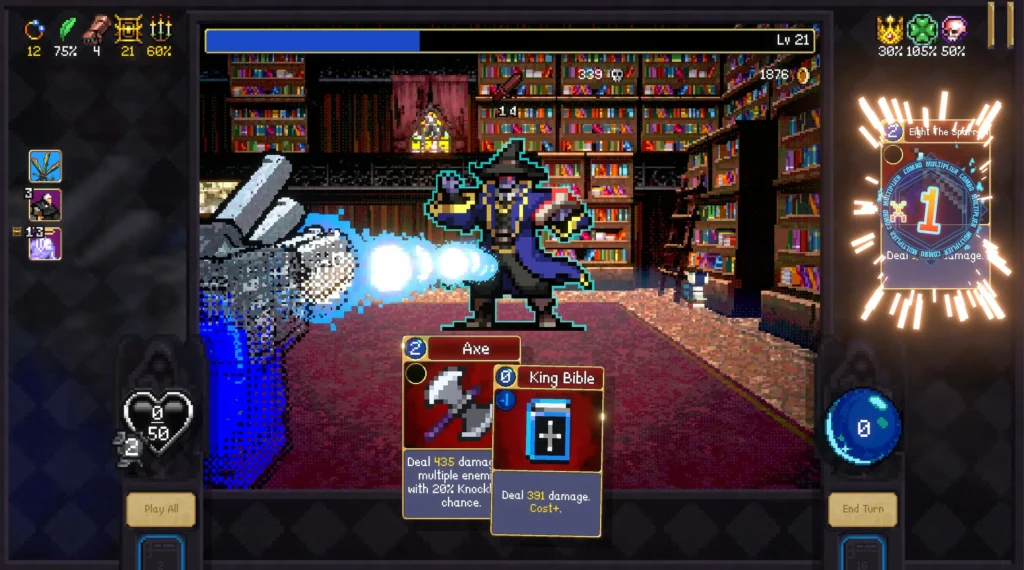
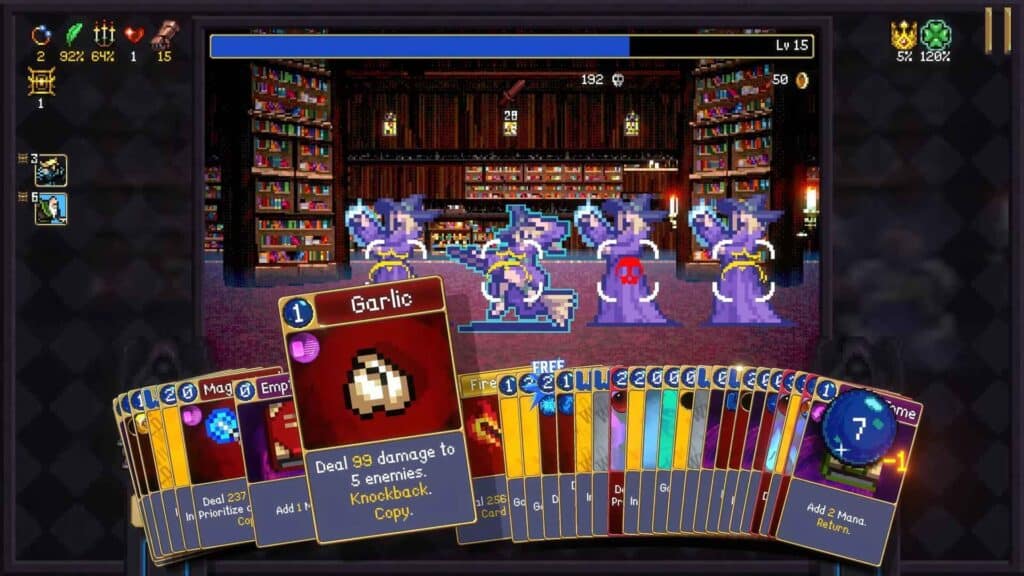
Much like in Vampire Crawlers, the player selects a “crawler” with whom to start a run and utilizes the various strengths of each possible crawler to make their way through treacherous locales (such as haunted forests and creepy mansions). From a first-person perspective, the player navigates these labyrinthine environments while fighting waves of vampire bats, animated skeletons, gargoyles, and other typical monsters in turn-based combat using cards they pick up along the way.
It’s almost like I’m playing through a gamified Halloween party. Sure, there’s references to blood, death, and fright, but it’s all set dressing; I’m just here to have a good time.
The actual battles are fairly straightforward yet have the potential for remarkable depth. You only have a handful of cards at a time and limited mana to use per turn on such cards, and the cards you start your run with are fairly basic and easy to understand (e.g., “gain 2 armor” or “deal 30 damage to a likely attacker”). Combat scenarios range from a small group of vampire bats to seemingly endless waves of evil golems followed by an intensely difficult boss.
As one might expect from a roguelike, Vampire Crawlers ratchets up the complexity the more you progress through each stage, with the ability to alter various cards’ abilities, add to your mana total, and collect newer, more powerful cards. If you play your cards right (get it?) and formulate the right strategy around cards and crawlers, you could end up dealing over 1,000 damage each turn, giving yourself enough armor to basically make you impervious to enemy attacks, or even turning one turn into three in a row with no enemy retaliation in between.
Plenty of Haunts, but No Frights
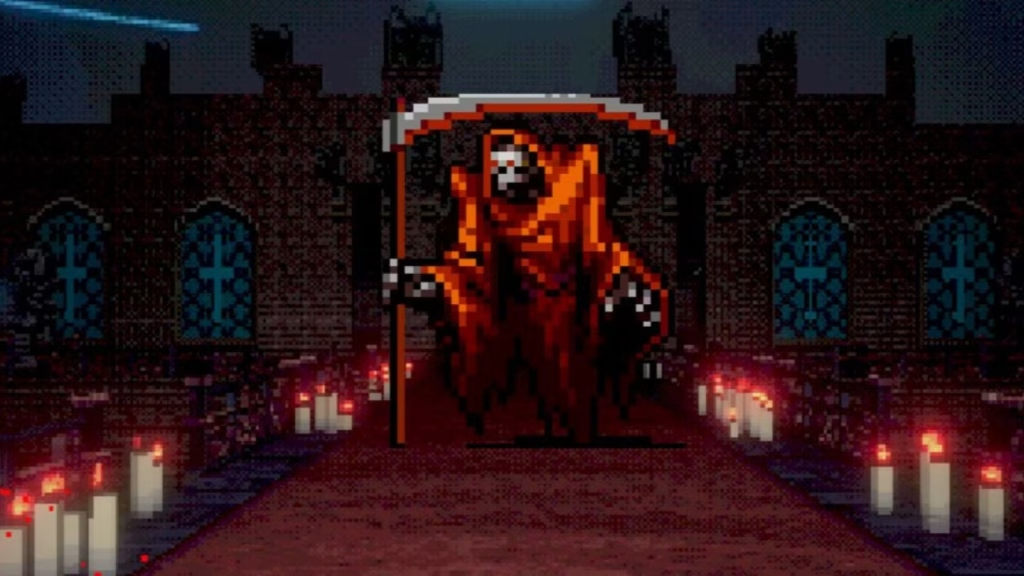
The actual gameplay loop of Vampire Crawlers is mostly simple, but the little bits of complexity build up into an endlessly thrilling and engaging experience, one that firmly has its hooks in me. Every time I start a new run, it feels like the world around me stops moving as I walk through spooky, dimly-lit hallways in haunted mansions, castles, and even dairy-processing facilities. I’m laser-focused on the next wave of enemies and searching for little secrets in every corner. I barely notice that, to some extent, these enemies and objects around me are meant to scare and intimidate me.
Therein lies the brilliance of Vampire Crawlers’ setting: It’s got spooky skeletons, bloodthirsty bats, and menacing minotaurs at every turn, yet everything feels fun and inviting. Part of it is the videogaminess of everything — after all, I’m still healing my crawler with a roasted chicken I found on the floor — but another part is the loop itself. The abilities the cards afford you and the ease of early encounters create a sense of power over everything that approaches you, so the pixelated monsters never come off as all that horrifying at all. It’s almost like I’m playing through a gamified Halloween party. Sure, there’s references to blood, death, and fright, but it’s all set dressing; I’m just here to have a good time.
Closing Thoughts
Ultimately, I think that’s why the “spooky, not scary” atmosphere works so well for me. Games in the genre feel like a costume party, or even a Halloween-themed stage play where I’m one of the actors. The purpose of the spooky environment is less to scare me and more to give the addictive gameplay loop a little more flamboyance and flair. This comes in contrast to more traditional horror games like Dead Space, where I’m fighting against my own fear of death and solitude as much as I’m fighting giant space monsters.
I don’t know if I’ll ever truly love horror as a genre. Each new Resident Evil I play or movie like Obsession I watch brings me a little closer to fully embracing these types of stories, but I doubt I’ll ever get to the point where I consume whatever frightening tales come my way. Until then, I’ll spend my Octobers with kitschy, non-terrifying games like Vampire Crawlers, which give me the thrills and vibes of horror without any feelings of fear or panic.
Vampire Crawlers: The Turbo Wildcard from Vampire Survivors , developed by Poncle and Nosebleed Interactive and published by Poncle, released on April 21, 2026, for PC, Mac, PlayStation 5, Xbox Series X/S, Nintendo Switch 1 & 2, and iOS.

Sam has been playing video games since his earliest years and has been writing about them since 2016. He joined The Punished Backlog in 2017 and became an Editor in Fall 2021. He’s a big fan of Nintendo games and complaining about The Last of Us Part II. You either agree wholeheartedly with his opinions or despise them. There is no in between.
A lifelong New Yorker, Sam views gaming as far more than a silly little pastime, and hopes through critical analysis and in-depth reviews to better understand the medium's artistic merit.
Bluesky: @sam-martinelli.bsky.social